
FAQs
Frequently Asked Questions and Answers

Not every university produces research at the same intensity. In Turkey, a limited group of institutions stand out through laboratory depth, scientific output, and direct project engagement. These universities are not defined by size, but by measurable research activity.
For students aiming at innovation, technology, medicine, or advanced sciences, infrastructure matters more than branding.
Research capacity differs sharply between institutions
Laboratory access is a competitive advantage
Early student involvement in real projects is possible
Patent activity reflects innovation strength
Department level output matters more than overall name

Bilkent University remains one of the most prestigious research institutions in the region. It is characterized by a deeply rooted academic culture that treats research as a core mission from day one.
Key Research Centers:
UNAM (National Nanotechnology Research Center): A world-class facility housing over 60 specialized laboratories. It serves as a global "user facility" for physics, materials science, and molecular biology.
UMRAM (Magnetic Resonance Research Center): A pioneer in brain research and high-resolution diagnostic imaging technologies.
The Advantage: Bilkent allows undergraduate students to participate in high-level research. It consistently ranks at the top in Turkey for "citations per faculty member," proving the global impact of its work.

Özyeğin University is recognized as a leader in entrepreneurship and applied innovation. It is one of the few private universities designated as a "Candidate Research University" by YÖK.
Key Research Focus:
ÖzÜ-X Platform: A multidisciplinary hub where designers, engineers, and business experts collaborate to solve real-world industry problems.
Robotics & AI: Extensive laboratories focused on autonomous vehicles and human-robot interaction.
The Advantage: Özyeğin excels in technology transfer. They don’t just publish papers; they help students and faculty secure patents and launch successful tech startups.
Located in Ankara, the heart of the Turkish defense and aerospace industry, TOBB ETÜ offers a unique research model integrated directly with the Turkish business world.
Core Features:
Cooperative Education Model: Students spend a full year of their degree working in R&D departments of giants like ASELSAN, TUSAŞ, and ROKETSAN.
Strategic Research: Active projects in quantum computing, cryptology, and advanced materials for the defense sector.
The Advantage: Graduates leave the university not just with a diploma, but with a portfolio of applied research experience that makes them highly employable in high-tech sectors.
For those interested in medicine and life sciences, Medipol offers an unmatched research ecosystem. It follows the "Bench-to-Bedside" model, ensuring lab discoveries reach patients quickly.
Key Research Units:
SABİTA (Health Sciences and Technologies Research Institute): One of the largest lab complexes in Turkey, focusing on cancer therapy, drug development, and genomics.
REMER (Regenerative and Restorative Medicine Center): Specialized in stem cell research and tissue engineering.
The Advantage: Medipol’s integration with its own massive hospital network provides researchers with a direct clinical environment to test new medical devices and treatments.

Kadir Has has pioneered a "New Education Model" that moves away from traditional exams and focuses entirely on research-based project outputs.
Core Structure:
Project-Based Learning: Students work on real industry-sponsored projects starting from their first year, guided by both an academic mentor and a professional sector leader.
The Advantage: This model ensures that students are not just "studying" science—they are "doing" science. It fosters early participation in academic publications and professional networking.
Research universities in Turkey operate with measurable output driven academic models. Infrastructure strength, laboratory access, and applied project exposure define their academic value. Strategic selection depends on aligning research focus with long term academic and professional goals.
Frequently Asked Questions and Answers
Look out blogs and aware of the latest trends and updates
Explore top universities offering quality education, modern facilities, and diverse academic opportunities for students worldwide



 Dormitory
Ankara, Turkey
 Dormitory
Istanbul, Turkey
 Dormitory
Istanbul, Turkey
 Dormitory
Istanbul, Turkey
 Dormitory
Istanbul, Turkey
 Dormitory
Istanbul, Turkey
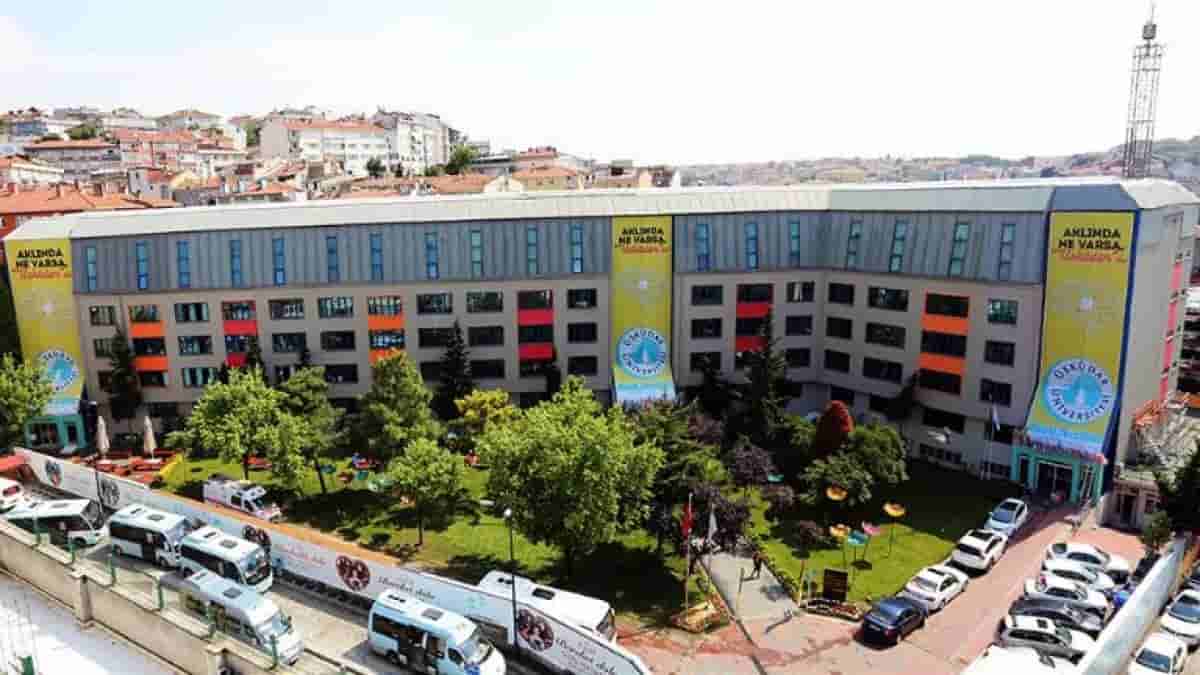 Dormitory
Istanbul, Turkey
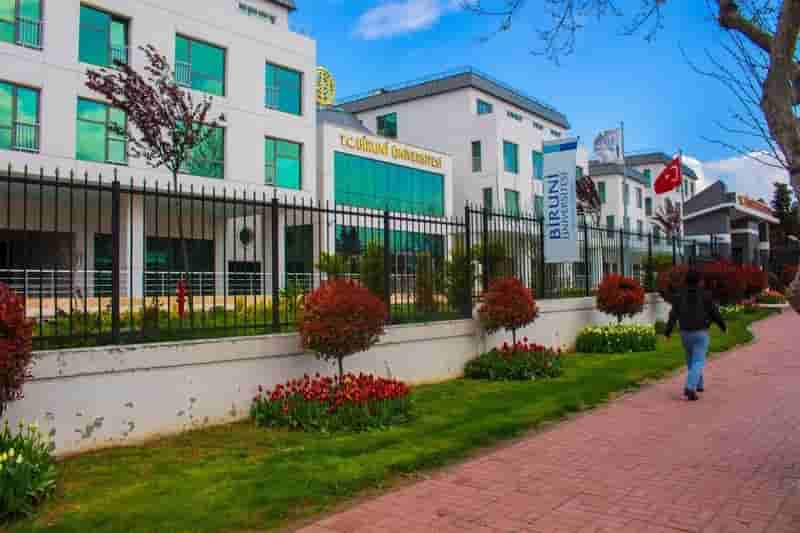 Dormitory
Istanbul, Turkey
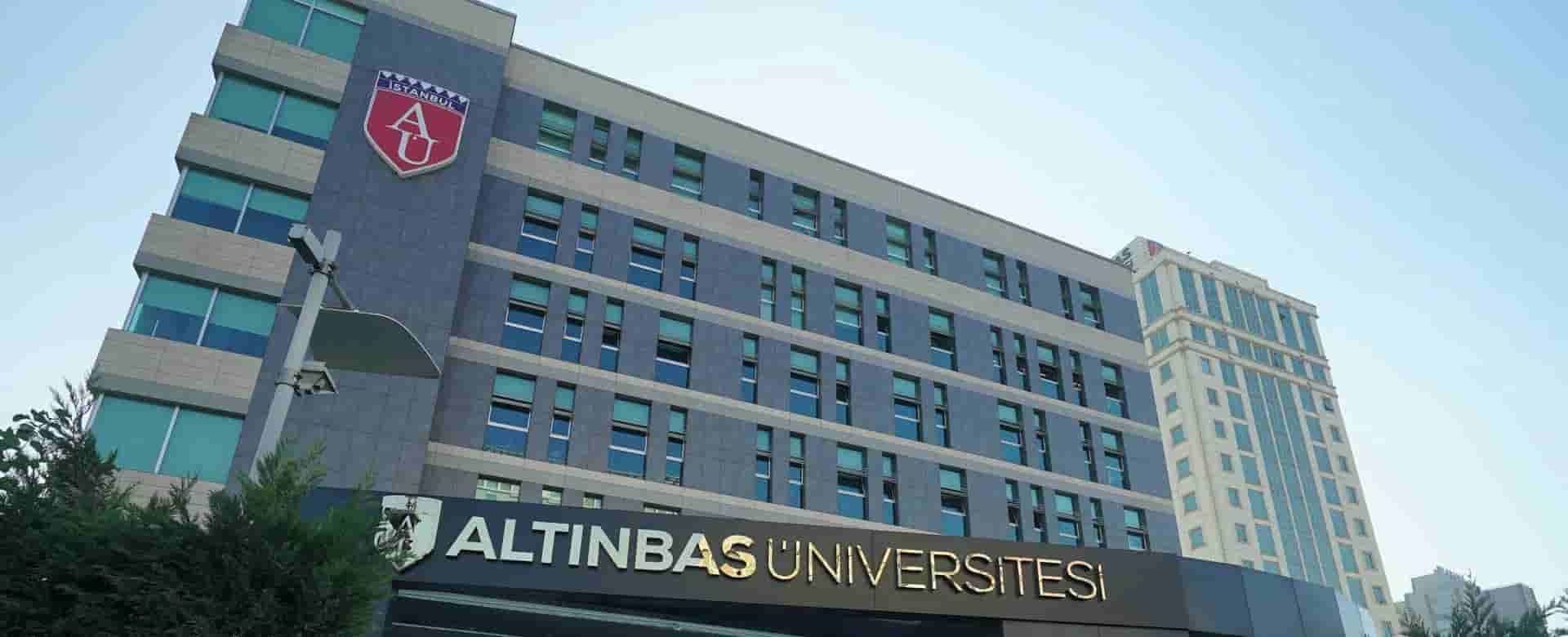 Dormitory
Istanbul, Turkey
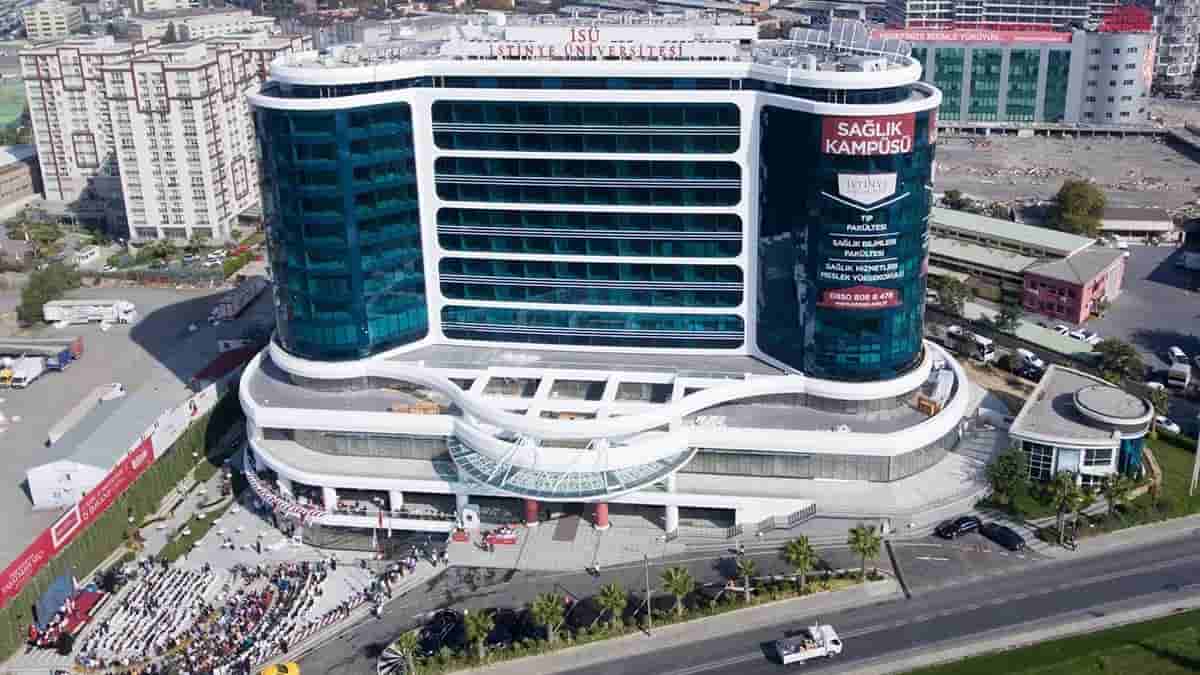 Dormitory
Istanbul, Turkey
 Dormitory
Istanbul, Turkey
 Dormitory
Istanbul, Turkey
 Dormitory
Istanbul, Turkey
 Dormitory
Istanbul, Turkey
 Dormitory
Istanbul, Turkey
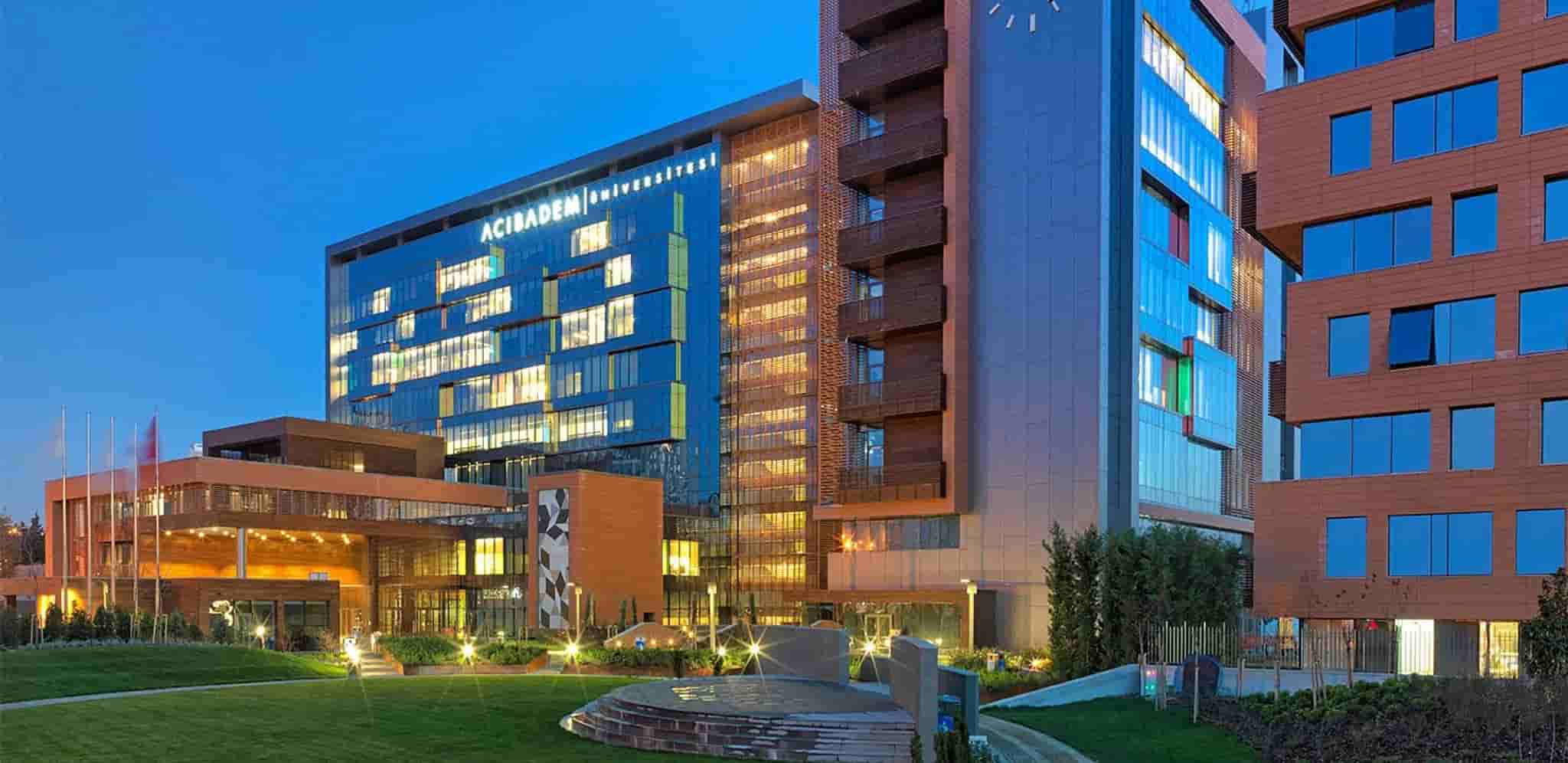 Dormitory
Istanbul, Turkey
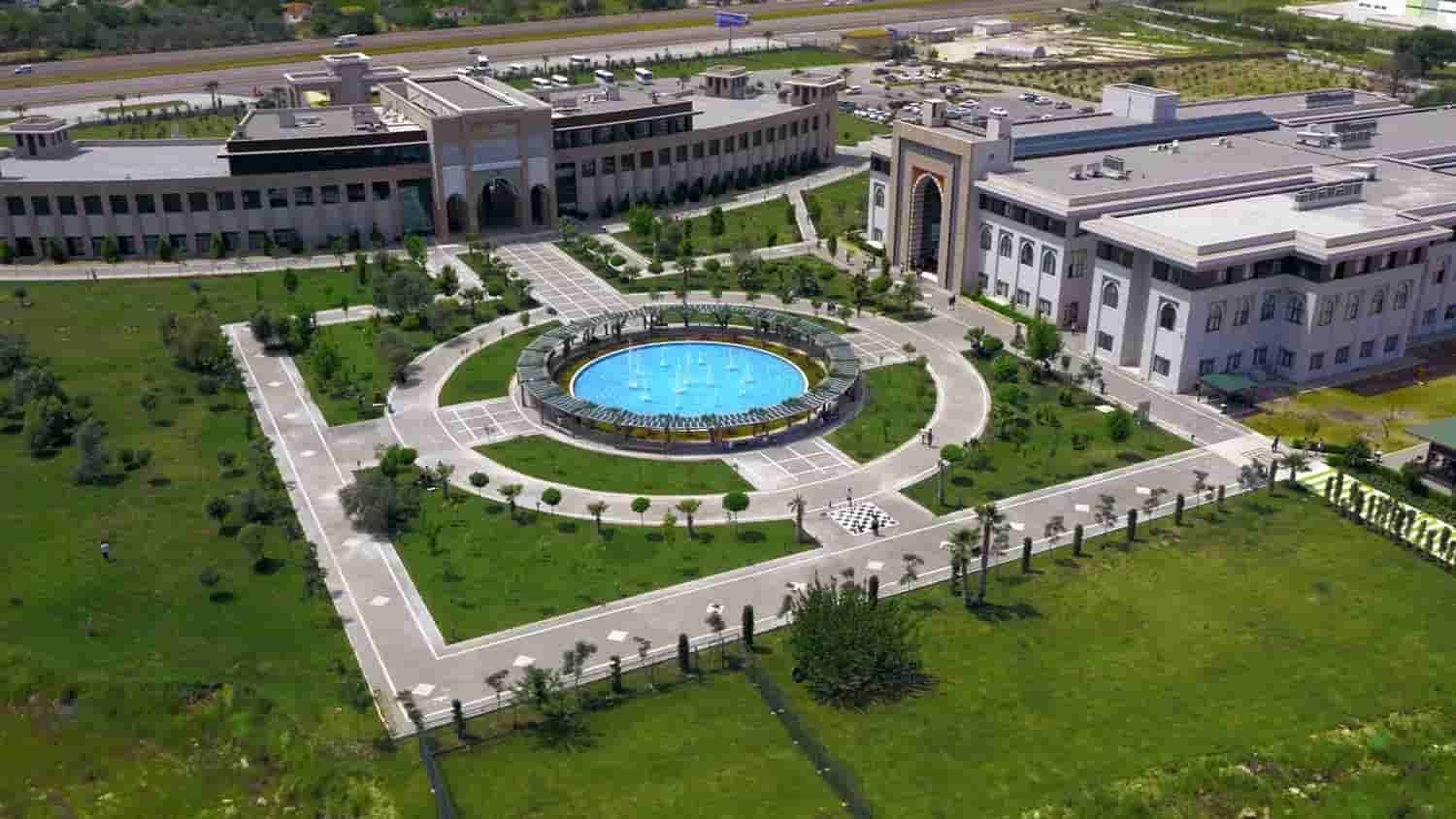 Dormitory
Antalya, Turkey
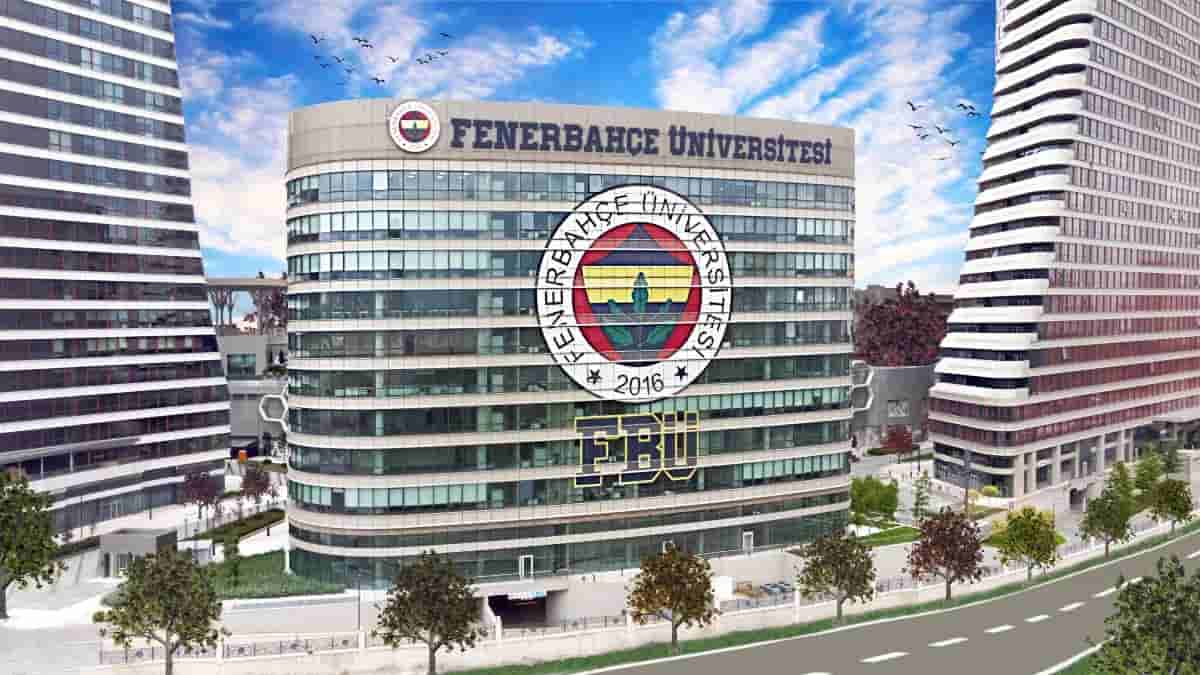 Dormitory
Istanbul, Turkey
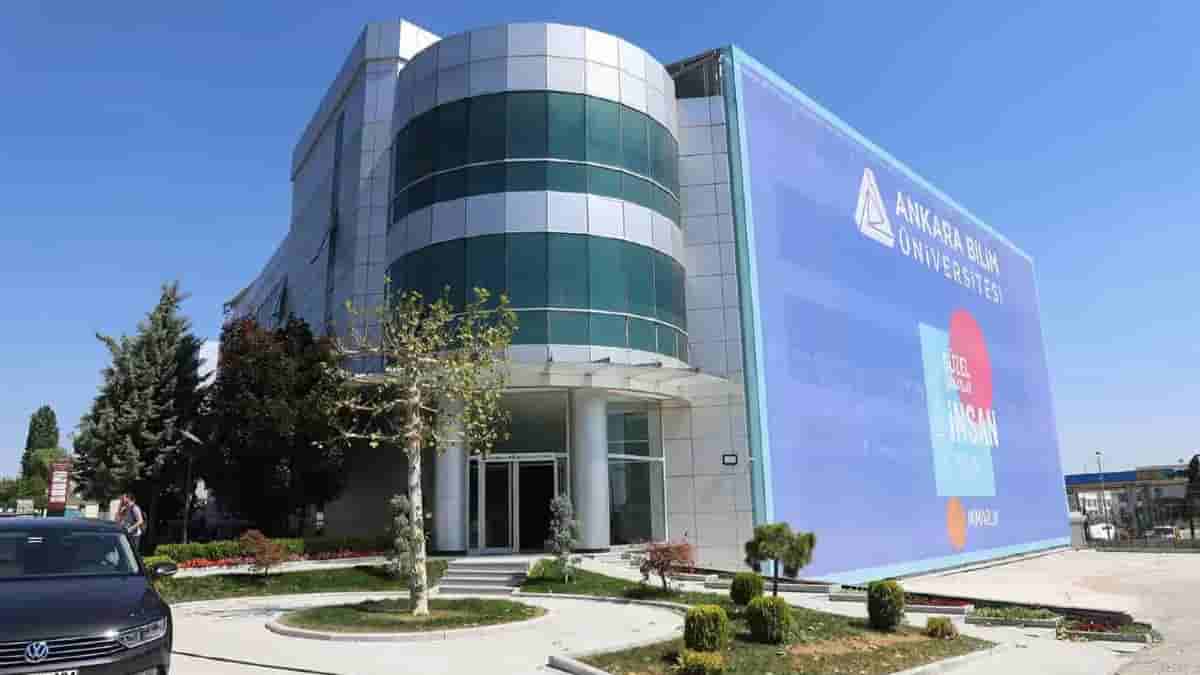 Dormitory
Ankara, Turkey
 Dormitory
Istanbul, Turkey