
FAQs
Frequently Asked Questions and Answers

Agriculture is no longer limited to traditional farming. Today, it includes food technology, sustainable production systems, biotechnology, soil management, and agribusiness. As global demand for food security and environmental sustainability continues to grow, agricultural education has become more strategic than ever. Students are no longer preparing only for farm work. They are preparing for careers in research, food industries, environmental planning, and international agricultural development.
Turkey offers a strong academic environment for this field. With its diverse climate, active farming economy, and long agricultural tradition, the country provides both scientific research opportunities and real field experience. Students study not only in classrooms, but also in research farms, laboratories, and applied training centers, making the learning process practical and industry-connected.

• Turkey has dedicated agricultural faculties across multiple universities
• Programs combine laboratory research with field-based practice
• Students study both traditional agriculture and modern food technologies
• Degrees connect directly to careers in sustainability and global food systems
Rather than listing every institution, it is more useful to focus on foundation universities that offer modern and practice-oriented agricultural or food-related programs:
• Konya Food and Agriculture University – Turkey’s first specialized university fully focused on food and agricultural sciences
• Altınbaş University – applied engineering and food technology programs with laboratory-based learning
• Yaşar University – food engineering and nutrition-related departments with practical facilities
• Yeditepe University – biotechnology and life sciences programs connected to modern agriculture systems
• Özyeğin University – sustainability, environmental sciences, and agribusiness-oriented studies
These institutions focus on applied training, laboratory work, and industry collaboration rather than only theoretical instruction.
Looking at the scale of the sector helps explain its strength:
• 20+ universities offer dedicated agriculture or food science faculties
• 200+ undergraduate and graduate programs available nationwide
• Thousands of students enroll in agricultural majors each year
• Many faculties operate their own farms, laboratories, and research centers
This data shows that agricultural education in Turkey is well-established and supported by practical infrastructure rather than limited to theoretical instruction.

Students in agricultural faculties typically specialize in areas that combine science and real-world application:
• Agricultural engineering
• Plant production and crop science
• Soil science and irrigation systems
• Animal science and livestock management
• Food technology and agribusiness
This variety allows graduates to work in farms, food companies, research institutions, environmental agencies, and international development projects.
Agriculture cannot be mastered only through lectures. Students need to observe production cycles, analyze soil conditions, manage irrigation systems, and understand food processing methods. That is why many Turkish universities integrate fieldwork directly into their programs.
Students often spend time in experimental farms, greenhouses, and applied laboratories. This hands-on experience strengthens technical skills and prepares them for real agricultural challenges. By graduation, many students already have practical exposure that aligns with industry needs.
• Access to real farming and production environments
• Strong connection between universities and agricultural industries
• Modern laboratories and applied research centers
• Diverse regional climate supporting different agricultural studies
This combination makes Turkey a practical and realistic choice for students who want a career connected to food systems and sustainability.

Getting accepted is only the first step. Students still need to manage applications, documentation, accommodation, and settling into a new city. Small delays or missing information can quickly create unnecessary stress.
That’s why StudyLeo provides structured support beyond admissions. From consultation and university matching to arrival guidance, every step is organized so students can focus fully on their academic goals instead of administrative details.

Agricultural universities in Turkey offer more than classroom-based education. They combine science, technology, and real-world practice in a country where agriculture remains a vital economic sector. Students graduate with both theoretical knowledge and practical experience that prepares them for modern food and sustainability challenges. With proper planning and guidance from platforms like StudyLeo, choosing the right agricultural university becomes a confident and strategic step toward a meaningful career.
Frequently Asked Questions and Answers
Look out blogs and aware of the latest trends and updates
Explore top universities offering quality education, modern facilities, and diverse academic opportunities for students worldwide






 Dormitory
Ankara, Turkey
 Dormitory
Istanbul, Turkey
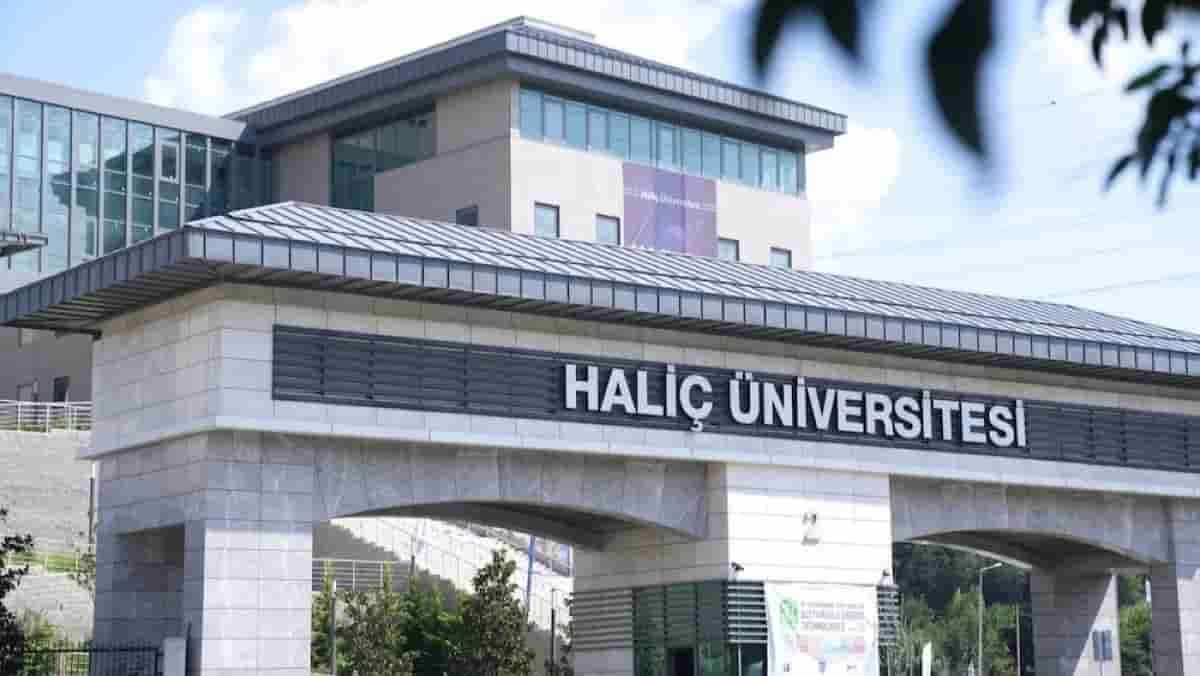 Dormitory
Istanbul, Turkey
 Dormitory
Istanbul, Turkey
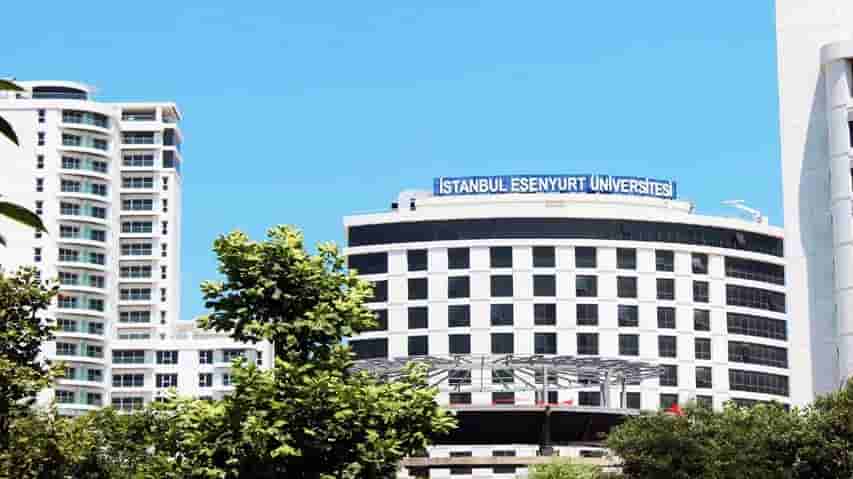 Dormitory
Istanbul, Turkey
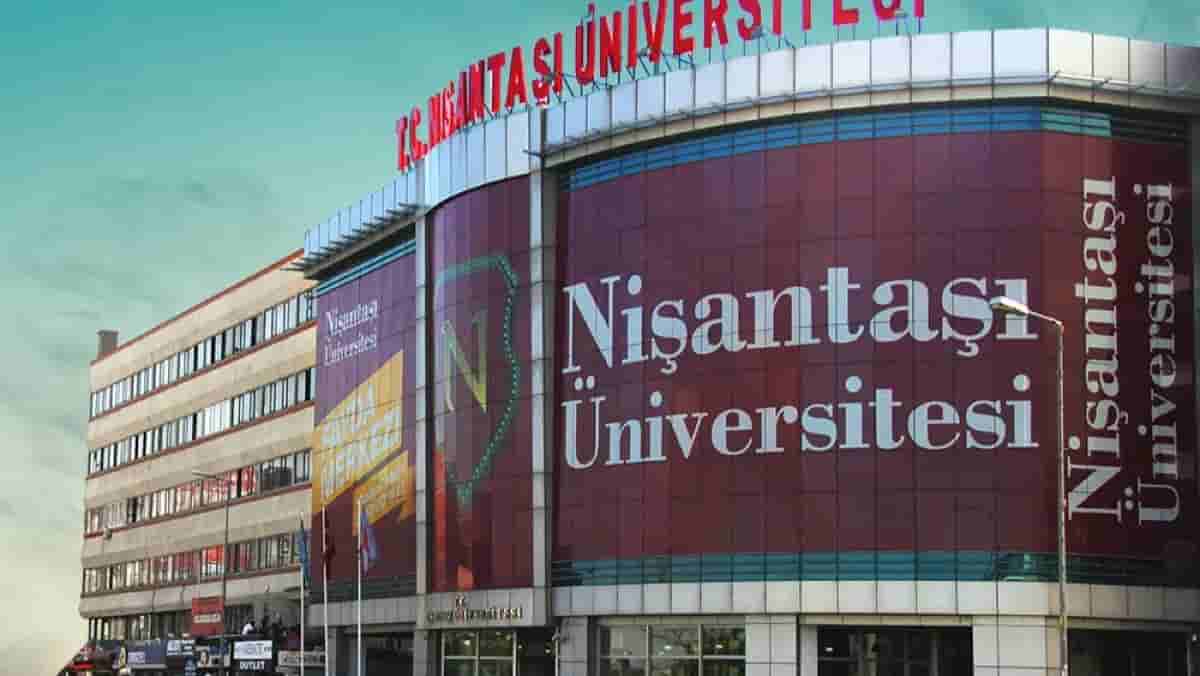 Dormitory
Istanbul, Turkey
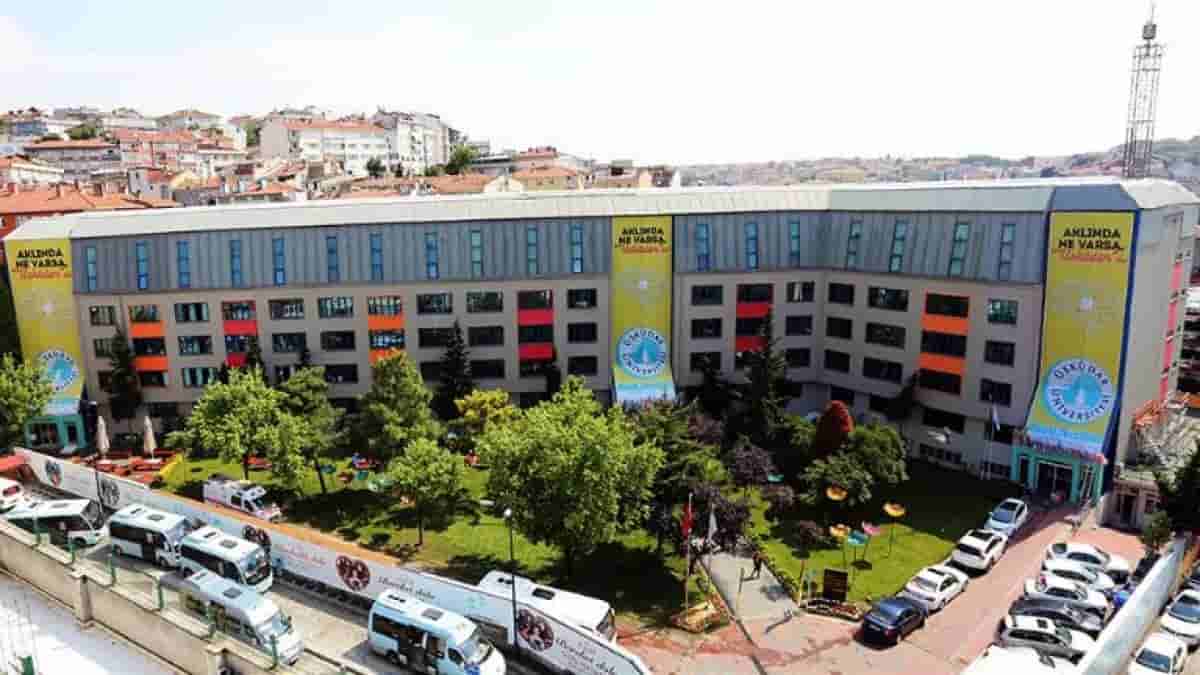 Dormitory
Istanbul, Turkey
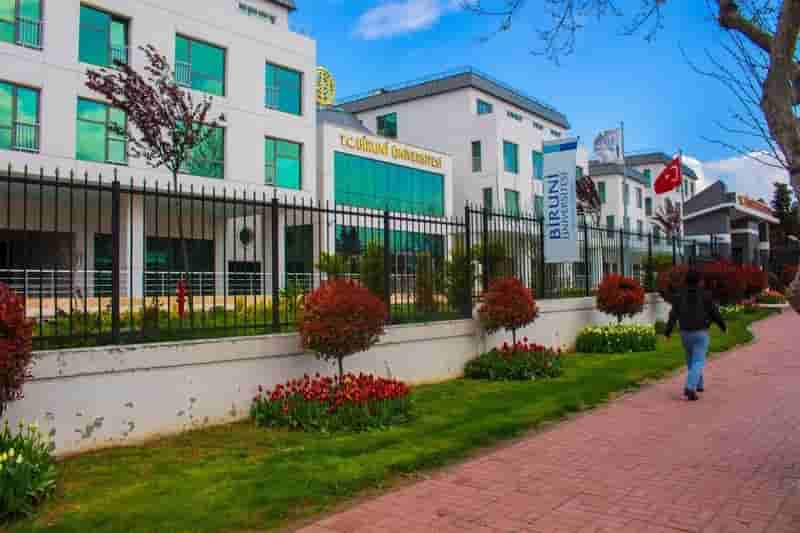 Dormitory
Istanbul, Turkey
 Dormitory
Istanbul, Turkey
 Dormitory
Istanbul, Turkey
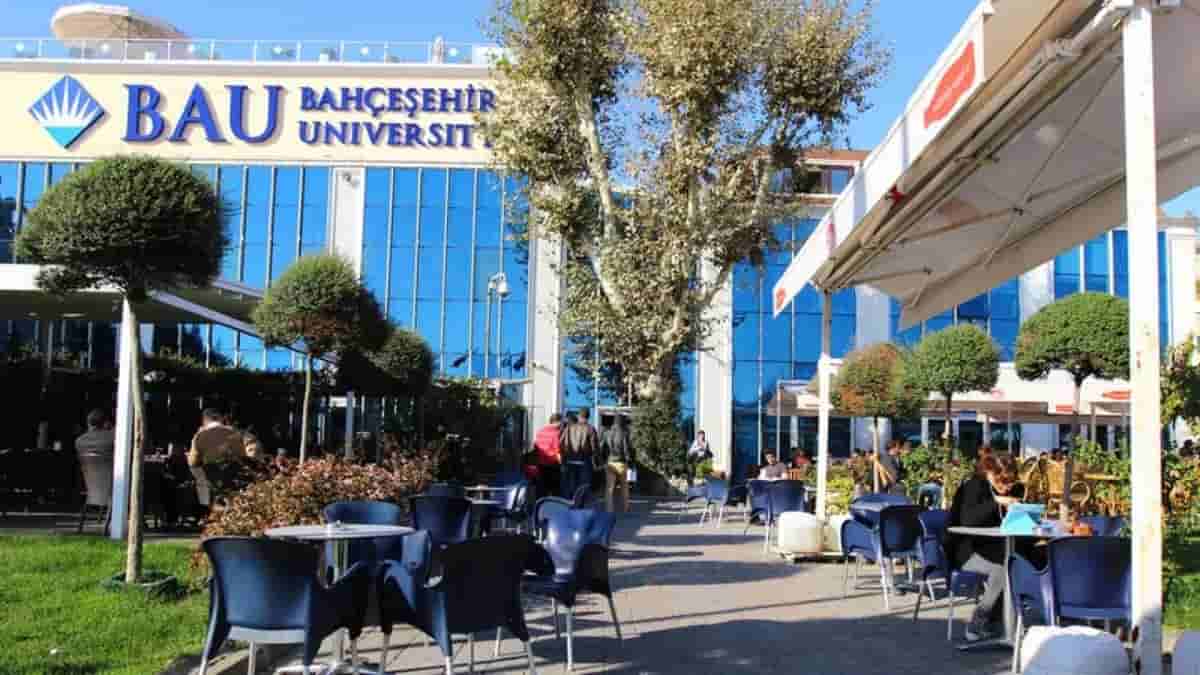 Dormitory
Istanbul, Turkey
 Dormitory
Istanbul, Turkey
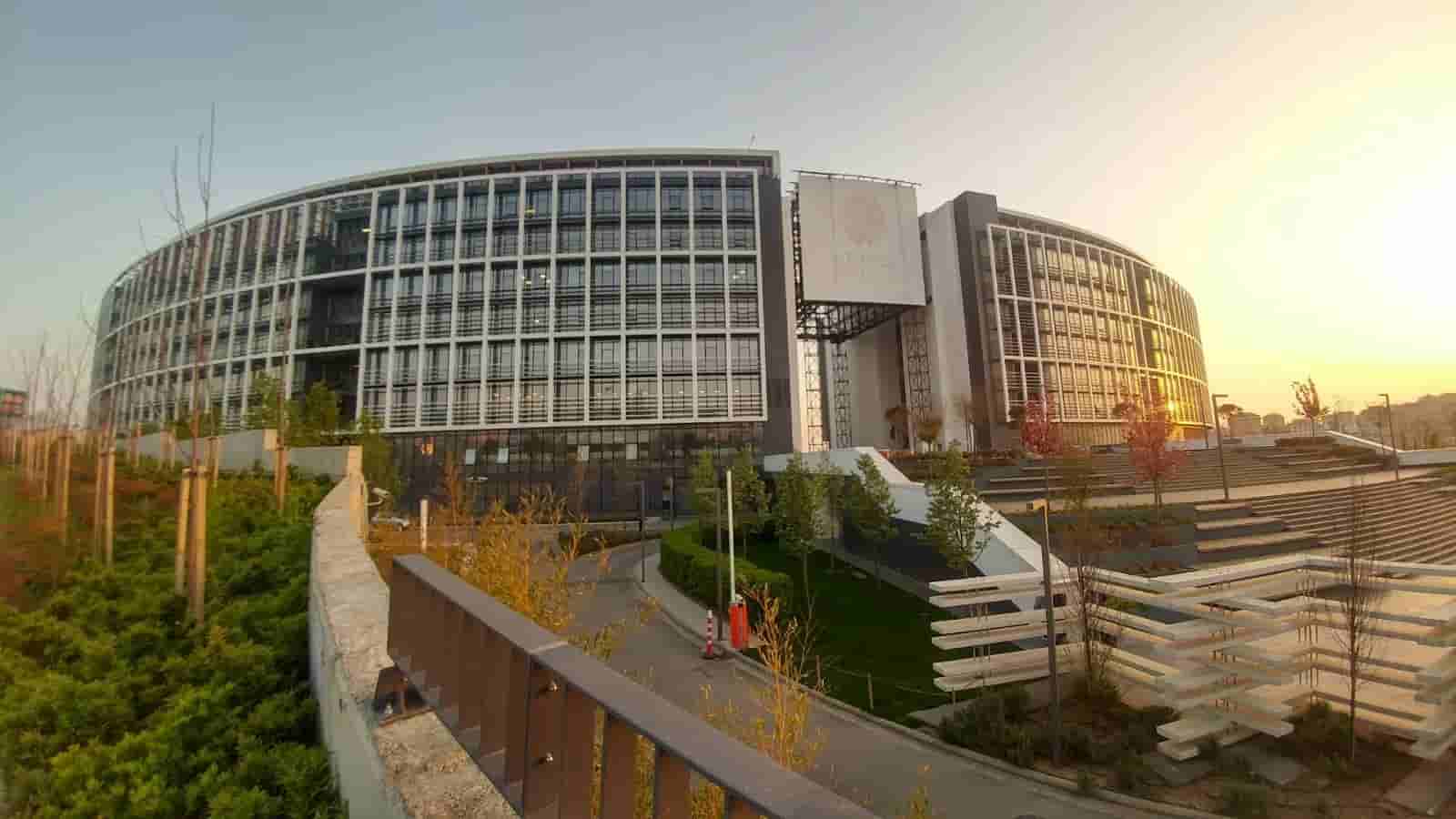 Dormitory
Istanbul, Turkey
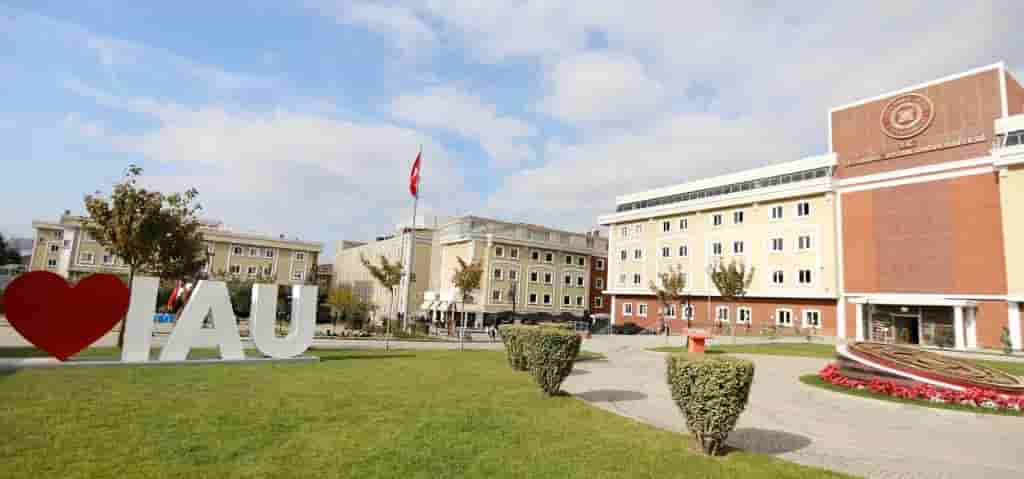 Dormitory
Istanbul, Turkey
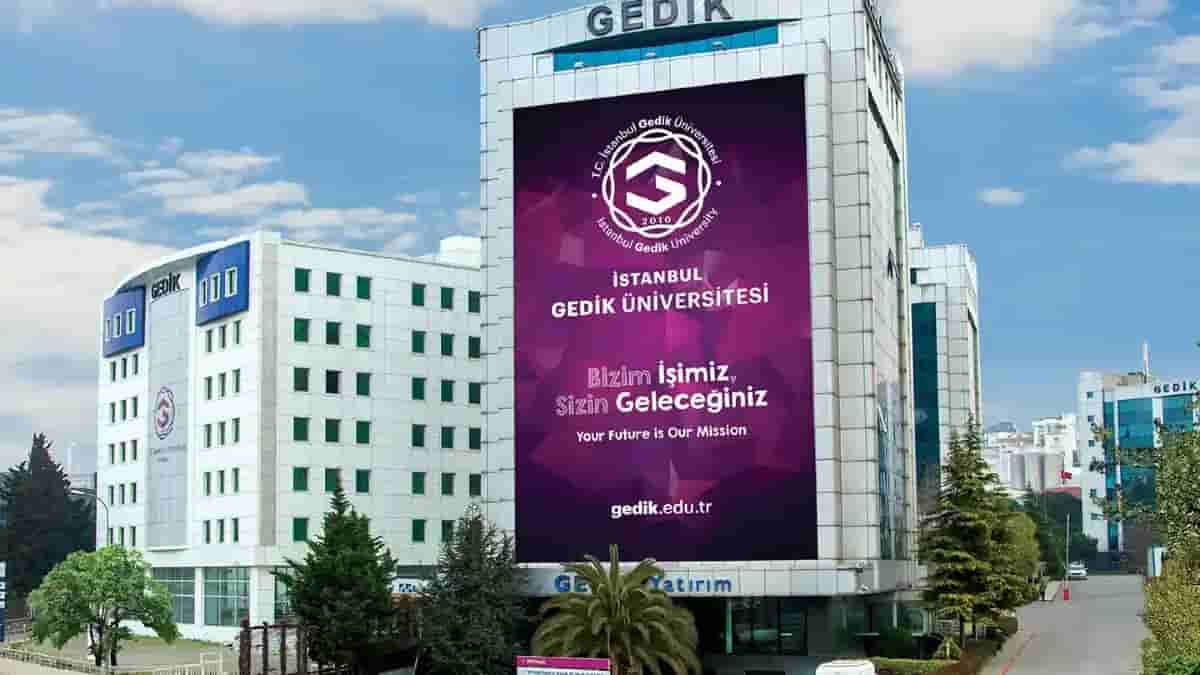 Dormitory
Istanbul, Turkey
 Dormitory
Istanbul, Turkey
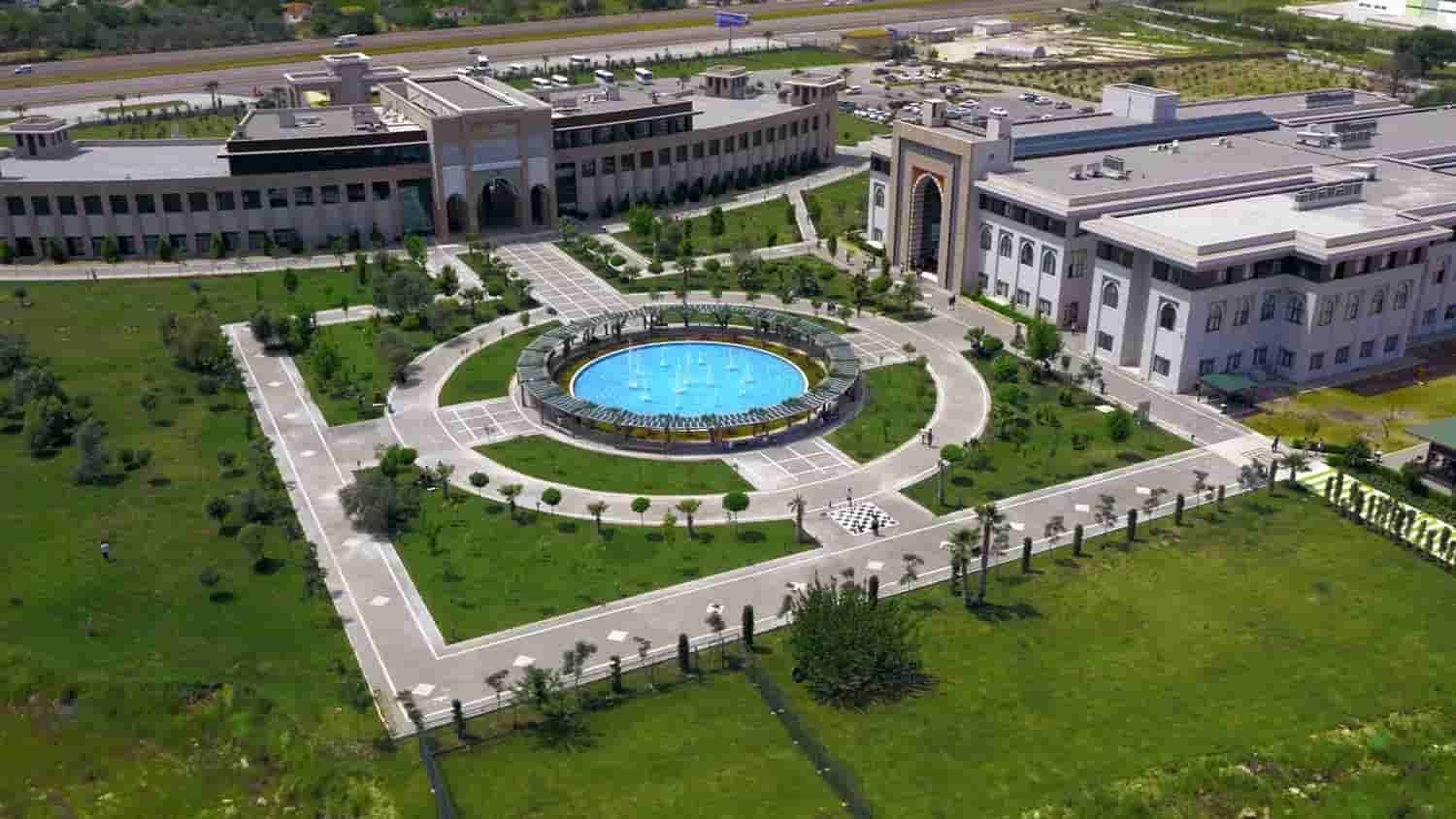 Dormitory
Antalya, Turkey
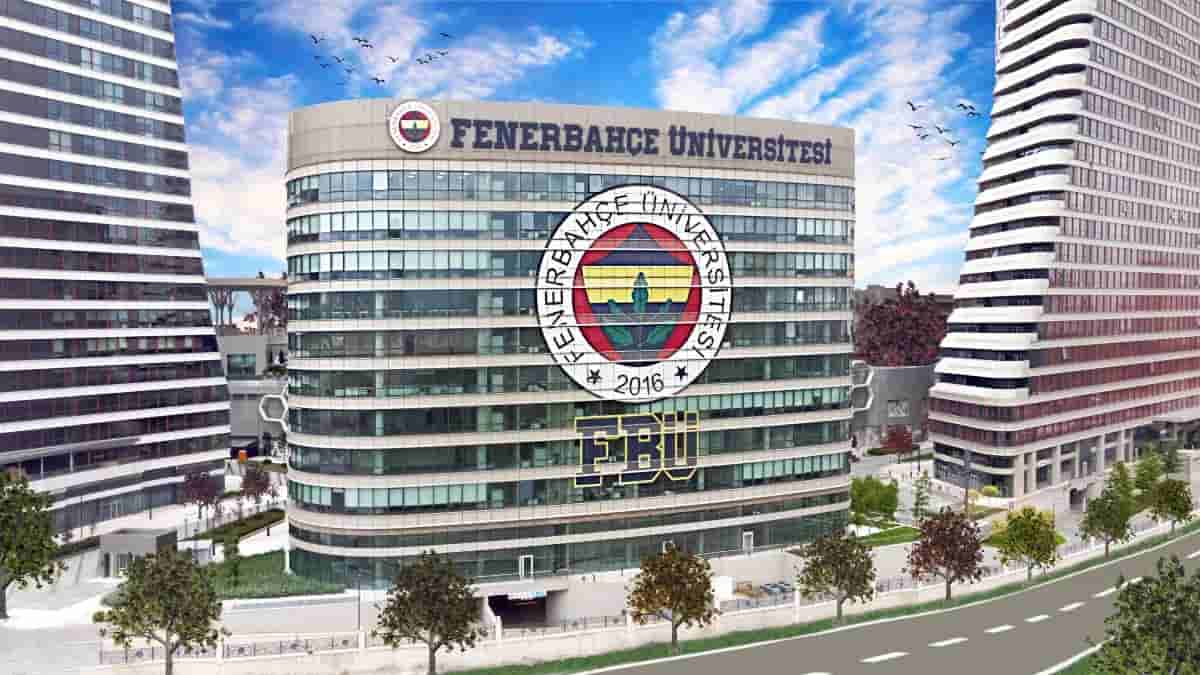 Dormitory
Istanbul, Turkey
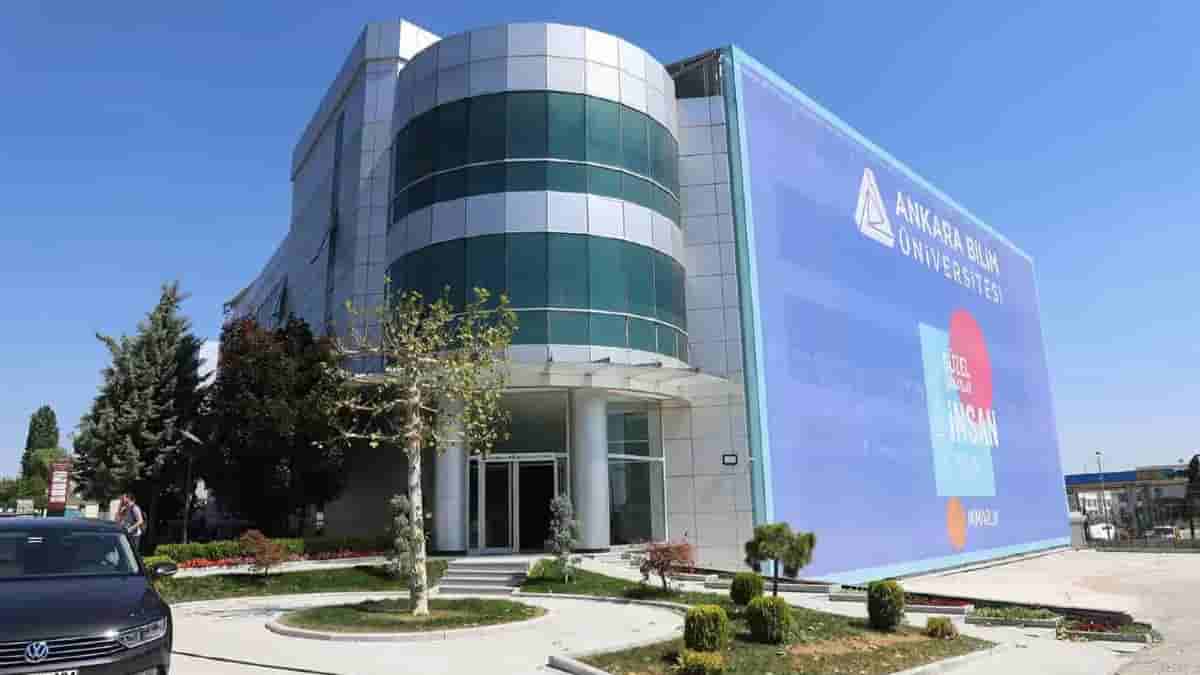 Dormitory
Ankara, Turkey
 Dormitory
Istanbul, Turkey