

FAQs
Frequently Asked Questions and Answers

Choosing the best agriculture university in Turkey is a strategic education decision tied to academic quality, long term career outcomes, and sector relevance rather than a simple study abroad experience. Many students and families struggle with unclear information, inconsistent advice, and sources that oversimplify the process or hide real requirements.
Agriculture programs in Turkey are aligned with applied learning and regional industry needs
Private universities offer flexible admission pathways and predictable costs
Living and tuition expenses are transparent when planned realistically
Career outcomes depend on language preparation and academic fit
Centralized guidance reduces application errors and delays
Agricultural education in Turkey is shaped by applied sciences, sustainability, food systems, and agribusiness management. Programs emphasize practical coursework, laboratory exposure, and industry aligned curricula rather than purely theoretical study.
Many institutions design agriculture programs to respond to regional climate, food production, and technology needs.
Students choose Turkey for agriculture due to its geographic diversity, strong food production base, and growing emphasis on modern agricultural technologies.
Another factor is institutional flexibility, where international students face fewer structural barriers and clearer admission processes.

Agriculture programs in Turkey suit students interested in applied sciences, agribusiness, food systems, and sustainability careers. It is especially relevant for those seeking practical exposure alongside academic training.
Students expecting purely research focused or highly specialized niche programs may need careful program selection.
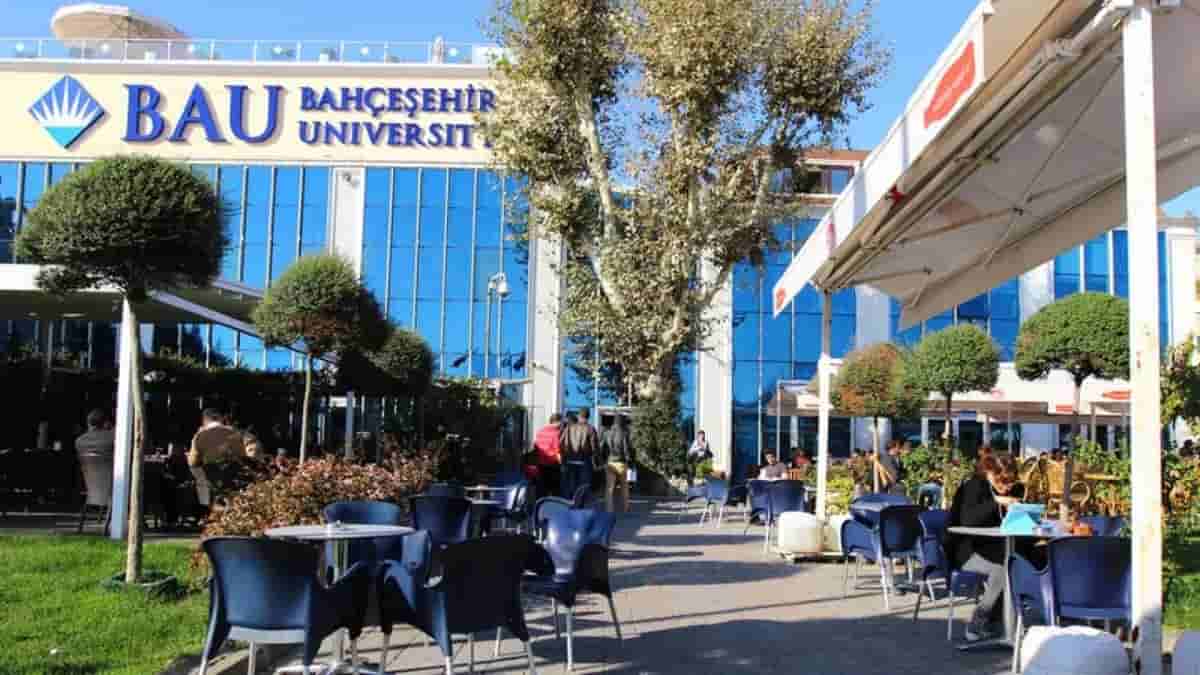
Several well established institutions offer agriculture or food related programs with strong academic infrastructure. Examples include Konya Gida ve Tarim Universitesi, Yeditepe Universitesi, and Bahcesehir Universitesi.
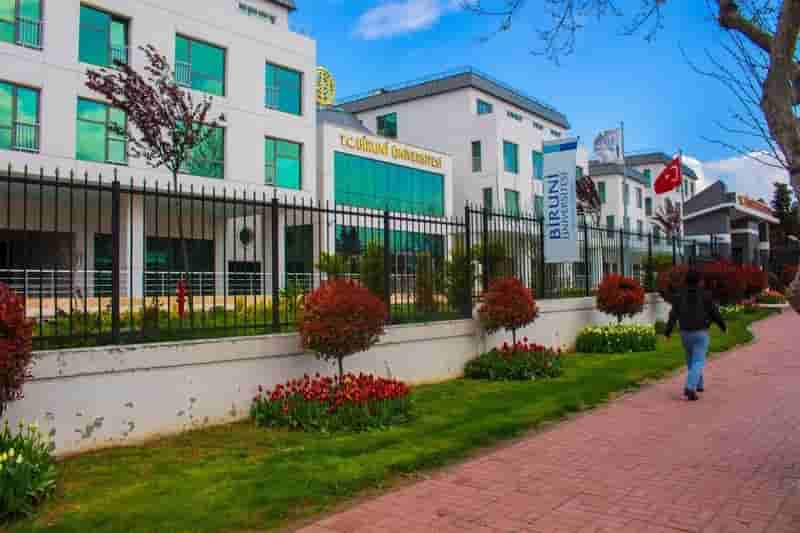
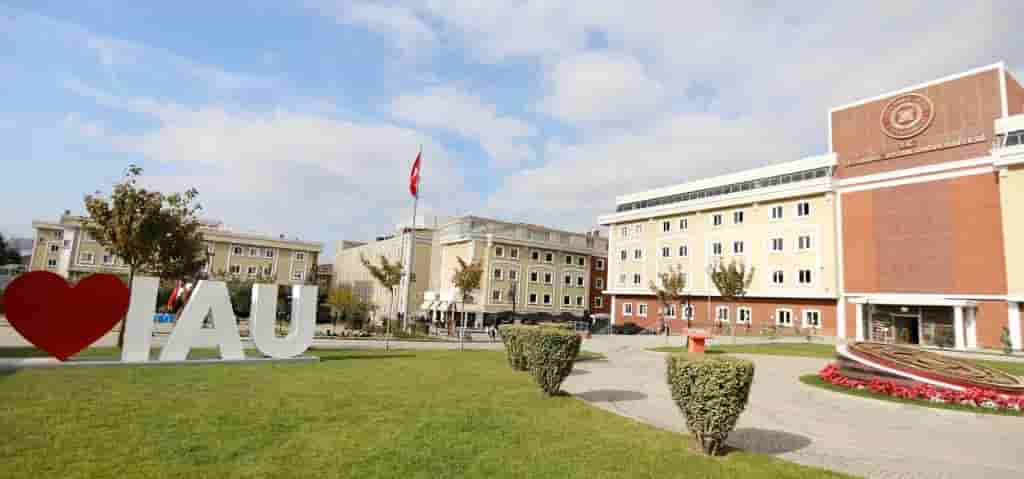
Other institutions such as Istanbul Aydin Universitesi and Ozyegin Universitesi integrate agriculture with food technology, management, or environmental studies, expanding interdisciplinary career options.
Admission is based on academic background, document evaluation, and program relevance rather than competitive ranking systems.
Eligibility standards are realistic and transparent, making planning easier for families. Students benefit from early document preparation and clear understanding of program specific expectations.

Most agriculture programs are offered in English or Turkish depending on the institution. Students must realistically assess their language level before enrollment to avoid academic difficulty later.
Language preparation is part of academic readiness, not a formality. Strong comprehension improves laboratory work, reporting, and participation in applied coursework central to agriculture studies.

Tuition fees for agriculture related programs typically range between 3000 and 9000 USD per year depending on the institution and degree level.
Living expenses vary by city but average between 400 and 700 USD per month including accommodation, food, and transportation.
Graduates pursue careers in agribusiness, food production, quality control, sustainability consulting, and agricultural management.
Career outcomes improve when students combine academic training with language proficiency and practical experience. Long term planning matters more than short term cost savings.

Choosing based only on cost without evaluating program relevance or outcomes, which limits career flexibility Ignoring language readiness, leading to academic stress and delayed progress
Relying on unofficial sources that provide incomplete or incorrect requirements
Missing application deadlines due to poor timeline planning
Underestimating living expenses, creating financial pressure during studies
After these mistakes, students are encouraged to apply through StudyLeo rather than navigating institutions individually. StudyLeo offers free registration, free transfer assistance, and free visa support, supported by direct partnerships with universities. This centralized approach reduces errors, shortens processing time, and ensures accurate communication without service fees.
Step one is defining the study level and agriculture focus area based on career goals.
Step two involves selecting suitable institutions and confirming language readiness.
Step three is document preparation and verification.
Step four is application submission through StudyLeo.
Step five is acceptance, visa preparation, and accommodation planning.
Typical timelines range from four to six months from research to enrollment, depending on document readiness and intake period.
Studying agriculture abroad is a long term academic and professional investment rather than a short term relocation choice. When matched with the right student profile, the best agriculture university in Turkey offers practical education, realistic costs, and clear career direction.
Frequently Asked Questions and Answers
Look out blogs and aware of the latest trends and updates
Explore top universities offering quality education, modern facilities, and diverse academic opportunities for students worldwide






 Dormitory
Ankara, Turkey
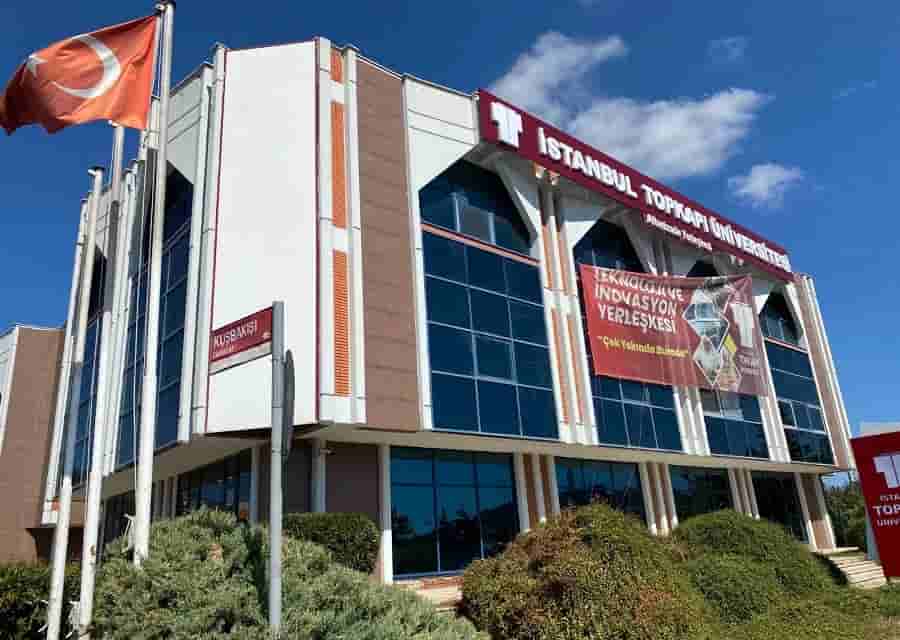 Dormitory
Istanbul, Turkey
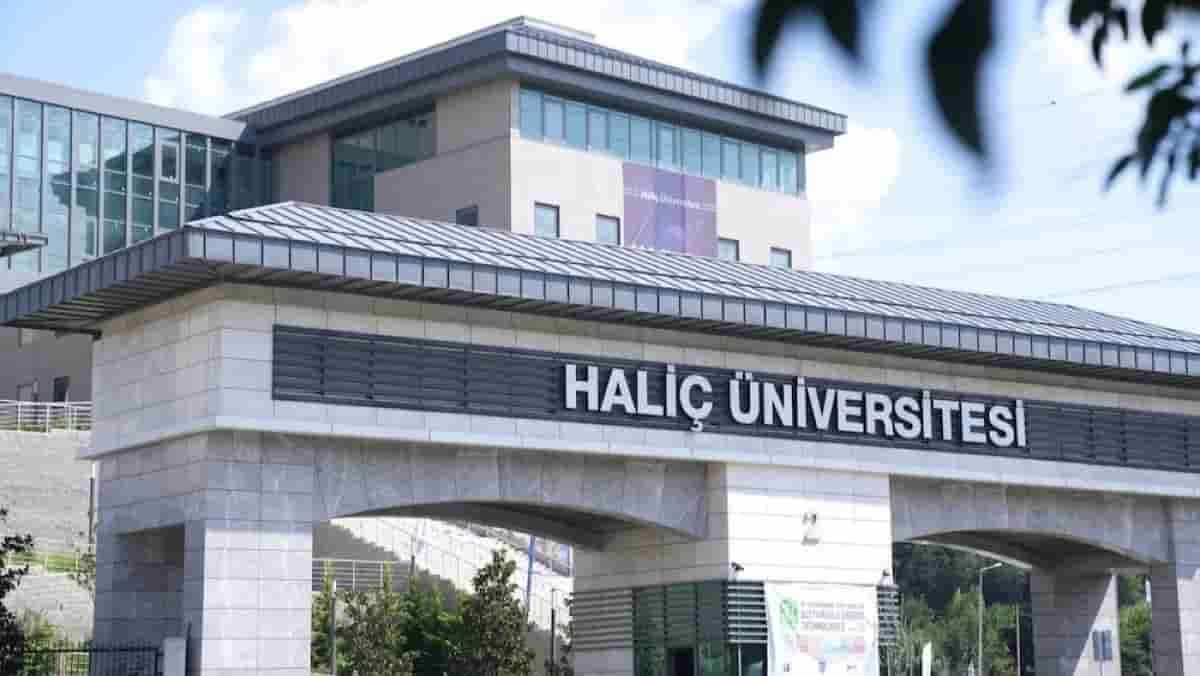 Dormitory
Istanbul, Turkey
 Dormitory
Istanbul, Turkey
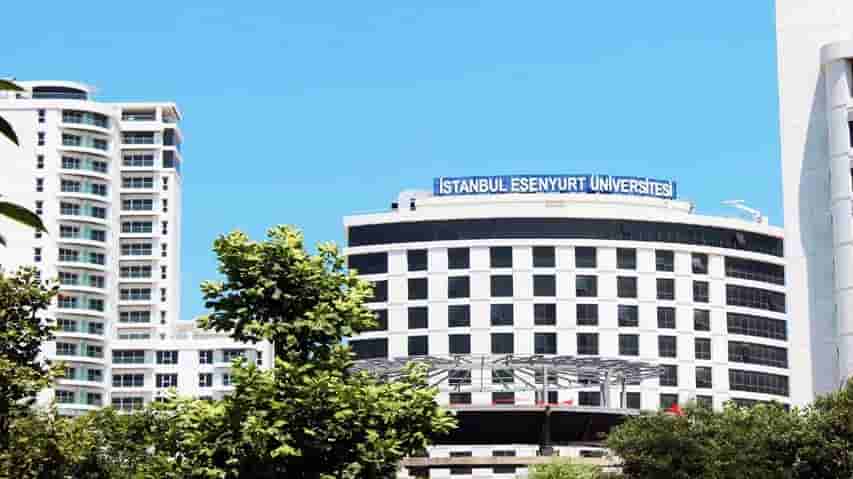 Dormitory
Istanbul, Turkey
 Dormitory
Istanbul, Turkey
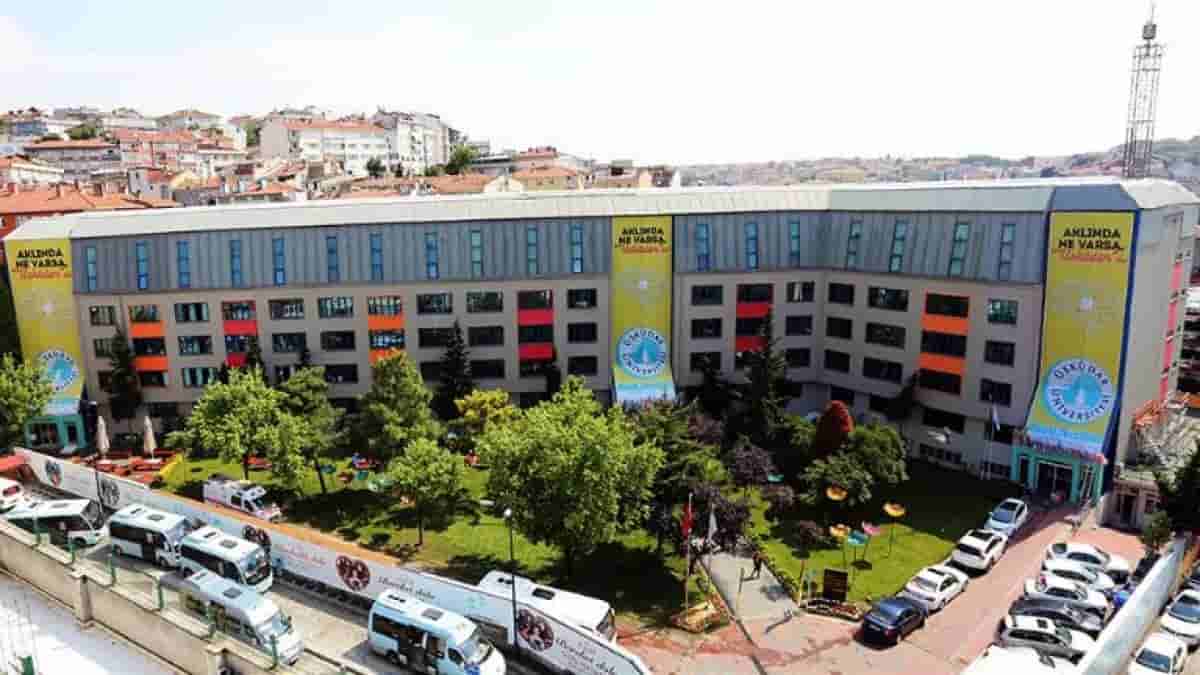 Dormitory
Istanbul, Turkey
 Dormitory
Istanbul, Turkey
 Dormitory
Istanbul, Turkey
 Dormitory
Istanbul, Turkey
 Dormitory
Istanbul, Turkey
 Dormitory
Istanbul, Turkey
 Dormitory
Istanbul, Turkey
 Dormitory
Istanbul, Turkey
 Dormitory
Istanbul, Turkey
 Dormitory
Istanbul, Turkey
 Dormitory
Antalya, Turkey
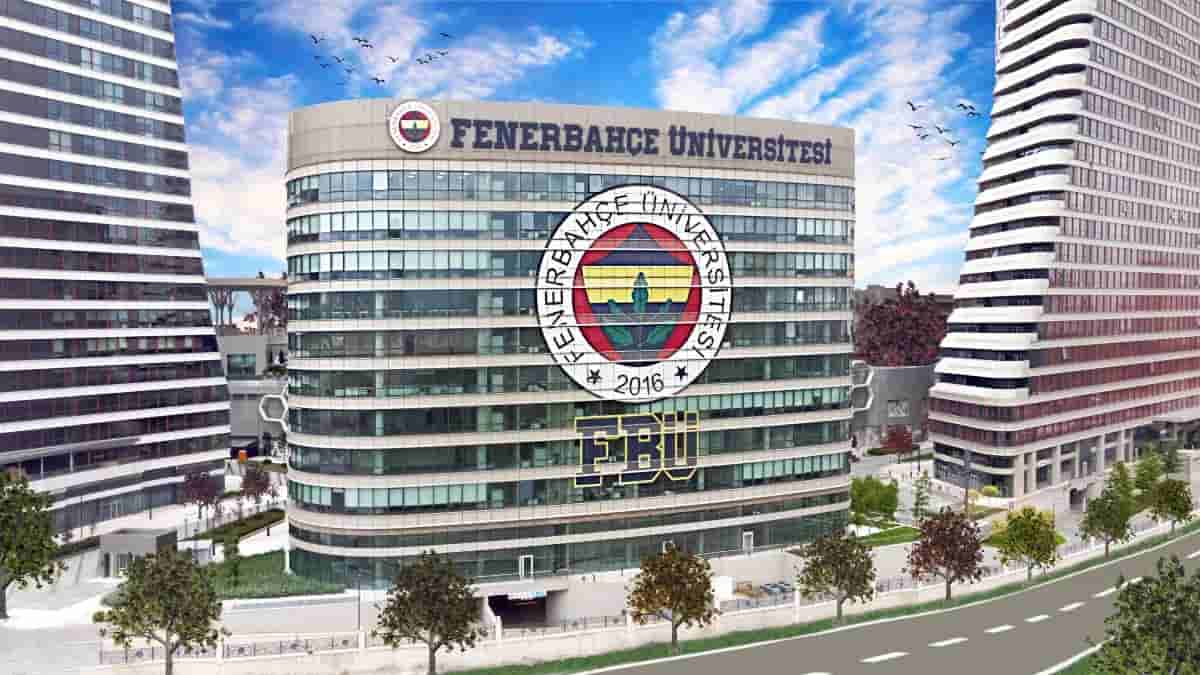 Dormitory
Istanbul, Turkey
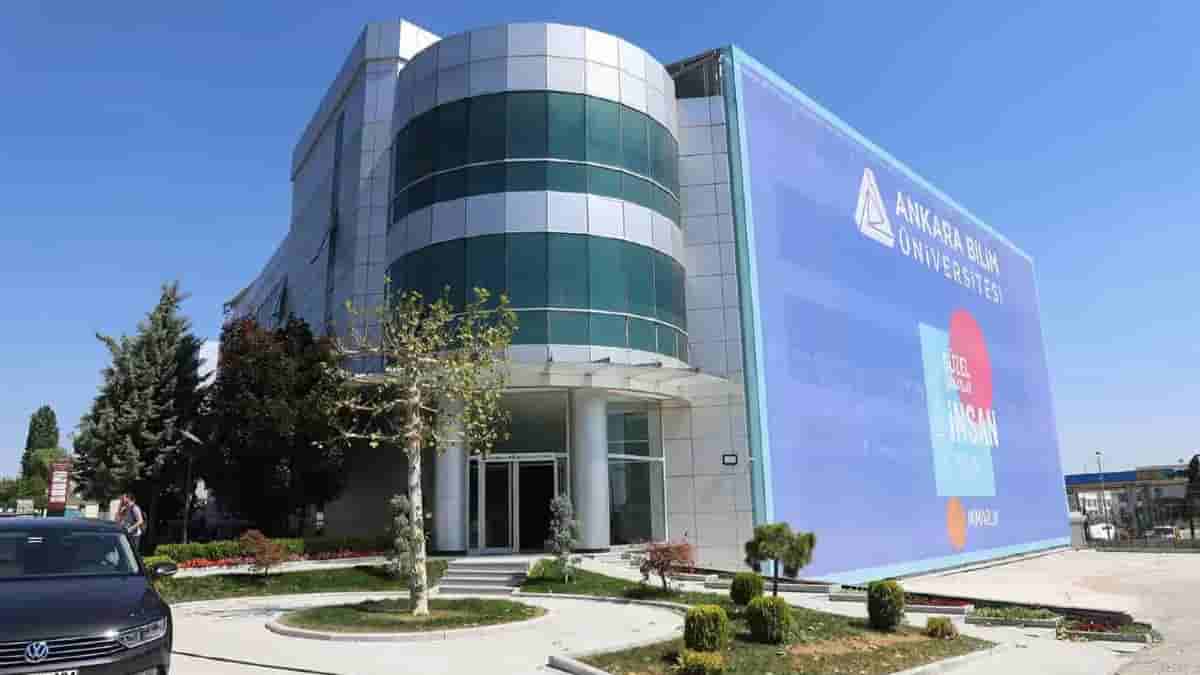 Dormitory
Ankara, Turkey
 Dormitory
Istanbul, Turkey