
FAQs
Frequently Asked Questions and Answers

More than 300,000 international students choose Turkey each year, yet a significant portion struggle with daily communication during their first semester. The issue is not access to education but the lack of structured language preparation and clear guidance. Many students rely on fragmented information and underestimate how essential Turkish is beyond the classroom. A well-planned Turkish language course provides not only communication skills but also academic and social stability.
Turkish language courses directly impact academic performance and daily life adaptation
Programs vary in intensity, duration, and academic integration
Strong language skills improve internship and part-time work opportunities
Admission is accessible, but consistency in learning determines outcomes
Costs and duration are predictable, allowing structured planning
Learning Turkish offers numerous academic, professional, and personal advantages. Below are some key reasons why Turkish is worth learning:
Academic Access: Many Turkish universities offer high-quality programs taught fully in Turkish, especially in medicine, engineering, and social sciences.
Cultural Integration: Knowing the language allows students to adapt faster to Turkish society and understand local traditions.
Career Opportunities: Turkish is spoken in multiple regions, creating job opportunities in education, trade, tourism, and diplomacy.
Daily Life Convenience: From housing to transportation, Turkish proficiency makes everyday life significantly easier.
Scholarship Opportunities: Many government and university scholarships prioritize or require Turkish language skills.

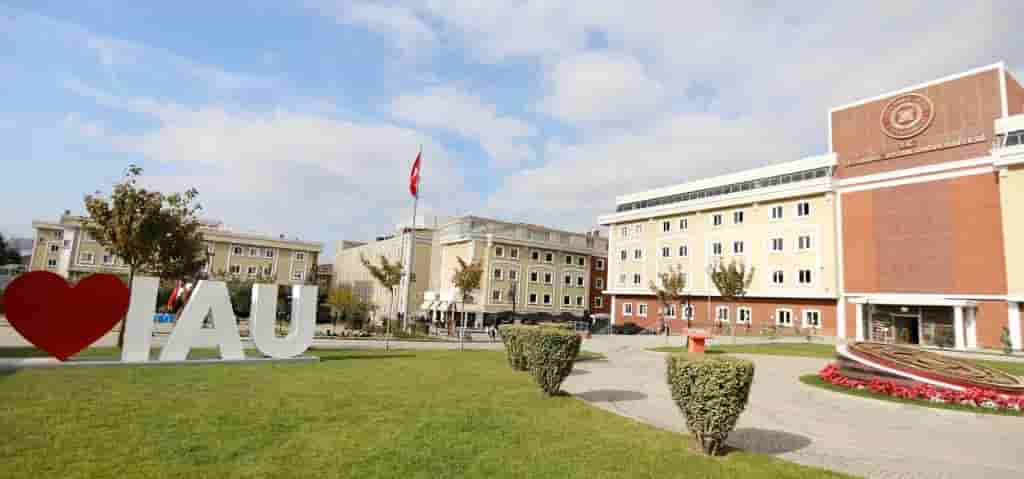
Several private universities in Turkey offer Turkish-taught programs alongside structured language preparation. Istanbul Aydın University and Başkent University are known for integrating language courses with degree pathways, allowing students to continue their studies within the same institution.
Istanbul Beykent University and Istanbul Gelisim University provide strong academic environments where Turkish is widely used in both coursework and campus life. These institutions emphasize practical communication and academic readiness.
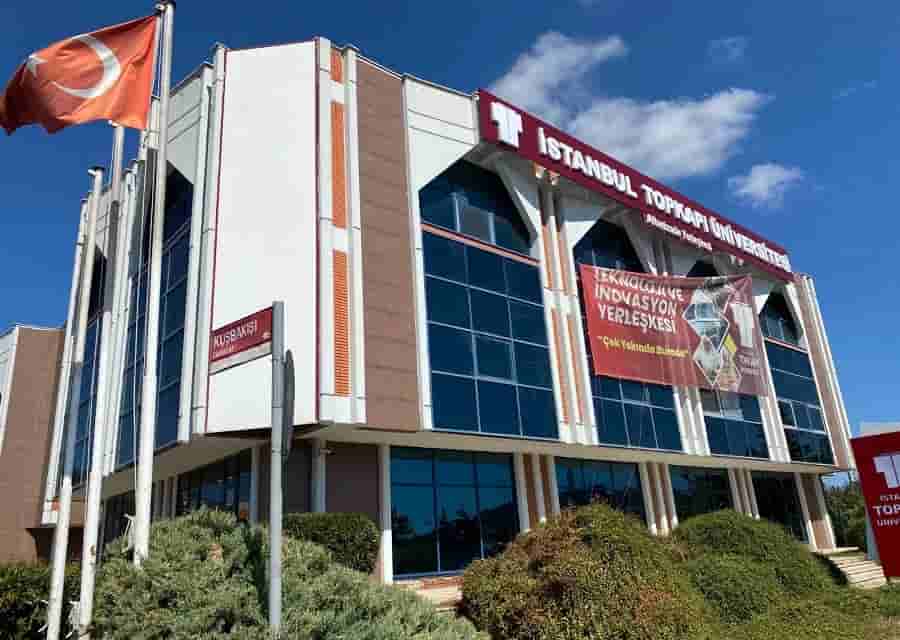
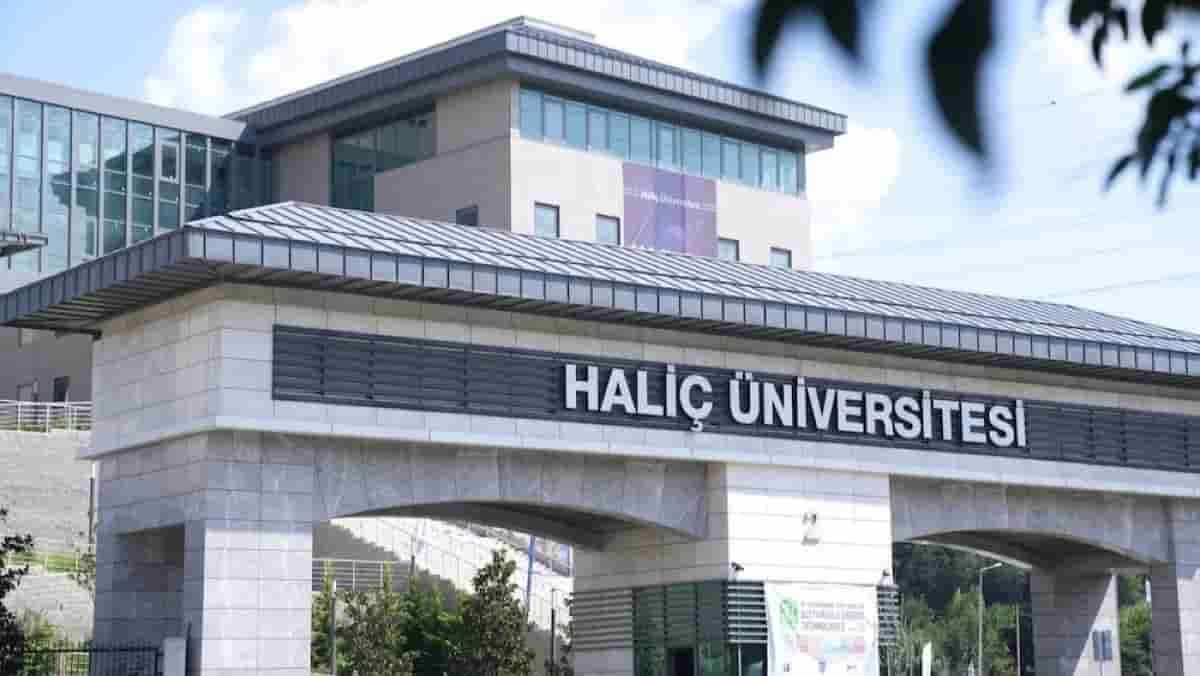
Other options such as Istanbul Kultur University, Haliç University, Istanbul Arel University offer diverse program portfolios with Turkish-medium instruction across multiple faculties. Program choice should be aligned with long-term academic goals rather than short-term convenience.
Knowing Turkish provides students with long-term advantages beyond education:
Easier access to employment opportunities
Stronger social connections and networking
Better understanding of Turkish culture and traditions
Increased confidence in daily communication
Improved chances of long-term residence or career growth in Turkey
Language skills transform the student experience from basic survival to full participation in society.
Choosing to study a Turkish language course is a smart and strategic investment for international students who plan to study in Turkey. Turkish language proficiency goes beyond meeting university admission requirements; it plays a key role in ensuring academic success and personal growth. Students who learn Turkish gain access to a wider variety of academic programs, many of which are offered at more affordable tuition fees compared to English-taught programs. This provides greater flexibility when selecting a university and field of study.
Turkish language courses are structured across levels from A1 to C1, aligned with international standards. Early levels focus on grammar and basic communication, while higher levels introduce academic vocabulary and formal writing.
Programs are offered in intensive and standard formats. Intensive courses typically run 20–30 hours per week and allow faster progression, while standard programs provide flexibility with a longer timeline. Many institutions incorporate speaking practice, presentations, and real-life simulations to strengthen practical usage.
Universities often integrate language training with future academic pathways, allowing students to transition smoothly into degree programs once the required level is achieved.
Underestimating fluency requirements
Many students assume basic conversational Turkish is enough. Academic environments require structured writing, presentations, and subject-specific vocabulary.
Choosing based only on duration
Shorter programs may seem efficient, but intensive formats demand full-time commitment. Selecting the wrong structure often leads to incomplete progress.
Delaying language preparation
Starting after arrival creates avoidable challenges in housing, administration, and daily communication. Early preparation reduces pressure during the first semester.
Lack of consistency in learning
Progress depends on regular practice. Irregular attendance and limited exposure slow down development significantly.
No alignment with future academic plans
Language courses should match long-term study goals. Students planning Turkish-taught degrees need a higher level compared to those studying in English.
Planning Approach
Start preparation at least 3–6 months in advance
Define your target level based on future studies
Choose between intensive or standard programs based on your schedule
Ensure your documents and timeline are ready before application
Use a centralized platform like StudyLeo to manage selection and application efficiently
Choosing to study a Turkish language course is a long-term investment in both academic success and daily life stability in Turkey. Students who build strong language skills early experience fewer barriers, adapt faster, and engage more effectively in both academic and professional environments.
This decision should be approached with clear planning, realistic timelines, and alignment with future study goals. The right program is not defined by speed alone but by how well it prepares students for real academic and social demands. A structured and informed approach ensures that language learning becomes a strong advantage rather than a challenge during the study abroad journey.
Frequently Asked Questions and Answers
Look out blogs and aware of the latest trends and updates
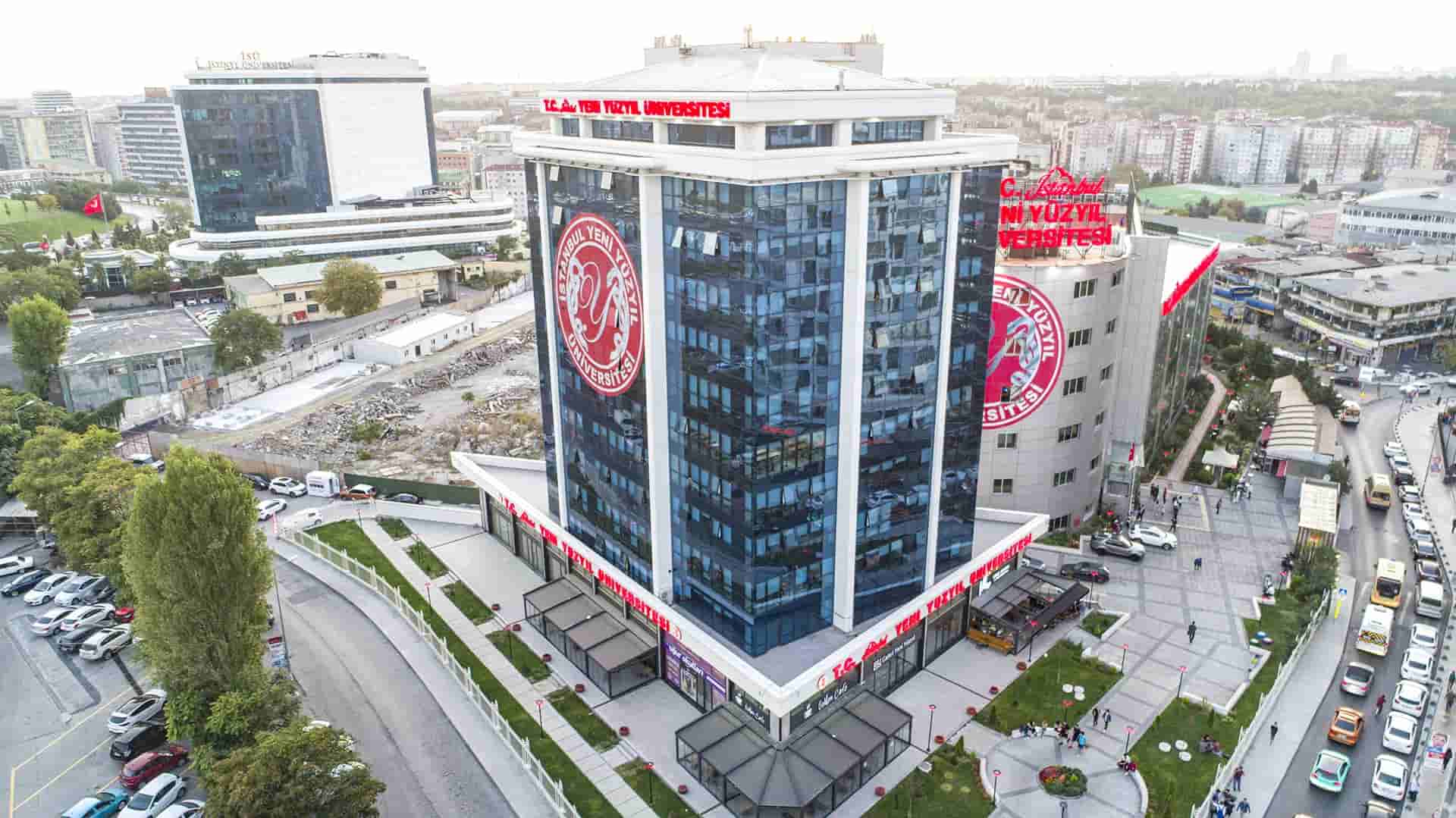
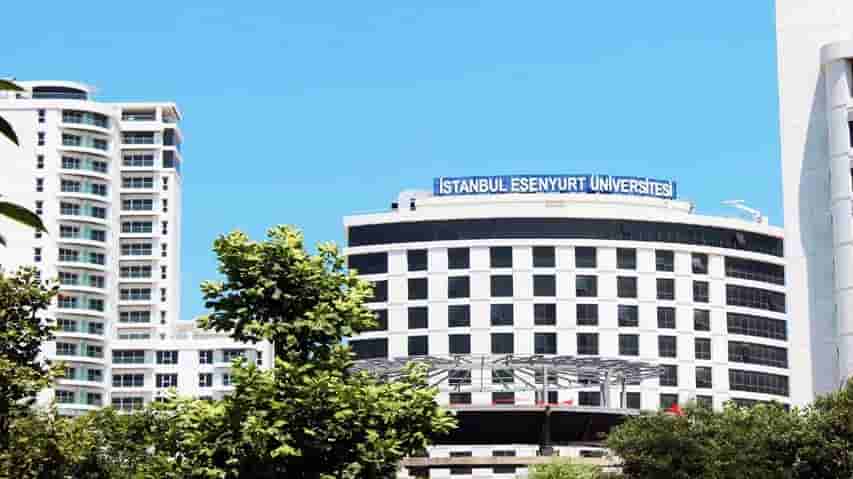
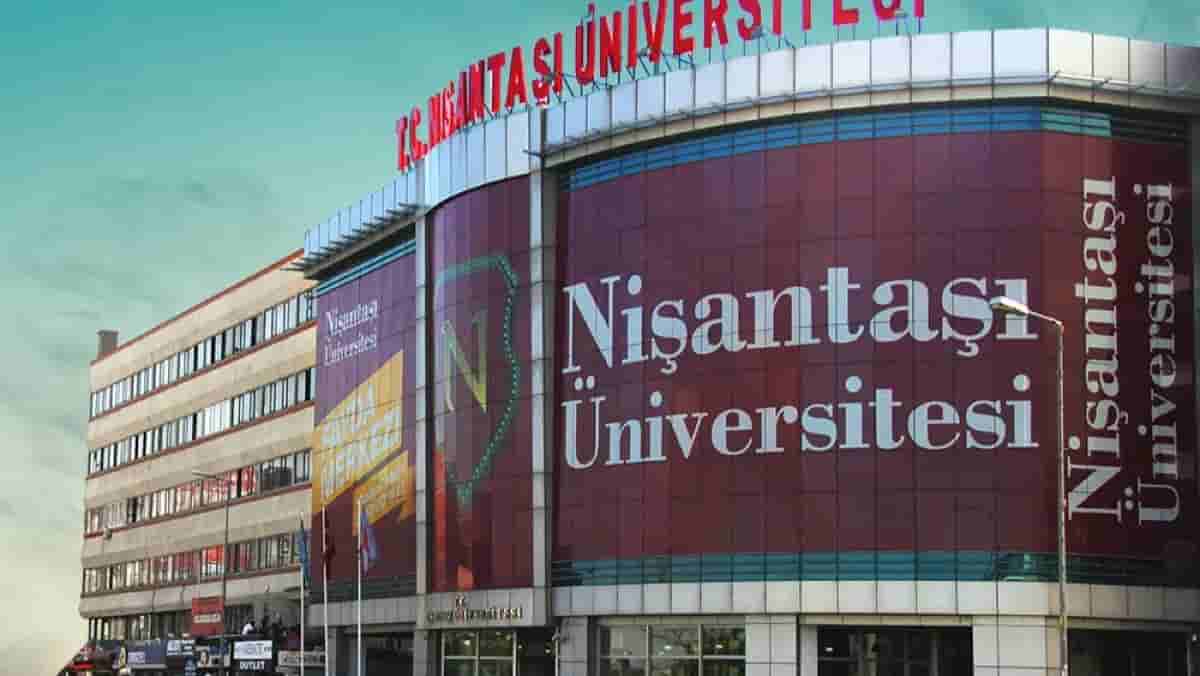
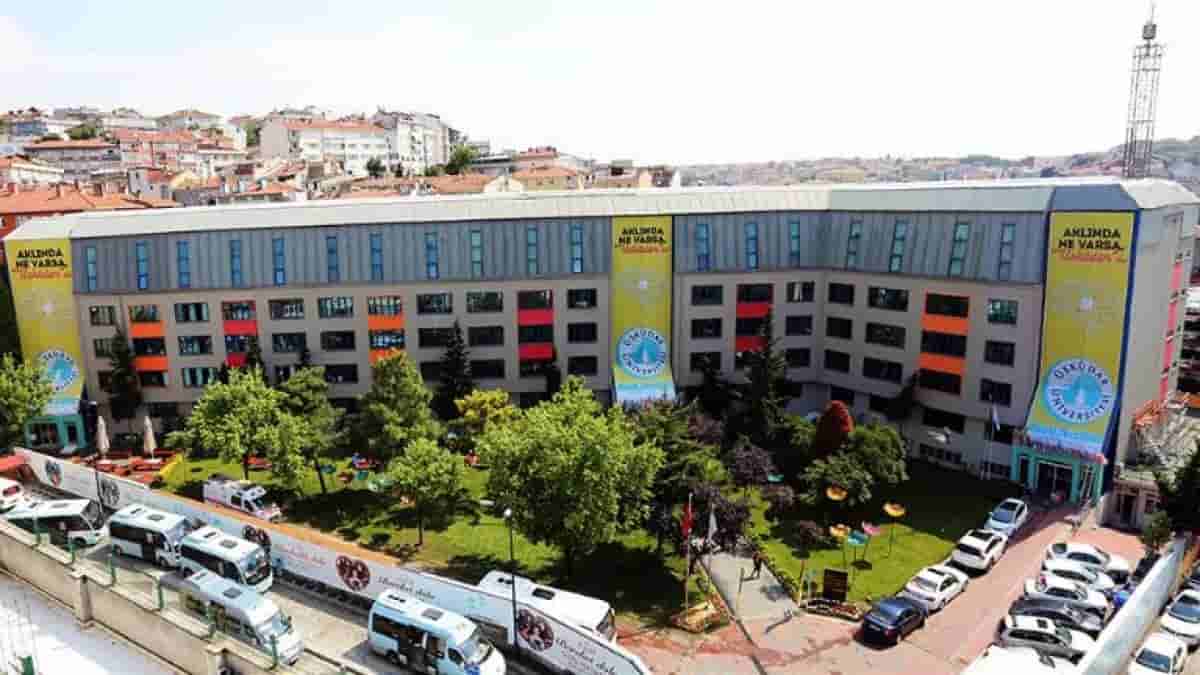
Explore top universities offering quality education, modern facilities, and diverse academic opportunities for students worldwide




 Dormitory
Ankara, Turkey
 Dormitory
Istanbul, Turkey
 Dormitory
Istanbul, Turkey
 Dormitory
Istanbul, Turkey
 Dormitory
Istanbul, Turkey
 Dormitory
Istanbul, Turkey
 Dormitory
Istanbul, Turkey
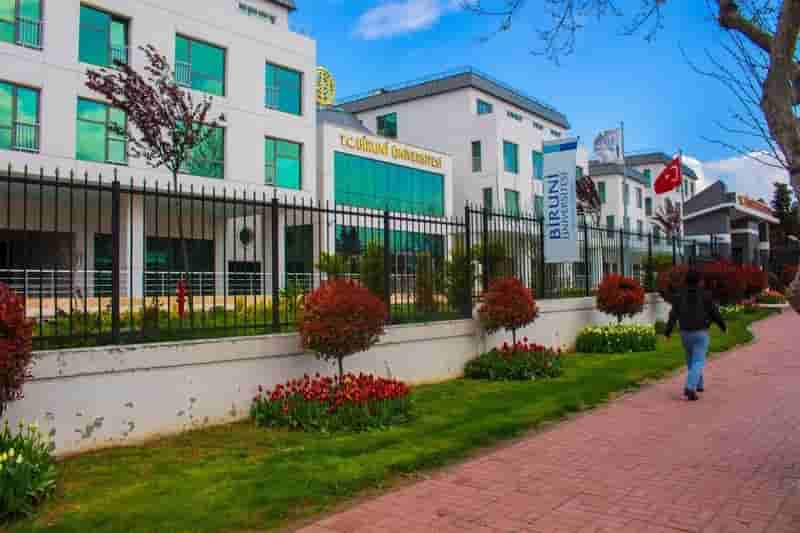 Dormitory
Istanbul, Turkey
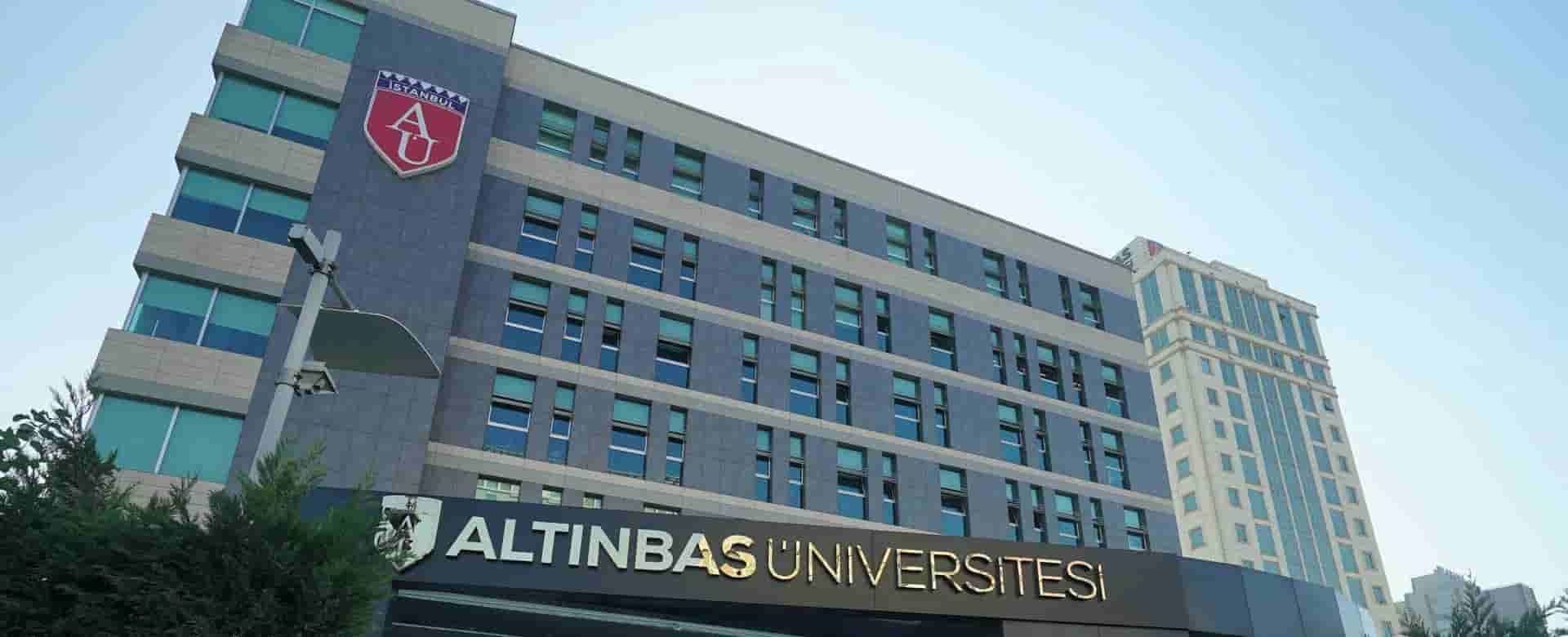 Dormitory
Istanbul, Turkey
 Dormitory
Istanbul, Turkey
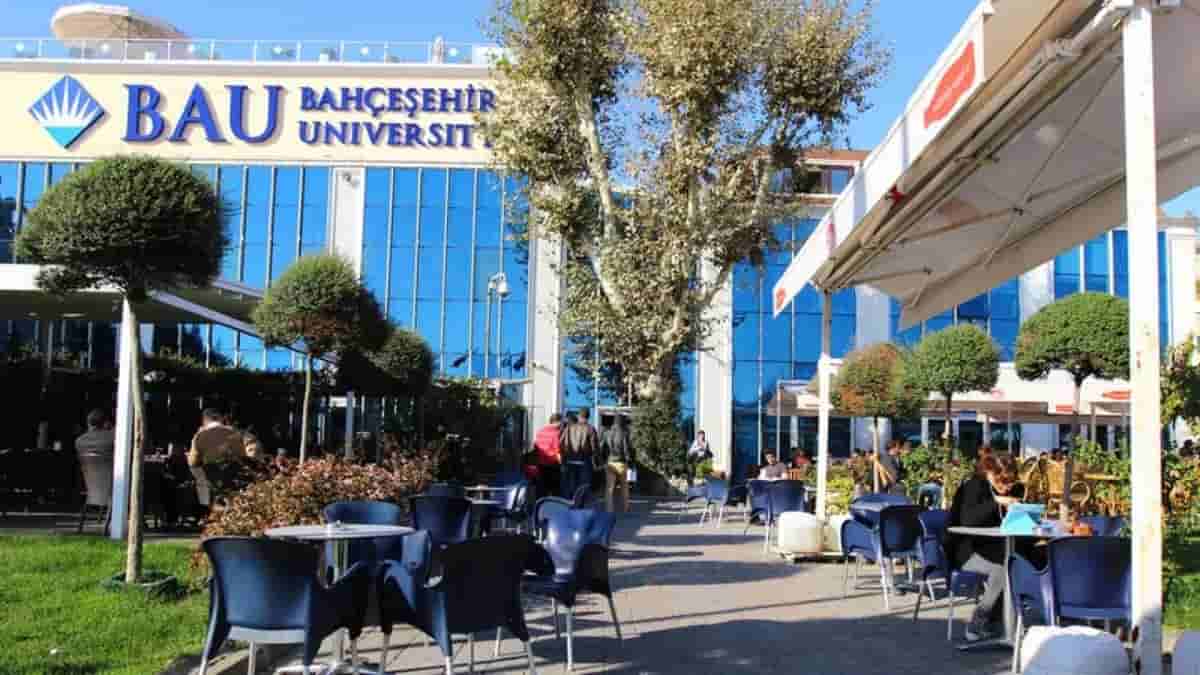 Dormitory
Istanbul, Turkey
 Dormitory
Istanbul, Turkey
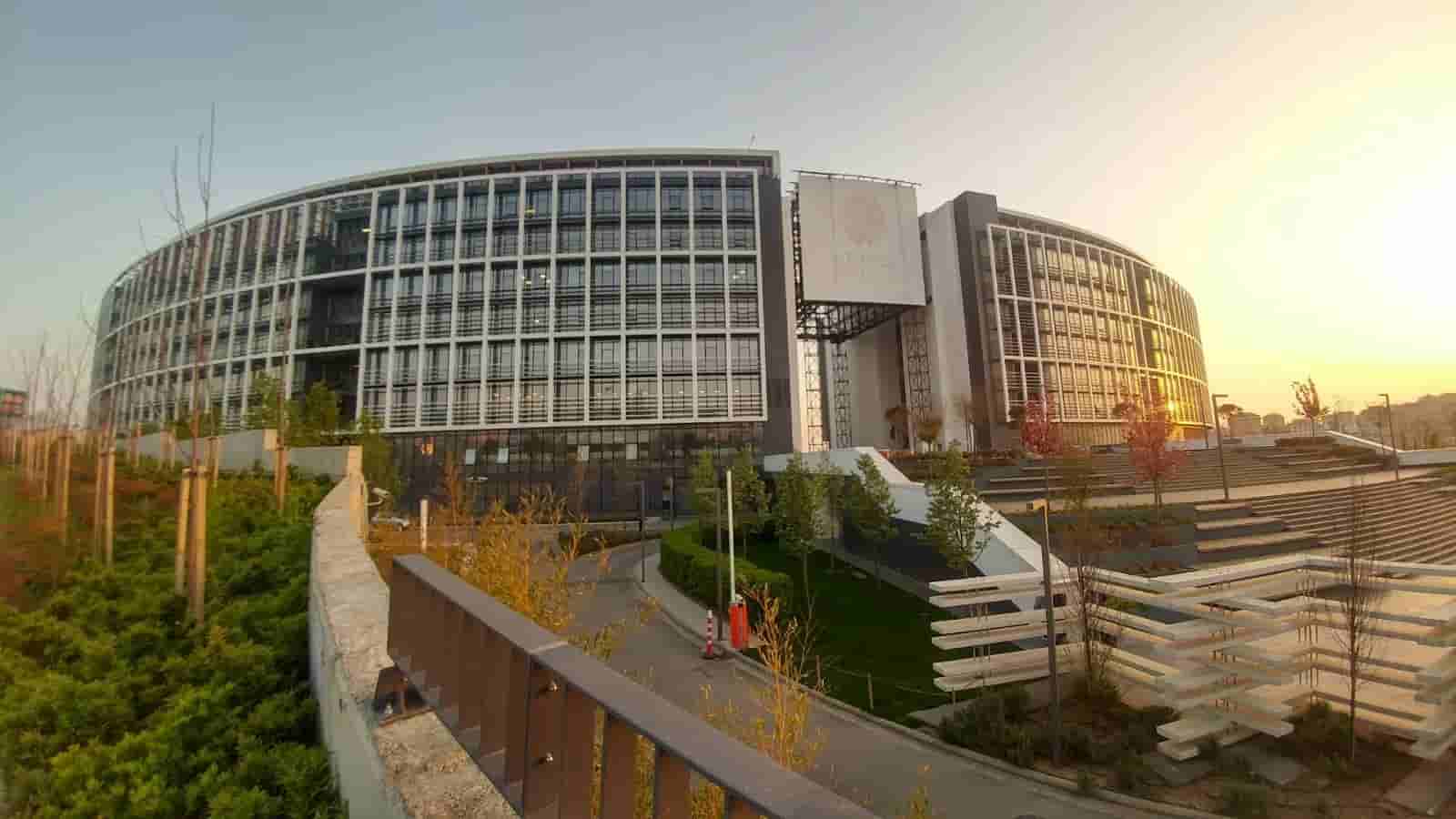 Dormitory
Istanbul, Turkey
 Dormitory
Istanbul, Turkey
 Dormitory
Istanbul, Turkey
 Dormitory
Istanbul, Turkey
 Dormitory
Antalya, Turkey
 Dormitory
Istanbul, Turkey
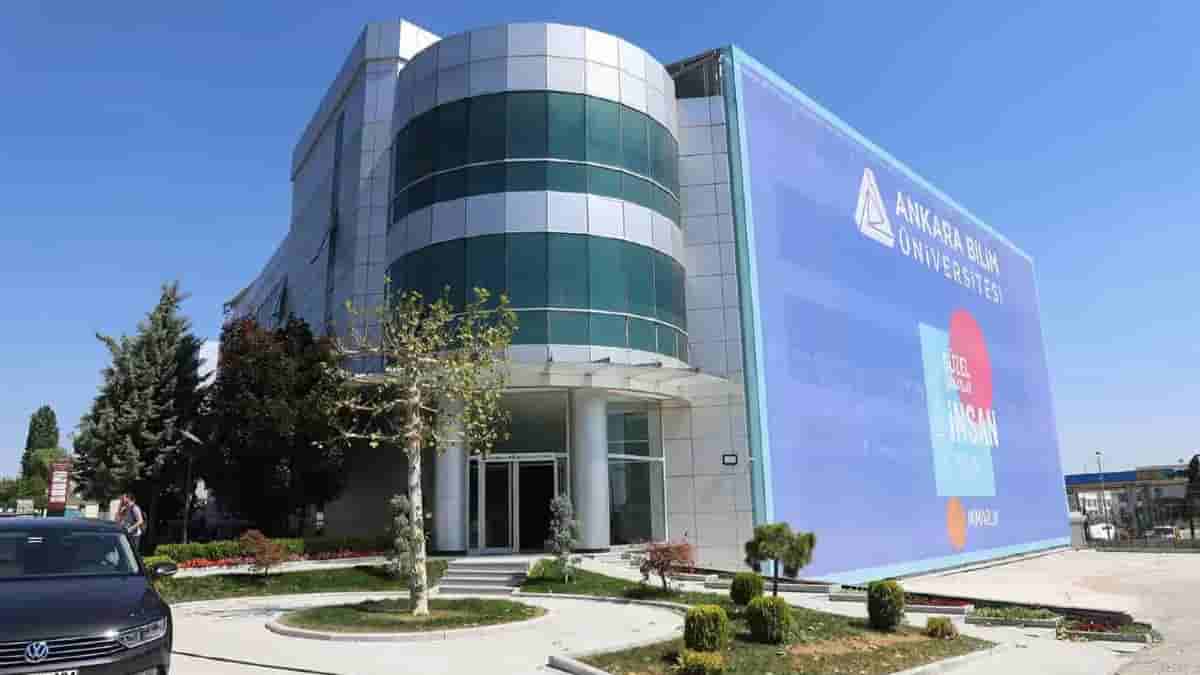 Dormitory
Ankara, Turkey
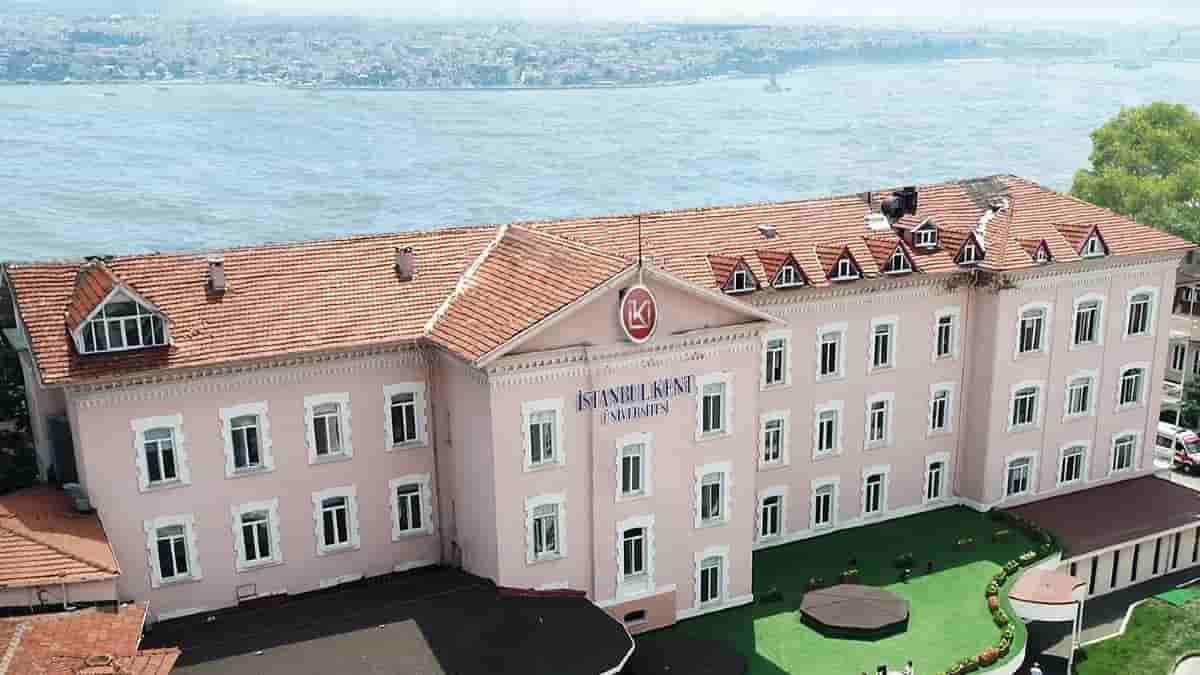 Dormitory
Istanbul, Turkey