

FAQs
Frequently Asked Questions and Answers

Over 200,000 international students choose Turkey each year, with a growing share enrolling in English-taught programs. Yet many applicants struggle to identify which universities genuinely deliver full English instruction and meet international standards. Information is often fragmented, inconsistent, or overly promotional. Clear, structured guidance helps students make decisions based on academic quality, career outcomes, and realistic expectations.
English-language education in Turkey has become a structured and widely accessible option within the university sector. Over the past decade, universities have aligned their academic models with international standards, making it possible for students to complete full degrees in English without compromising on quality.
Most English-taught programs are concentrated in major academic hubs such as Istanbul and Ankara, where universities have stronger international faculty presence and industry connections. This structure allows students to combine academic education with practical exposure, creating a more career-oriented study experience.

Universities in Turkey have significantly expanded English-medium education, offering structured systems aligned with international standards. The higher education system follows a framework compatible with European models, with clear degree cycles and credit-based evaluation systems that support academic mobility.
These institutions focus on global curricula, modern teaching methods, and internationally oriented academic environments.
Key universities providing strong English-language education include:
Istanbul Beykent University
Yeditepe University
Bahçeşehir University
Istanbul Gedik University
These universities are particularly recognized for programs in business, engineering, and social sciences. While many offer full English instruction, some departments may include partial local-language components, making program-level verification important
English-taught programs in Turkey are concentrated in fields that support international careers and mobility. Students typically choose programs based on global demand, practical application, and postgraduate opportunities.
Common English-language program options include:
Business Administration and International Trade
Computer Engineering and Software Engineering
Psychology and Social Sciences
International Relations and Political Science
Architecture and Design
To simplify selection, students can use a Program Filter on the StudyLeo platform. This tool allows narrowing programs based on interests, priorities, and study plans, helping students avoid time-consuming manual research. The filter is located below this section, where suitable programs can be explored and applications can be started directly through the platform, which manages the full process.
English-language universities in Turkey expect students to be academically independent and comfortable with research-based learning. Coursework often includes presentations, group projects, and continuous assessment rather than only final exams.
Classroom environments are typically international, especially in universities located in cities like Istanbul and Ankara. This diversity enhances collaboration but also requires adaptability. Students who actively engage in academic and extracurricular opportunities tend to benefit the most from these environments.
The overall study experience in Turkey is shaped not only by academics but also by the living environment. Cities like Istanbul offer a fast-paced lifestyle with extensive internship and networking opportunities, while Izmir provides a more balanced and student-friendly atmosphere. Location directly influences daily costs, social life, and access to professional environments.
Private universities typically provide modern campuses, student clubs, and international communities. This creates opportunities for networking, skill development, and cultural adaptation. Students who actively participate in campus life tend to gain stronger soft skills, which are critical for both academic success and future employment.

Graduates from English-language universities in Turkey often build careers that extend beyond the local market. Universities support career development through industry collaboration and practical training.
Career outcomes typically include:
Employment in multinational companies operating in Turkey or abroad
Opportunities in regional headquarters in sectors like finance, logistics, and technology
Access to international postgraduate education pathways
Internships and project-based experience during studies
Recognition depends on institutional accreditation and partnerships. Universities with strong international connections provide better mobility and career flexibility, especially in globally competitive fields.
For university selection and application, StudyLeo offers a centralized and structured approach. The platform works through direct partnerships with universities, ensuring accurate program information and a smoother application process.
Students benefit from free transfer options, free registration, and free visa support. Instead of applying through multiple channels, the entire process is managed in one place, reducing complexity and improving decision clarity.
Studying in English in Turkey requires more than selecting a university with an English label. The quality of education, program structure, and long-term career impact should guide every decision. Students who approach the process strategically and use reliable platforms position themselves for stronger academic and professional outcomes.
Frequently Asked Questions and Answers
Look out blogs and aware of the latest trends and updates
Explore top universities offering quality education, modern facilities, and diverse academic opportunities for students worldwide





 Dormitory
Ankara, Turkey
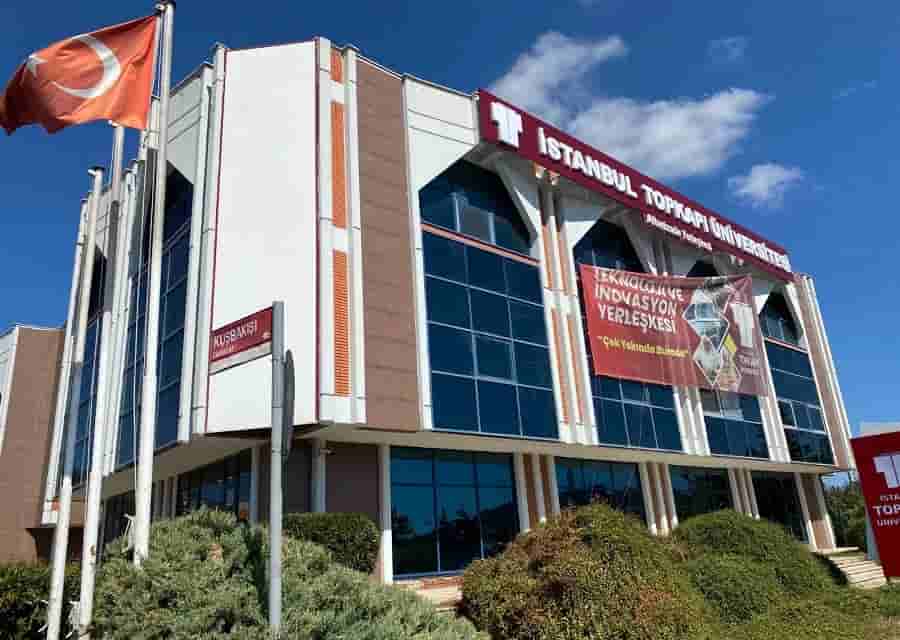 Dormitory
Istanbul, Turkey
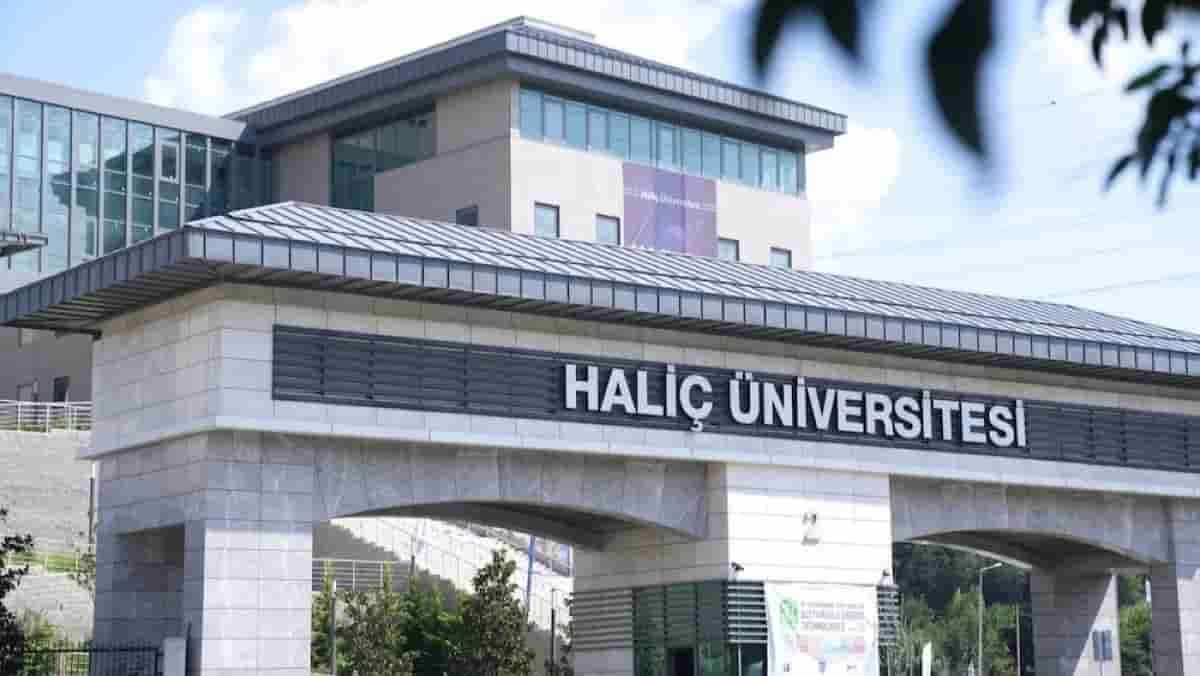 Dormitory
Istanbul, Turkey
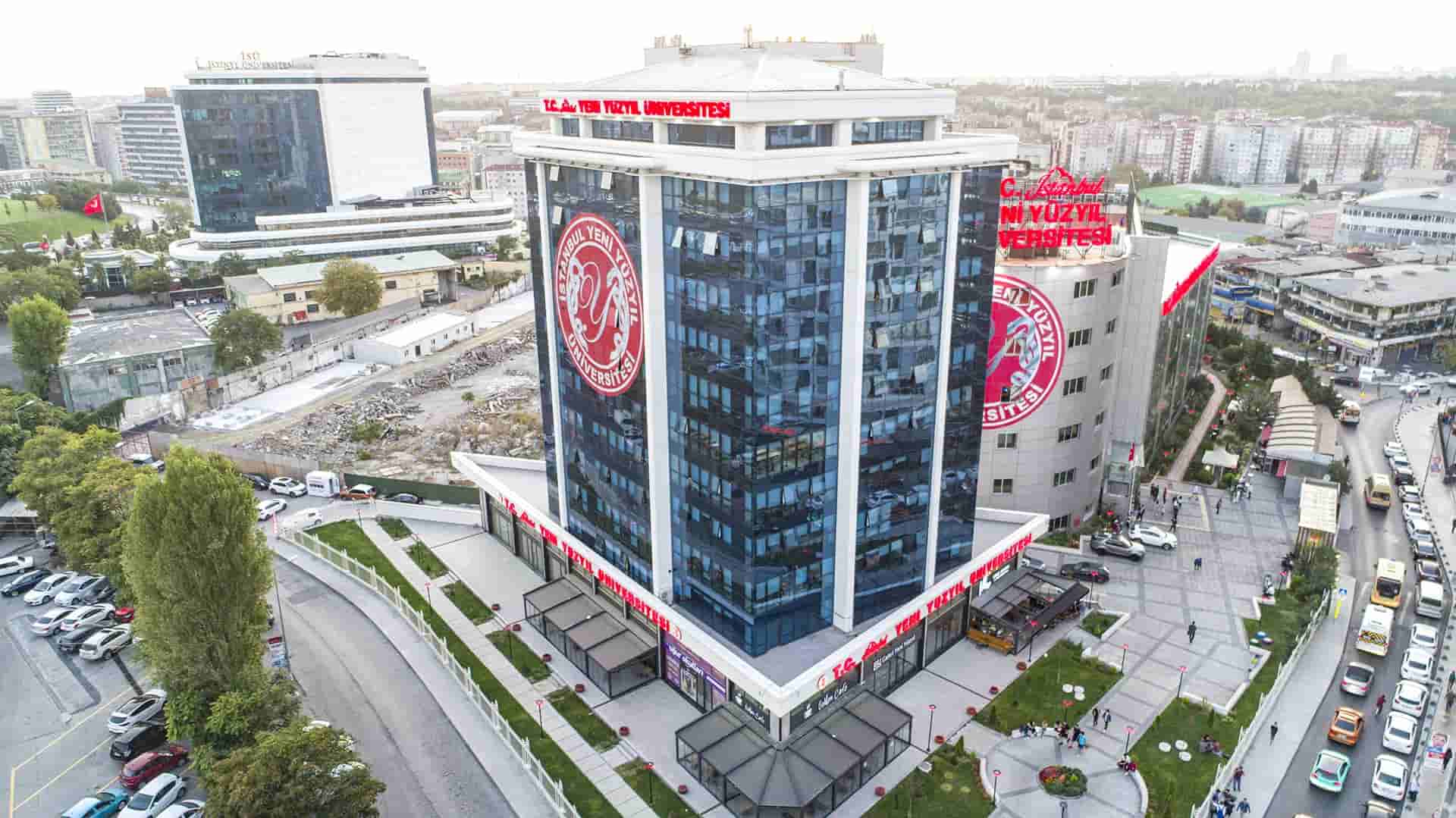 Dormitory
Istanbul, Turkey
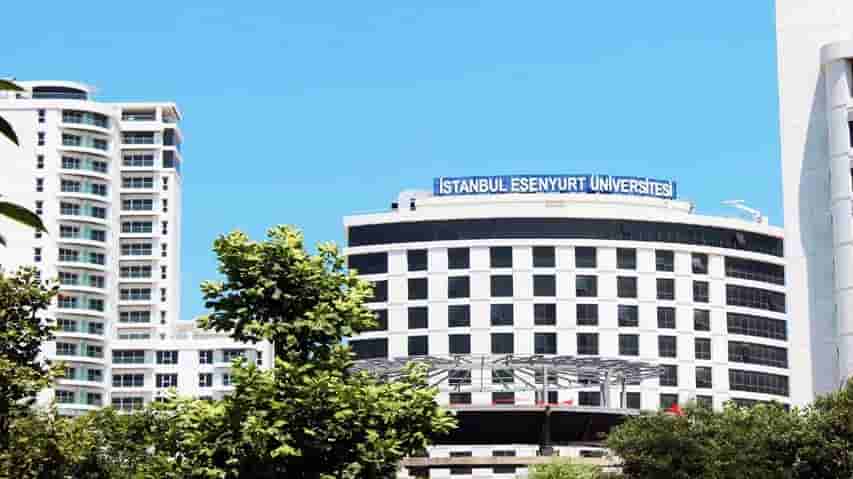 Dormitory
Istanbul, Turkey
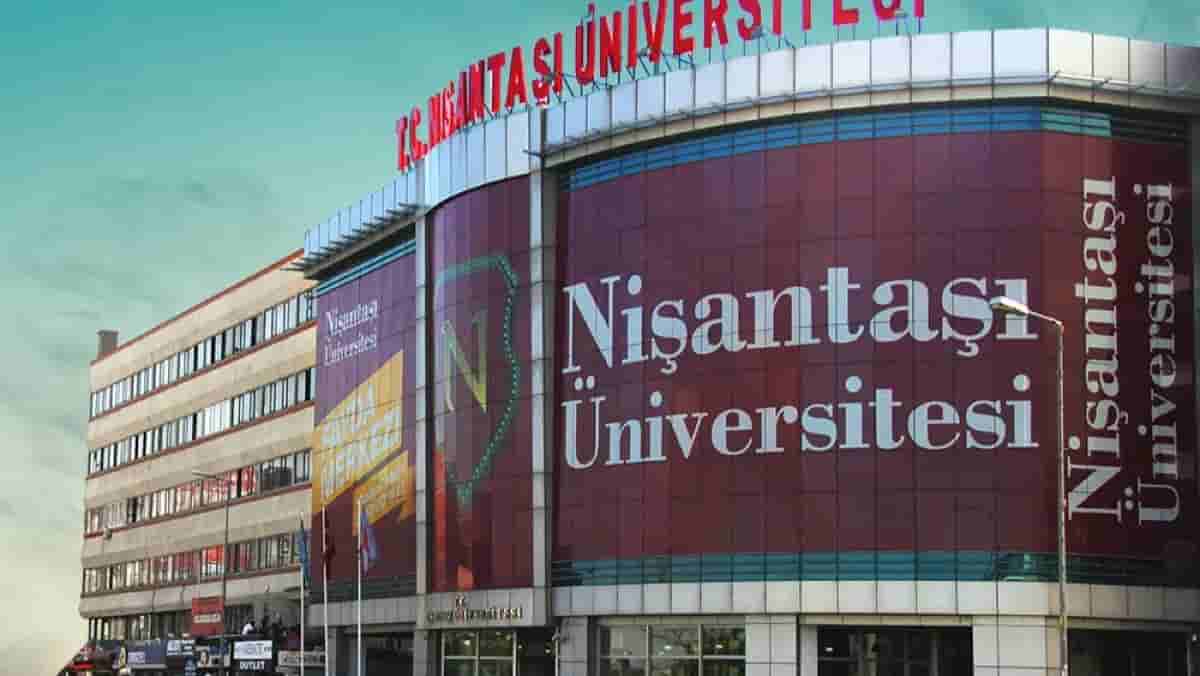 Dormitory
Istanbul, Turkey
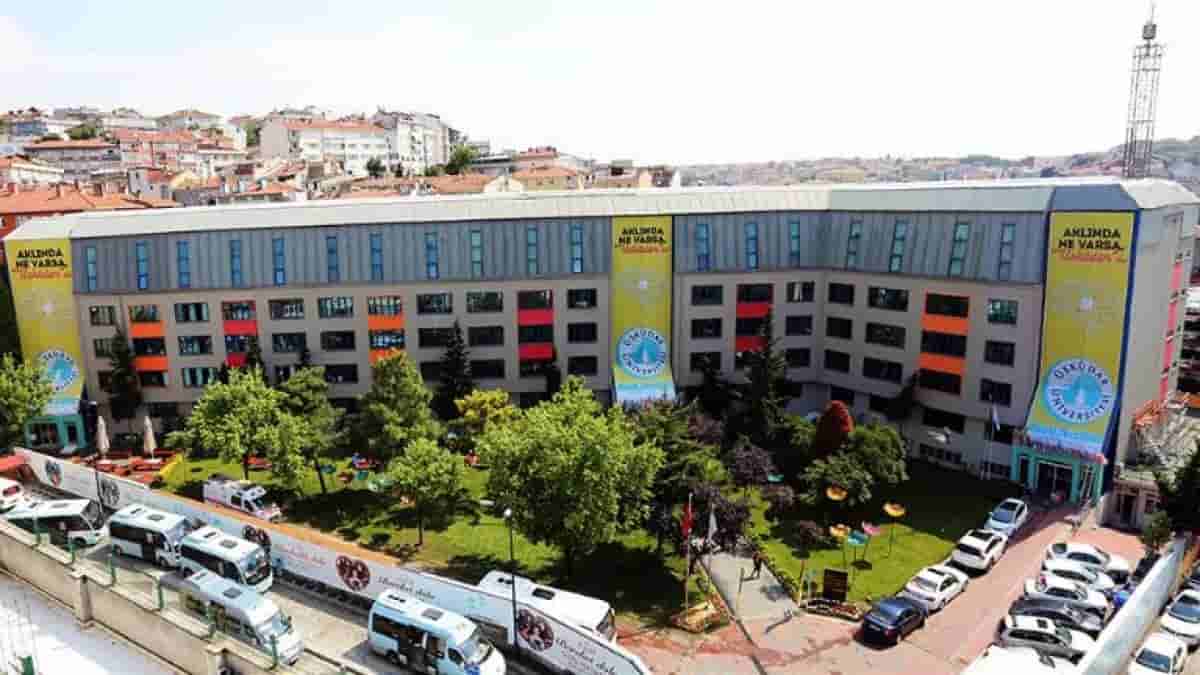 Dormitory
Istanbul, Turkey
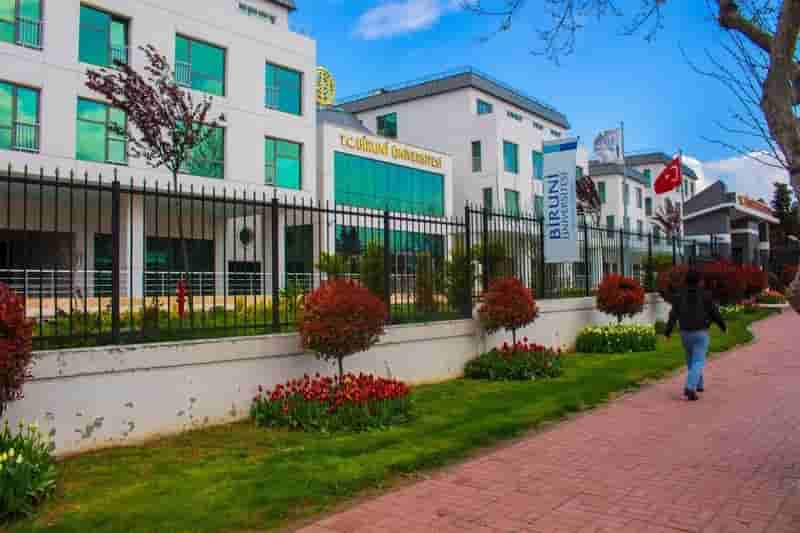 Dormitory
Istanbul, Turkey
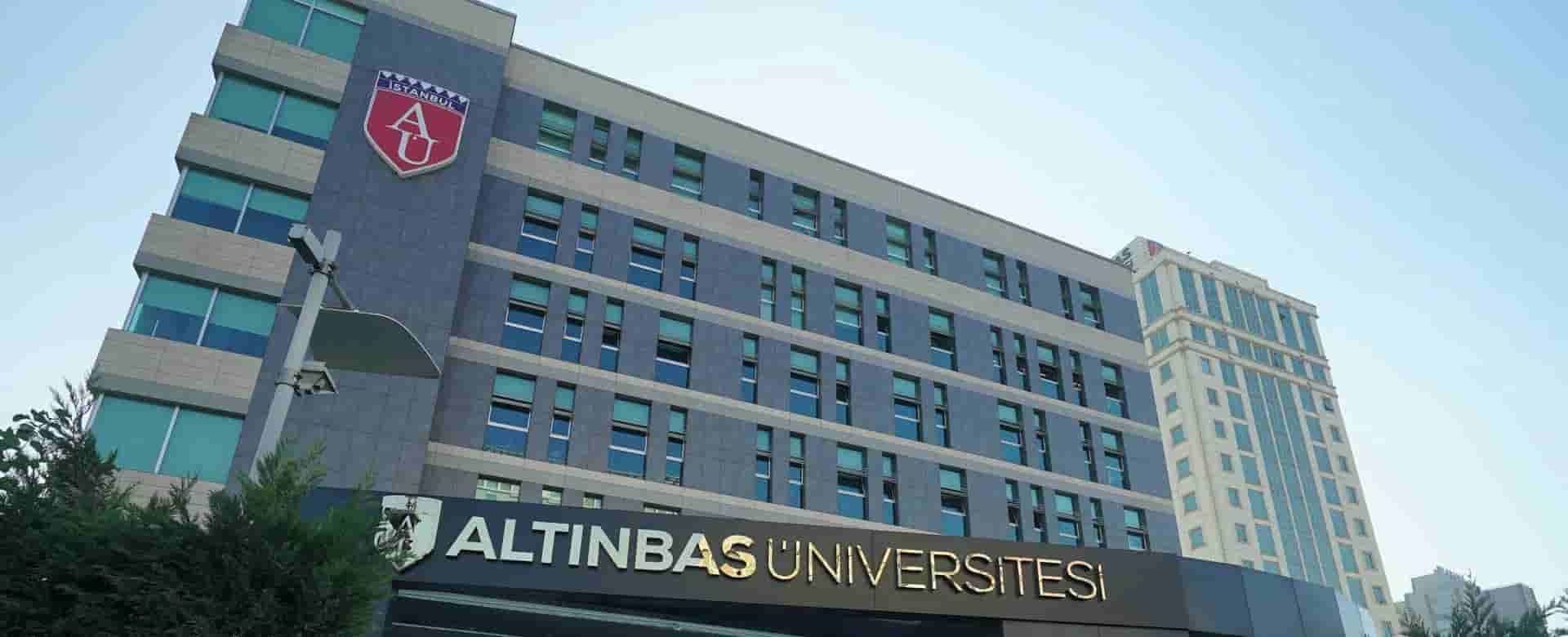 Dormitory
Istanbul, Turkey
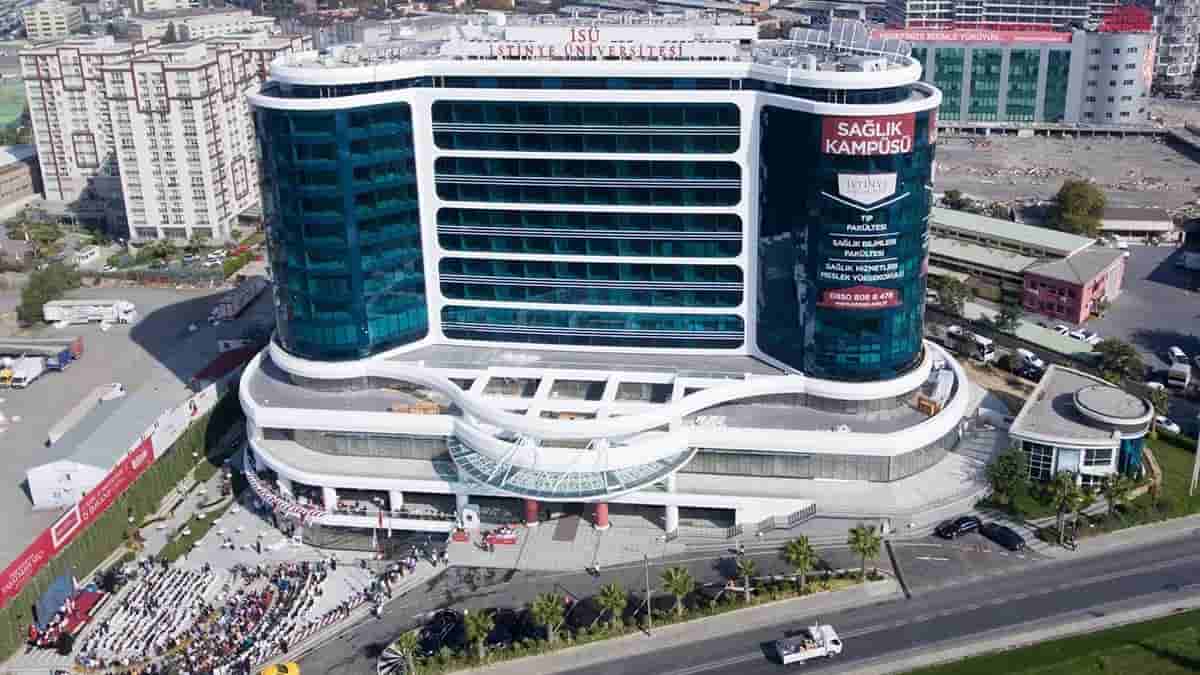 Dormitory
Istanbul, Turkey
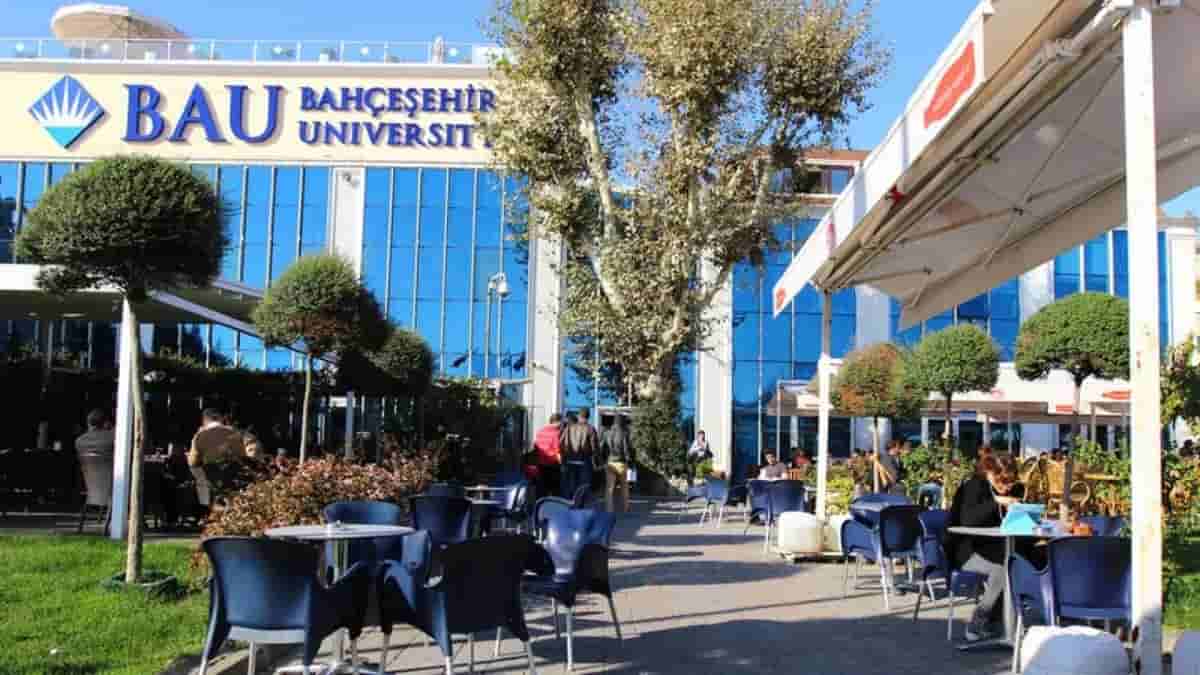 Dormitory
Istanbul, Turkey
 Dormitory
Istanbul, Turkey
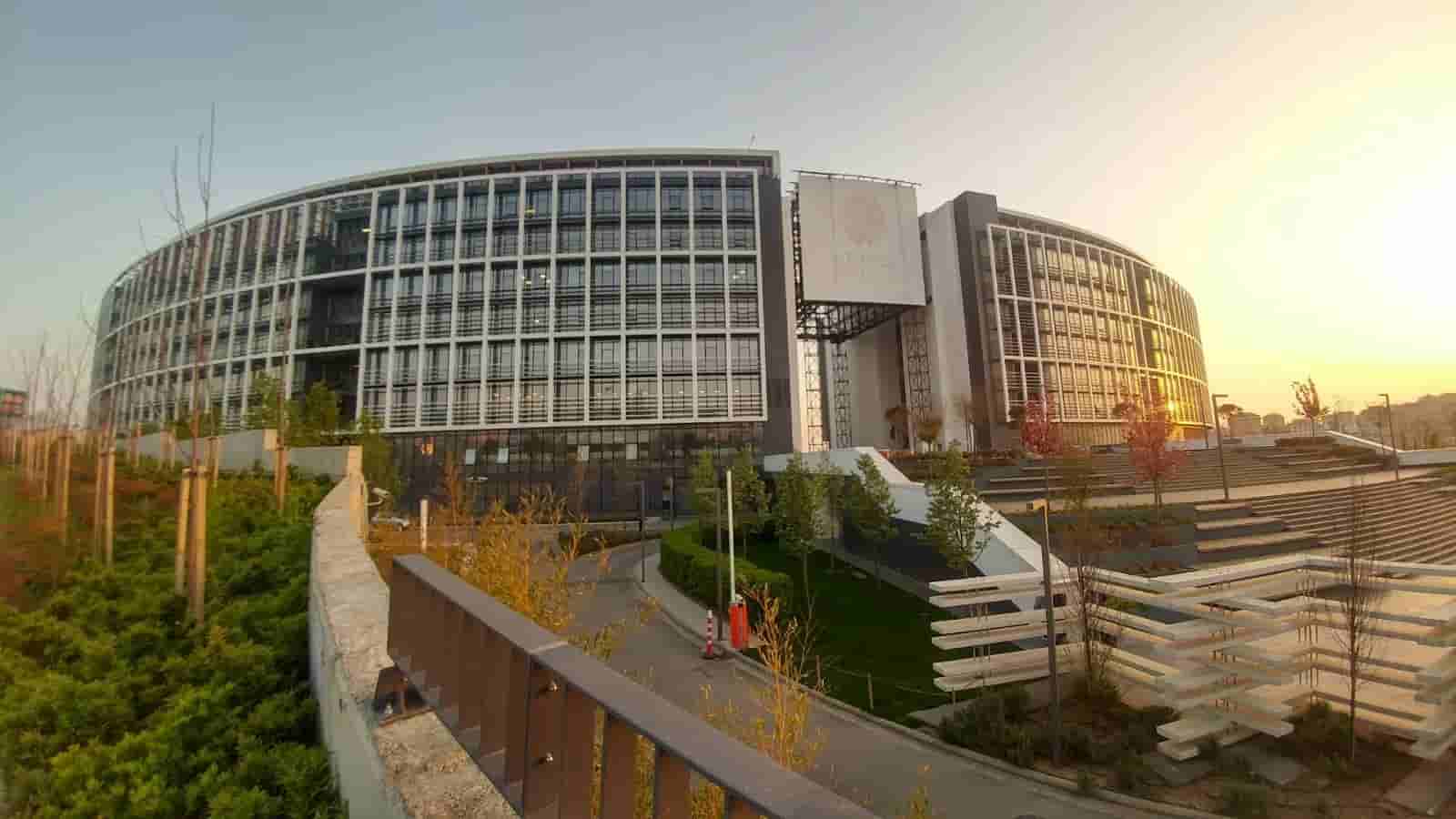 Dormitory
Istanbul, Turkey
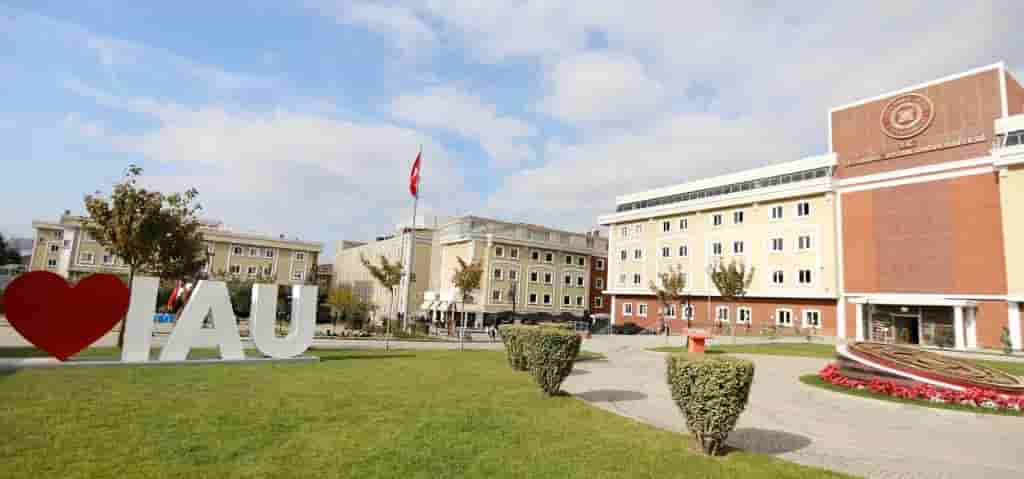 Dormitory
Istanbul, Turkey
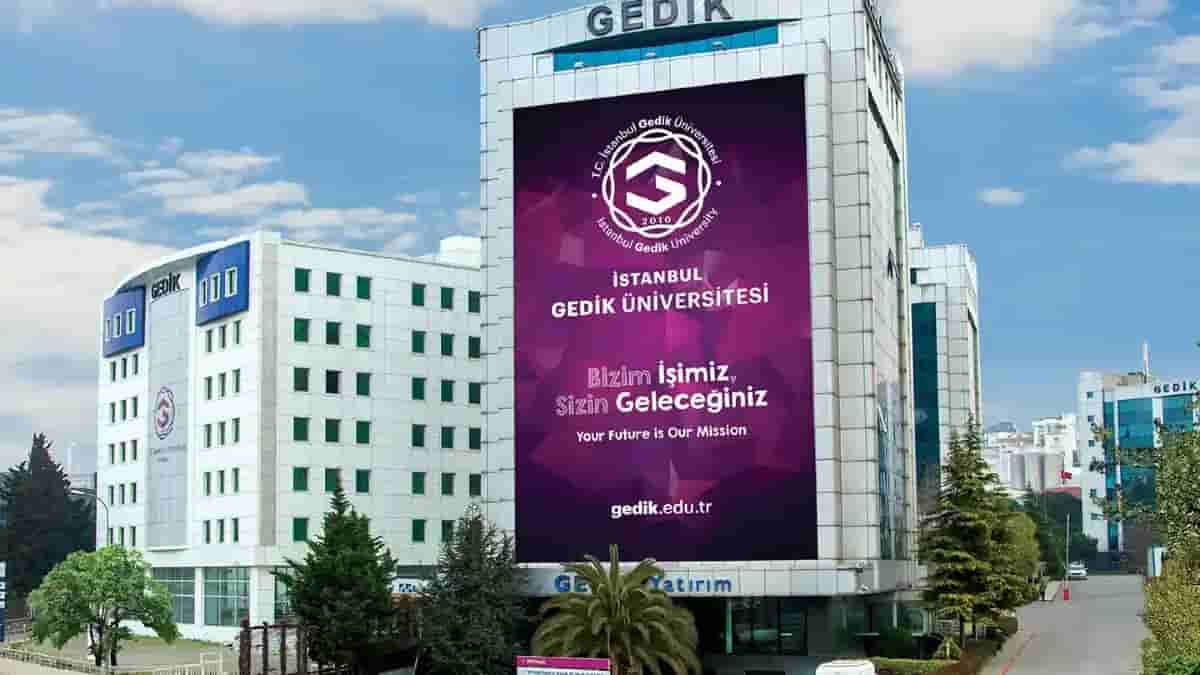 Dormitory
Istanbul, Turkey
 Dormitory
Istanbul, Turkey
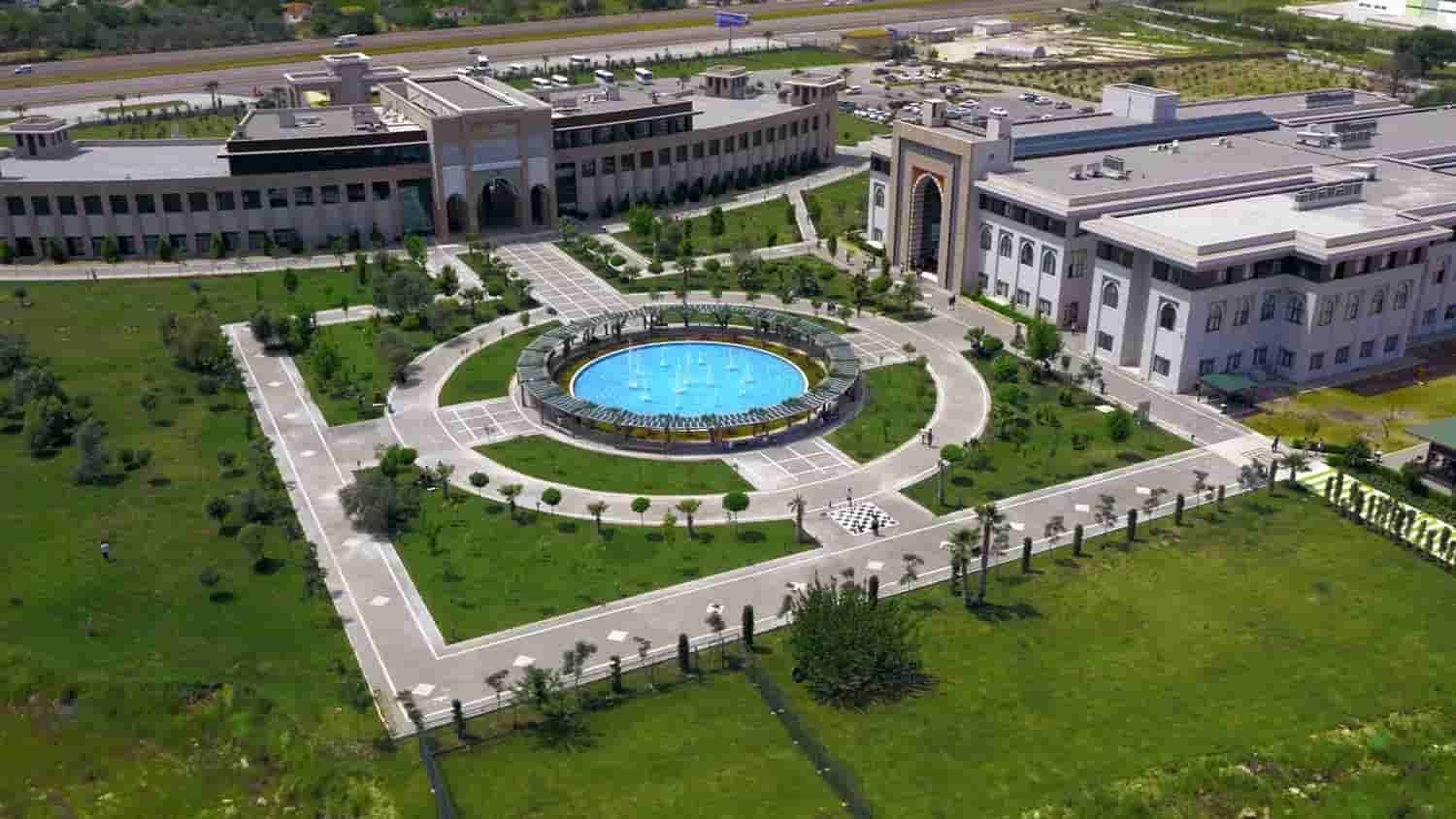 Dormitory
Antalya, Turkey
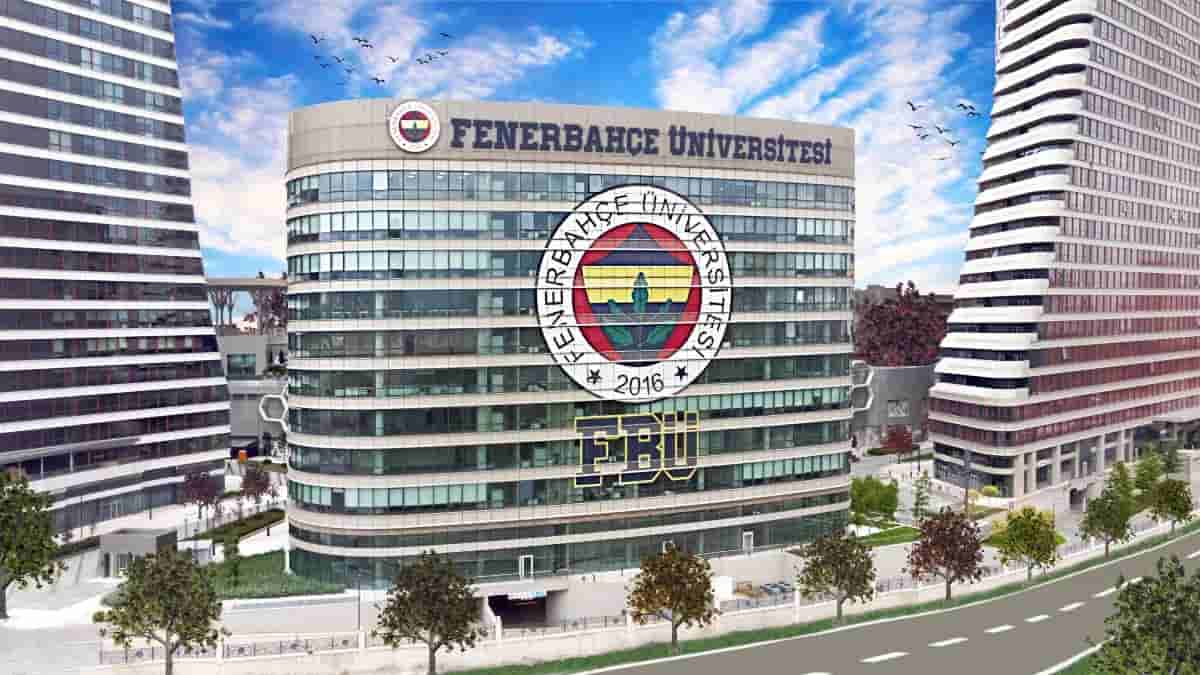 Dormitory
Istanbul, Turkey
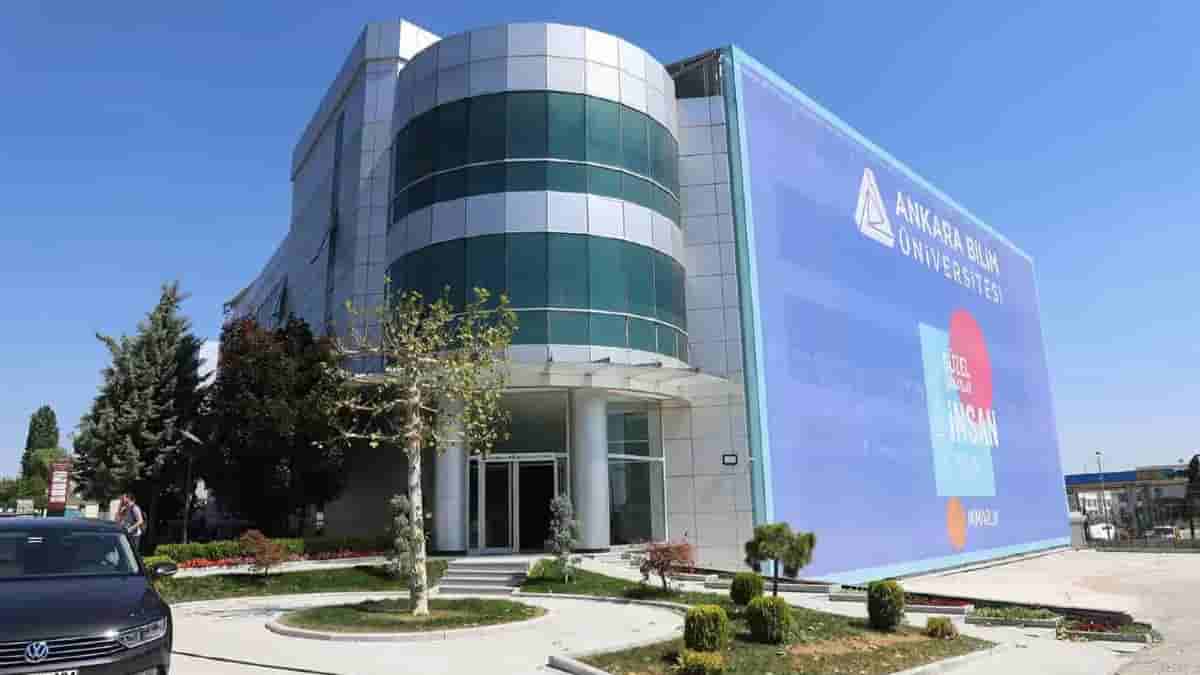 Dormitory
Ankara, Turkey
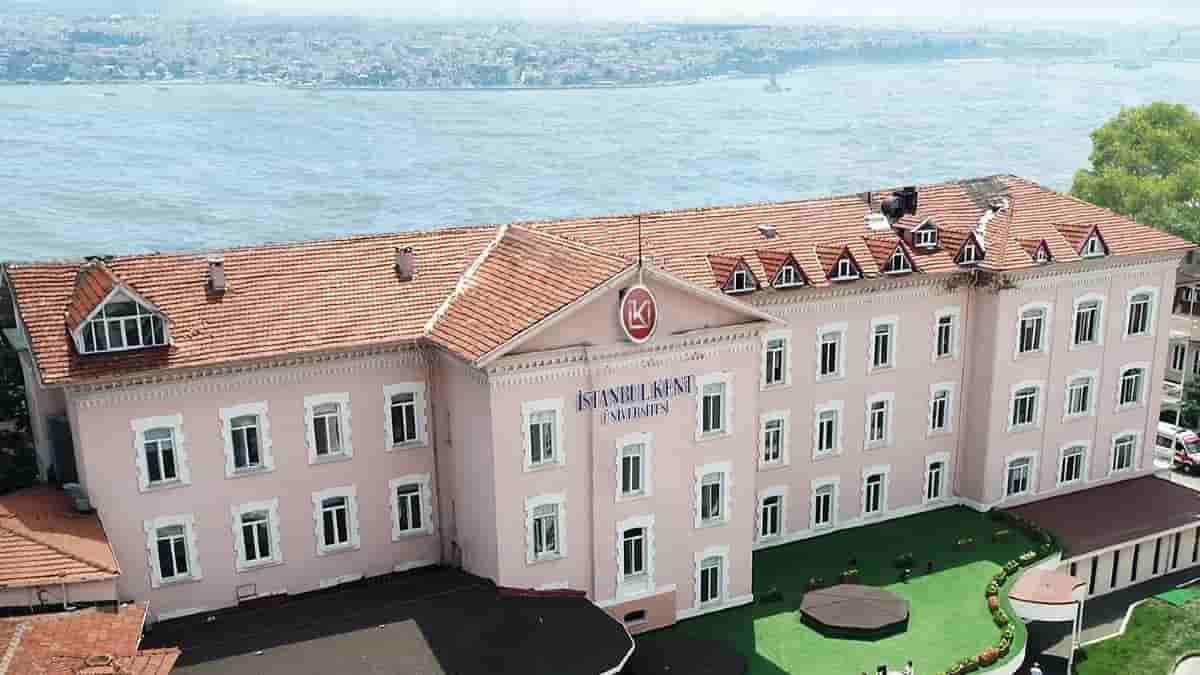 Dormitory
Istanbul, Turkey