


FAQs
Frequently Asked Questions and Answers
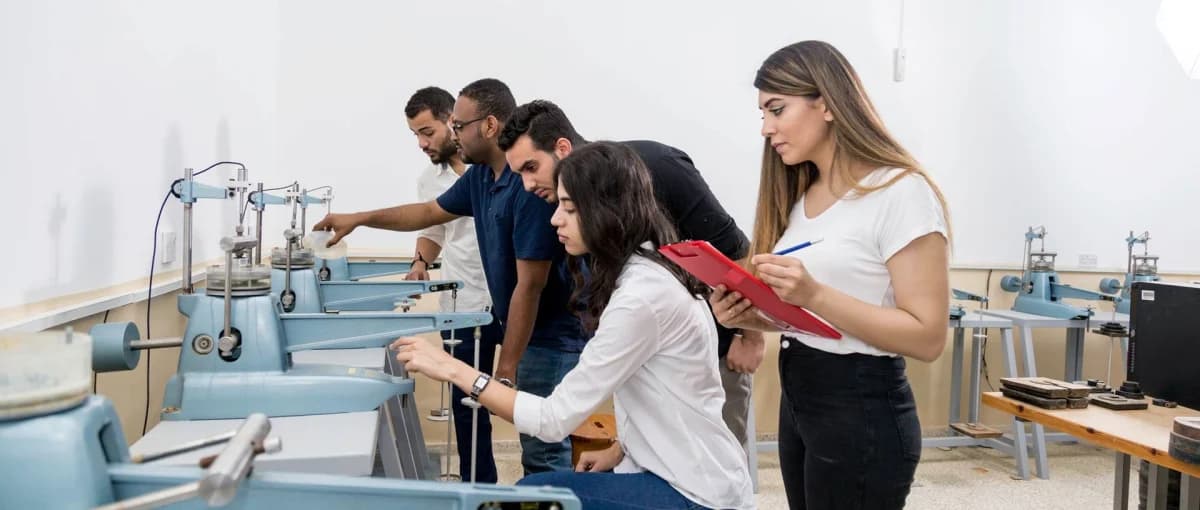
Studying at the best technical universities in Turkey has become a strategic education choice for students who want strong academic outcomes without navigating unclear systems or unreliable guidance. Many families feel overwhelmed by fragmented information, inconsistent requirements, and sources that focus more on promotion than reality.
Technical education emphasizes applied skills and employability.
Academic structures follow recognized international standards.
Costs are transparent when planned realistically.
Admission is document focused and structured.
Career outcomes improve with early preparation.
Turkey’s technical higher education environment is built around applied learning, industry alignment, and practical specialization. Programs in engineering, technology, architecture, and applied sciences are designed to balance theory with project based instruction.
Institutions offering technical programs operate under national academic regulations, ensuring standardized degree recognition.

Students are drawn by a combination of academic depth, accessible admission pathways, and manageable overall costs.
Another factor is geographic and economic positioning. Turkey connects European, Middle Eastern, and Asian markets, which enhances exposure to diverse industries, internships, and regional employment opportunities.
This option suits students seeking applied technical education with a clear focus on employability and structured progression.
It may not suit students expecting fully research intensive environments from the first year or those unprepared for structured coursework and consistent academic evaluation across semesters.

Several institutions stand out for engineering, computer technologies, industrial design, architecture, and health related technical fields. Names often associated with technical strength include Bahçeşehir University, Özyeğin University, İstanbul Aydın University, Altınbaş University, Yeditepe University, Sabancı University, and TOBB Ekonomi ve Teknoloji University.
Programs commonly selected include computer engineering, software technologies, electrical and electronics engineering, industrial engineering, civil engineering, and applied information systems. Program availability varies by campus and language of instruction.
Admission decisions are primarily based on academic background and document evaluation rather than competitive filtering mechanisms. Consistent grades, subject relevance, and completed prior education are key evaluation factors.

Programs are offered in English, Turkish, or bilingual formats depending on the institution and department. Students are expected to have functional academic language proficiency before enrollment.
Language preparation should be planned in advance, especially for technical terminology and academic writing.
Annual tuition fees for technical programs generally range between moderate to upper mid level compared to Western Europe. Living expenses depend on city and lifestyle. Students should realistically budget for accommodation, transportation, food, and academic materials, with clear monthly planning rather than assumptions.
Graduates often pursue regional employment, further specialization, or international graduate studies. Technical degrees support roles in engineering firms, technology companies, manufacturing, and service industries.
Career outcomes depend heavily on student performance, internship engagement, and language competence.

Choosing based only on cost, which often leads to program mismatch and delayed graduation. Students should prioritize curriculum relevance over short term savings.
Ignoring language or academic readiness, resulting in academic pressure after enrollment. Preparation should begin before application.
Relying on unofficial sources that provide incomplete or outdated information. Decisions should be based on verified academic guidance.
Missing deadlines due to unclear planning. A structured timeline prevents lost opportunities.
Underestimating living expenses, which creates financial stress during study.
To avoid these issues, students are advised to apply only through the StudyLeo platform. StudyLeo provides structured guidance with no service fee, free registration, free transfer support, and free visa assistance. The platform works through direct partnerships with institutions, ensuring accurate information and coordinated application handling.
The preparation process should begin with program selection aligned to academic background and career goals. Document preparation follows, ensuring accuracy and completeness.
Applications should be submitted early to allow for review, confirmation, and visa planning. Final decisions include accommodation planning, language readiness, and arrival coordination before enrollment.

Studying abroad is a long term education decision that shapes professional direction rather than a short term experience. Technical education delivers its strongest value when aligned with the right student profile, realistic planning, and informed guidance.
Frequently Asked Questions and Answers
Look out blogs and aware of the latest trends and updates
Explore top universities offering quality education, modern facilities, and diverse academic opportunities for students worldwide






 Dormitory
Istanbul, Turkey
 Dormitory
Ankara, Turkey
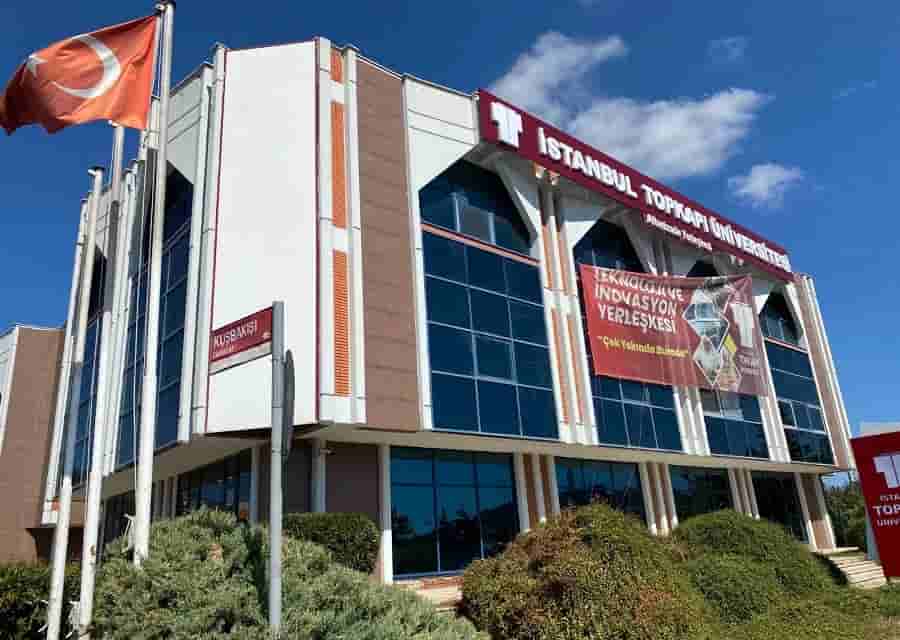 Dormitory
Istanbul, Turkey
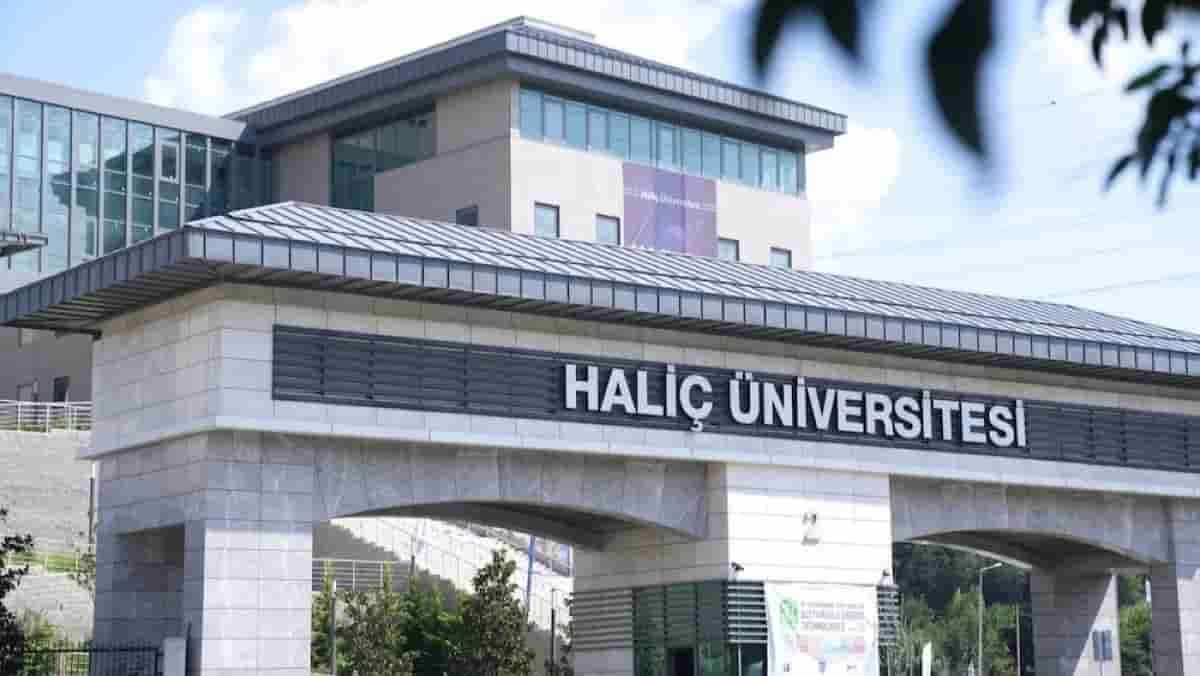 Dormitory
Istanbul, Turkey
 Dormitory
Istanbul, Turkey
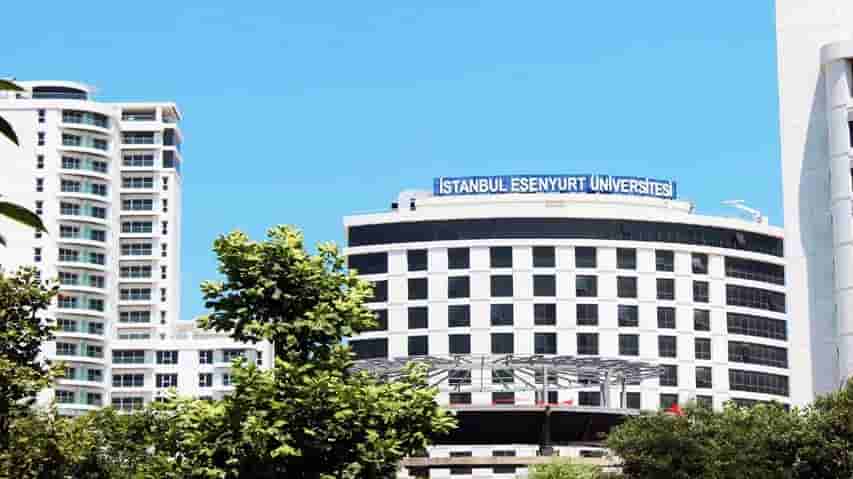 Dormitory
Istanbul, Turkey
 Dormitory
Istanbul, Turkey
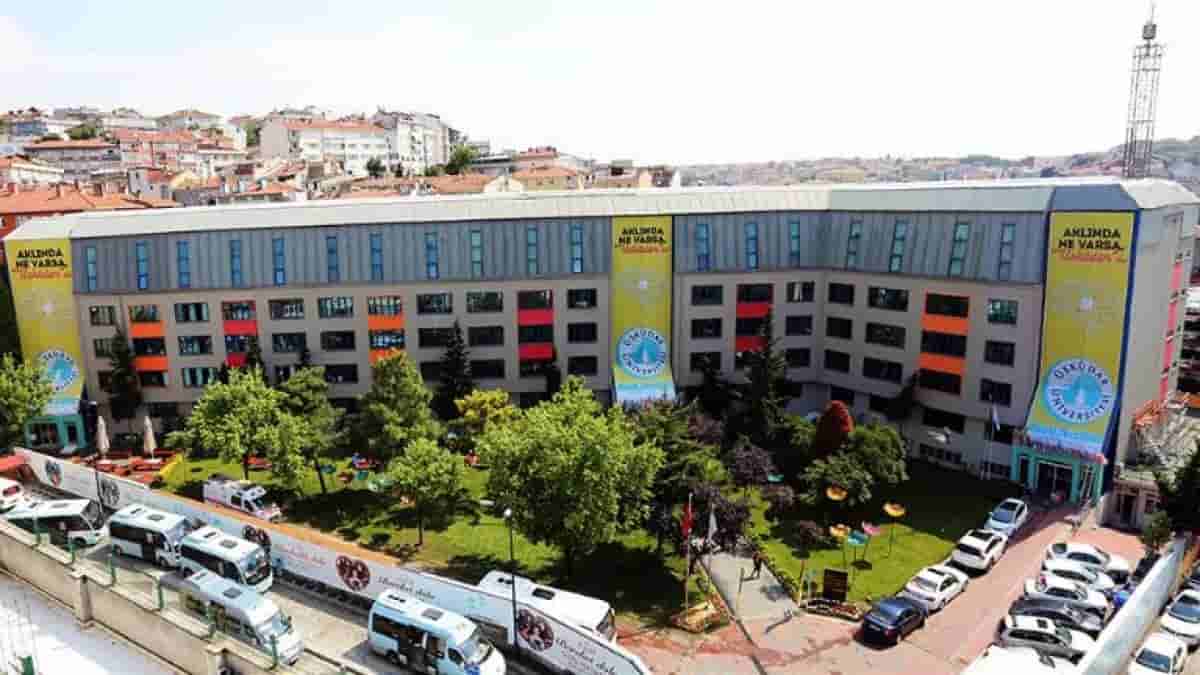 Dormitory
Istanbul, Turkey
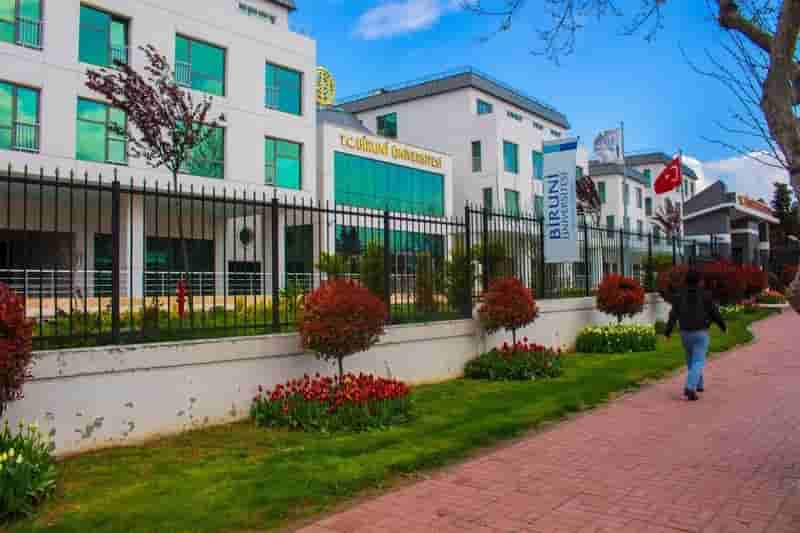 Dormitory
Istanbul, Turkey
 Dormitory
Istanbul, Turkey
 Dormitory
Istanbul, Turkey
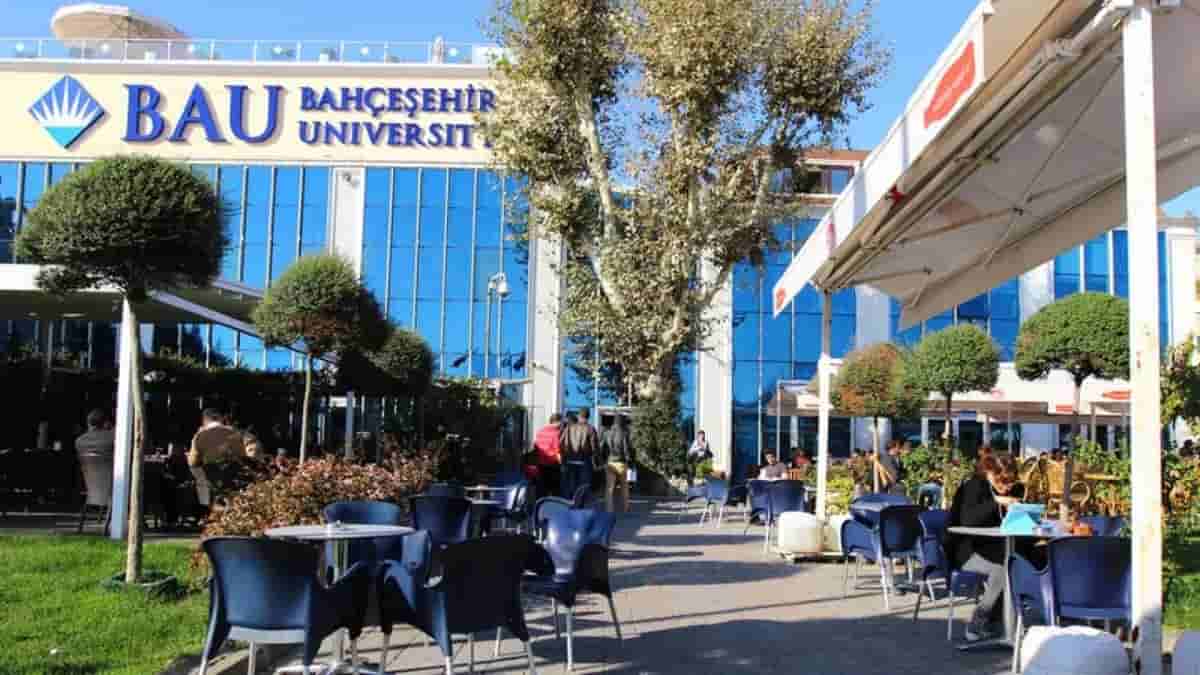 Dormitory
Istanbul, Turkey
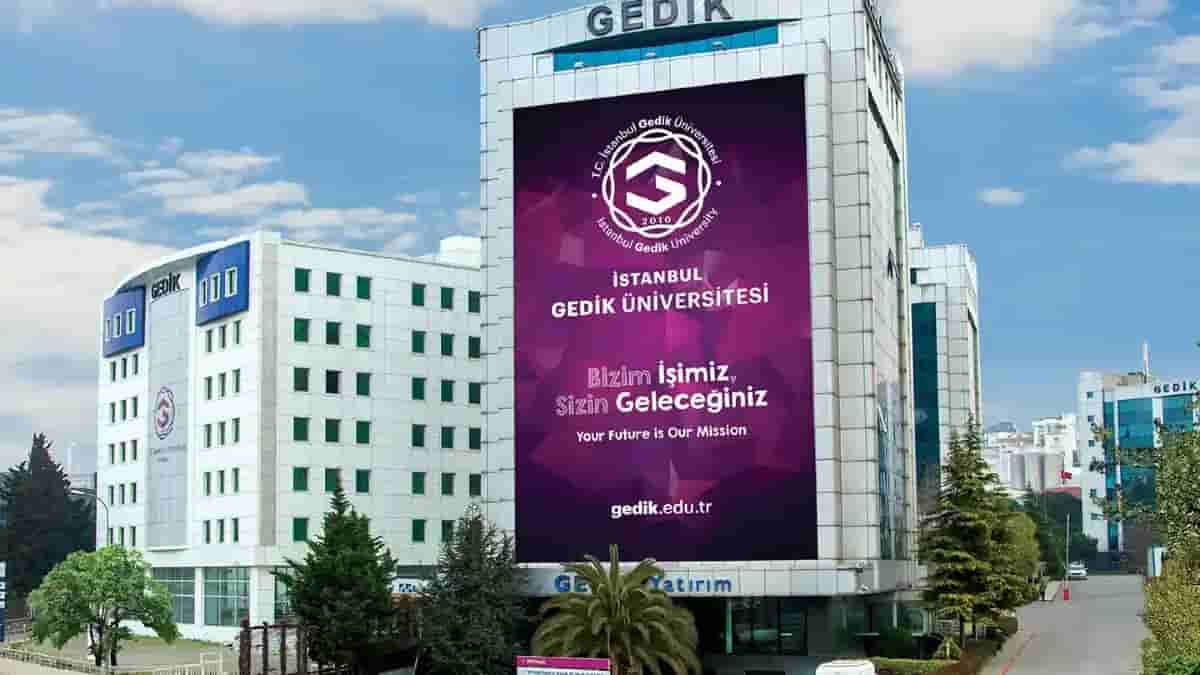 Dormitory
Istanbul, Turkey
 Dormitory
Istanbul, Turkey
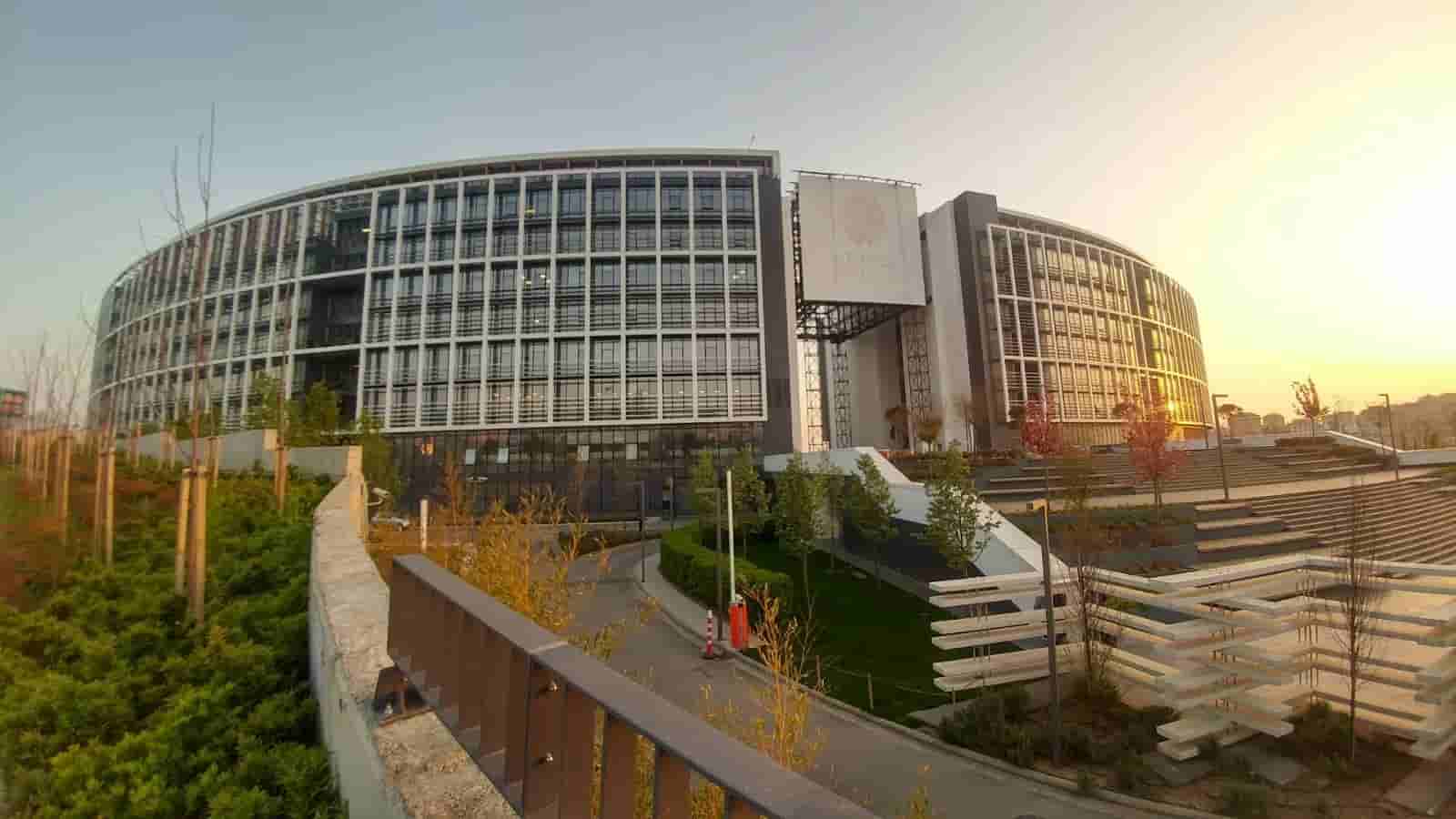 Dormitory
Istanbul, Turkey
 Dormitory
Istanbul, Turkey
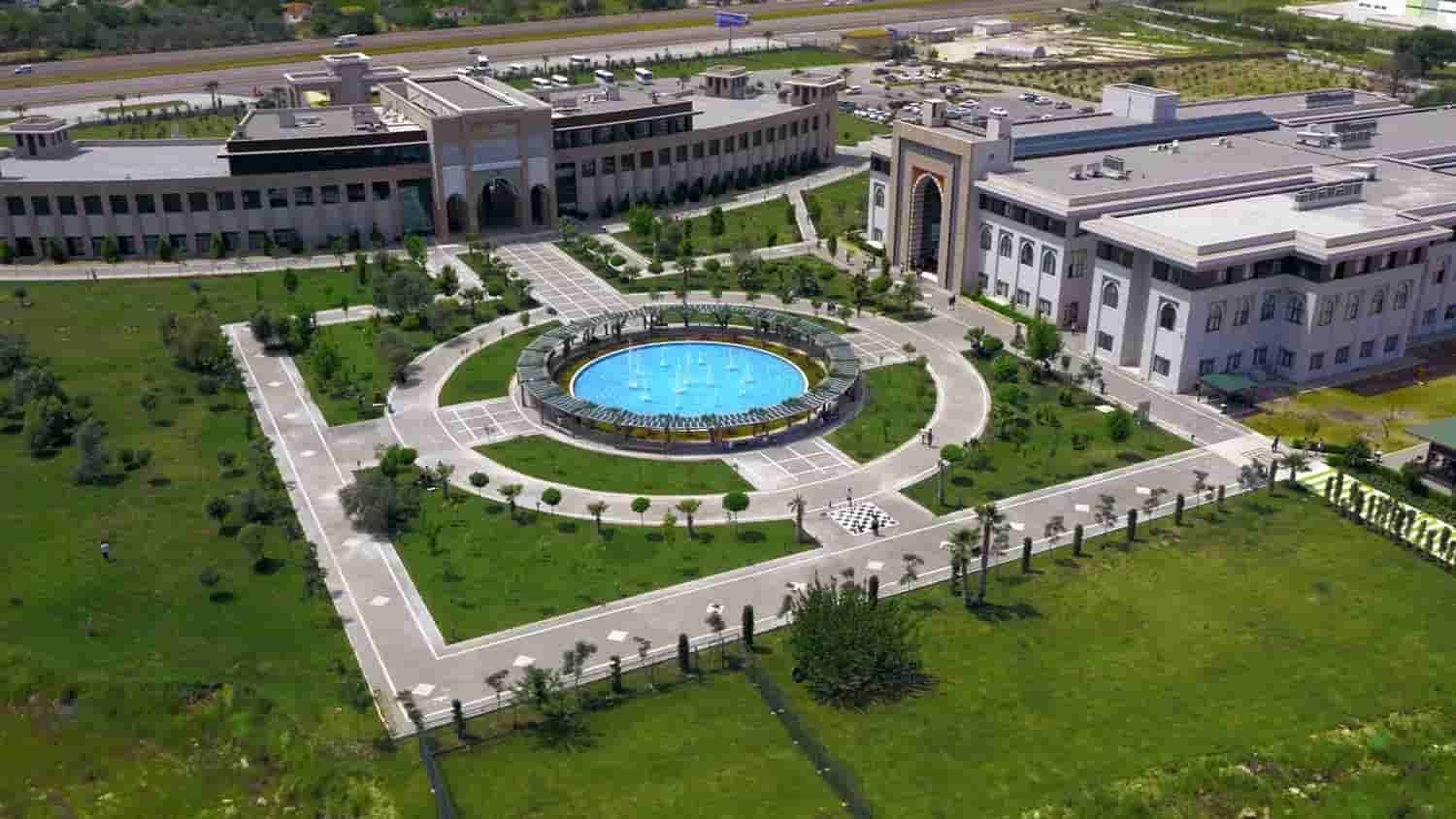 Dormitory
Antalya, Turkey
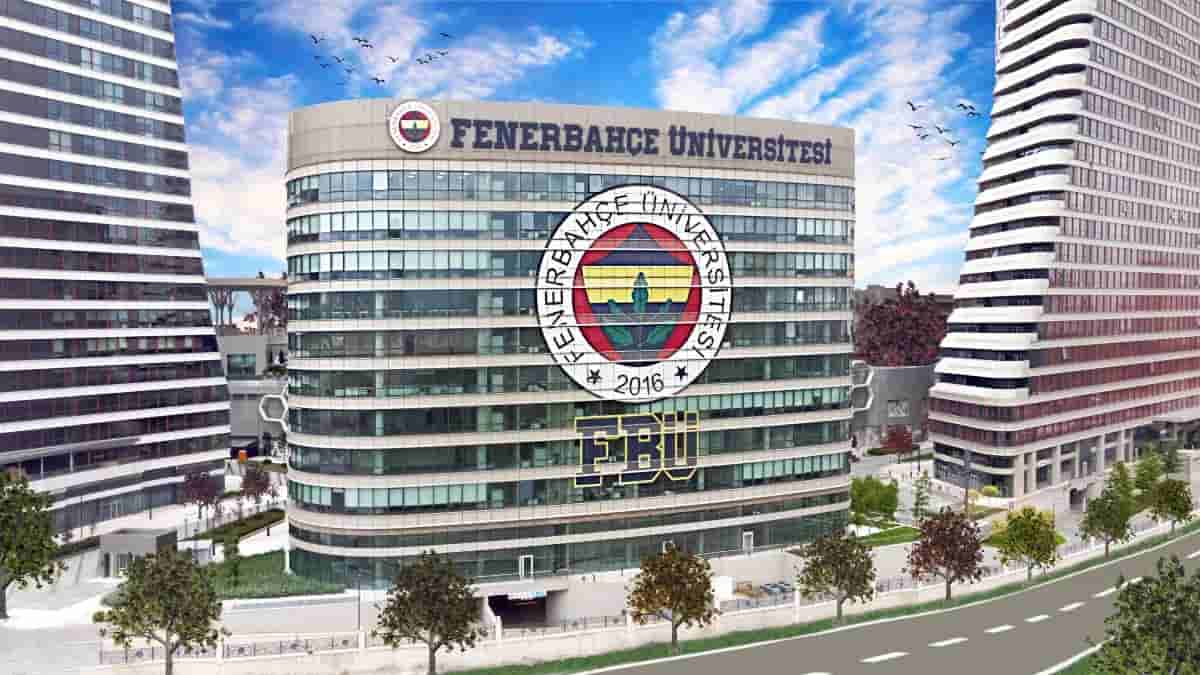 Dormitory
Istanbul, Turkey
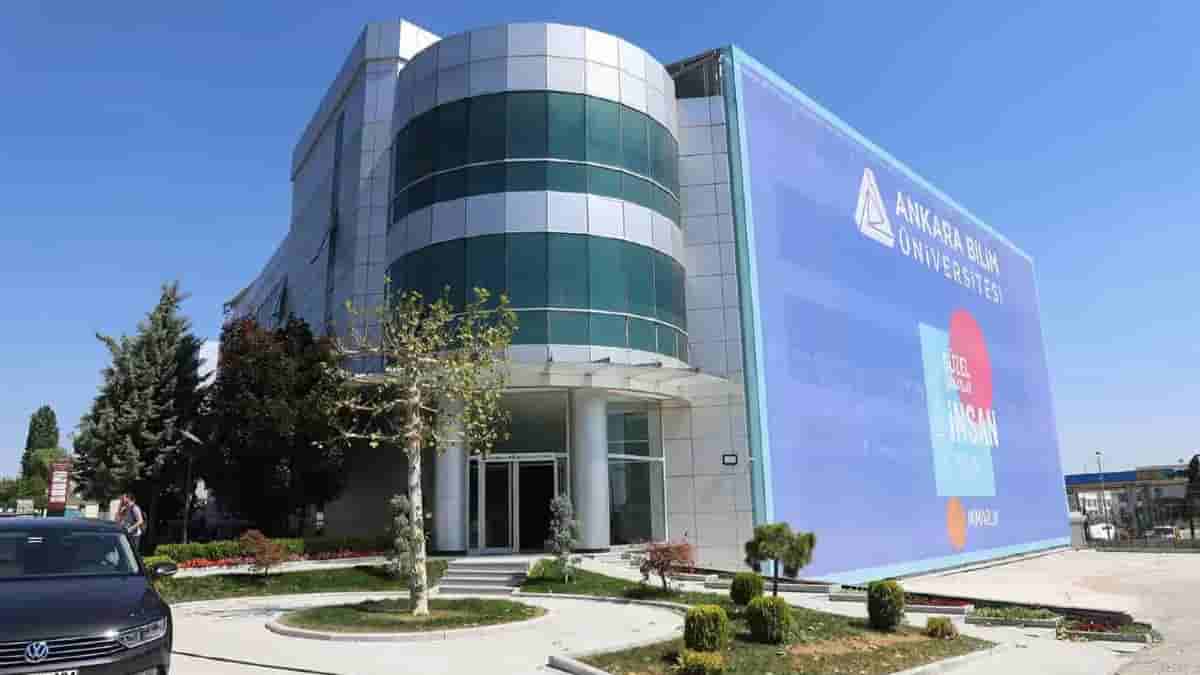 Dormitory
Ankara, Turkey
 Dormitory
Istanbul, Turkey