




FAQs
Frequently Asked Questions and Answers

Architecture education in Turkey attracts growing international interest due to its strong academic foundations and rich cultural context. The country’s cities reflect thousands of years of architectural evolution, offering students daily exposure to diverse design traditions. Turkish universities approach architecture as both a technical discipline and a cultural responsibility. Programs are designed to develop creative thinking alongside structural and technological competence.
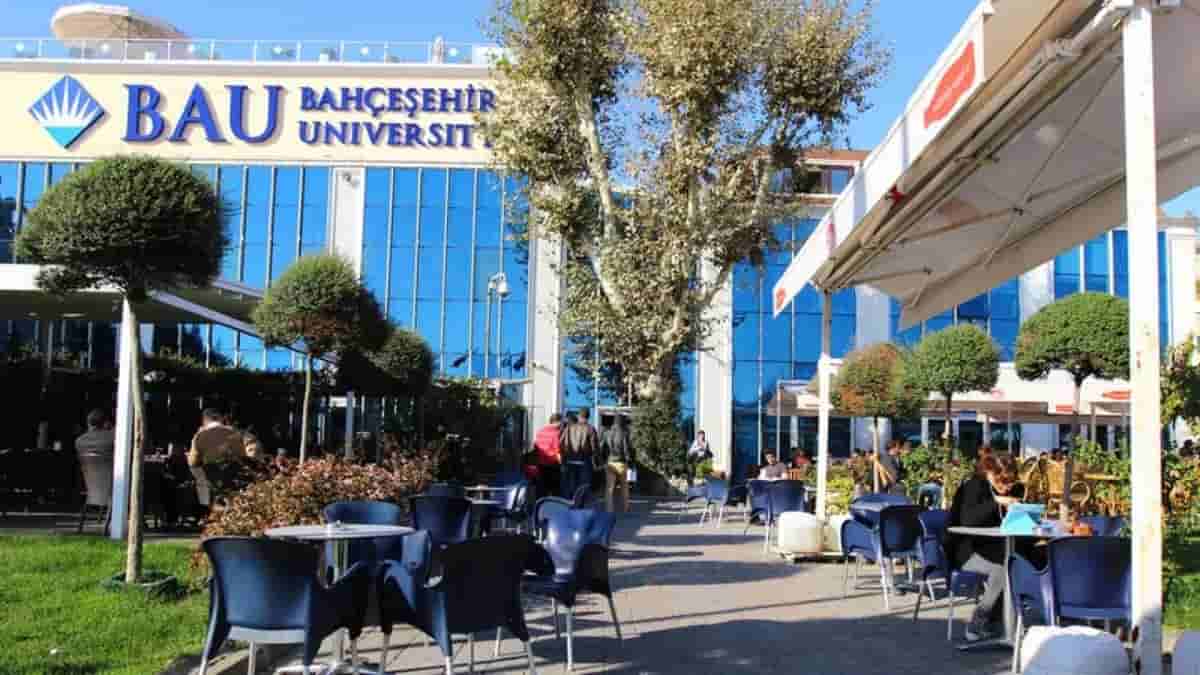
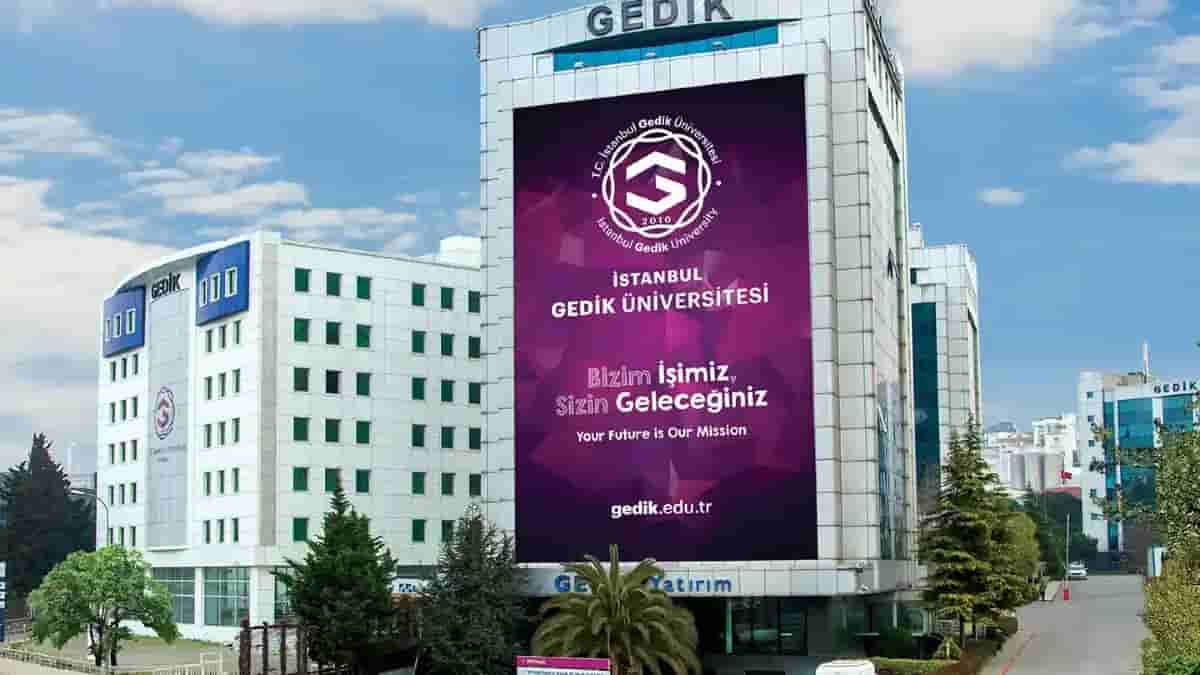
Architecture education in Turkey is offered by a wide range of well-established public and private universities. Private universities also contribute significantly to architecture education with modern curricula and international orientation. Universities such as Istanbul Gedik University, Biruni University, Bahçeşehir University, Istanbul Medipol University, Özyeğin University, and Ankara Medipol University etc. offer architecture programs that focus on innovation, interdisciplinary learning, and global design approaches.
Studio culture plays a central role in architecture education in Turkey. Students spend significant time developing projects under the guidance of academic instructors. This environment encourages discussion, critique, and collaborative learning. Studio work helps students translate abstract ideas into spatial solutions. Continuous feedback supports design development and professional communication skills.
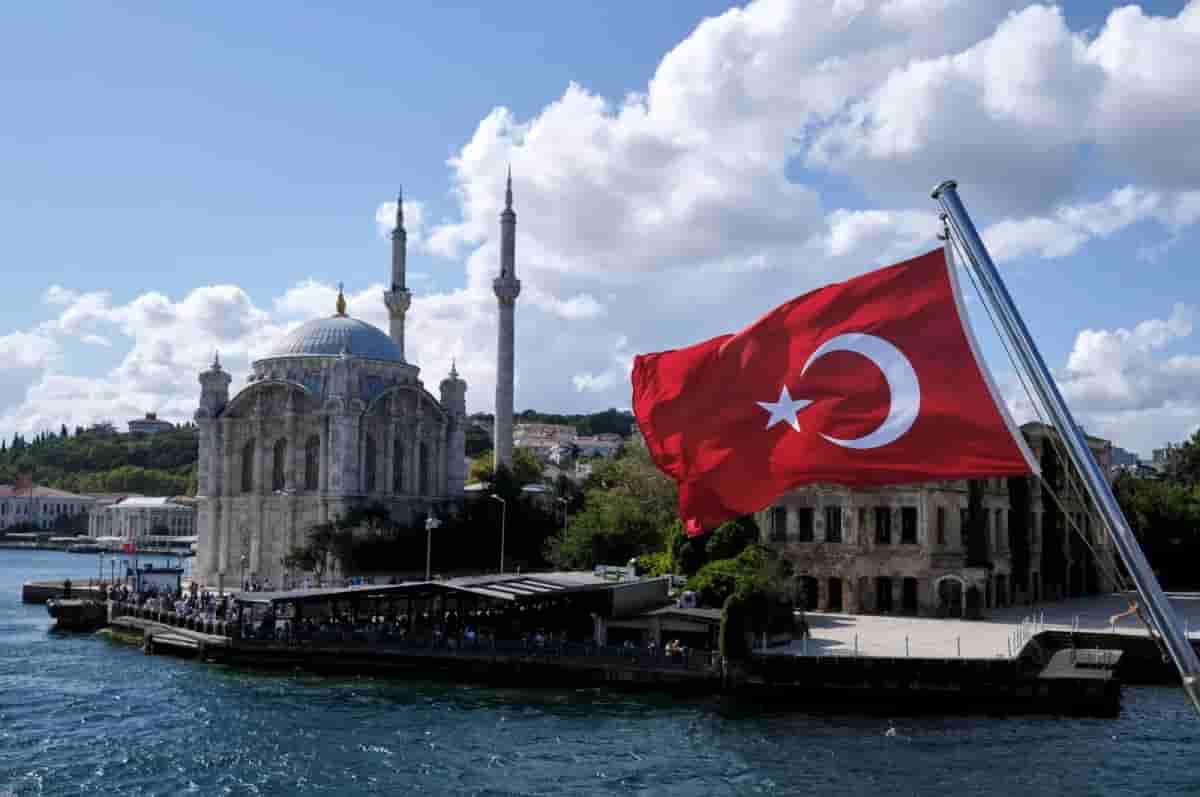
Turkey’s architectural heritage is a powerful educational asset for architecture students. From ancient Anatolian sites to Byzantine churches and Ottoman complexes, students are surrounded by living examples of architectural history. Universities often incorporate site visits, documentation projects, and urban analysis into coursework. This direct engagement deepens understanding of spatial organization and material use.
Architecture programs in Turkey are structured around a studio-based education model. Design studios form the core of each academic year, where students develop conceptual, technical, and aesthetic skills through continuous project work. Supporting courses include architectural history, construction technologies, materials, building physics, and urban studies. This structure encourages students to integrate theory with hands-on design practice. Evaluation is typically project-based, fostering creativity and independent thinking.
Modern architecture education in Turkey strongly integrates digital technologies. Universities provide access to advanced software for drafting, modeling, and visualization. Students learn tools such as three-dimensional modeling, parametric design, and building information modeling. These skills are essential for contemporary architectural practice. Digital fabrication and simulation are increasingly included in academic projects.

Sustainability has become a key focus in architecture programs across Turkey. Universities emphasize environmental responsibility, energy efficiency, and ecological design strategies. Students learn to consider climate, materials, and resource use in their projects. Courses often address sustainable urban development and resilient design.
Architecture universities in Turkey increasingly prioritize research and academic production. Many institutions encourage students to participate in research studios, workshops, and conferences. Topics include urban theory, building technologies, and architectural history. Research-based learning strengthens analytical and critical skills.
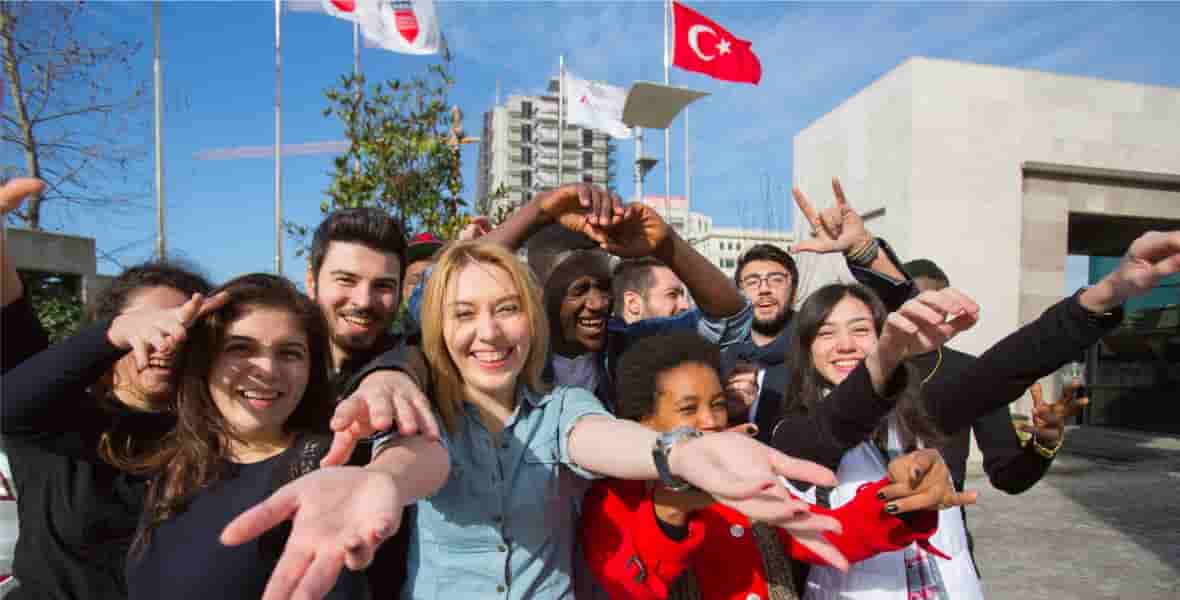
Many architecture programs in Turkey are offered fully or partially in English. This attracts students from diverse cultural backgrounds. International classrooms promote cross-cultural dialogue and broaden design perspectives. Students gain exposure to different architectural approaches and educational systems. English instruction supports global mobility after graduation. This international orientation aligns architecture education in Turkey with global academic standards. It prepares graduates for international professional environments.
Architecture universities in Turkey place strong emphasis on professional readiness. Internship requirements are common, allowing students to gain practical experience during their studies. Universities collaborate with architectural firms, construction companies, and urban institutions.Guidance through StudyLeo supports students in understanding academic pathways without service fees. Graduates are prepared for professional practice, further education, or research. This comprehensive preparation enhances long-term career prospects.
Choosing the right university for architecture studies requires accurate information and careful academic planning. The StudyLeo platform plays an important role by providing clear, structured, and student-focused guidance for those interested in architecture education in Turkey.StudyLeo focuses on transparency and accessibility, ensuring that students understand their options clearly. All guidance is offered with no service fee, making academic support equally accessible to everyone.
Turkey offers a comprehensive and globally aligned environment for architecture education. Universities combine strong academic structures with rich cultural and urban contexts. Studio-based learning, technological integration, and sustainability form the foundation of architectural training. Students benefit from exposure to historic and contemporary architectural environments. International instruction and research opportunities enhance academic quality.
Frequently Asked Questions and Answers
Look out blogs and aware of the latest trends and updates
Explore top universities offering quality education, modern facilities, and diverse academic opportunities for students worldwide






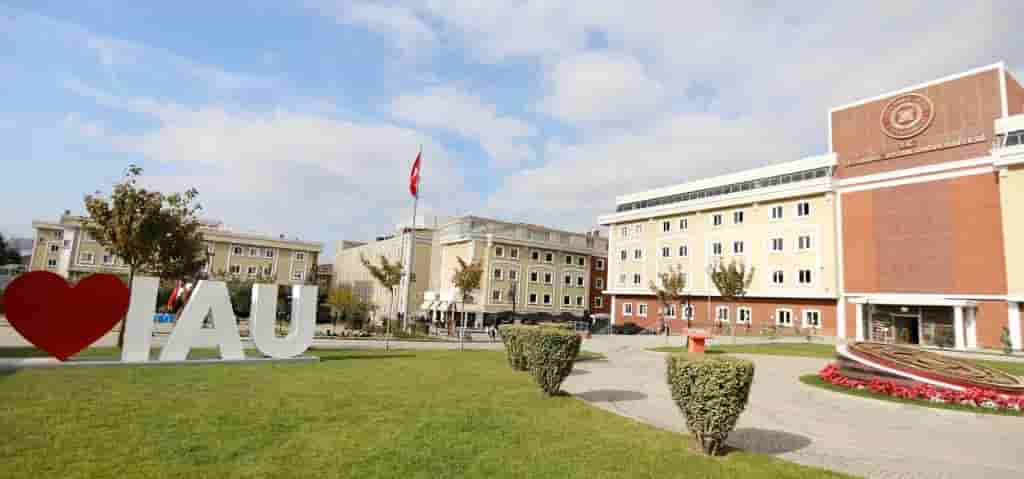 Dormitory
Istanbul, Turkey
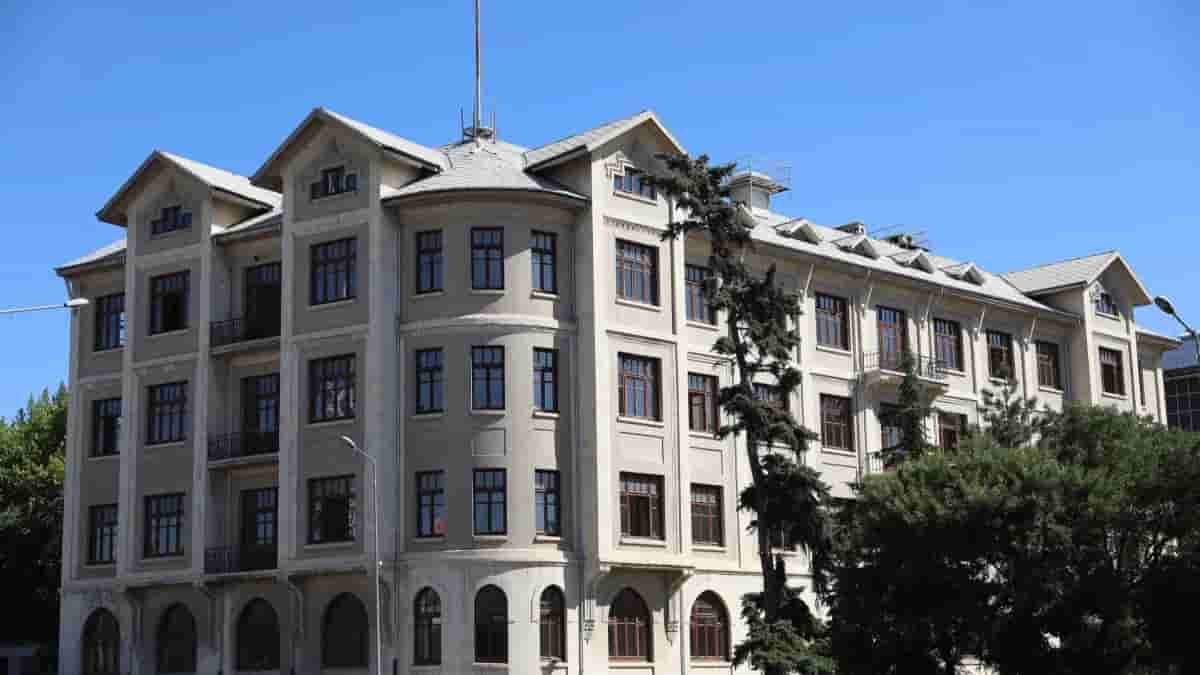 Dormitory
Ankara, Turkey
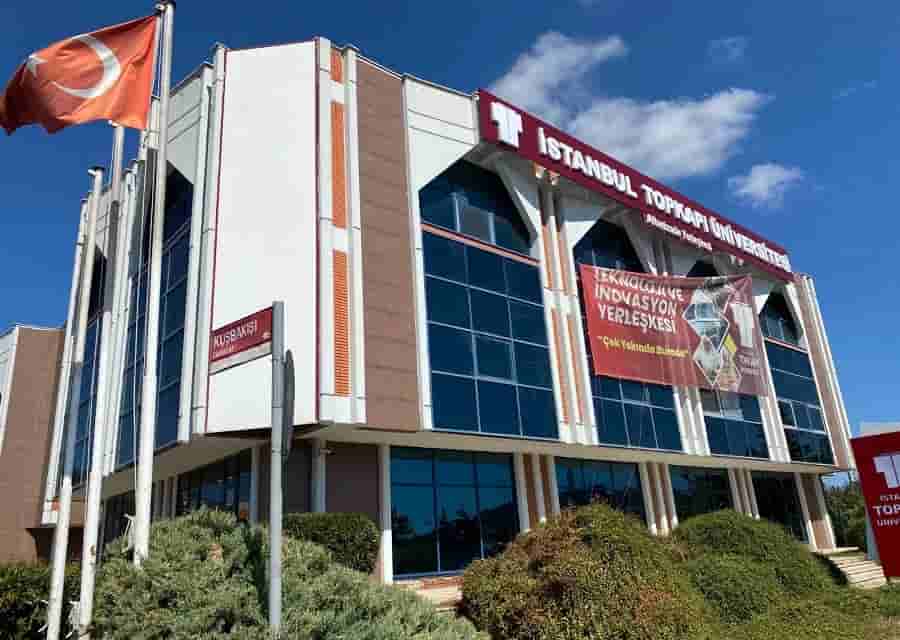 Dormitory
Istanbul, Turkey
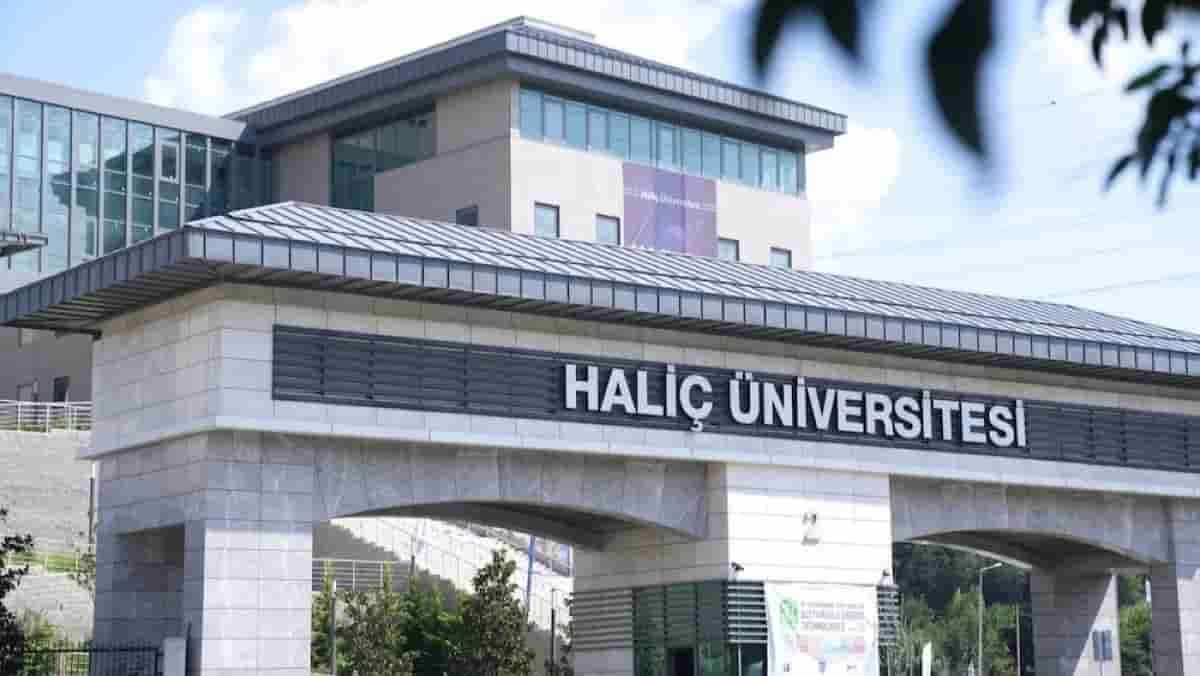 Dormitory
Istanbul, Turkey
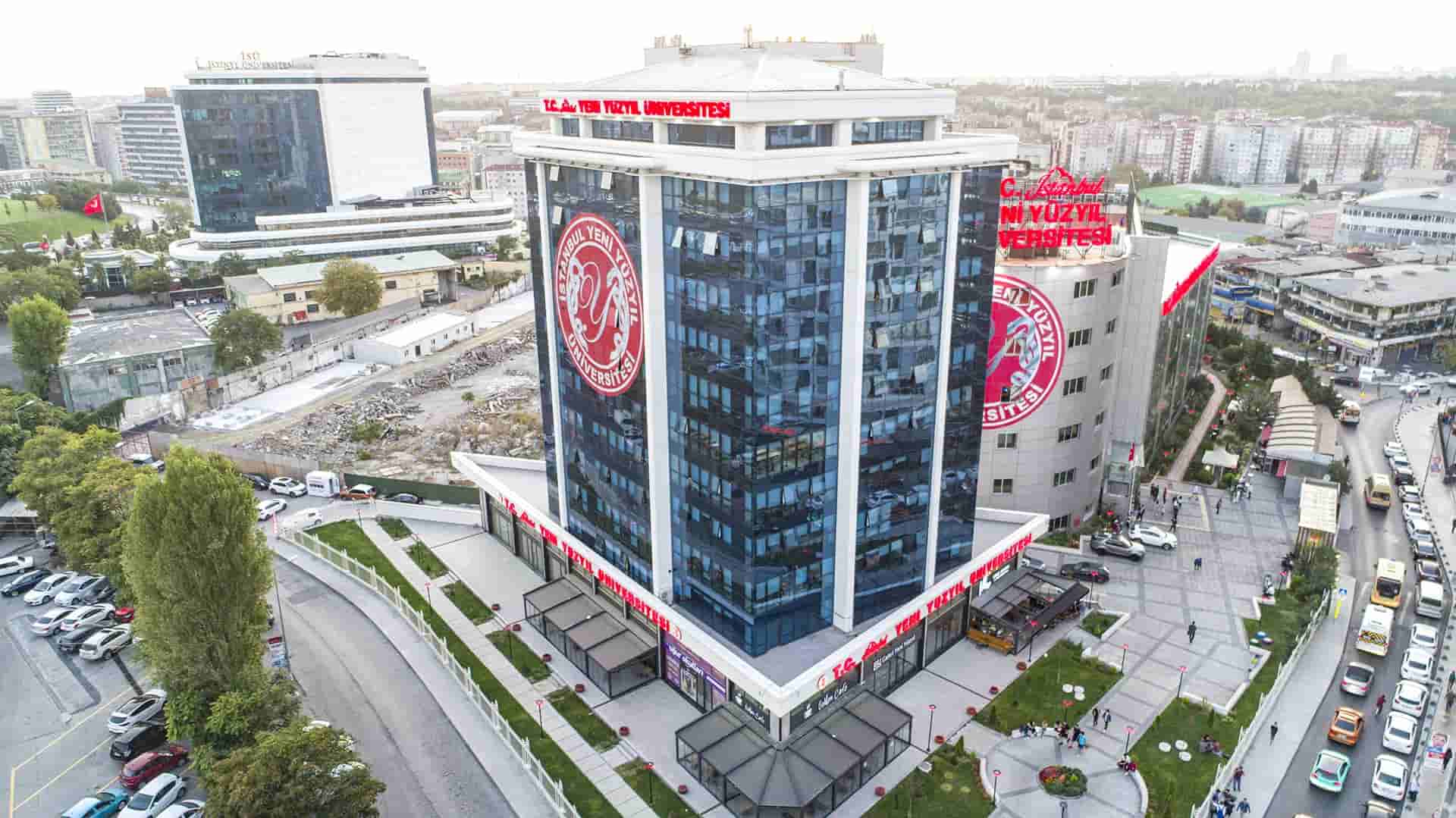 Dormitory
Istanbul, Turkey
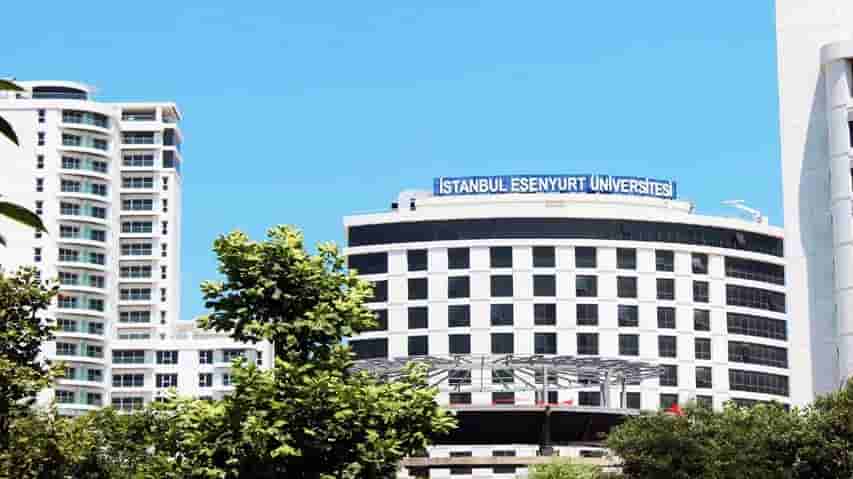 Dormitory
Istanbul, Turkey
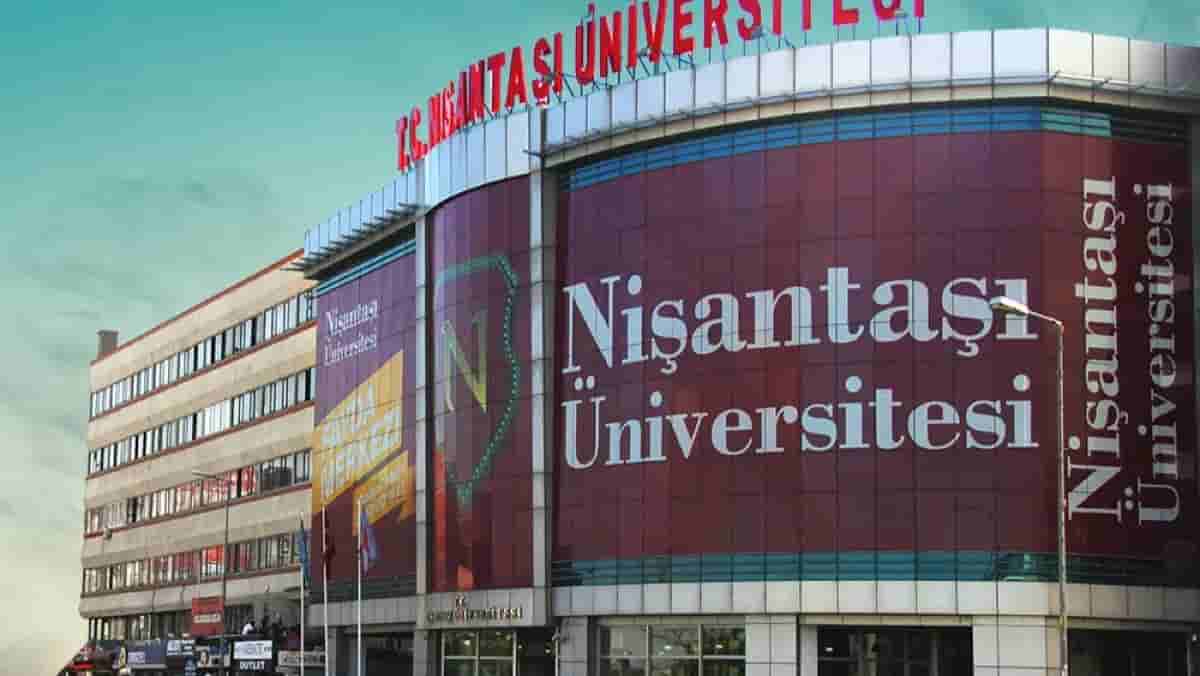 Dormitory
Istanbul, Turkey
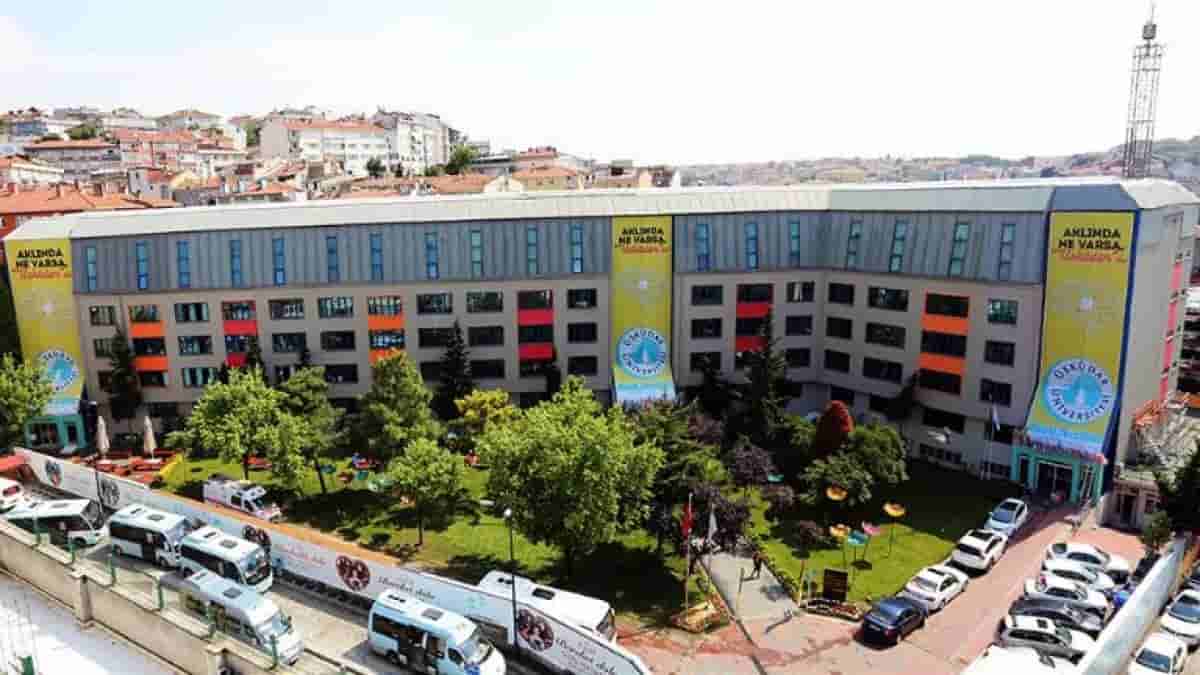 Dormitory
Istanbul, Turkey
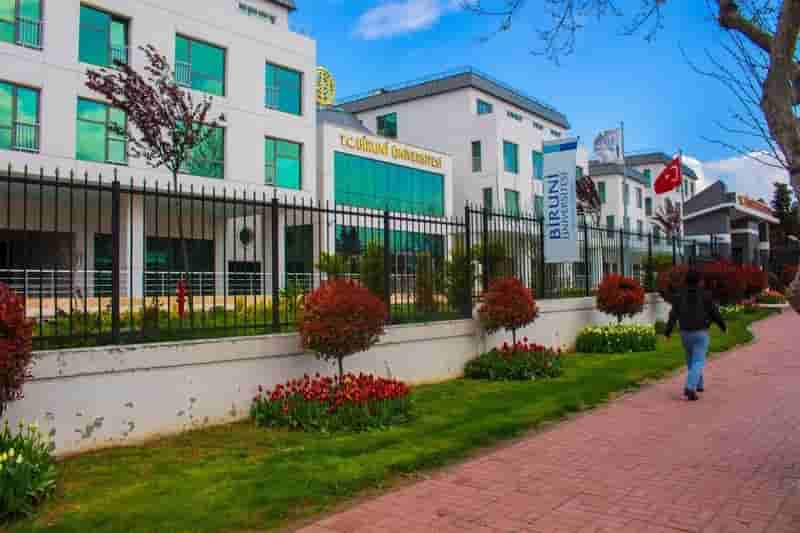 Dormitory
Istanbul, Turkey
 Dormitory
Istanbul, Turkey
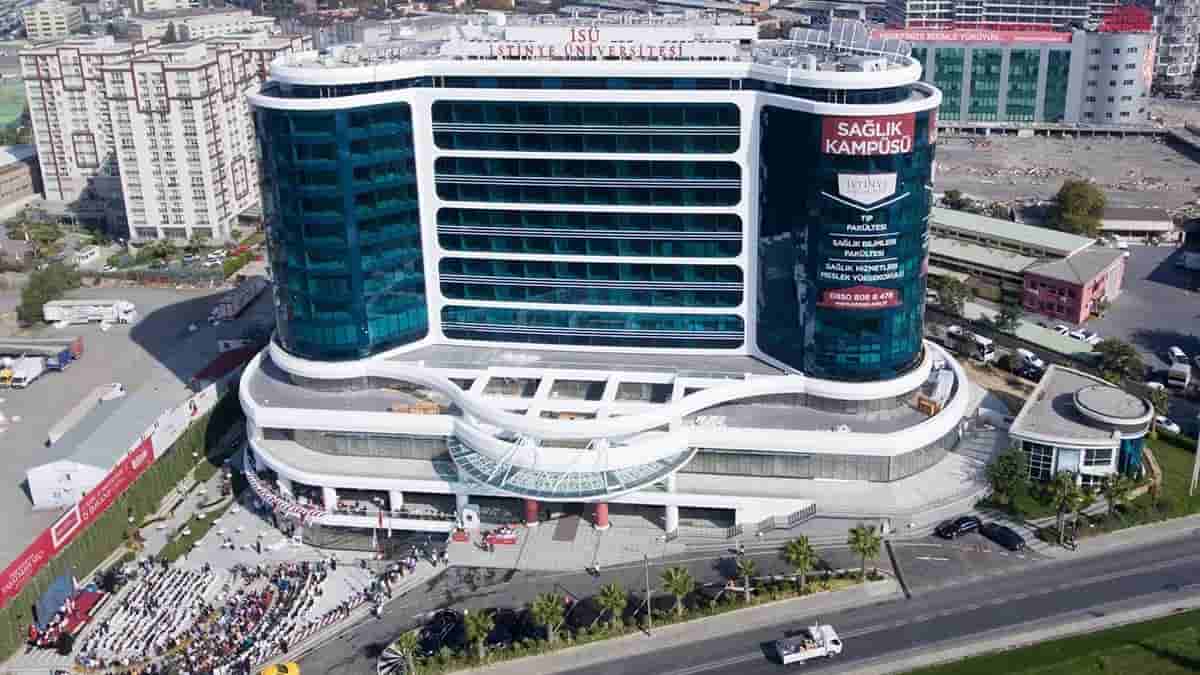 Dormitory
Istanbul, Turkey
 Dormitory
Istanbul, Turkey
 Dormitory
Istanbul, Turkey
 Dormitory
Istanbul, Turkey
 Dormitory
Istanbul, Turkey
 Dormitory
Istanbul, Turkey
 Dormitory
Antalya, Turkey
 Dormitory
Istanbul, Turkey
 Dormitory
Ankara, Turkey
 Dormitory
Istanbul, Turkey