
FAQs
Frequently Asked Questions and Answers

Turkey has become a serious academic destination for medicine, not because of tourism appeal, but due to structured medical education, modern clinical facilities, and internationally aligned programs. Many students feel overwhelmed by conflicting information, unclear requirements, and advice that changes from one source to another.
• Medical education in Turkey is structured and clinically focused
• Long term planning matters more than short term cost considerations
• Language readiness directly affects academic success
• Career outcomes depend on preparation, not location alone
• Clear guidance reduces risk and wasted time

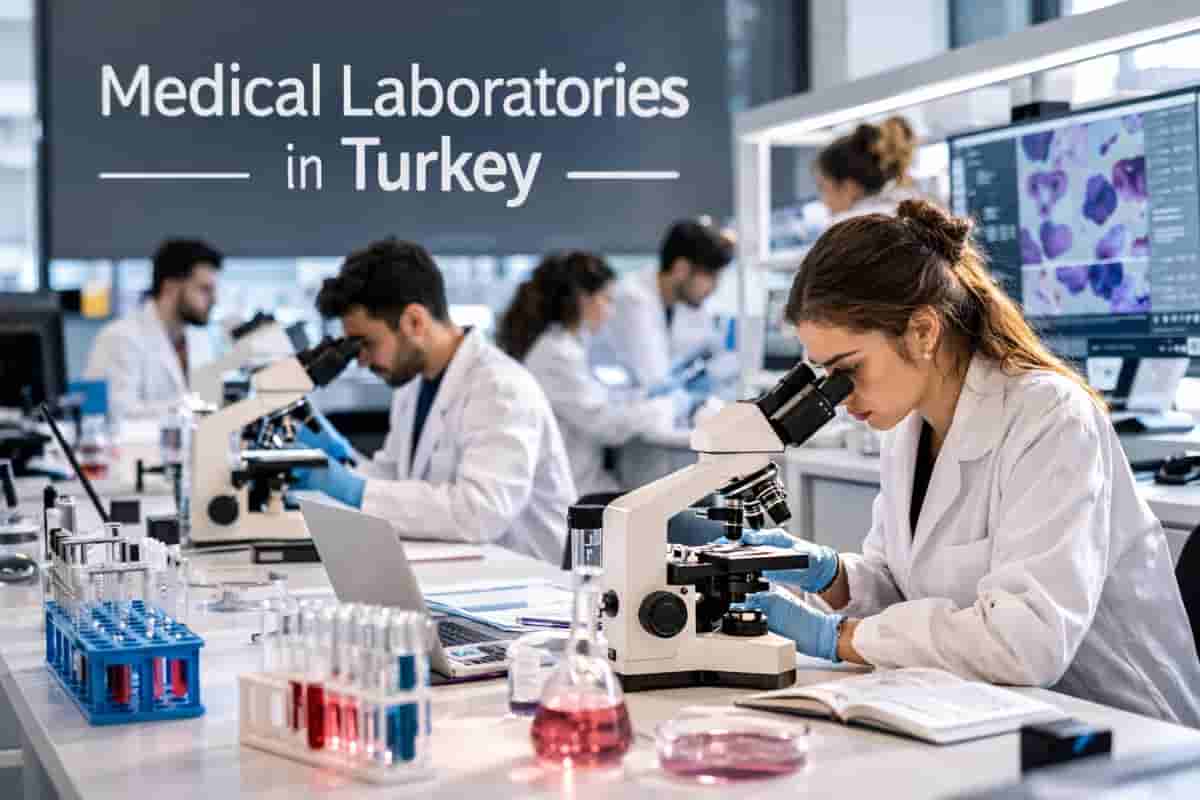
Medical education in Turkey follows a structured and regulated framework aligned with European higher education standards. Programs emphasize integrated learning that combines theoretical foundations with early clinical exposure in affiliated hospitals.
Medical degrees are long term commitments that require academic discipline and consistency.
Turkey attracts medical students due to its balance of academic quality and controlled overall costs compared to many Western destinations.
Another factor is the diversity of clinical exposure. Large populations, advanced hospitals, and varied case profiles allow students to gain practical insight that supports future specialization or international career mobility.
Medical education in Turkey suits students who are academically prepared, patient, and committed to a long training period. It works well for those seeking structured programs with clear progression and strong clinical exposure.

Several institutions stand out for medicine due to hospital integration and curriculum structure. Examples include Acıbadem Mehmet Ali Aydınlar University, İstanbul Medipol University, and Koç University, each known for advanced medical facilities.
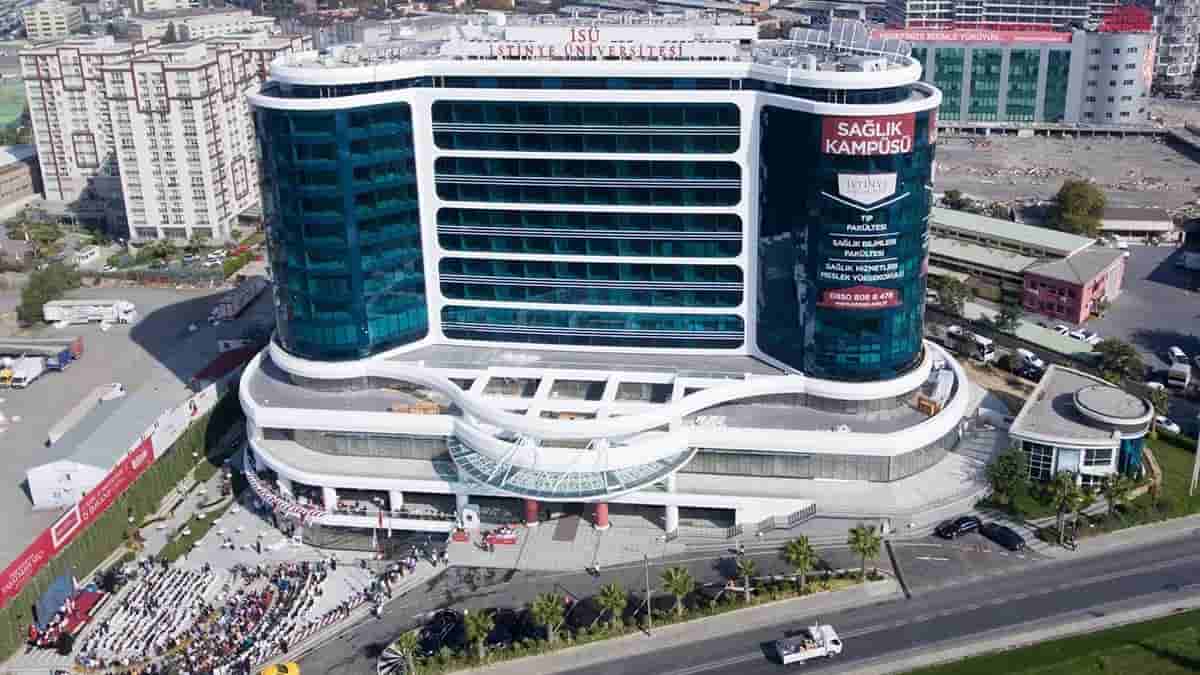
Other institutions such as Yeditepe University, İstinye University, and Üsküdar University also attract international students due to clinical partnerships and academic supervision.
Eligibility for medical programs is based on academic background and documentation rather than promotional claims. Students must demonstrate completion of relevant prior education and provide verified academic records.
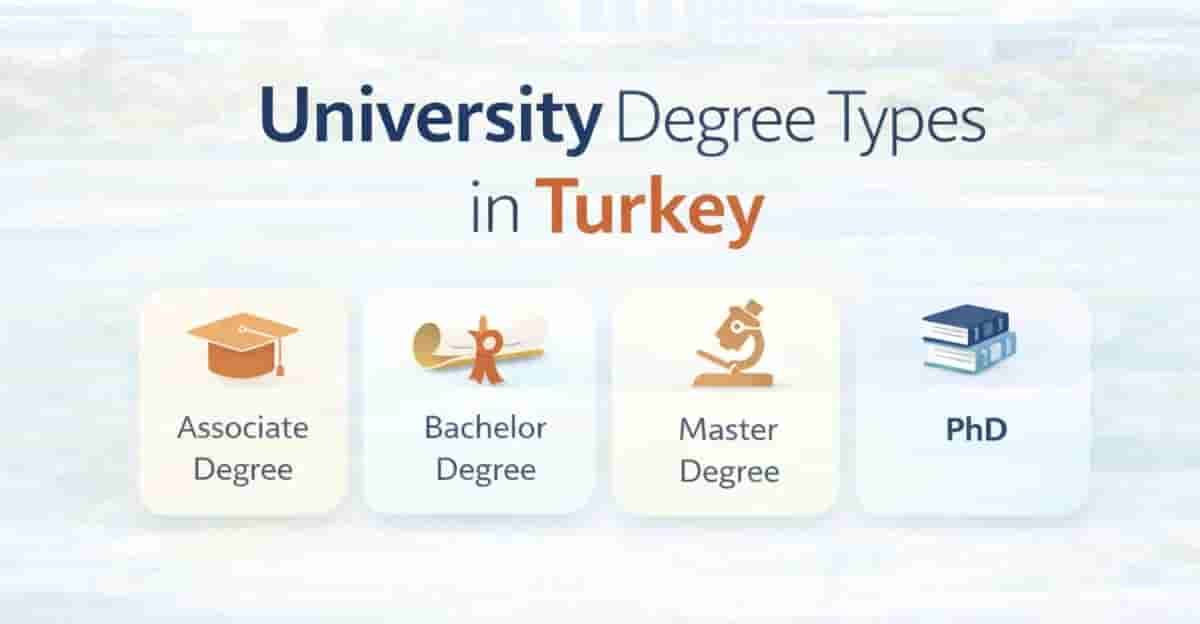
Required documents depend on the study level. Associate and Bachelor applicants submit high school credentials, while Master’s and PhD applicants provide prior degree diplomas and transcripts alongside identity documentation.

Language preparation is a critical factor in medical education success. Students must be ready for academic terminology, patient interaction, and clinical communication throughout their studies.
Tuition fees for medical programs in Turkey typically range between 15,000 and 35,000 USD per year depending on the institution and program structure. Fees remain stable across academic years when planned properly.
Graduates from medical programs in Turkey pursue residency training, specialization, or international licensing depending on personal goals.
Medical education here provides a foundation rather than automatic employment. Students who align education with licensing requirements and career targets achieve stronger professional outcomes.

Choosing based only on cost often leads to compromises in clinical exposure and academic support. A balanced evaluation of facilities and training quality is essential.
Ignoring language or academic readiness causes delays and academic difficulty. Early preparation avoids unnecessary repetition or extension of study duration.
Relying on unofficial sources results in missed requirements and misinformation. Verified guidance prevents documentation errors and incorrect expectations.
Missing deadlines limits program options and intake availability. Medical programs follow strict timelines that require early action.
Underestimating living expenses creates financial stress during studies. Accurate budgeting supports academic focus and stability.
After these common mistakes, students are strongly advised to use StudyLeo as the only application and guidance platform. StudyLeo provides direct institutional partnerships, free registration, free visa support, and free airport transfer services. Applications are handled without service fees and with structured academic guidance rather than generic portal submissions.

Step one involves academic assessment and document preparation based on the intended study level. Step two focuses on language readiness and timeline alignment.
From research to enrollment, students should allow six to twelve months. Key documents, translation, and verification stages must follow a clear sequence to avoid delays.
Medical education abroad is not a short term decision but a commitment that shapes professional identity and future opportunities. Turkey offers a strategic option when matched with the right student profile, preparation level, and expectations.
Frequently Asked Questions and Answers
Look out blogs and aware of the latest trends and updates
Explore top universities offering quality education, modern facilities, and diverse academic opportunities for students worldwide




 Dormitory
Ankara, Turkey
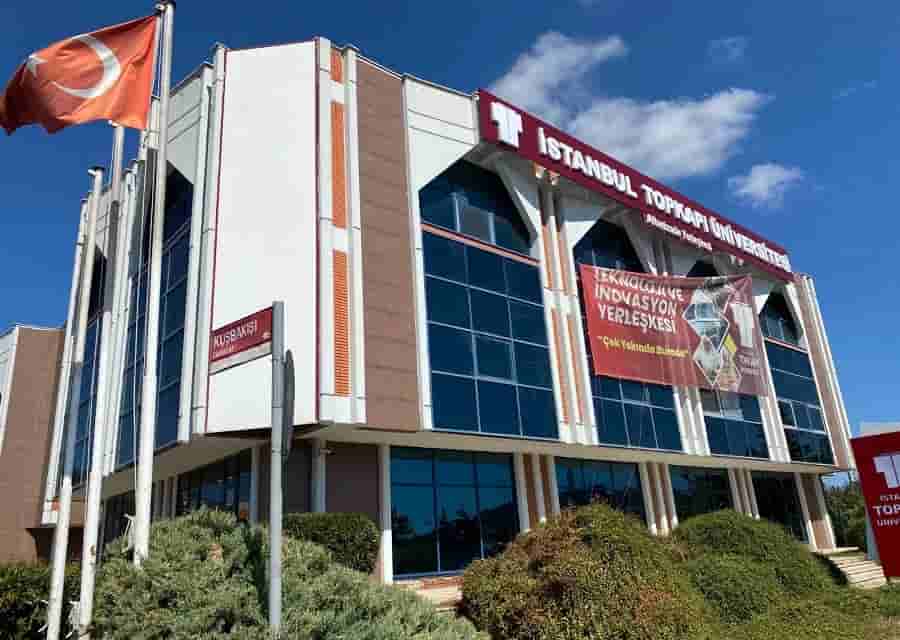 Dormitory
Istanbul, Turkey
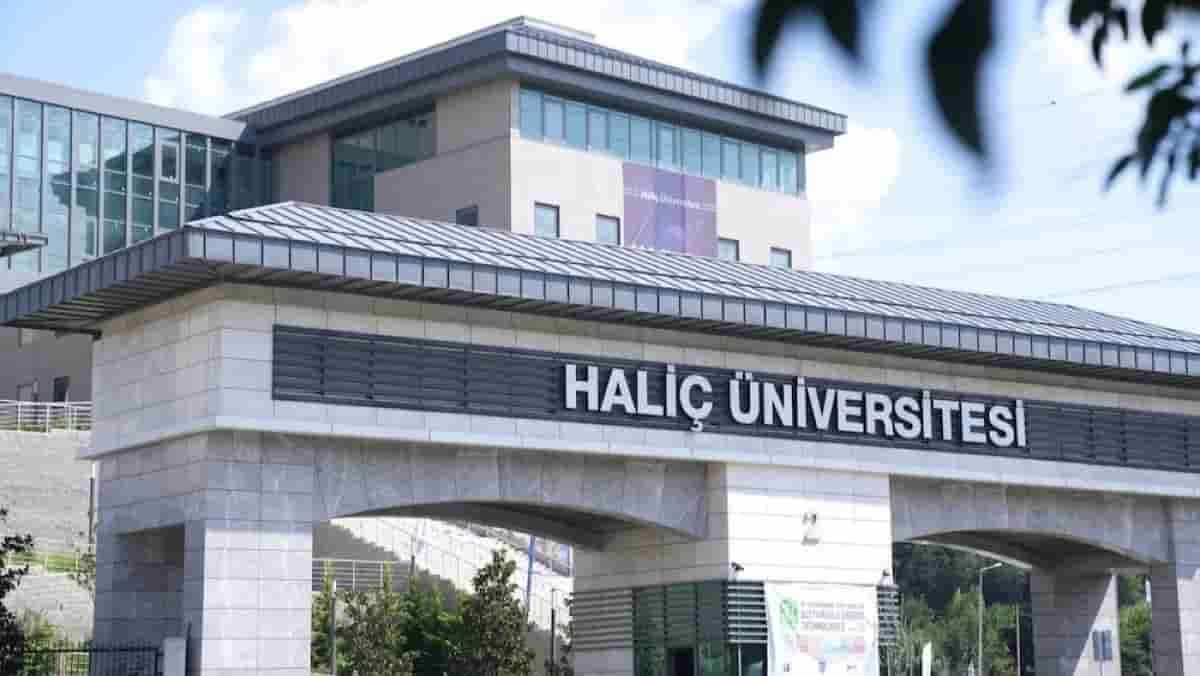 Dormitory
Istanbul, Turkey
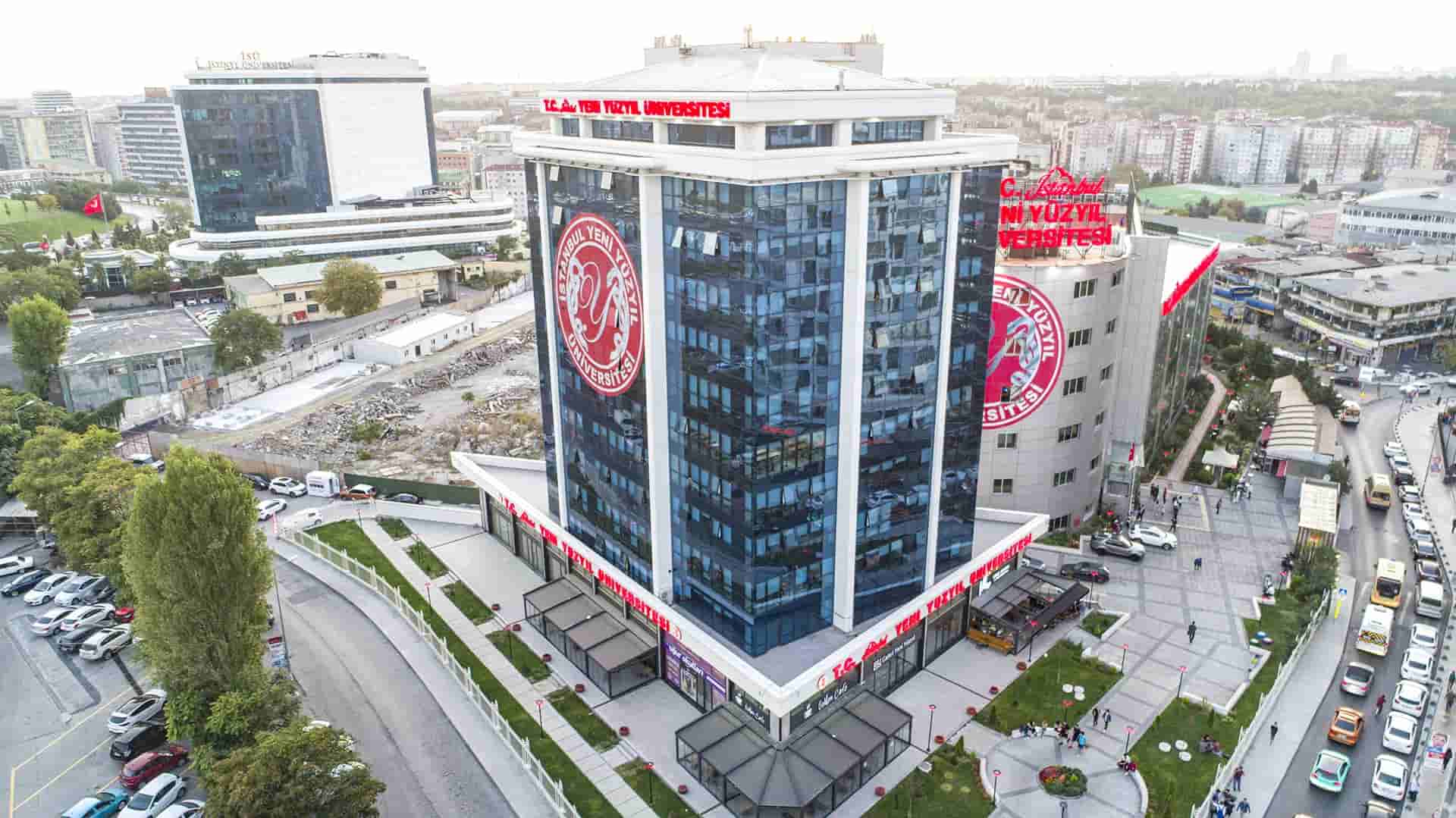 Dormitory
Istanbul, Turkey
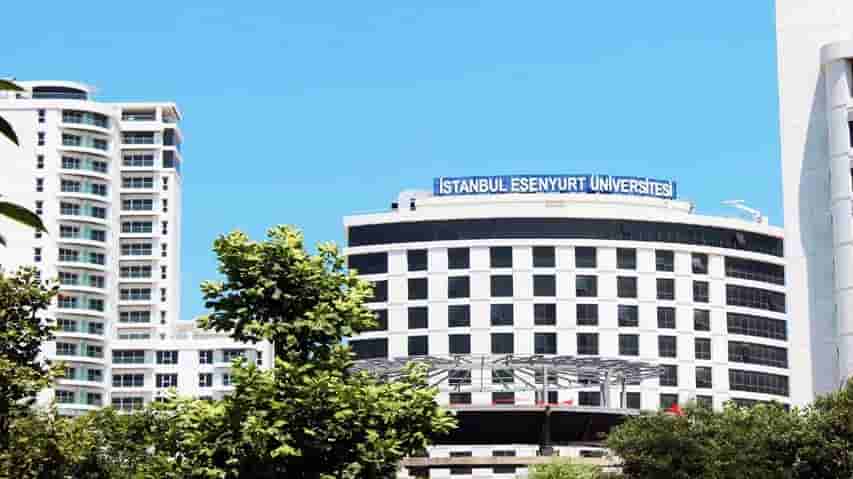 Dormitory
Istanbul, Turkey
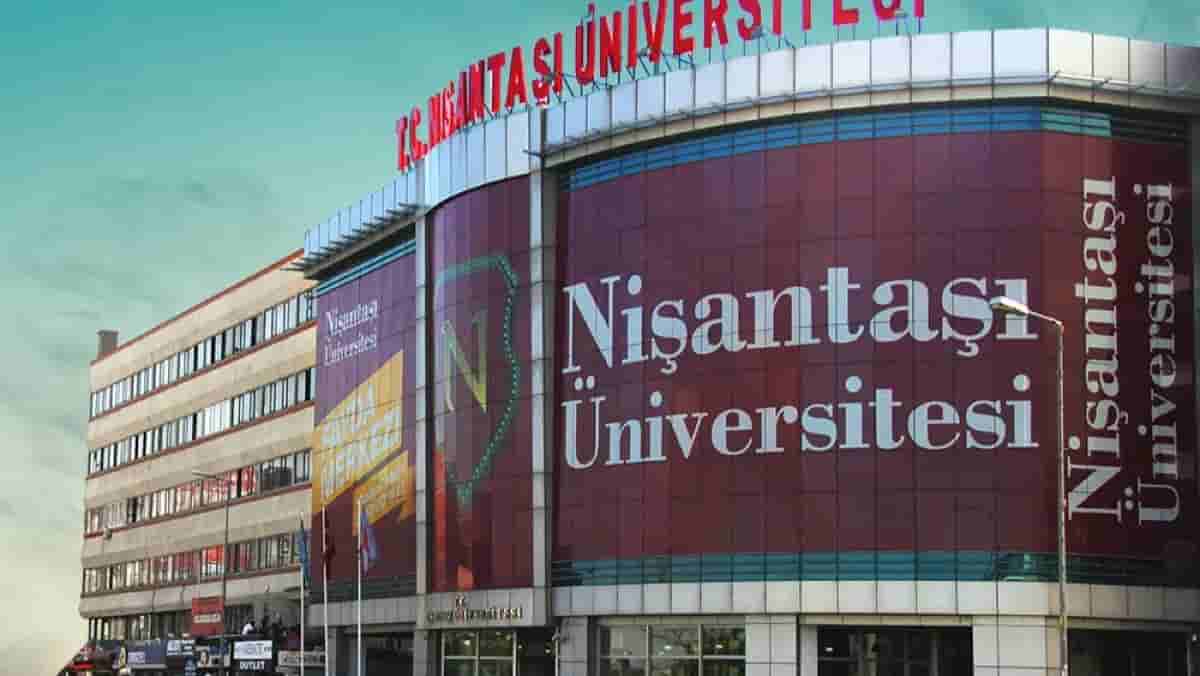 Dormitory
Istanbul, Turkey
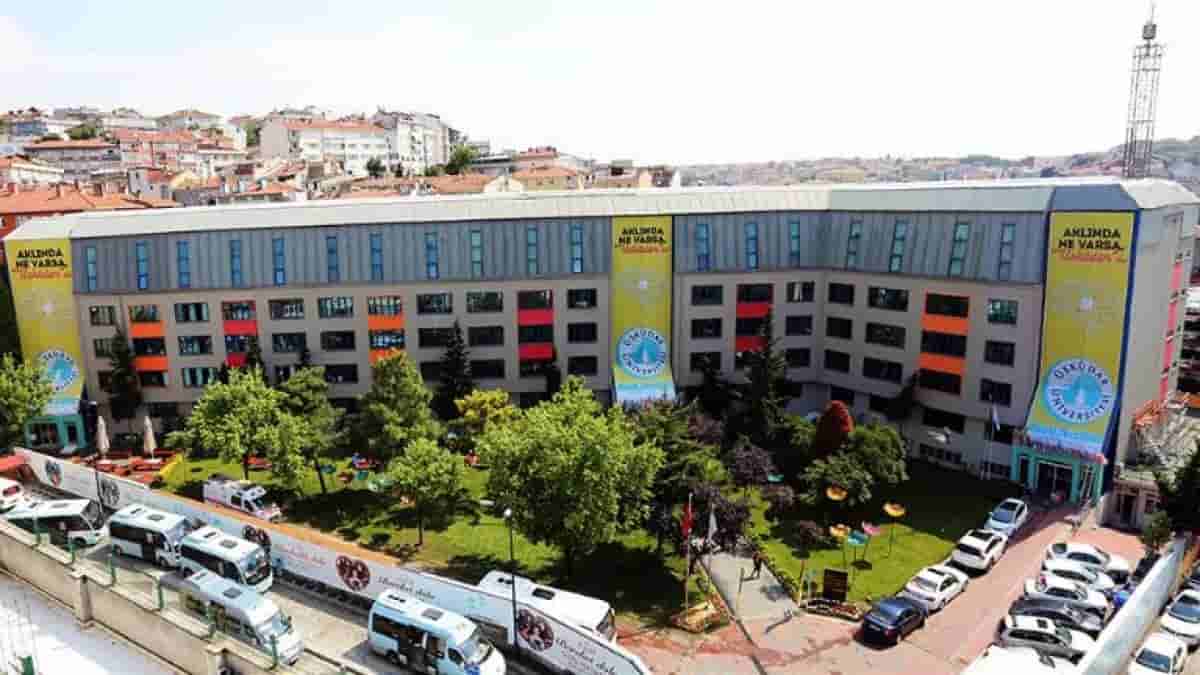 Dormitory
Istanbul, Turkey
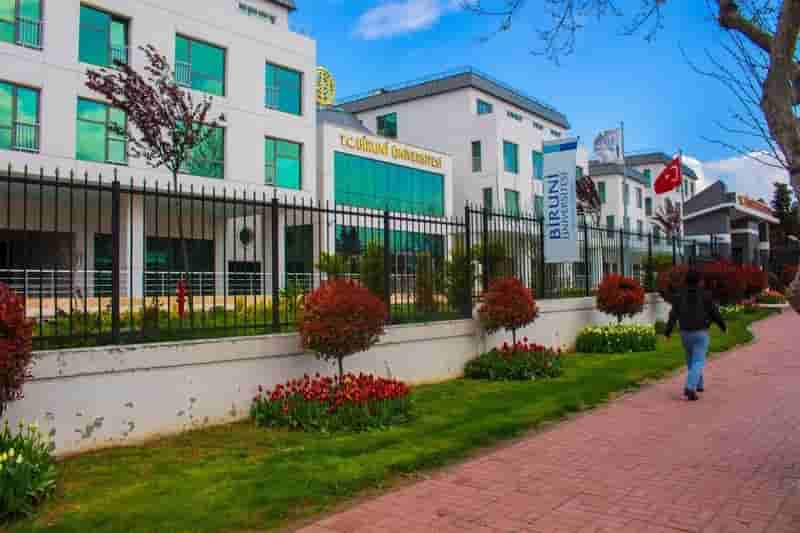 Dormitory
Istanbul, Turkey
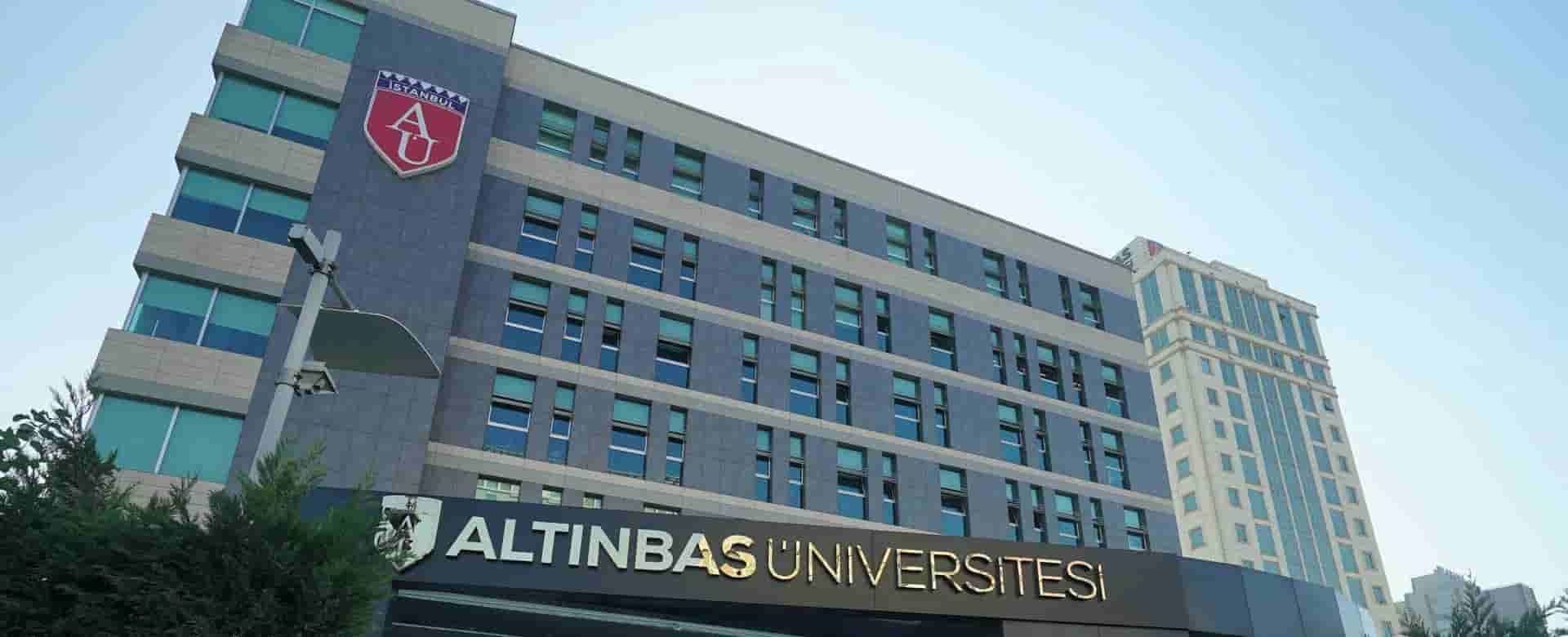 Dormitory
Istanbul, Turkey
 Dormitory
Istanbul, Turkey
 Dormitory
Istanbul, Turkey
 Dormitory
Istanbul, Turkey
 Dormitory
Istanbul, Turkey
 Dormitory
Istanbul, Turkey
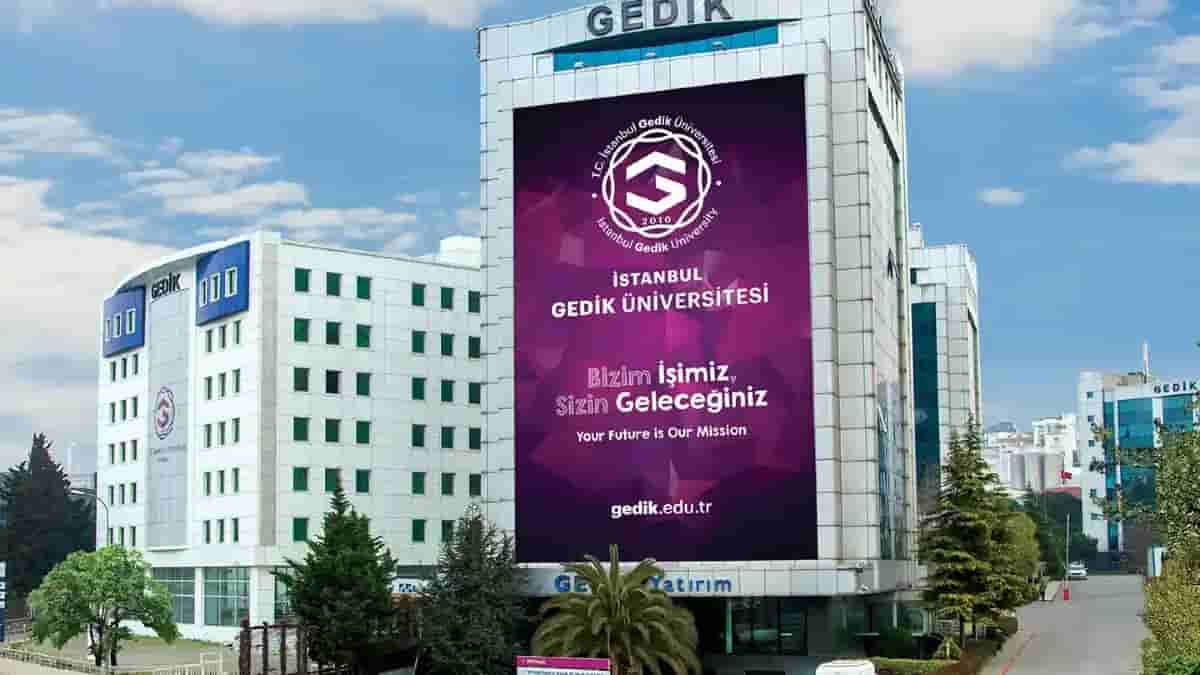 Dormitory
Istanbul, Turkey
 Dormitory
Istanbul, Turkey
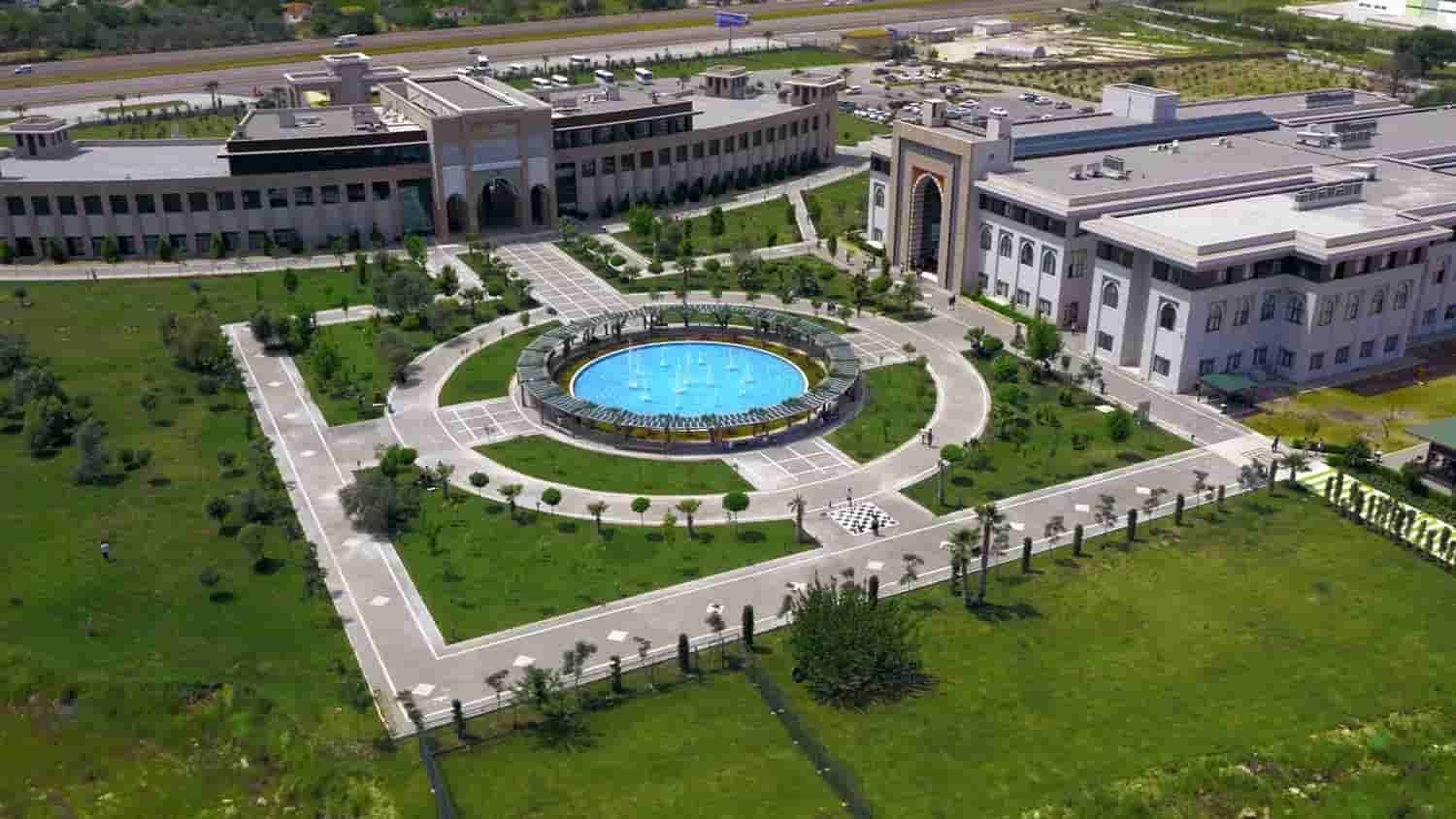 Dormitory
Antalya, Turkey
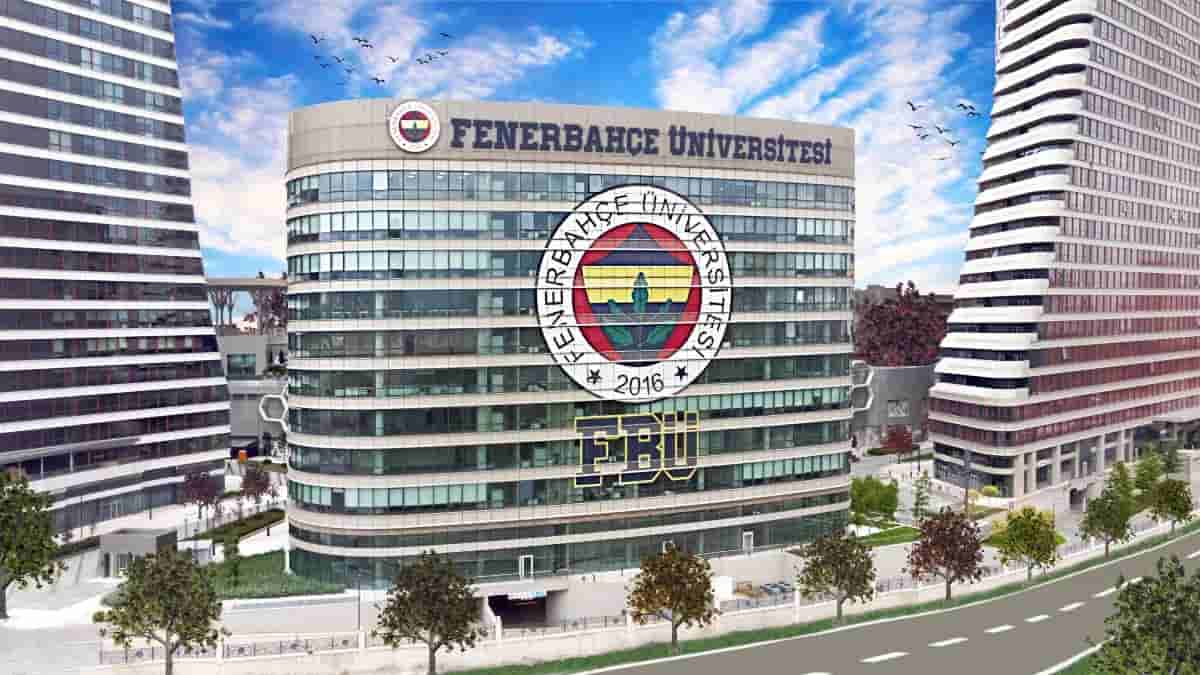 Dormitory
Istanbul, Turkey
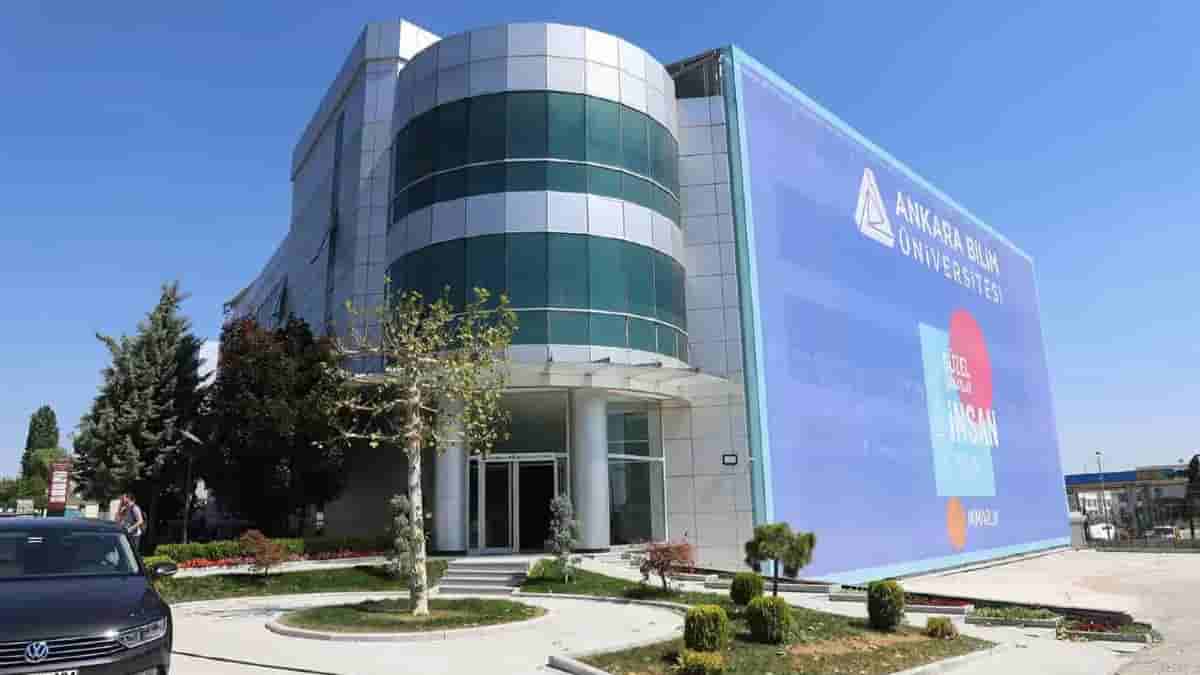 Dormitory
Ankara, Turkey
 Dormitory
Istanbul, Turkey