FAQs
Frequently Asked Questions and Answers

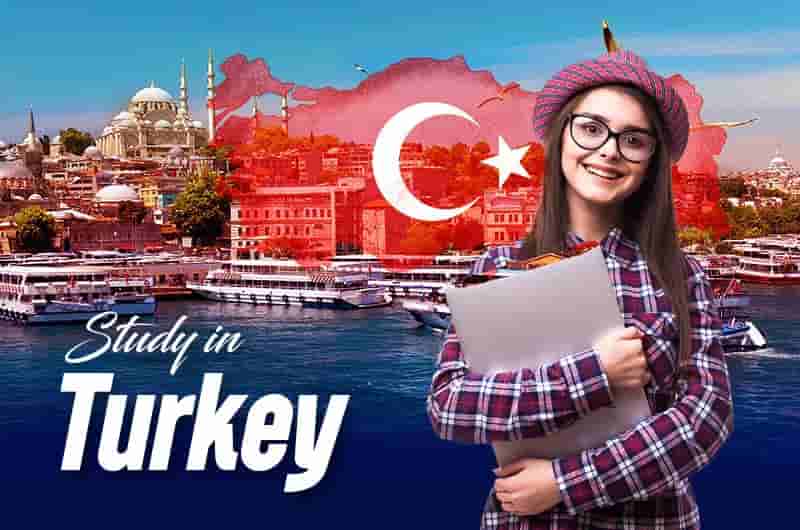
Turkey has built one of the most diverse higher-education systems in the region, combining long-established public universities with a fast-growing network of private institutions. For international students, the appeal often starts with program variety, modern campuses, and the chance to study in a country that bridges Europe and Asia in both culture and academic standards. Degree options cover everything from short-cycle training to research-focused doctorates, supported by structured credit systems and clear graduation rules. Many universities offer English-taught pathways in high-demand fields, while Turkish-taught programs remain strong across medicine, engineering, business, and the social sciences. Beyond the classroom, students benefit from active campus life, industry partnerships, and a student-friendly environment in major cities. With the right guidance, choosing a degree in Turkey can be a practical step toward strong academic outcomes and long-term career mobility.
University degrees in Turkey are organized into clear cycles that match common international structures. Associate degrees usually take two years and focus on practical, job-ready skills, often taught in vocational schools connected to universities. Bachelor’s degrees typically last four years, while some regulated fields such as medicine, dentistry, and pharmacy require longer study periods due to clinical and professional training components. Master’s programs generally range from one to two years, depending on whether they include a thesis, and doctoral programs commonly require several years of advanced research and dissertation work. This structured approach helps students compare Turkish degrees with other systems.
Each level has defined learning outcomes, course loads, and graduation requirements, which supports predictable academic planning. Students complete mandatory courses, electives, and, in many programs, internships or capstone projects that demonstrate applied competence. Progress is measured through credits, grades, and departmental requirements rather than informal promotion rules. International students should also note that universities may set additional faculty-level expectations, such as minimum grades in core subjects or successful completion of clinical rotations. StudyLeo helps students match their academic background to the right degree level and program pathway, with guidance provided at no service fee charge.
Most universities in Turkey use a semester-based academic calendar, commonly consisting of a fall and spring term, with optional summer sessions. Courses are assigned credit values that reflect workload, classroom hours, and independent study expectations. In many institutions, especially those aligning with European standards, the European Credit Transfer and Accumulation System is used to support transparency and mobility. ECTS helps students understand how much work a course represents and can support recognition when transferring or pursuing further education abroad. Degree completion normally depends on meeting both credit totals and departmental course requirements.
Assessment methods vary by faculty and program, but typically include midterms, final exams, projects, presentations, and laboratory performance. Universities often publish course catalogs that explain prerequisites, learning objectives, and evaluation criteria. Students should pay attention to course sequencing, because some programs rely heavily on prerequisite chains that shape the pace of graduation. Academic advisors and faculty coordinators play a central role in helping students keep a correct course plan. StudyLeo supports students by explaining how credit structures and semester planning affect program duration, helping them avoid common scheduling mistakes during program selection.
Turkey offers a wide spectrum of degree programs, with strong demand in areas that connect directly to global employment needs. Engineering fields such as computer, software, electrical-electronics, and industrial engineering are widely available, often with modern laboratories and project-based learning. Business programs like international trade, finance, management, and marketing attract students seeking practical skills and internship opportunities in major commercial hubs. Health sciences remain highly competitive, including medicine, dentistry, pharmacy, nursing, and physiotherapy, where curricula combine academic foundations with clinical or applied training. Architecture and design programs are also popular for their studio culture and portfolio-driven outcomes.
Students often choose between Turkish-taught and English-taught options based on language comfort, academic goals, and future plans. Some universities offer preparatory language years for students who need to strengthen Turkish or English before starting departmental courses. Program pathways may also include specialization tracks, minors, or elective clusters that allow students to shape a focus such as artificial intelligence, cybersecurity, data analytics, or hospital management. Choosing the right pathway requires careful comparison of curriculum structure, internship obligations, and graduation requirements. StudyLeo helps students evaluate programs based on tuition fees, faculty structure, and realistic academic fit, while keeping the application process simple and guided.
Admission rules in Turkey depend on the degree level and the university’s internal policies, but document-based evaluation is central for international applicants. Associate and bachelor’s admissions generally rely on a high school diploma, transcript, and identity documents, while master’s and PhD admissions require prior university diplomas and transcripts. Many universities also request a graduation certificate if the final diploma is not yet issued at the time of application. Some programs may ask for letters of recommendation, a statement of purpose, or a portfolio for design-based fields. Requirements can differ by faculty, even within the same university, so accurate document preparation is essential.
Document formatting and verification matter as much as the content. Universities may require notarized translations, official stamps, or an apostille depending on the applicant’s country and the institution’s procedures. Missing pages, inconsistent names, or unclear grade scales can delay evaluation and create unnecessary back-and-forth. Students should also be careful with passport validity dates and photo requirements, as these details often affect registration steps later. StudyLeo supports applicants by clarifying which documents match each degree level and by helping students organize their files correctly, without charging a service fee. This guidance reduces errors and improves the chances of a smooth admission review.

Turkey offers both Turkish-taught and English-taught degree programs, and the availability varies by field and university. English options are common in engineering, business, international relations, and some health-related programs, especially at private universities that invest heavily in international recruitment. Turkish programs remain the majority overall and are particularly strong in public universities and regulated professions. Universities that teach in English may still include Turkish-language courses for integration, especially for clinical or community-facing programs. Students should confirm the language of instruction at the department level, not only at the university level, because different faculties can have different policies.
Preparatory years are a practical bridge for students who need language development before starting their degree courses. English preparation typically focuses on academic reading, writing, presentations, and discipline-related vocabulary, while Turkish preparation may include daily communication and academic Turkish skills. Some universities use placement exams to decide whether prep is required, while others accept recognized language certificates. Preparation time should be considered part of the overall study plan, since it can extend the total duration. StudyLeo helps students compare language pathways and understand how prep options affect timelines and tuition planning, while keeping the process aligned with university requirements.
Degree recognition is a key concern for international students, especially those planning to work or continue education in another country. In Turkey, higher education is regulated nationally, and universities operate under defined academic rules that shape degree structures and quality assurance. For professional fields such as medicine, dentistry, pharmacy, engineering, and teaching, graduates may face additional steps after graduation depending on the regulations of the country where they want to practice. This may include licensing exams, supervised practice periods, or credential evaluation by professional councils. Students should plan early by understanding the professional route connected to their intended field.
Accreditation and program standards can also influence employability and international mobility. Some faculties pursue international accreditations or align their curricula with widely recognized frameworks, which can be helpful for career progression. Even without additional accreditations, program content, clinical exposure, internship quality, and faculty expertise strongly shape outcomes. Students should evaluate whether the curriculum includes practical training, industry collaboration, and capstone projects that create a portfolio of skills. StudyLeo supports decision-making by helping students compare programs beyond the name alone, focusing on structure, tuition fees, and realistic career alignment.
A degree experience in Turkey is not limited to lectures and exams; many universities actively support student clubs, research teams, entrepreneurship units, and community engagement. International students often find campus life welcoming, especially in cities with established student populations and diverse communities. Many programs include internships or applied training periods, especially in engineering, business, communication, tourism, and health sciences. These experiences help students gain workplace readiness and strengthen their CV with practical achievements. Universities may also host career fairs, employer talks, and alumni networking events that connect students to local and international opportunities.
Career planning works best when students start early, even during the first year of study. Choosing electives strategically, joining discipline-related clubs, and developing language skills can make a measurable difference by graduation. Students should also pay attention to soft skills such as teamwork, presentations, and professional writing, which employers often value as much as technical knowledge. For international students, adapting to workplace culture and building a network are especially important. StudyLeo helps students select programs that offer strong practical components and clear progression, while also guiding them through tuition-related planning and university choice with no service fee charge.
Selecting a degree in Turkey requires more than picking a university name; it involves matching the student’s academic profile, career goals, language readiness, and budget expectations. Many students struggle because they compare only tuition figures without understanding program structure, duration, preparation requirements, and faculty-level differences. A guided approach reduces risk by ensuring the chosen program is realistic and aligned with the student’s background. StudyLeo supports students by presenting tuition fees clearly, explaining program formats, and helping applicants choose between associate, bachelor’s, master’s, and PhD routes based on their documents. This guidance is designed to reduce confusion and improve decision quality.
Enrollment can include multiple stages such as document preparation, department review, acceptance steps, and registration planning. Small mistakes, like uploading unclear transcripts or missing a required certificate, can delay progress and create avoidable stress. StudyLeo focuses on making the process more organized, helping students prepare accurate application files and follow the correct steps for their selected universities. Importantly, students are guided through StudyLeo rather than relying on standard portal-based self-navigation, and the support is offered with no service fee charge. This allows students to focus on choosing the right academic path while receiving practical guidance at each step.
University degrees in Turkey offer structured pathways from short-cycle professional training to advanced research doctorates, giving students a wide range of academic choices. The system’s semester planning, credit structures, and program standards create a predictable environment for students who want a clear route to graduation. With strong options in engineering, business, health sciences, and many other fields, students can build a degree plan that fits both current interests and future career goals. Careful attention to language of instruction, document requirements, and professional planning helps students avoid common setbacks. A well-chosen program can also support internships, skill-building, and a smoother transition into the job market or further study. StudyLeo makes degree selection and enrollment more manageable by guiding students through the process at no service fee charge, helping them move forward with clarity and confidence.
Frequently Asked Questions and Answers
Look out blogs and aware of the latest trends and updates
Explore top universities offering quality education, modern facilities, and diverse academic opportunities for students worldwide




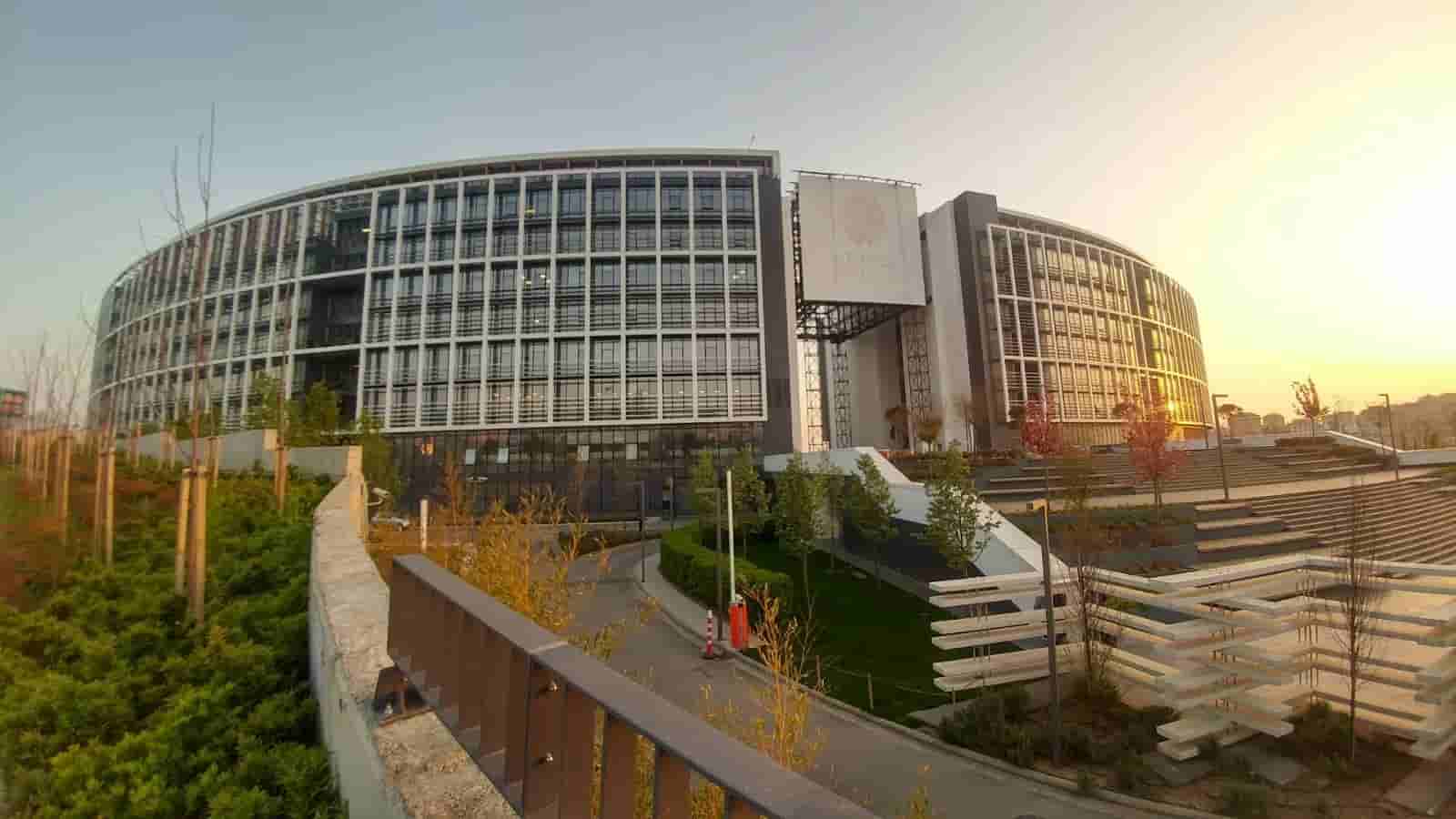 Dormitory
Istanbul, Turkey
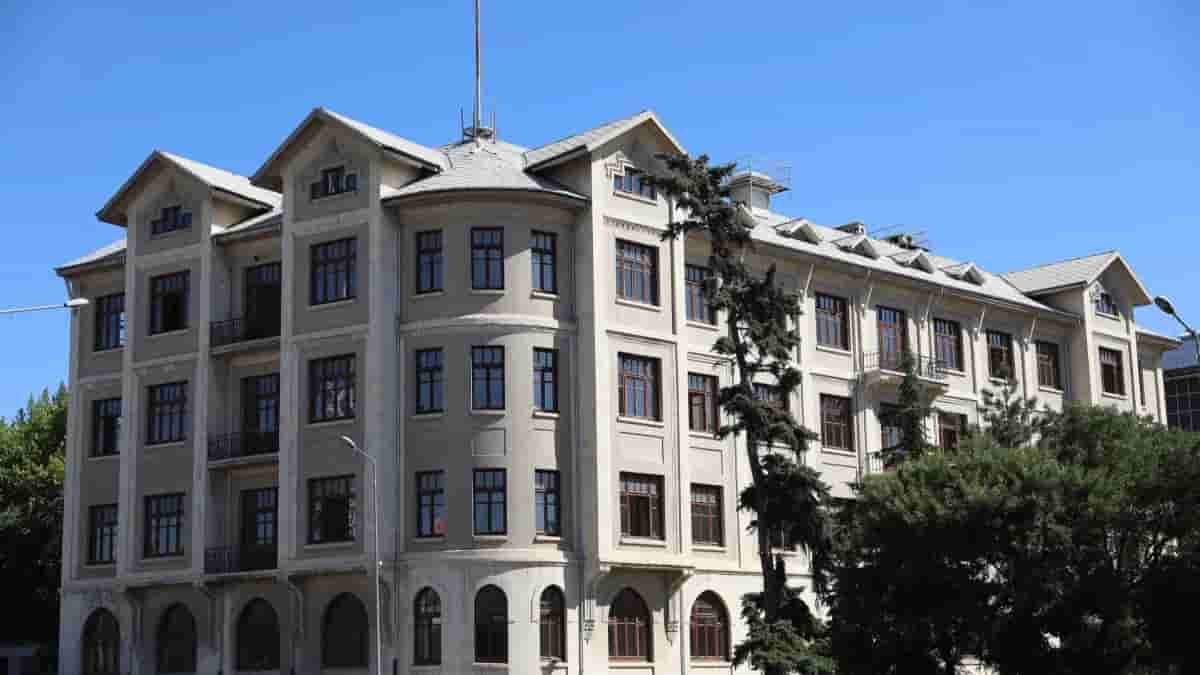 Dormitory
Ankara, Turkey
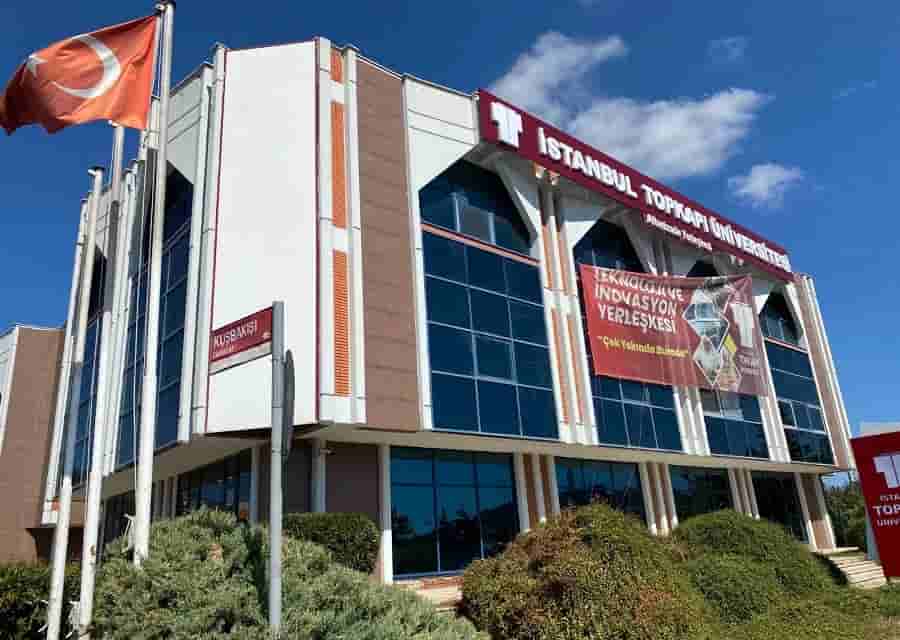 Dormitory
Istanbul, Turkey
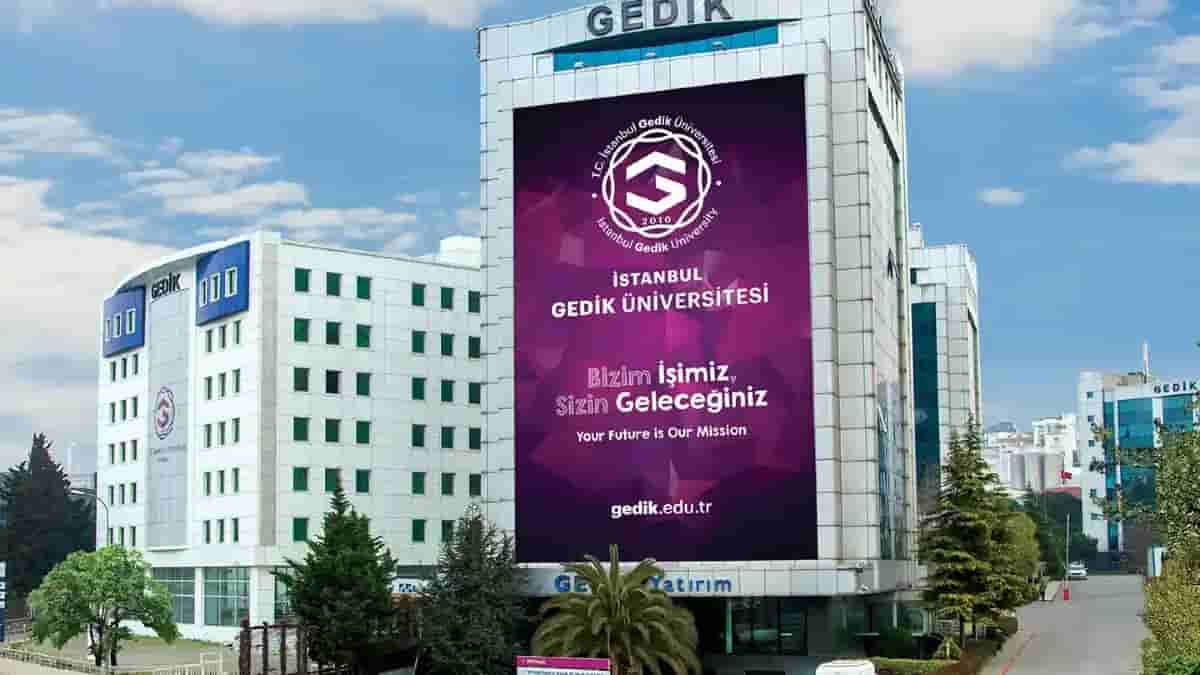 Dormitory
Istanbul, Turkey
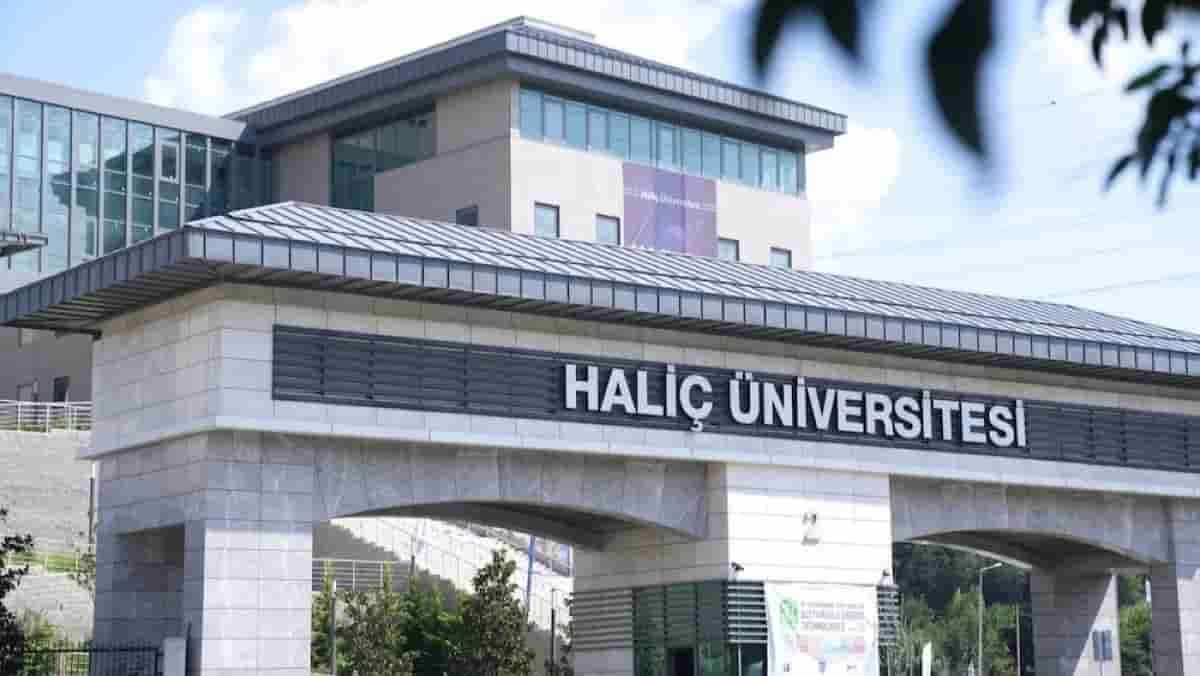 Dormitory
Istanbul, Turkey
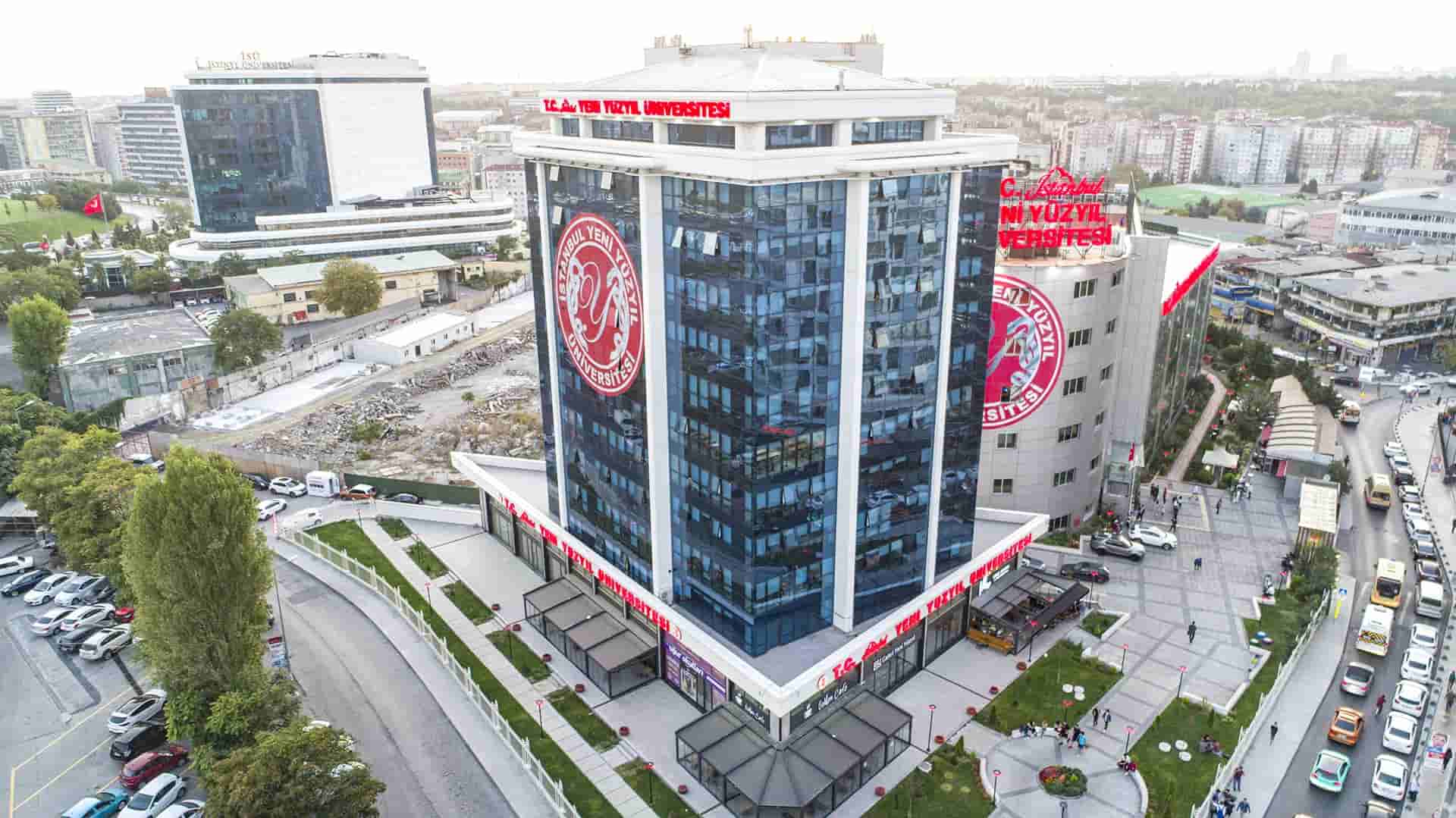 Dormitory
Istanbul, Turkey
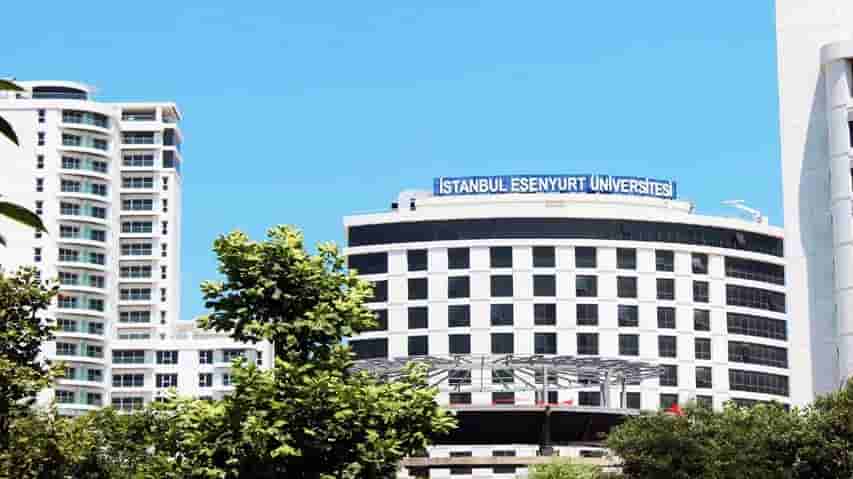 Dormitory
Istanbul, Turkey
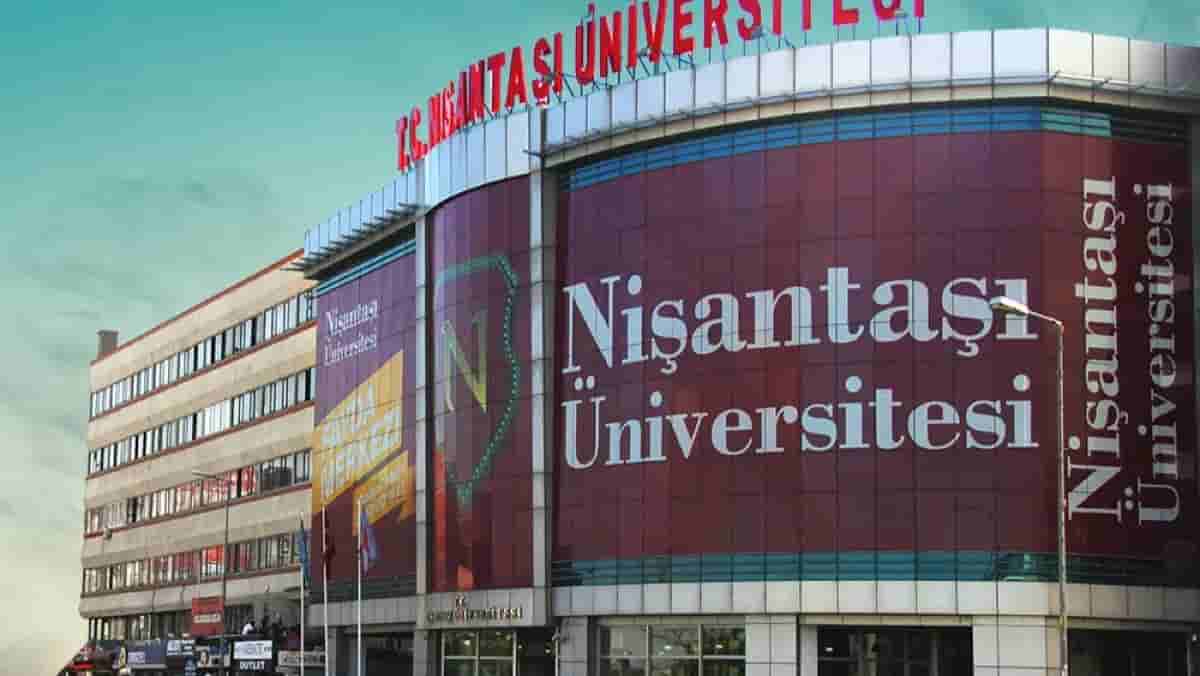 Dormitory
Istanbul, Turkey
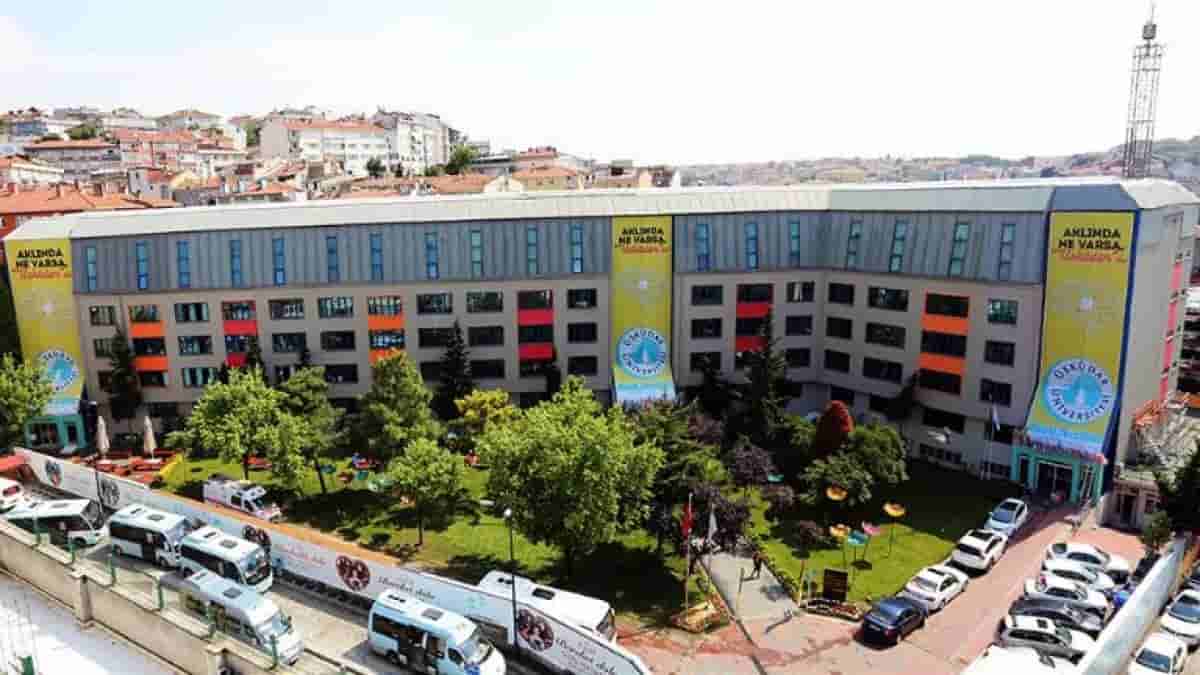 Dormitory
Istanbul, Turkey
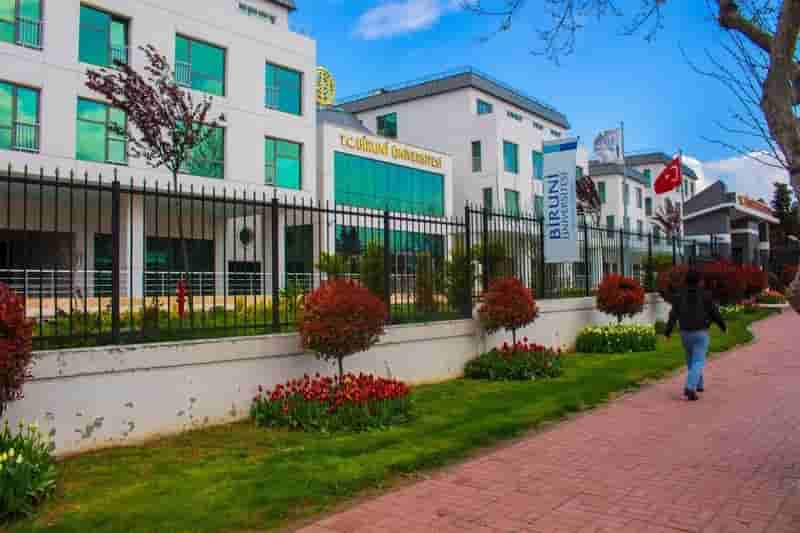 Dormitory
Istanbul, Turkey
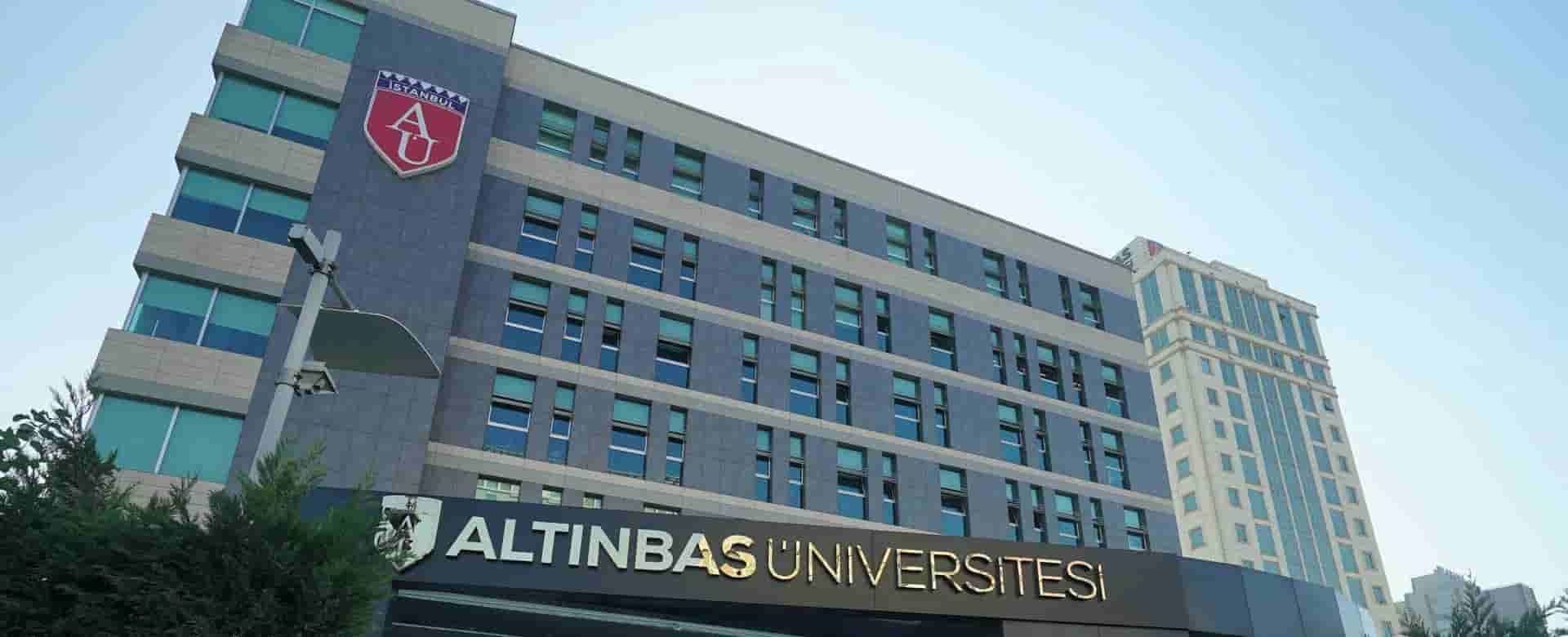 Dormitory
Istanbul, Turkey
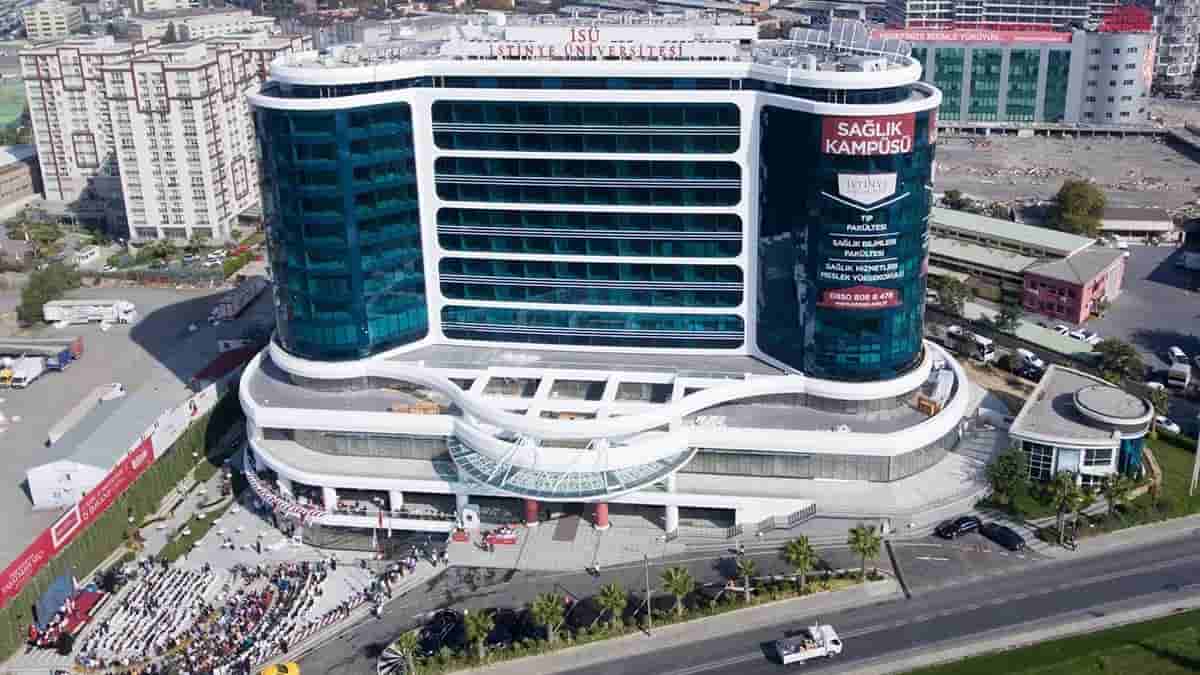 Dormitory
Istanbul, Turkey
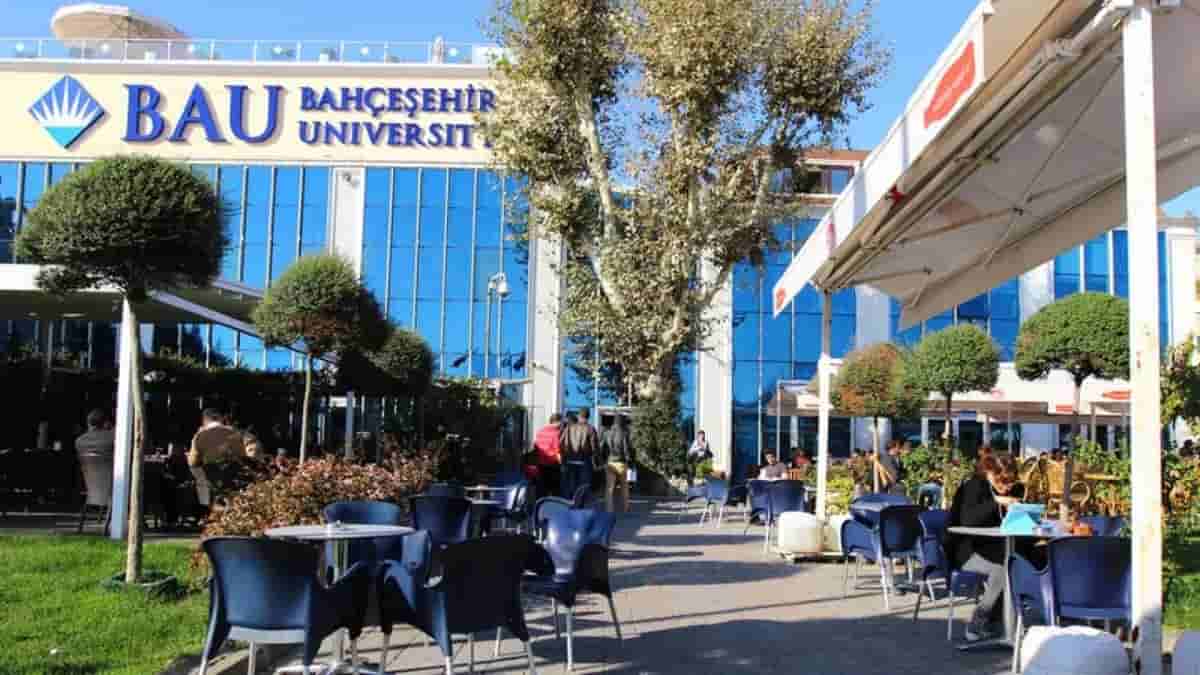 Dormitory
Istanbul, Turkey
 Dormitory
Istanbul, Turkey
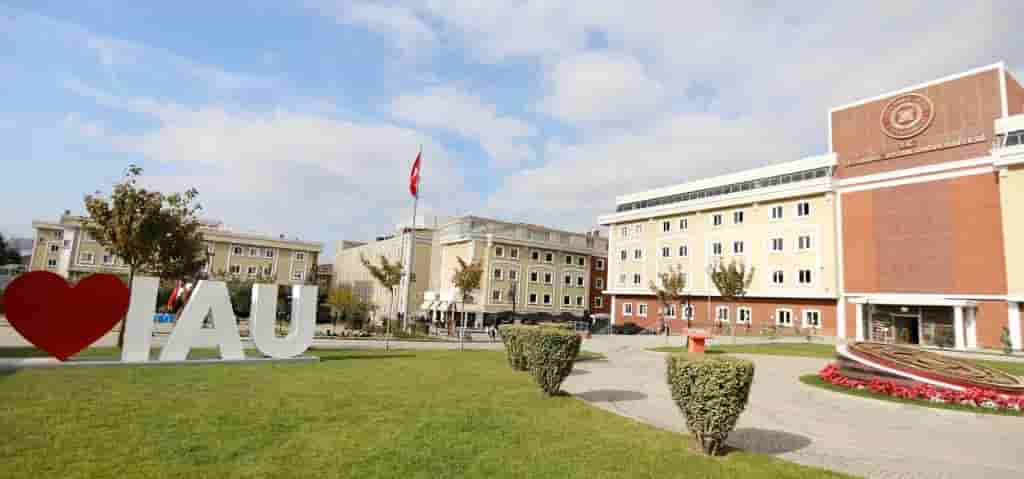 Dormitory
Istanbul, Turkey
 Dormitory
Istanbul, Turkey
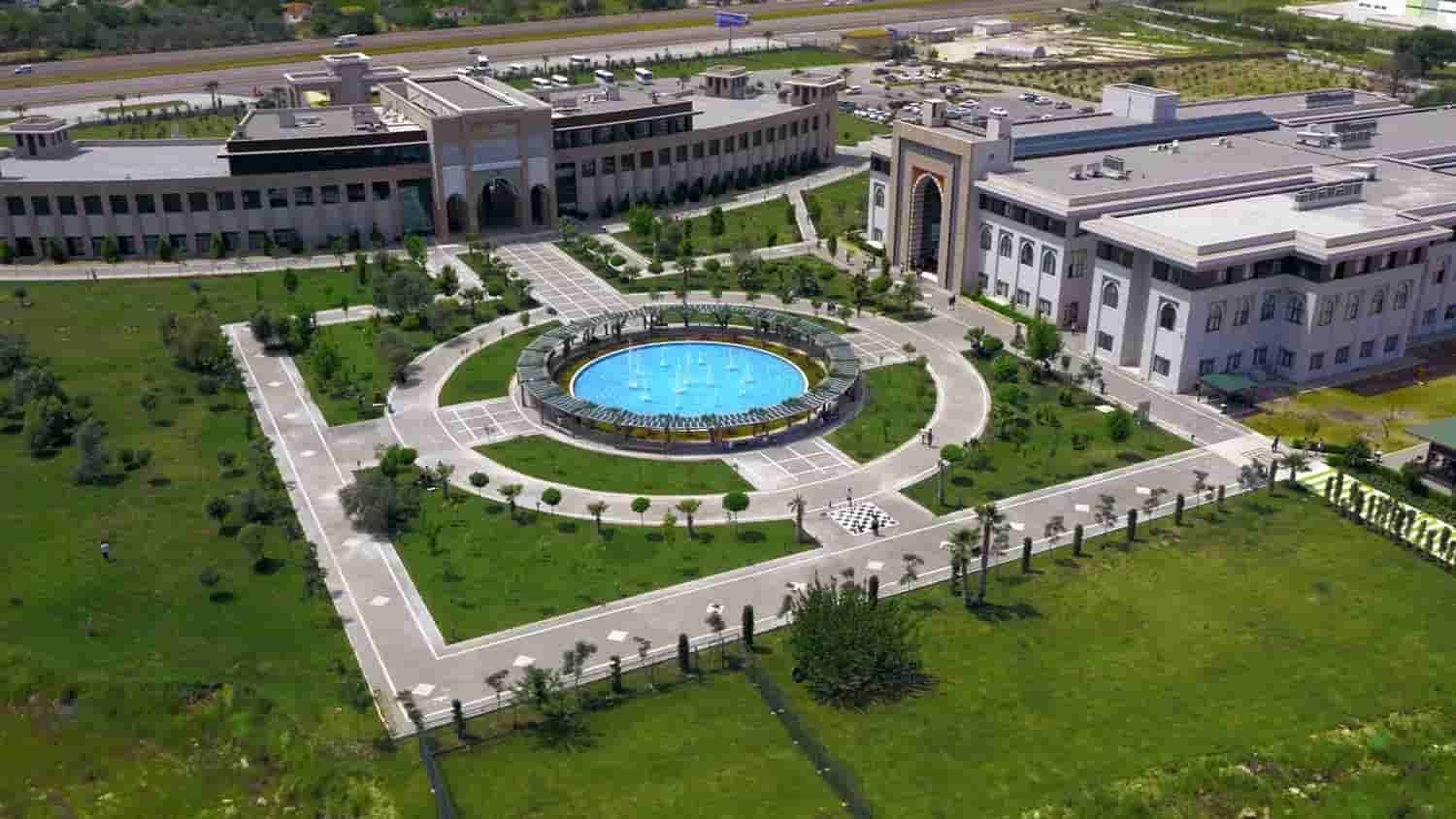 Dormitory
Antalya, Turkey
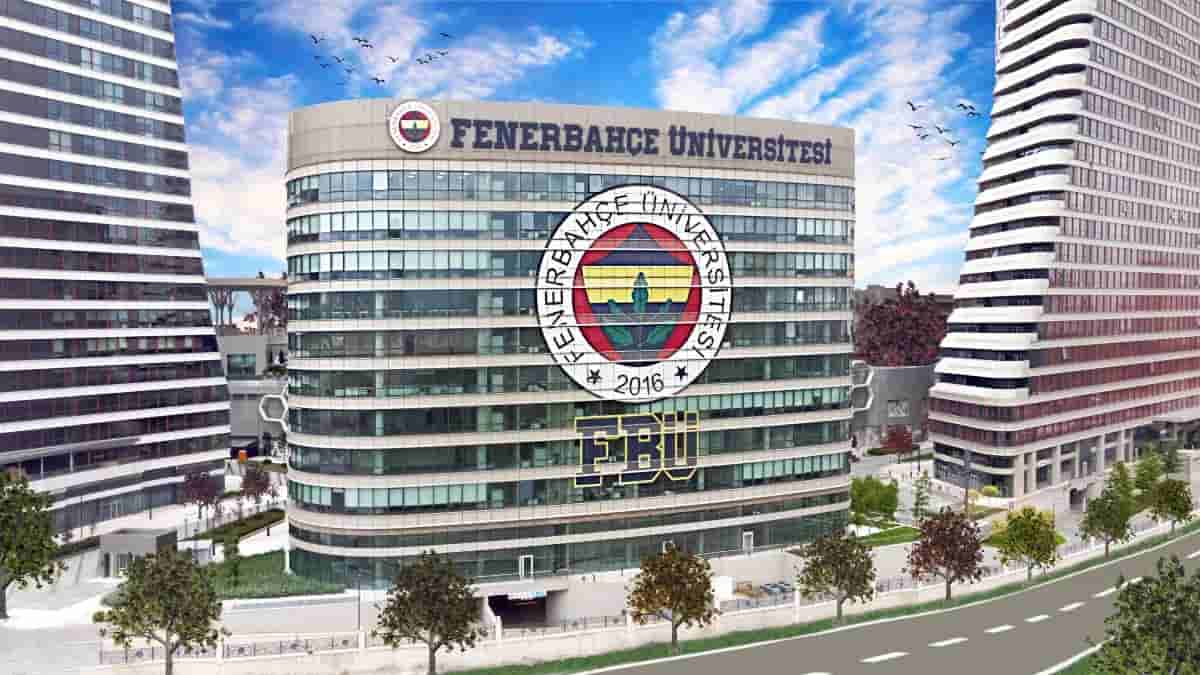 Dormitory
Istanbul, Turkey
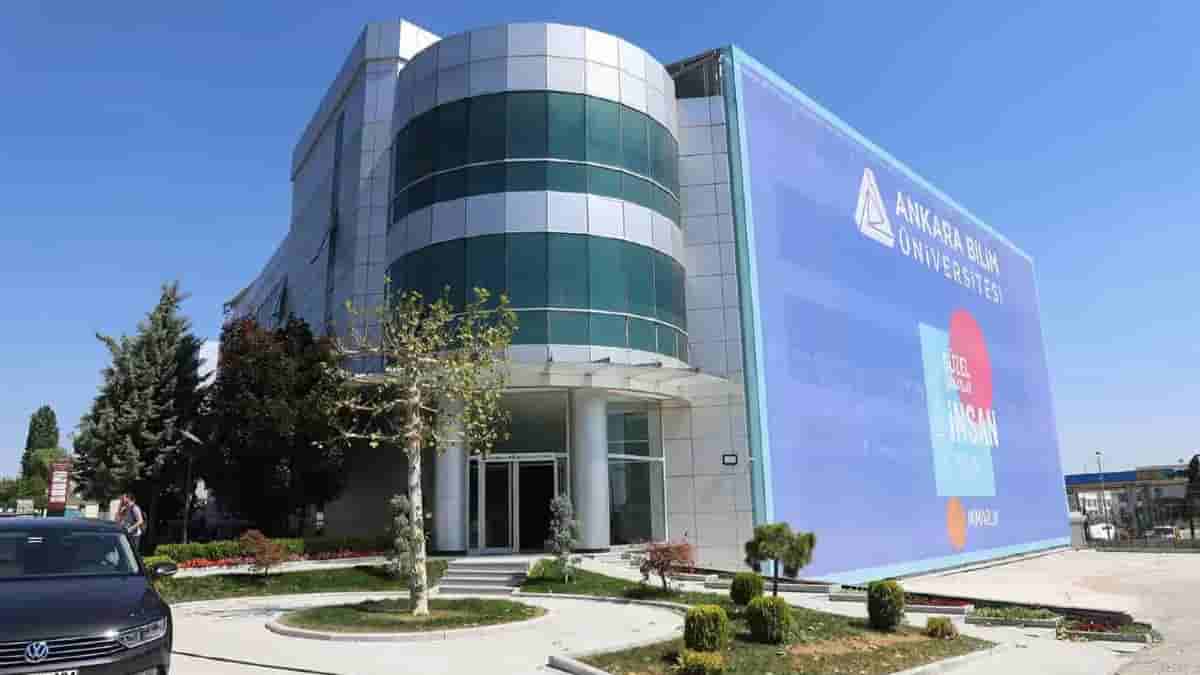 Dormitory
Ankara, Turkey
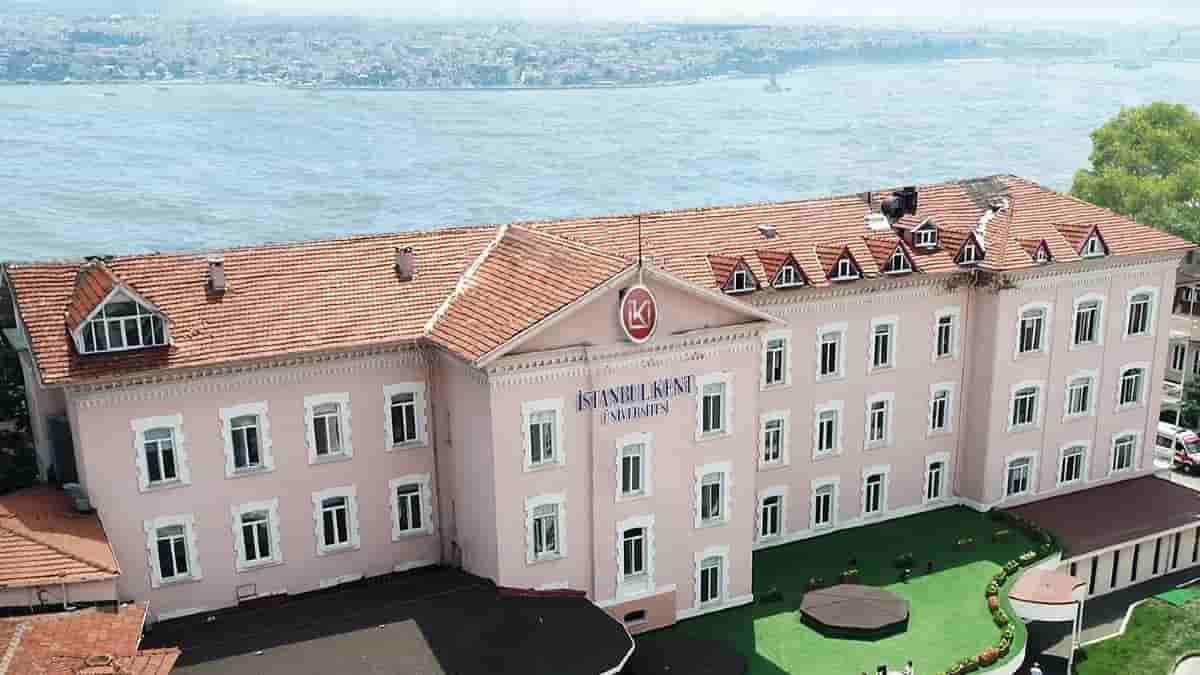 Dormitory
Istanbul, Turkey