

FAQs
Frequently Asked Questions and Answers

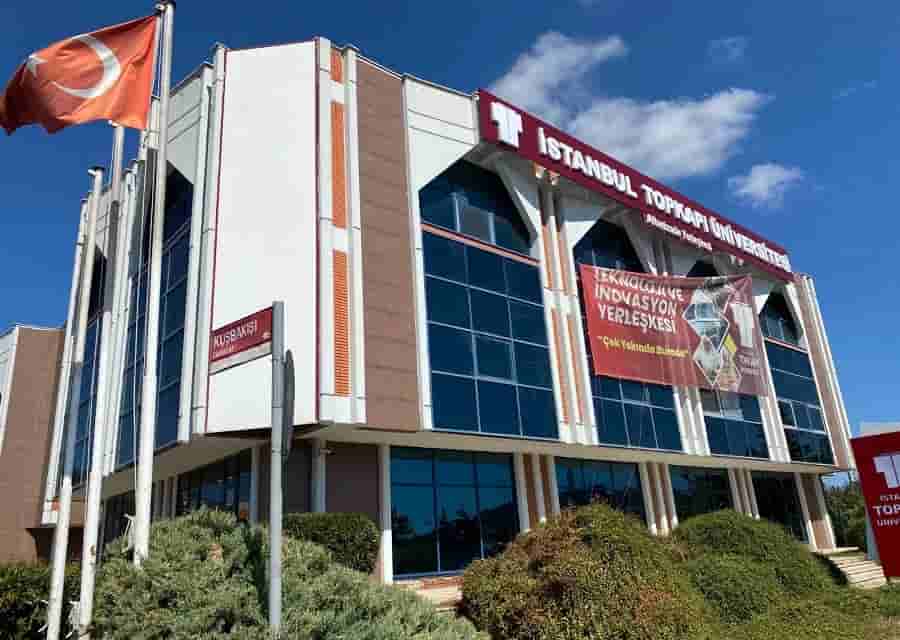
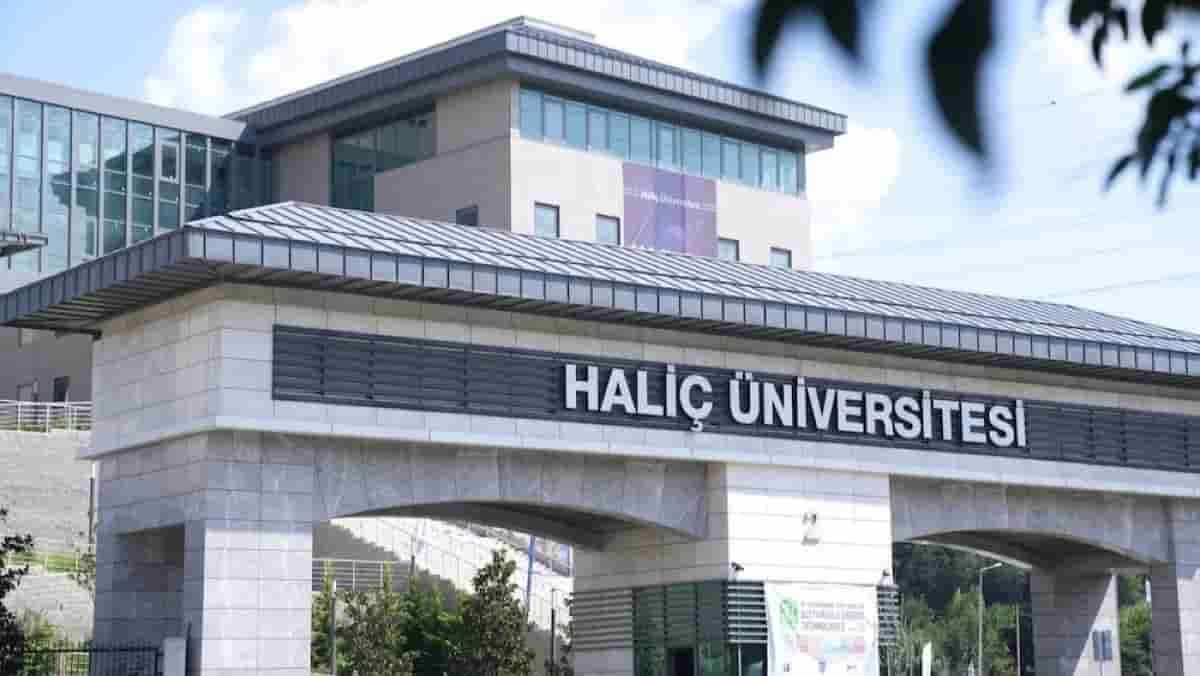
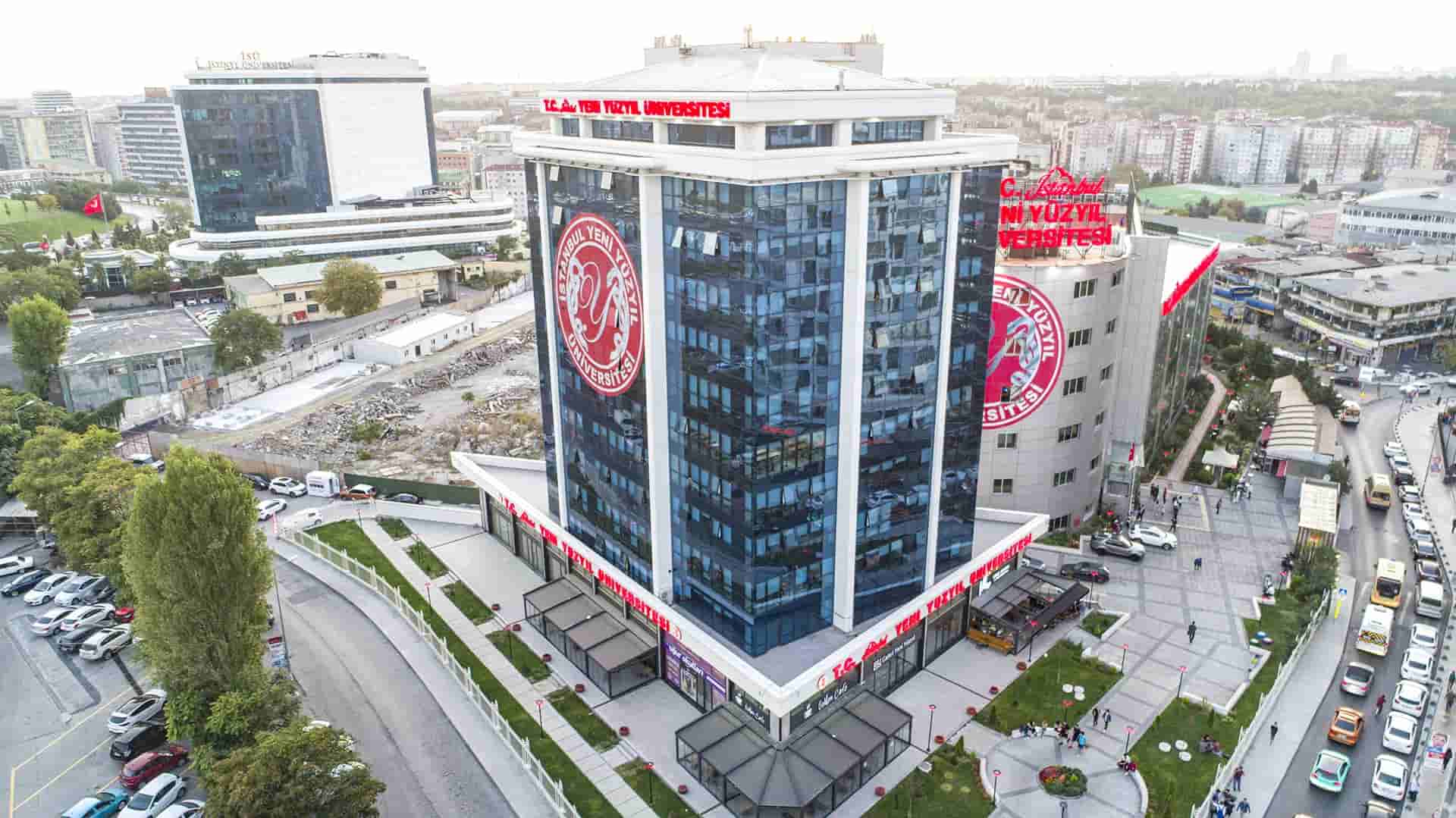
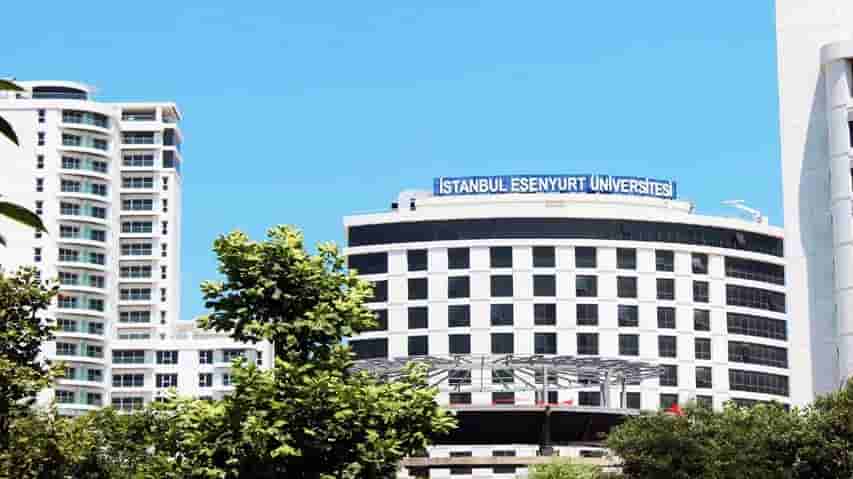
Istanbul is one of the most popular study destinations in Turkey because it combines a large university network with a fast-moving professional environment. Students can find degree options across medicine, engineering, business, design, social sciences, health sciences, and many other fields. The city is also known for its academic diversity, offering programs taught in Turkish and, at many institutions, English-taught options in selected majors. Beyond academics, Istanbul supports student life with public transport connections, cultural spaces, internships, and part-time opportunities that help students grow personally and professionally. Degree planning in Istanbul usually starts with understanding the Turkish higher education structure and how universities organize faculties, departments, and credit requirements. With the right guidance, students can compare options realistically and choose a program that matches their goals, budget, and long-term career plans.
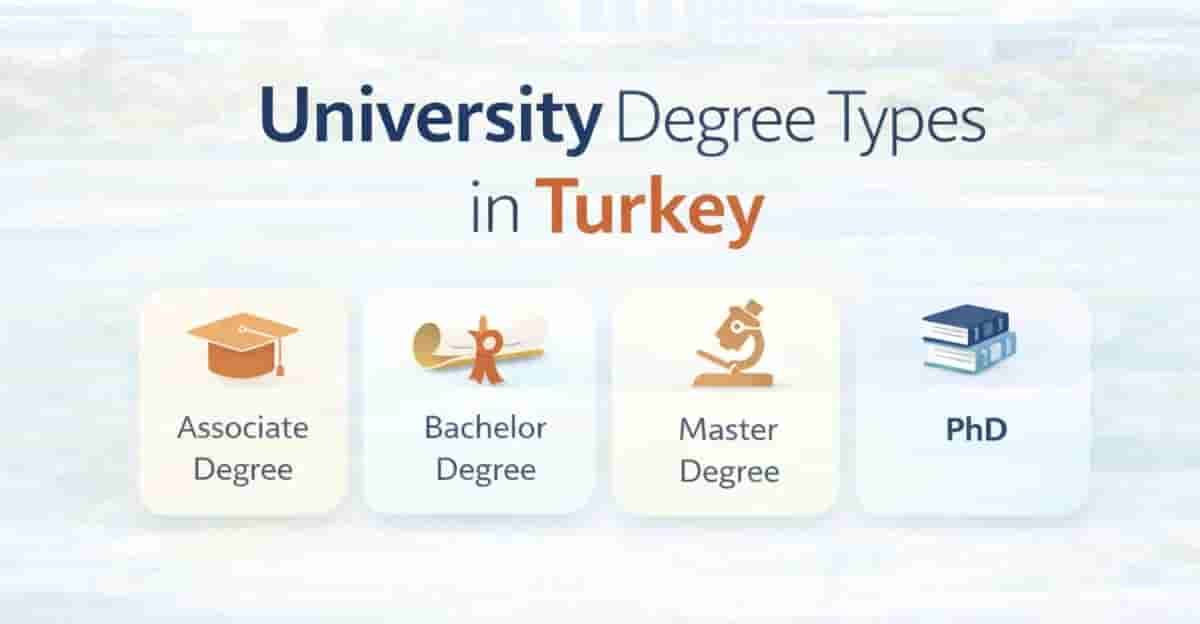
Universities in Istanbul offer degree routes aligned with Turkey’s higher education framework, which is overseen by the Council of Higher Education (YÖK). Common pathways include Associate degrees (typically two years), Bachelor’s degrees (usually four years), Master’s degrees (often one to two years depending on thesis requirements), and PhD programs (commonly three to five years). Programs follow structured curricula with compulsory core courses, departmental requirements, and elective courses that allow specialization. Many degrees use the European Credit Transfer and Accumulation System (ECTS), which helps students understand workload and supports recognition across institutions. Academic years generally include fall and spring semesters, with summer terms available at some universities.
Within each degree, universities set learning outcomes, assessment rules, and progression standards that students must meet to graduate. Most programs combine lectures, seminars, lab work, projects, and exams, while practice-heavy majors add clinical training, internships, or studio work. Engineering and health-related degrees typically require labs and supervised practice, while business and social sciences often emphasize projects, presentations, and research papers. Graduation conditions frequently include completing required credits, maintaining minimum academic standing, and finishing mandatory internships where applicable. Some departments also require a graduation project or thesis-like capstone. Understanding these structures early makes it easier to choose a realistic workload and plan each year effectively.
Istanbul universities are organized into faculties such as Engineering, Medicine, Dentistry, Pharmacy, Health Sciences, Business, Economics and Administrative Sciences, Arts and Design, Law, and Social Sciences. A faculty contains multiple departments, and the department is usually where the degree program is delivered. Students typically apply to a specific major, such as Computer Engineering, International Business, Architecture, Psychology, or Nursing, and follow a curriculum designed by that department. In many programs, specialization happens through electives, departmental tracks, or concentration areas in the later years. This structure helps students gain strong foundations first, then deepen expertise.
Some majors are regulated and have additional professional standards, especially in healthcare fields like Medicine, Dentistry, and Pharmacy. These programs tend to have heavier workloads, longer practical components, and strict progression rules. Other fields, such as engineering, media, and business, often offer broader elective pools that allow students to build a profile in data, management, finance, design, or communication. Interdisciplinary options are also common, such as combining technology and business through minors or elective clusters. Students who choose programs carefully can align their academic choices with career paths, whether that means clinical practice, software development, design studios, finance roles, or academic research.
In Istanbul, programs may be taught fully in Turkish, fully in English, or in mixed formats depending on the university and department. Turkish-taught degrees are widespread and can be ideal for students planning long-term integration in Turkey or aiming for local professional pathways. English-taught programs are available in many private universities and in selected departments at some established institutions, particularly in areas like engineering, business, and international relations. The language of instruction affects course materials, assessment style, and sometimes internship environments, so it should be considered as carefully as the major itself.
Many universities offer an English preparatory year for students entering English-taught programs who do not meet the required language level. Some institutions also provide Turkish language support for international students, which can be valuable for daily life and internships. Language preparation is not just a formal requirement; it strongly influences classroom confidence, academic writing quality, and performance in presentations and projects. Students should also know that even in English-taught programs, daily campus life and administrative processes may involve Turkish in certain contexts. Planning language development early can reduce stress and improve success during the first academic year.
Admission requirements in Istanbul depend on the degree level and the university’s internal evaluation rules. For Associate and Bachelor’s degrees, universities commonly assess high school completion documents, transcripts, identity documents, and sometimes additional proof of eligibility for international applicants. Some universities evaluate students based on general academic performance, while certain programs may request subject strength evidence, such as math or science readiness for engineering and health-related fields. For Master’s and PhD degrees, the admissions process usually becomes more academic, often requiring degree diplomas, transcripts, and documents that demonstrate readiness for advanced study and research.
A strong application is not only about having documents, but also about presenting them correctly and consistently. Diploma and transcript formats, translation requirements, and verification steps can vary by institution. Master’s applicants may be asked for a statement of purpose, recommendation letters, and a CV, while PhD applicants often need a research interest fit and academic readiness evidence. Students should also consider program capacity and competitive demand in certain majors, which can influence how carefully a file is reviewed. StudyLeo supports students by organizing the application file professionally and guiding them through correct document preparation, with no service fee charge.

Tuition in Istanbul varies widely depending on the institution, the degree level, and the program. Health-related degrees and programs with intensive lab or clinical components are often priced higher than many social science or humanities programs. English-taught options may also differ in cost compared with Turkish-taught programs within the same university. Beyond tuition, students should plan for registration-related expenses, annual student services, and academic materials such as lab equipment, software licenses, or design supplies. Payment schedules can be semester-based or annual, and planning early helps students avoid financial pressure during exam periods.
Financial planning should also consider accommodation choices, transportation, and personal living habits in a large city environment. Istanbul offers a range of dormitory types and housing options, and the best choice depends on commute time, safety, budget, and preferred lifestyle. Program intensity matters too, because majors with heavy lab schedules may limit time for part-time work. Students benefit from a clear budget plan that separates tuition obligations from monthly costs. StudyLeo helps students compare programs and tuition options transparently and can guide dormitory planning based on realistic student priorities, while keeping the application process clear and simple.
University life in Istanbul often includes modern campuses, student clubs, sports facilities, libraries, and career centers that support academic and personal development. Many universities organize orientation programs, student societies, entrepreneurship events, language clubs, and professional workshops that help students build networks. International offices usually assist with enrollment-related procedures, student ID processes, and general guidance, while academic advising supports course selection and graduation planning. A strong support system can be a major advantage for students adjusting to a new academic environment and city pace.
Academic support also includes tutoring systems, office hours, learning platforms, and structured feedback practices in many departments. Students in demanding programs benefit from library access, research databases, and lab availability, while design and architecture students often rely on studio infrastructure and project critique culture. Istanbul’s city environment can also contribute to learning, with museums, conferences, and industry events that support coursework and personal interest areas. Students who actively use university services often adapt faster and perform better academically. Choosing a university is not only about the degree title, but also about the support structures that help students finish that degree successfully.
Istanbul’s professional ecosystem makes internships and industry exposure an important part of many degree programs. Fields like engineering, business, media, health sciences, and design often include internship expectations or strongly encourage practical experience. Universities may support placements through career offices, departmental partnerships, alumni connections, and professional events such as career fairs. Internship experience strengthens a student’s CV, improves workplace communication skills, and helps students understand whether a chosen field fits their long-term goals. For some majors, practical training is not optional and must be completed to meet graduation requirements.
Career outcomes depend on program quality, student performance, language skills, and practical experience gained during study. Students who build portfolios, complete internships, and join projects often graduate with stronger employability. In technical programs, project-based learning and teamwork experience are especially valuable, while in business fields, case studies and presentations build applied skills. Many students also use their time in Istanbul to develop professional networks through clubs and industry meetups. Planning career steps early makes later decisions easier, such as choosing electives, selecting internship timing, or preparing for postgraduate study.
Istanbul offers broad postgraduate options for students who want specialization, career advancement, or research-focused education. Master’s programs can be thesis-based or non-thesis depending on the academic pathway and the department’s structure. Thesis-based programs focus on research methods, academic writing, and producing a supervised thesis, which is helpful for students considering a PhD or research roles. Non-thesis programs are often designed to strengthen professional expertise through applied coursework, projects, and sector-focused learning. Choosing between these formats should match the student’s goals, whether that is academic progression or professional specialization.
PhD programs are research-intensive and require strong academic readiness, discipline-specific foundations, and clear research interests. Doctoral students typically complete advanced courses, qualifying milestones, and a dissertation that contributes to knowledge in the field. Research opportunities in Istanbul can include labs, applied research centers, and collaboration with hospitals, industry, or academic networks depending on the discipline. Students considering postgraduate study should evaluate supervisor fit, research facilities, and long-term career direction. StudyLeo supports students in selecting realistic postgraduate programs and preparing the right academic file structure, again with no service fee charge, so the process stays organized and transparent.
University degrees in Istanbul offer breadth, structure, and meaningful career pathways for students who plan carefully. With options across Associate, Bachelor’s, Master’s, and PhD levels, students can choose a program that matches their academic background and professional goals. The right decision often comes from comparing program structure, language of instruction, practical training expectations, and student support systems. Istanbul’s strong industry environment can help students gain internships and build professional networks while studying. A well-prepared application file and a clear budget plan reduce pressure and improve the overall experience. StudyLeo helps students evaluate options and complete the application process in a guided way, with no service fee charge, so students can focus on choosing the right degree and starting confidently.
Frequently Asked Questions and Answers
Look out blogs and aware of the latest trends and updates
Explore top universities offering quality education, modern facilities, and diverse academic opportunities for students worldwide




DormitoryIstanbul, Turkey
DormitoryAnkara, Turkey
DormitoryIstanbul, Turkey




DormitoryAntalya, Turkey
DormitoryIstanbul, Turkey
DormitoryAnkara, Turkey
DormitoryIstanbul, Turkey