
FAQs
Frequently Asked Questions and Answers

Turkey has emerged as a compelling destination for higher education, blending rich cultural heritage with modern academic infrastructure. Across its vibrant cities, private universities offer diverse programs taught in both Turkish and English, attracting students from around the globe. These institutions prioritize innovation, research, and international collaboration, often featuring campuses equipped with cutting-edge facilities. Many maintain strong ties with industries, ensuring graduates are well-prepared for real-world challenges. With a focus on student-centered learning and global perspectives, Turkish private universities have significantly raised their academic profiles in recent years. Their commitment to quality education is evident in accreditation standards, faculty expertise, and growing participation in international exchange programs. For those seeking a dynamic and supportive academic environment, Turkey’s private higher education sector presents numerous opportunities. The landscape continues to evolve, offering increasingly competitive and relevant programs across disciplines.
Private universities in Turkey have consistently invested in academic quality, ensuring their programs meet international benchmarks. Institutions like Bahçeşehir University and Özyeğin University maintain strong ties with global academic networks, enabling student exchange programs, dual-degree opportunities, and collaborative research initiatives. Their curricula are frequently updated to reflect industry trends and technological advancements, particularly in fields such as engineering, business, and health sciences. Faculty members often hold doctoral degrees from prestigious universities abroad and bring both scholarly expertise and real-world experience into the classroom. This commitment to academic rigor has earned several Turkish private universities recognition in international rankings and accreditation from bodies like AACSB and ABET.
Beyond curriculum design, these universities prioritize research output and innovation. Atılım University, for example, hosts numerous research centers focusing on renewable energy, cybersecurity, and biotechnology. Similarly, TOBB University of Economics and Technology emphasizes applied research in economics and engineering, contributing to national policy discussions and industrial development. International students benefit from this research-intensive environment, gaining hands-on experience through lab work, internships, and capstone projects. Language support services and academic advising further ensure that students from varied educational backgrounds can thrive. This ecosystem of excellence makes Turkish private universities competitive on the global stage.

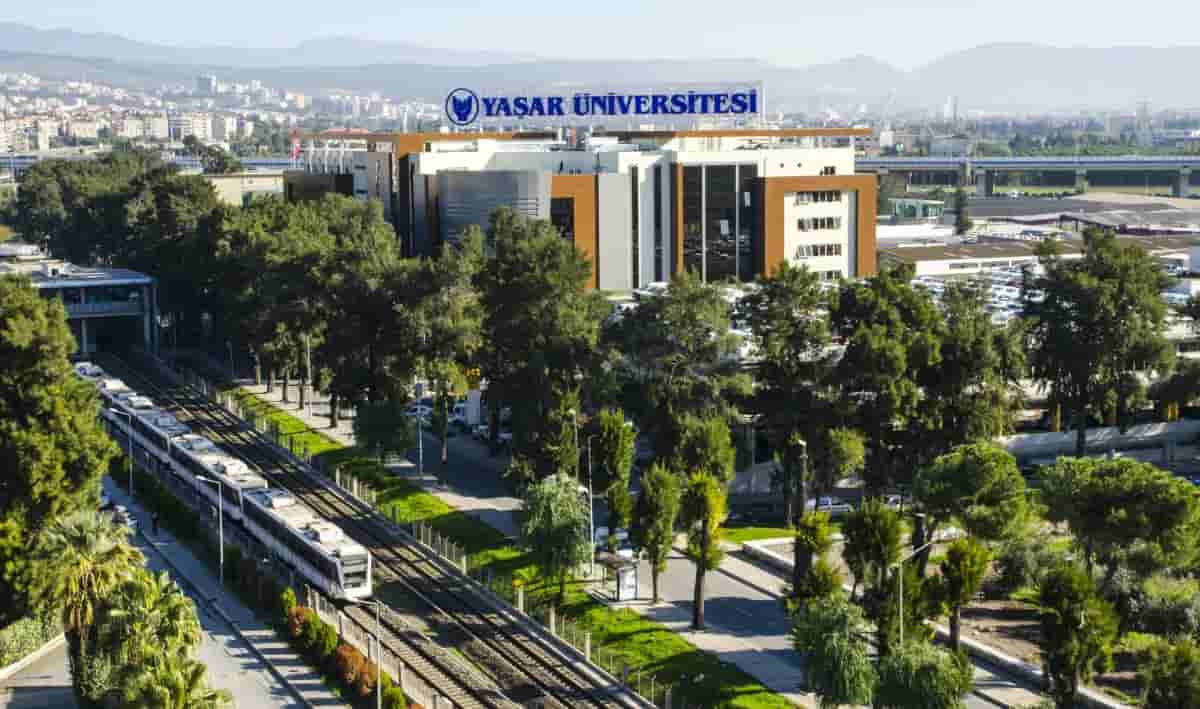
Many private universities in Turkey offer a wide array of undergraduate and graduate programs fully taught in English, removing language barriers for international students. Fields such as computer science, international relations, psychology, and biomedical engineering are commonly available in English-medium instruction. Universities like Çankaya University and Yaşar University were among the early adopters of English as the primary language of instruction, setting a precedent for others to follow. Course materials, exams, and thesis submissions are conducted in English, ensuring consistency and accessibility. This approach not only attracts a global student body but also prepares graduates for careers in multinational environments.
The availability of English-taught programs extends beyond STEM and social sciences. Institutions such as Istanbul Bilgi University and Maltepe University offer innovative programs in media studies, design, and law, all delivered in English. These programs often incorporate interdisciplinary perspectives and project-based learning, encouraging critical thinking and creativity. Additionally, language centers within these universities provide preparatory English courses for students who need to improve their proficiency before starting their degree programs. Support continues throughout the academic journey with writing centers and tutoring services. This comprehensive language infrastructure ensures that non-Turkish speakers can fully engage with their studies and campus life.
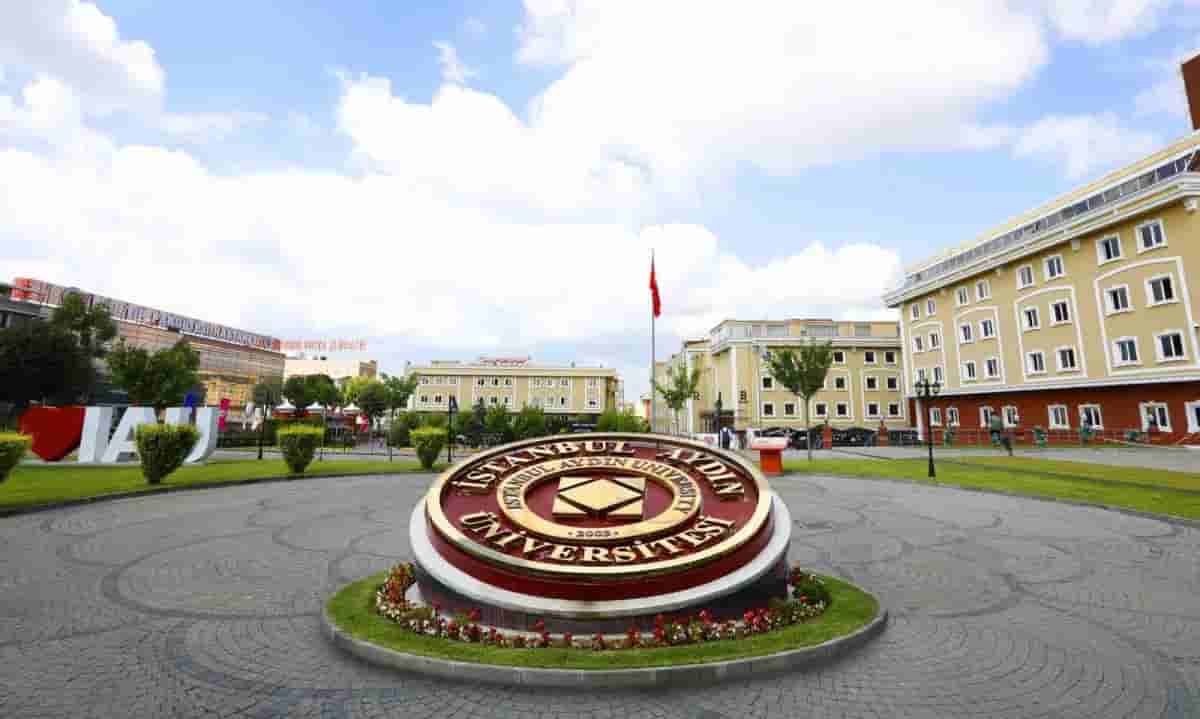
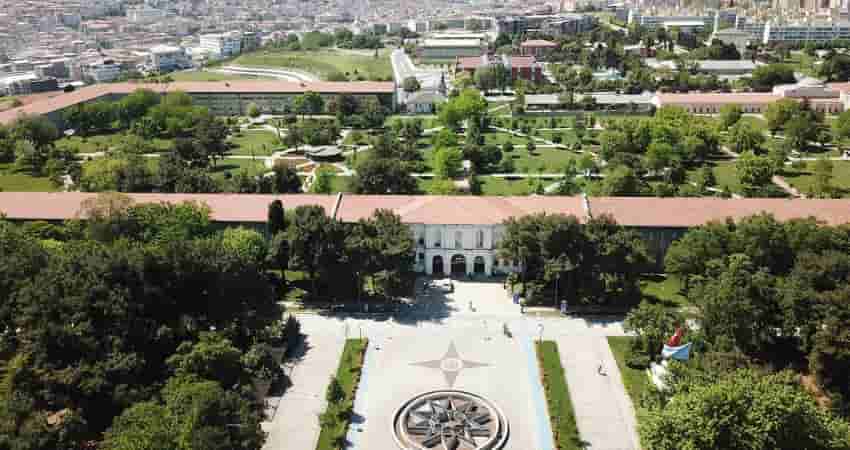
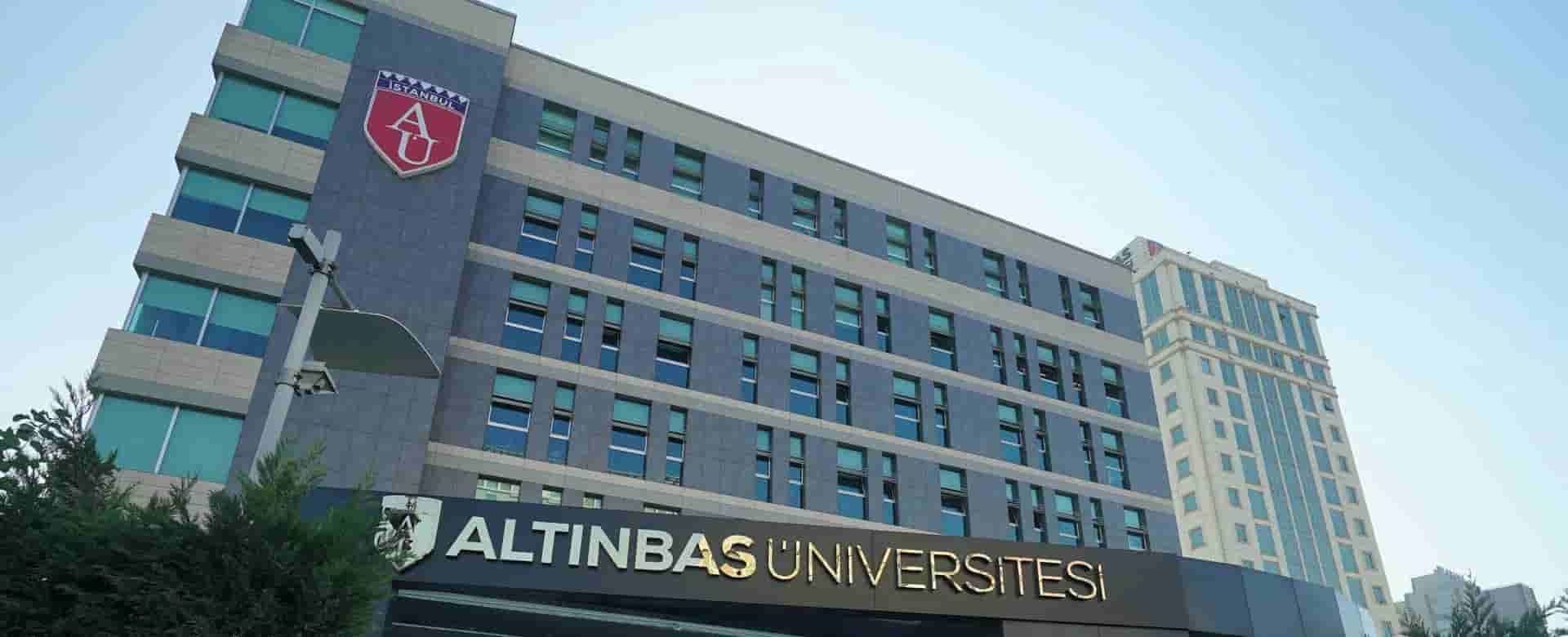
Campus life at Turkey’s top private universities blends academics with vibrant extracurriculars. Universities like Istanbul Okan and Altınbaş offer modern classrooms, labs, sports facilities, and student housing. Green spaces and digital libraries support both relaxation and study, while clubs in robotics, music, debate, and entrepreneurship foster community and leadership. Events like career fairs and guest lectures connect students with professionals.
Campuses are tech-enabled with fast internet, e-learning tools, and virtual labs. Medical schools such as Acıbadem Mehmet Ali Aydınlar and Istanbul Medipol feature realistic clinical training centers. Dining options meet diverse needs, and shuttles link campuses to city centers. With 24/7 security and accessible design, these universities support both learning and well-being.

Many private universities in Turkey offer undergraduate and graduate programs fully taught in English, making them accessible to international students. Fields like computer science, psychology, international relations, and biomedical engineering are widely available in English. Pioneers such as Çankaya University and Yaşar University established English as their main language of instruction early on. Coursework, exams, and theses are all in English, ensuring clarity and preparing students for global careers.
English-taught options also span media studies, design, and law at universities like Istanbul Bilgi and Maltepe. These programs emphasize interdisciplinary learning and hands-on projects to spark creativity. For students needing language support, preparatory English courses are offered before degree studies begin, with ongoing help from writing centers and tutors throughout their academic journey.
Several private universities in Turkey lead in health sciences thanks to strong investments in medical education and healthcare infrastructure. Istanbul Medipol University and Bezmialem Vakıf University run affiliated teaching hospitals where students in medicine, dentistry, pharmacy, and nursing gain supervised clinical experience. Advanced simulation centers mimic real emergency rooms, operating theaters, and wards,letting students practice safely before treating actual patients.
Research is also a priority. Acıbadem Mehmet Ali Aydınlar University leverages its ties to a major healthcare group to merge clinical data with academic research for public health innovation. Programs often blend health management, bioengineering, and digital health. International partnerships enable student exchanges and collaborative research, while ethics and patient-centered care remain central to the curriculum,preparing future professionals with both skill and compassion.
Welcoming international students is a strategic priority for Turkey’s private universities. Dedicated international offices assist with visa documentation, accommodation, orientation programs, and cultural integration. From the moment of arrival, students receive guidance on residence permits, banking, and local transportation. Buddy programs pair newcomers with local peers to ease social adjustment. Universities like Fatih Sultan Mehmet Vakıf University and Istanbul Arel University organize city tours, language cafes, and intercultural events to build inclusive communities.
Academic support is equally comprehensive. Beyond English preparatory programs, many institutions offer tutoring in core subjects and writing assistance for non-native speakers. Mental health counseling, health insurance coordination, and legal advisory services are readily available. Religious and dietary accommodations respect diverse backgrounds, with halal food options and prayer spaces standard on most campuses. These efforts create a welcoming atmosphere where international students can focus on their studies while feeling supported and valued as part of the university family.
Turkey’s private universities are shaping future-ready graduates by integrating AI, data analytics, and sustainability into core curricula. Institutions like Özyeğin and Bahçeşehir offer interdisciplinary programs,such as digital media or energy systems engineering,and support innovation through makerspaces, coding bootcamps, and design-thinking workshops that align with evolving job markets.
Frequently Asked Questions and Answers
Look out blogs and aware of the latest trends and updates
Explore top universities offering quality education, modern facilities, and diverse academic opportunities for students worldwide




 Dormitory
Istanbul, Turkey
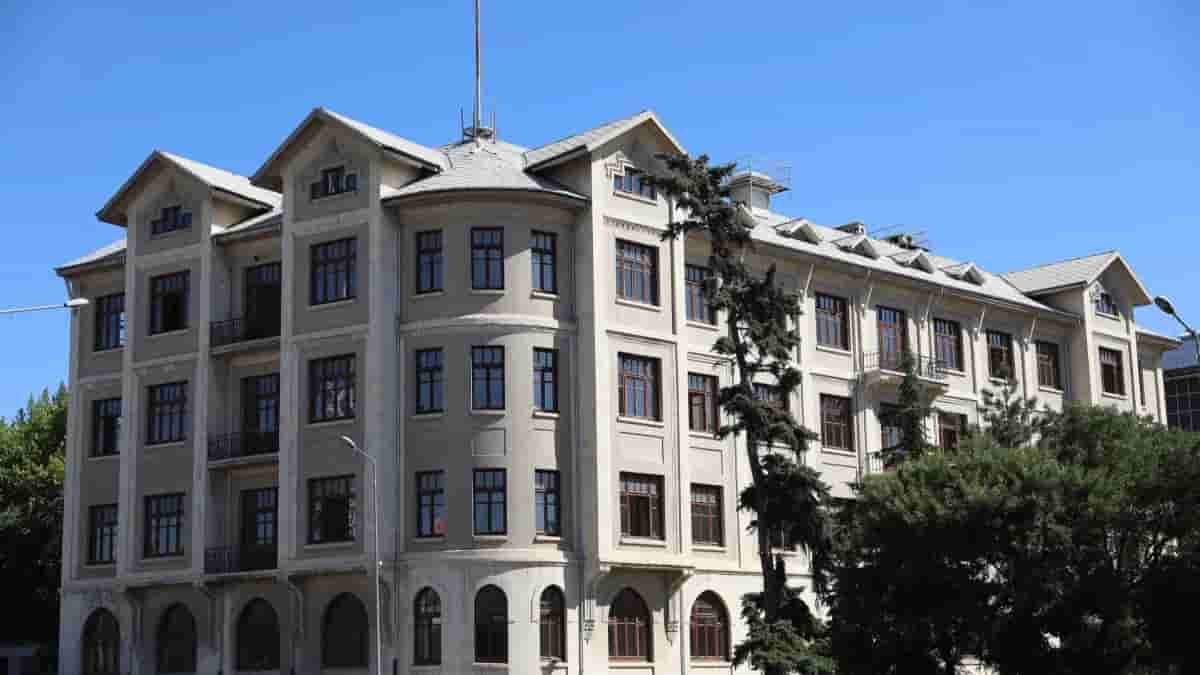 Dormitory
Ankara, Turkey
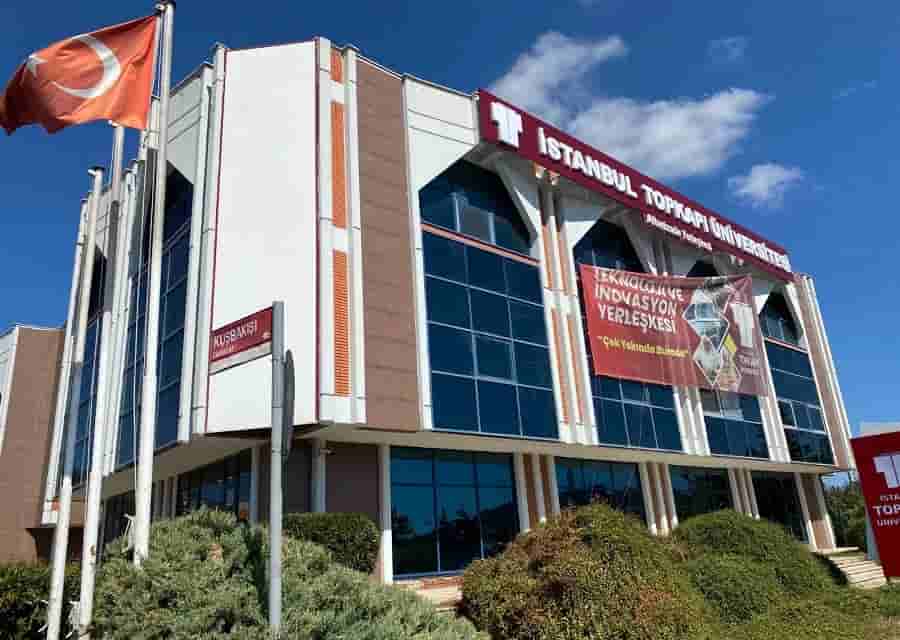 Dormitory
Istanbul, Turkey
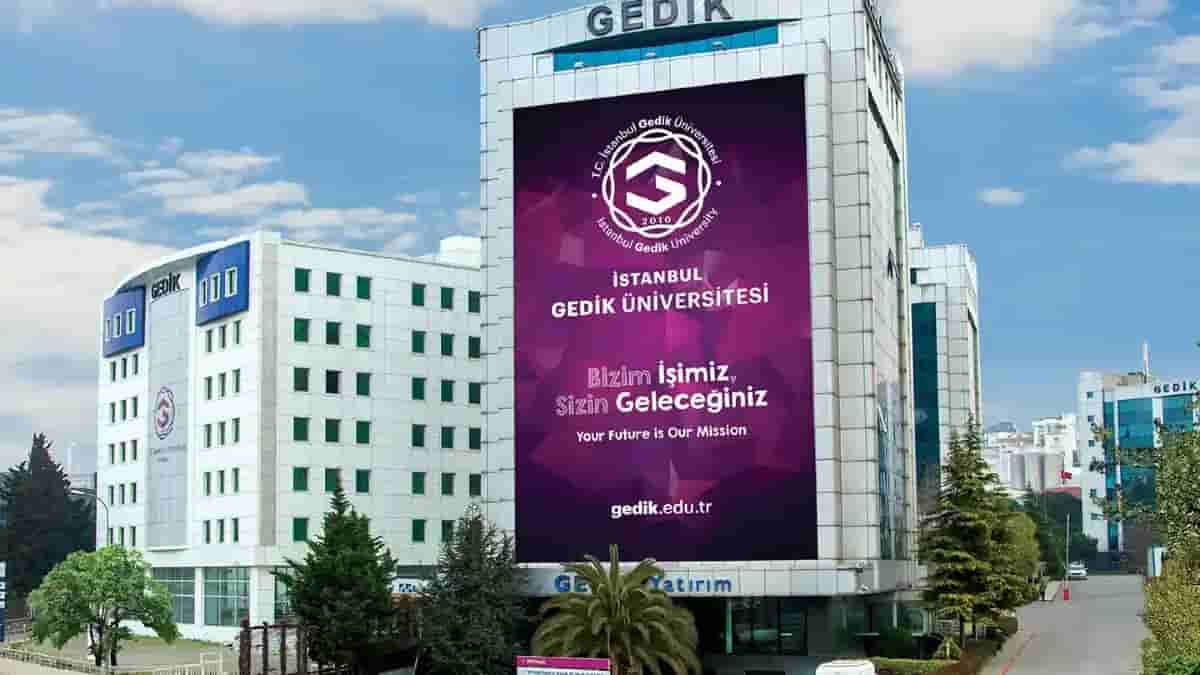 Dormitory
Istanbul, Turkey
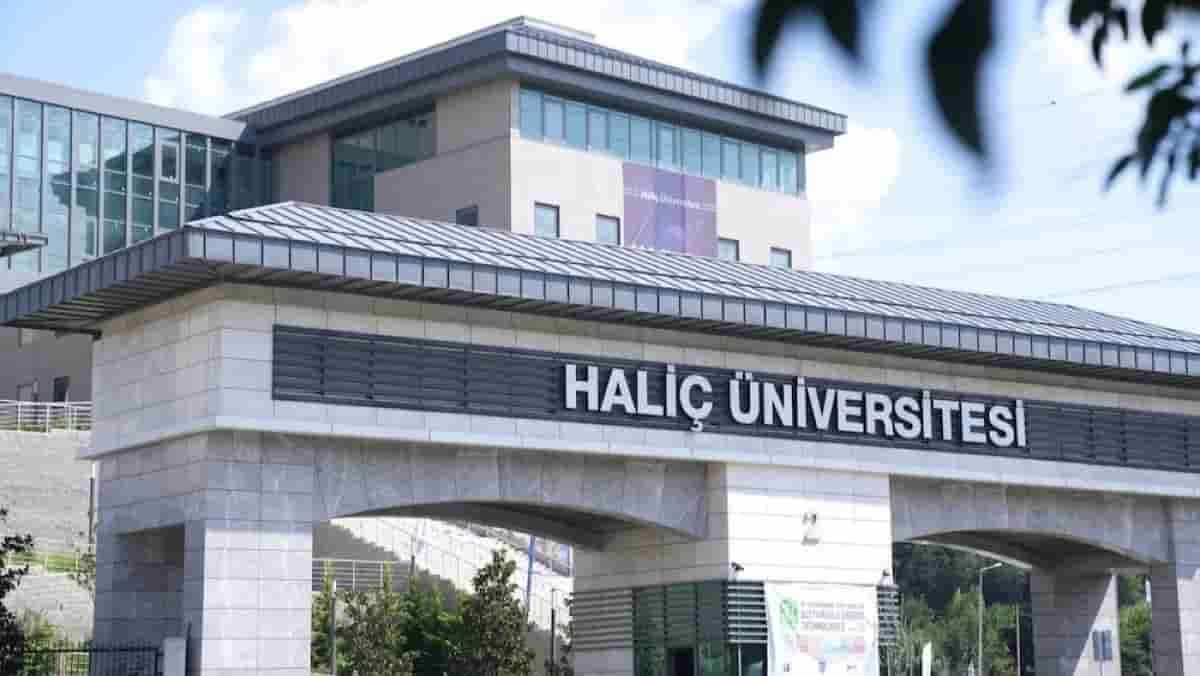 Dormitory
Istanbul, Turkey
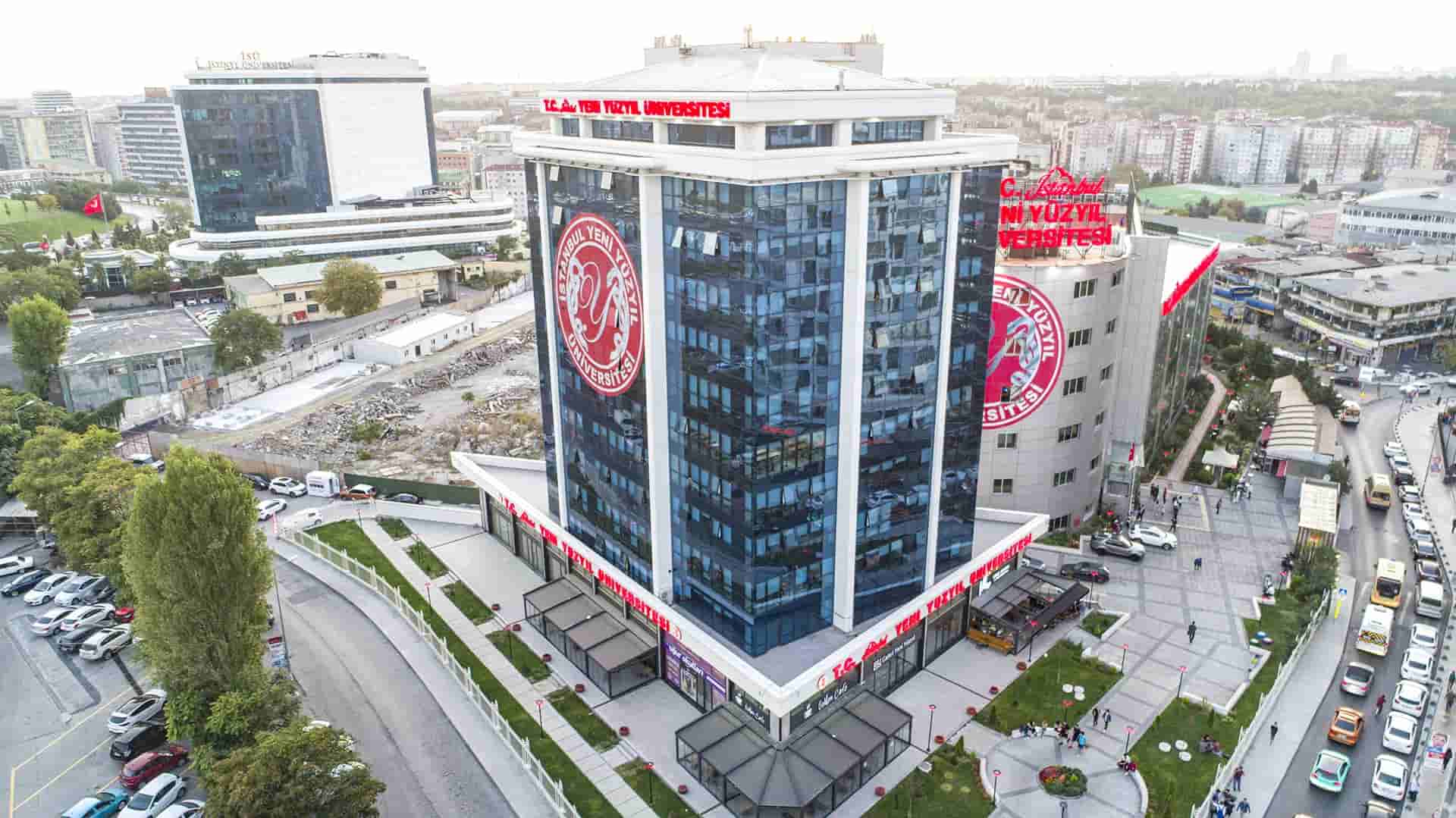 Dormitory
Istanbul, Turkey
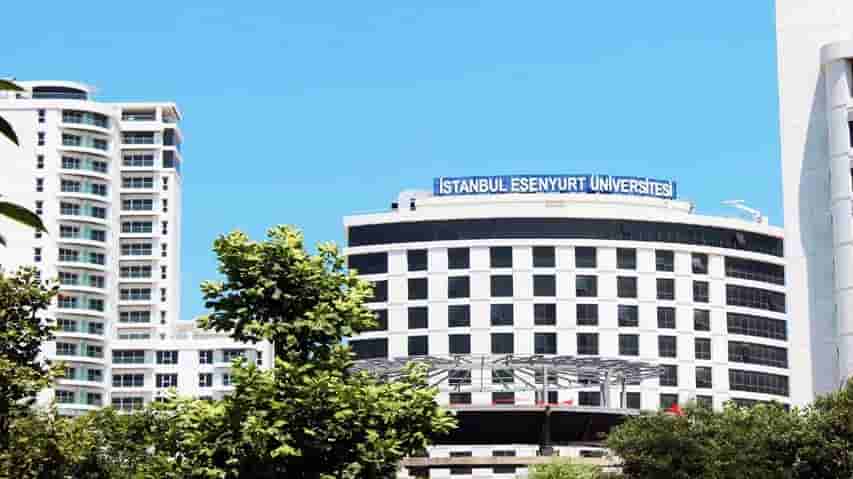 Dormitory
Istanbul, Turkey
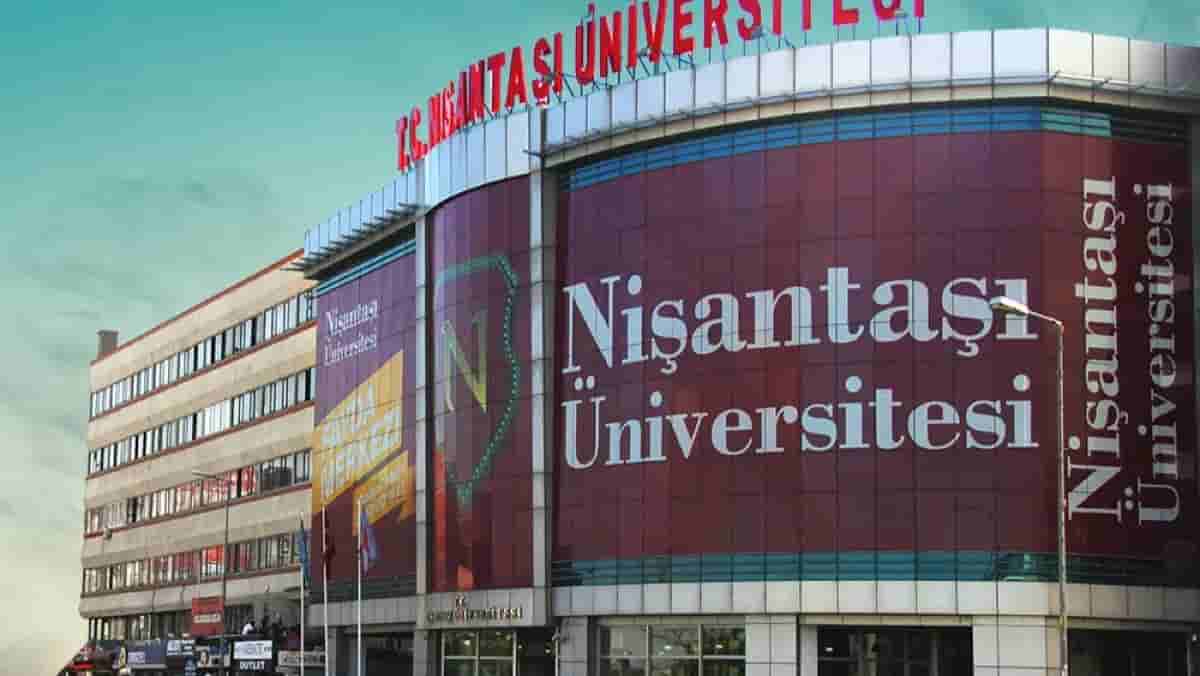 Dormitory
Istanbul, Turkey
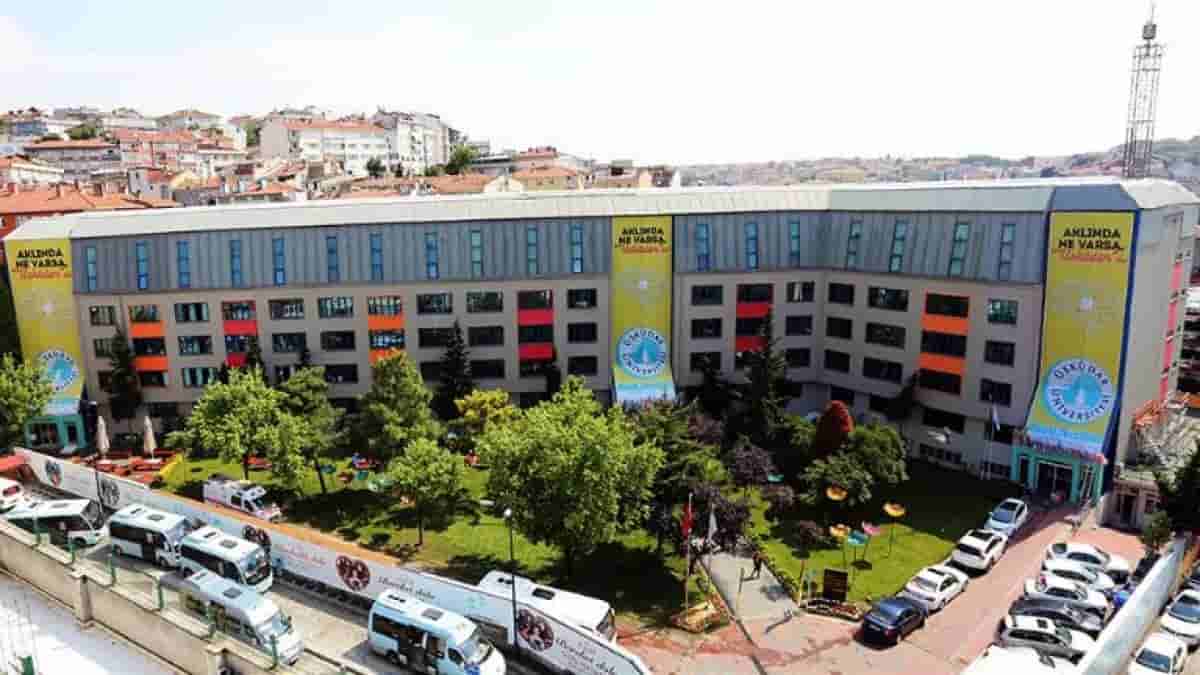 Dormitory
Istanbul, Turkey
 Dormitory
Istanbul, Turkey
 Dormitory
Istanbul, Turkey
 Dormitory
Istanbul, Turkey
 Dormitory
Istanbul, Turkey
 Dormitory
Istanbul, Turkey
 Dormitory
Istanbul, Turkey
 Dormitory
Istanbul, Turkey
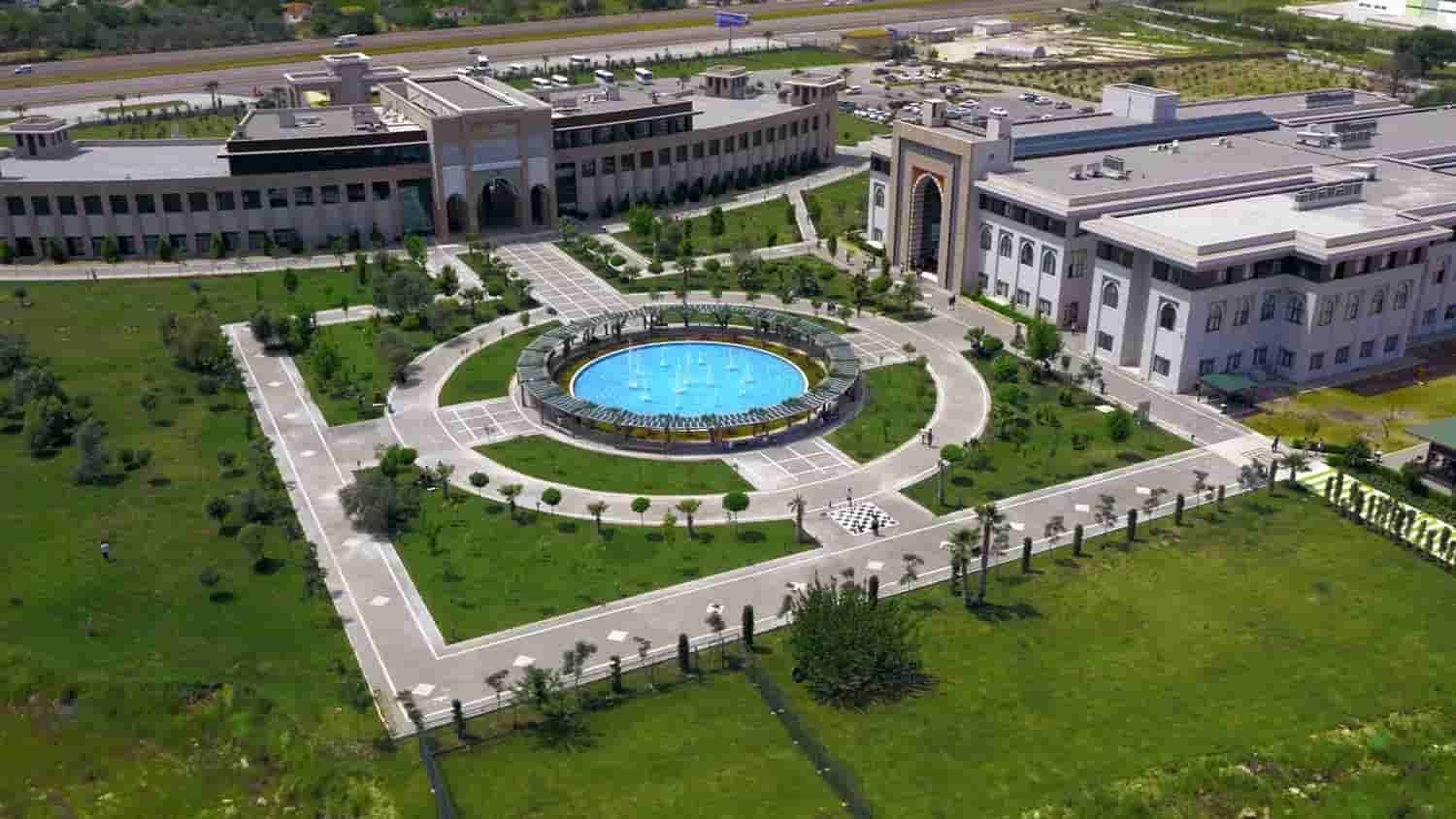 Dormitory
Antalya, Turkey
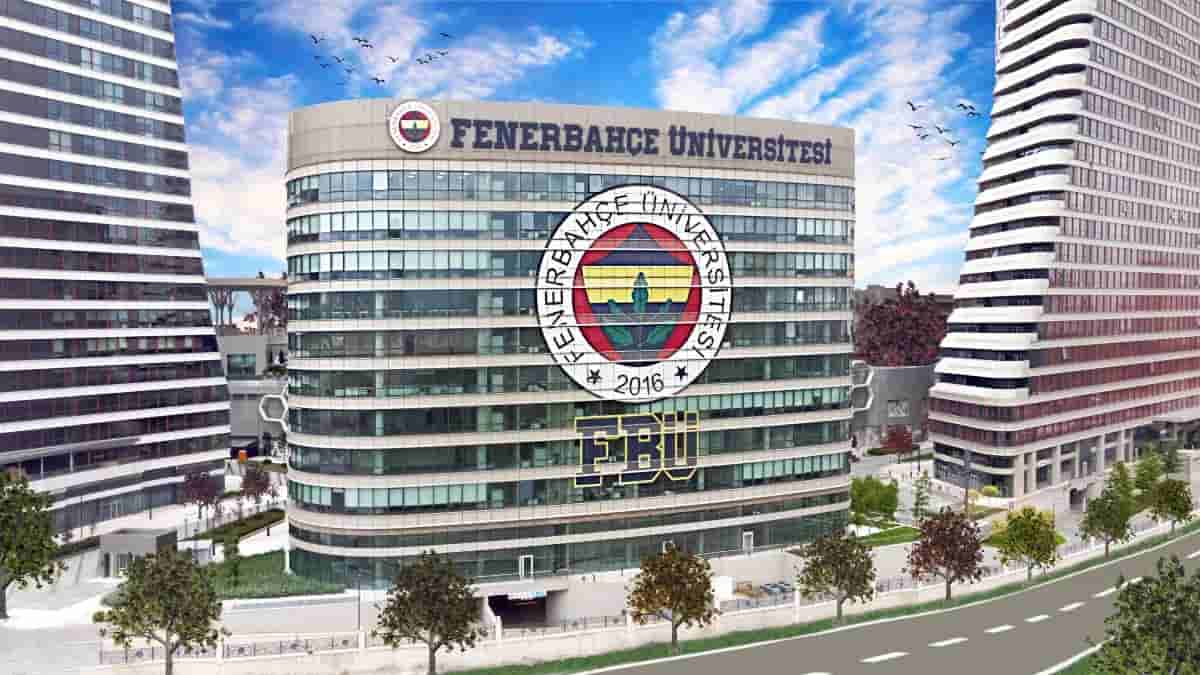 Dormitory
Istanbul, Turkey
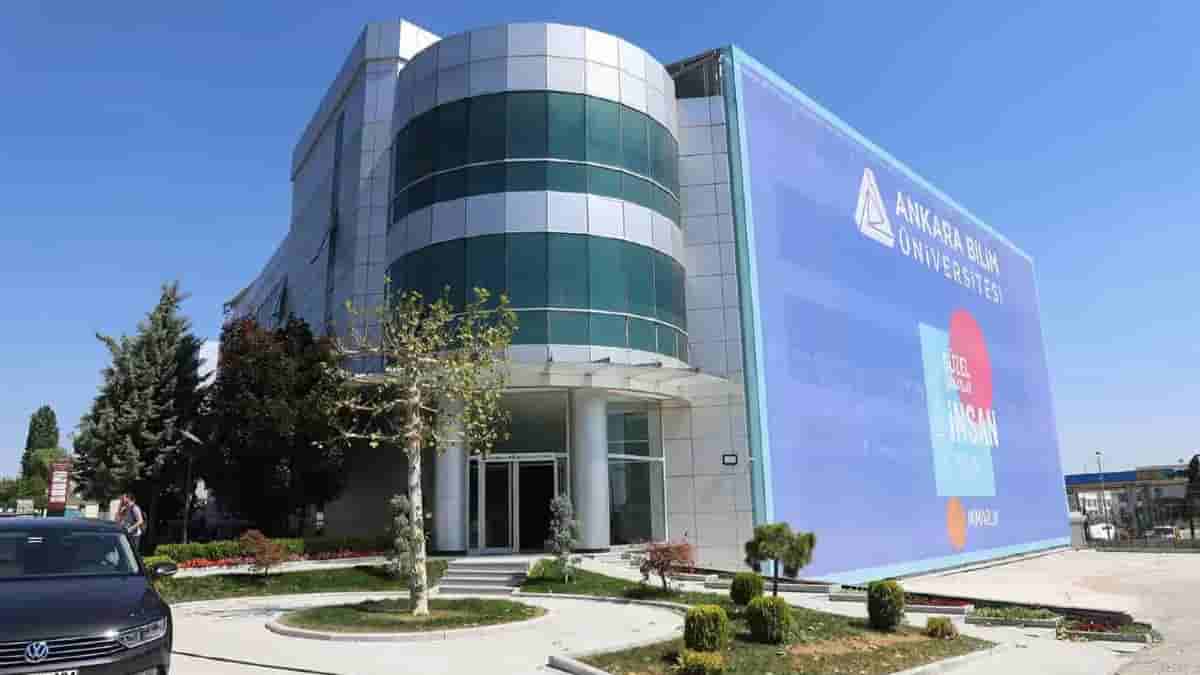 Dormitory
Ankara, Turkey
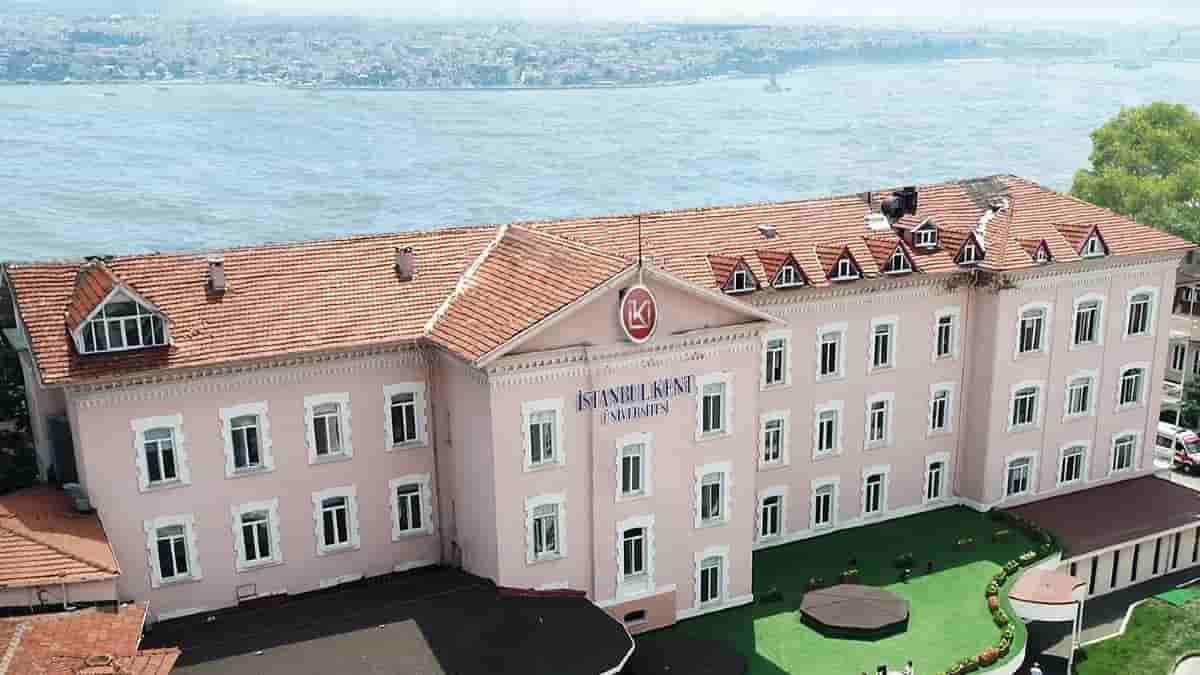 Dormitory
Istanbul, Turkey