

FAQs
Frequently Asked Questions and Answers

Choosing a technical university abroad is a long term academic and career decision, not simply a change of location. Many students struggle with scattered information, unclear requirements, and inconsistent costs, which leads to delays and poor choices. Technical universities in Turkey offer a more structured and accessible pathway when guided properly. With a clear process, students can focus on education quality, employability, and affordability rather than confusion or guesswork.
• Strong applied and technical programs aligned with industry needs
• Private universities offer flexible admissions and faster processing
• Tuition and living costs are lower than many European destinations
• English taught options widely available in engineering, health, and technology
• Simple document based applications with predictable requirements
• Direct pathways to internships and regional career markets
Students select technical universities in Turkey for three main reasons: cost control, access, and career orientation.
Tuition is typically more affordable than the United Kingdom, United States, or Western Europe. Living costs are manageable in cities such as Istanbul, Ankara, Izmir, and Antalya. Many programs are delivered in English, reducing language barriers.
Another factor is admission flexibility. Students who may not meet highly competitive thresholds elsewhere can still access recognized degrees here. This creates opportunities without sacrificing academic quality.
Turkey also serves as a regional hub connecting Europe, the Middle East, Central Asia, and North Africa. Graduates often find employment across multiple markets, not only locally.

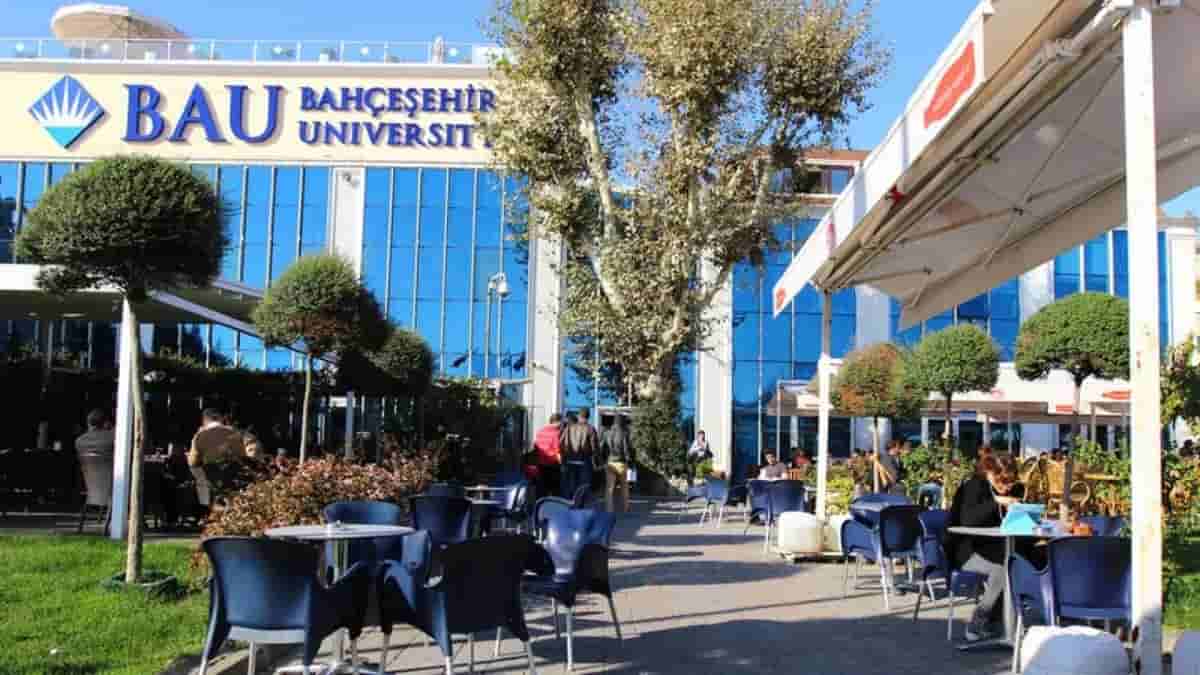
Turkey hosts many respected private technical institutions. Examples include Sabanci University, Özyeğin University, Bahçeşehir University, Istanbul Medipol University, Altinbas University, Atilim University, Bilkent University, and Ostim Teknik University.
Common technical and applied fields include:
• Engineering and computer science
• Software and AI related programs
• Health sciences and medical technologies
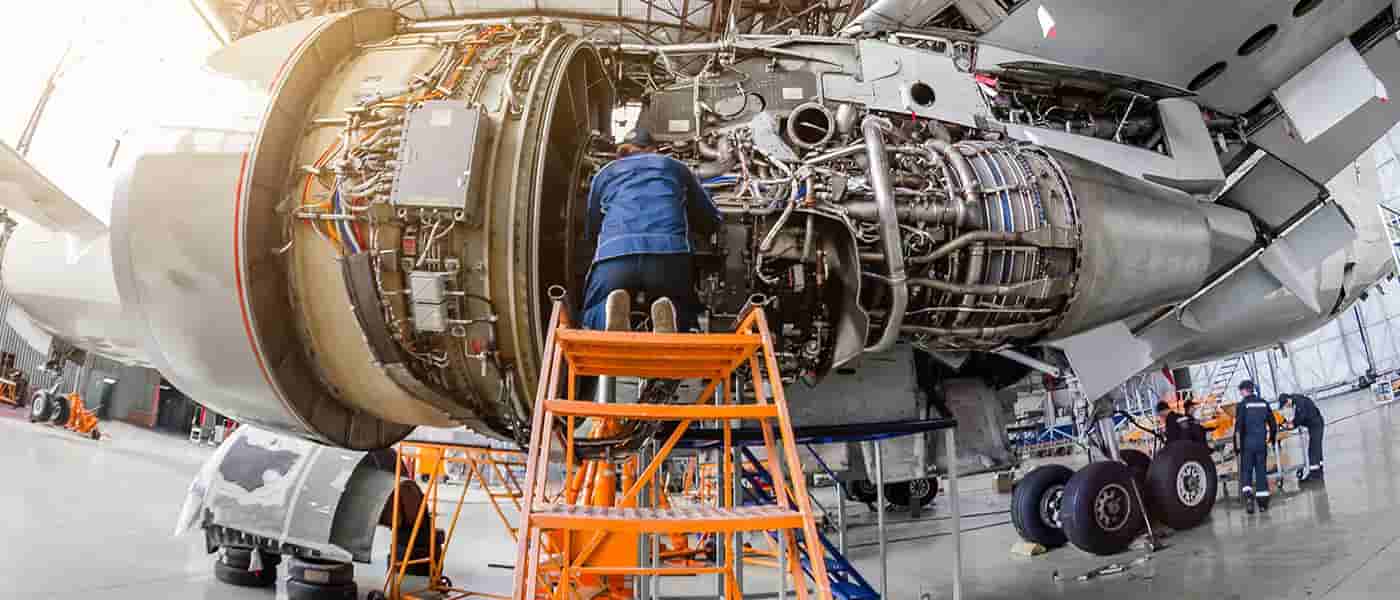
• Aviation and logistics
• Architecture and design technologies
• Vocational and associate level technical training
Students should compare facilities, internships, and program outcomes rather than focusing only on brand names.

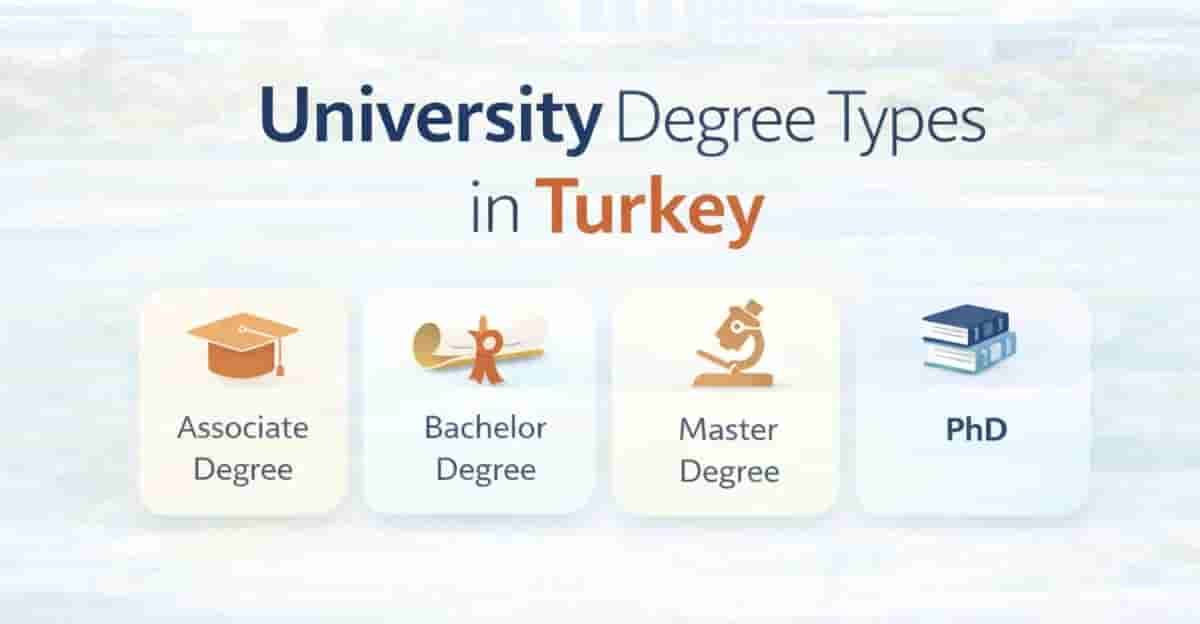
Admissions are document based and transparent. Students apply according to their intended level of study. These requirements outline the academic and identity documents needed at each study level to verify eligibility and prior education. Associate and Bachelor’s applicants submit high school records, while Master’s and PhD candidates provide university diplomas and transcripts that match their previous degrees. A passport and a basic copy of documents are requested for identification and administrative processing across all levels.
No additional testing requirements complicate the process. Clear documentation and timely submission are the key factors.

Many technical programs are delivered in English. Students should be ready for academic reading, writing, and presentations. If proficiency is not yet sufficient, universities may offer preparatory language training.
Students planning engineering or technical degrees should also refresh mathematics, physics, or computing fundamentals before arrival. Preparation reduces first year stress and improves performance.
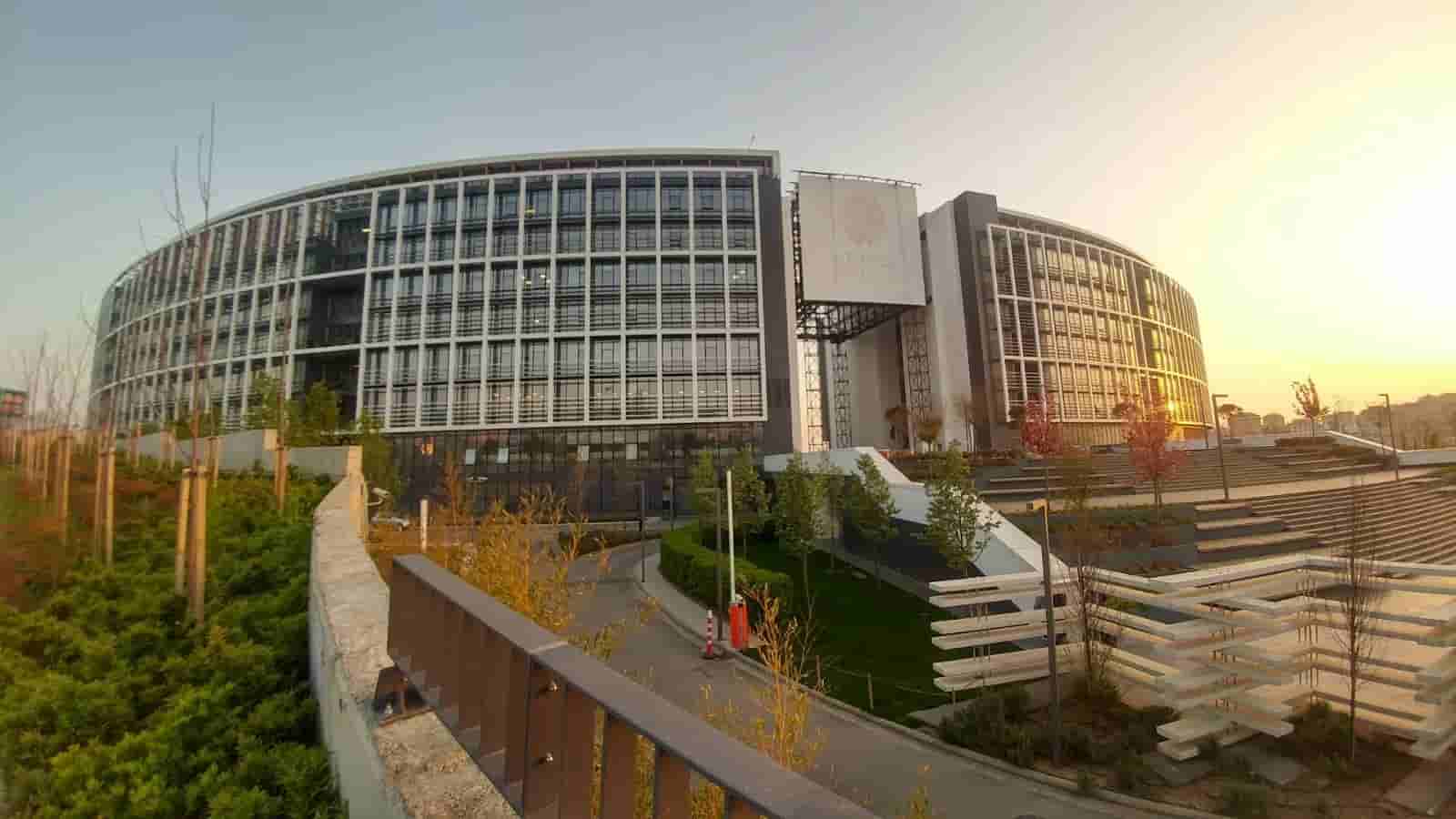
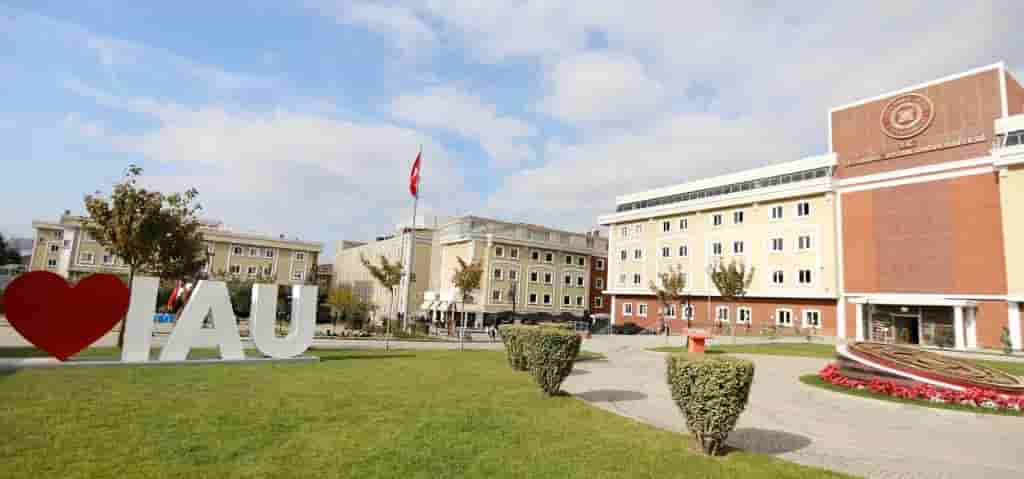
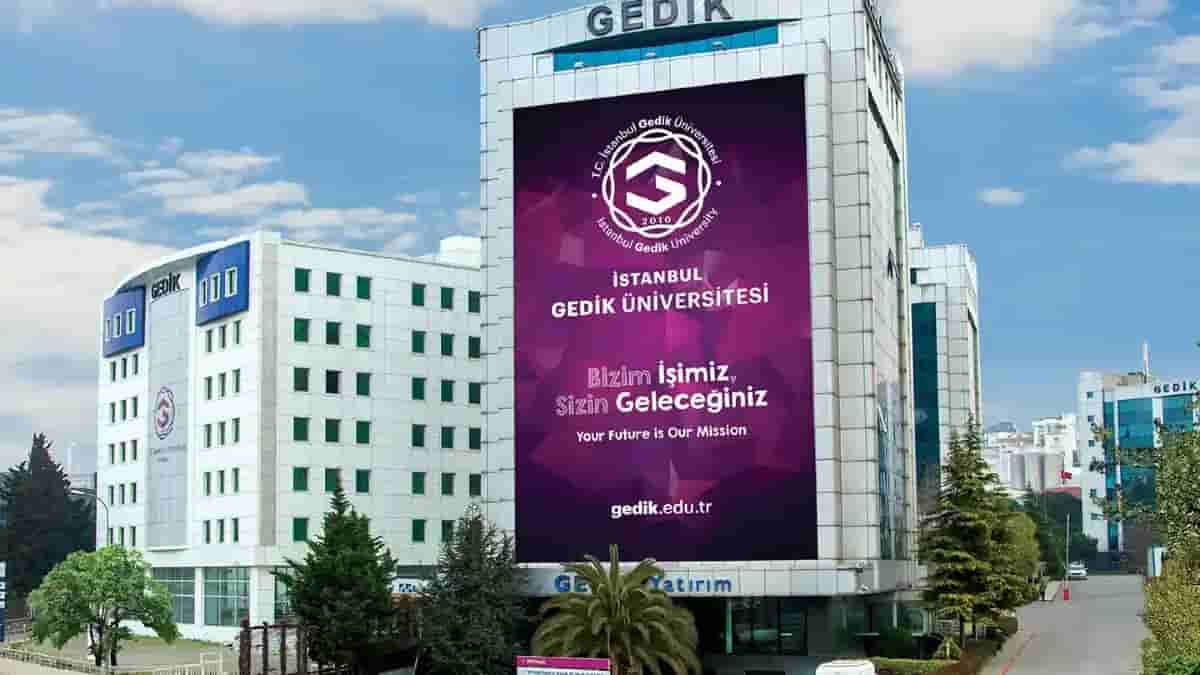
Most universities offer dormitories or assist with private housing. Shared apartments are common and reduce costs. Campuses typically include labs, libraries, sports facilities, and student clubs.
Adapting involves learning basic Turkish for daily life, managing public transport, and building a social network. Students who engage early in campus activities settle faster.
Urban campuses provide strong professional exposure through internships and part time work.
Technical graduates benefit from practical experience and industry links. Many programs integrate internships or project collaborations with companies.
After graduation, students can explore opportunities within Turkey or in nearby regions where Turkish degrees are recognized. Fields such as IT, engineering, and healthcare show consistent demand.
Employability depends more on skills, projects, and language ability than the university name alone. Students should focus on internships and certifications during study.

For a structured and reliable process, students should apply only through the StudyLeo platform rather than contacting universities directly. StudyLeo provides free transfer, free registration, and free visa support. Direct partnerships with universities ensure faster communication, accurate information, and smoother enrollment.
12 months before intake
Research programs and cities. Define budget and field of study.
9 months before
Select universities. Prepare academic documents and passport.
6 months before
Submit applications through StudyLeo. Confirm tuition and accommodation options.
3 months before
Receive acceptance, arrange housing, prepare visa documents.
1 month before
Finalize travel, insurance, and initial expenses.
Clear sequencing prevents last minute issues.
Studying abroad should be treated as a strategic education investment, not a quick decision. Technical universities in Turkey offer a balanced mix of affordability, practical learning, and accessible admissions. When students plan early, prepare documents carefully, and use a structured platform, the pathway becomes predictable and manageable. For those seeking applied skills and clear career direction, this option remains a strong and dependable choice.
Frequently Asked Questions and Answers
Look out blogs and aware of the latest trends and updates
Explore top universities offering quality education, modern facilities, and diverse academic opportunities for students worldwide





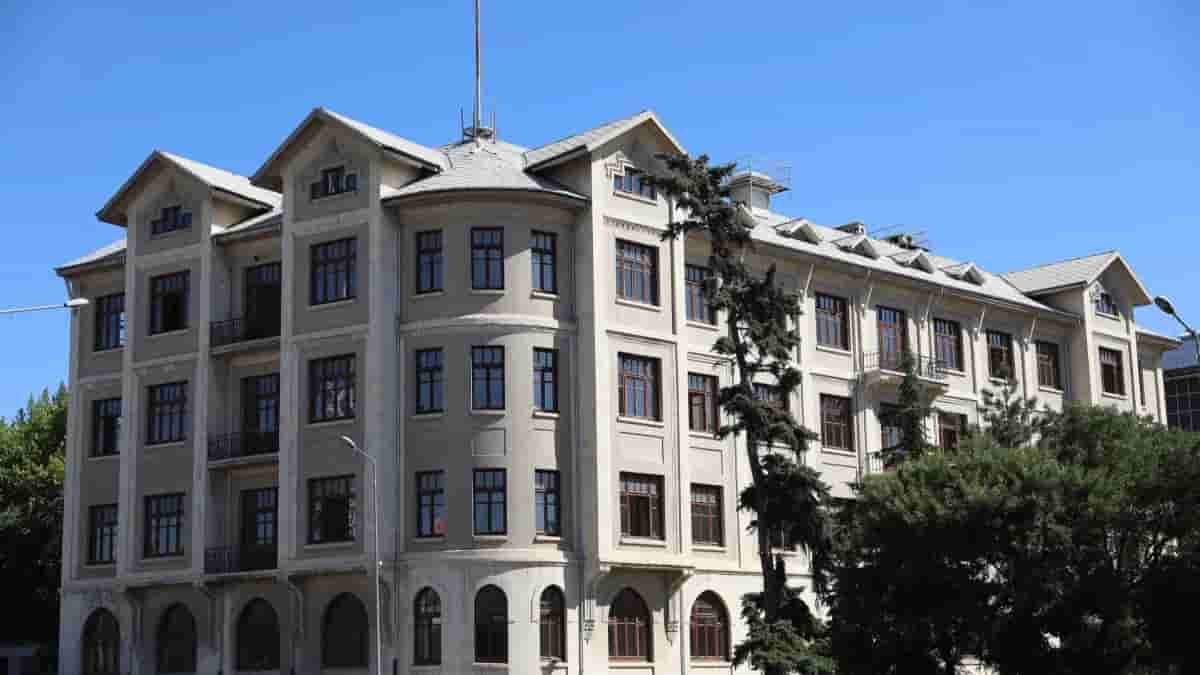 Dormitory
Ankara, Turkey
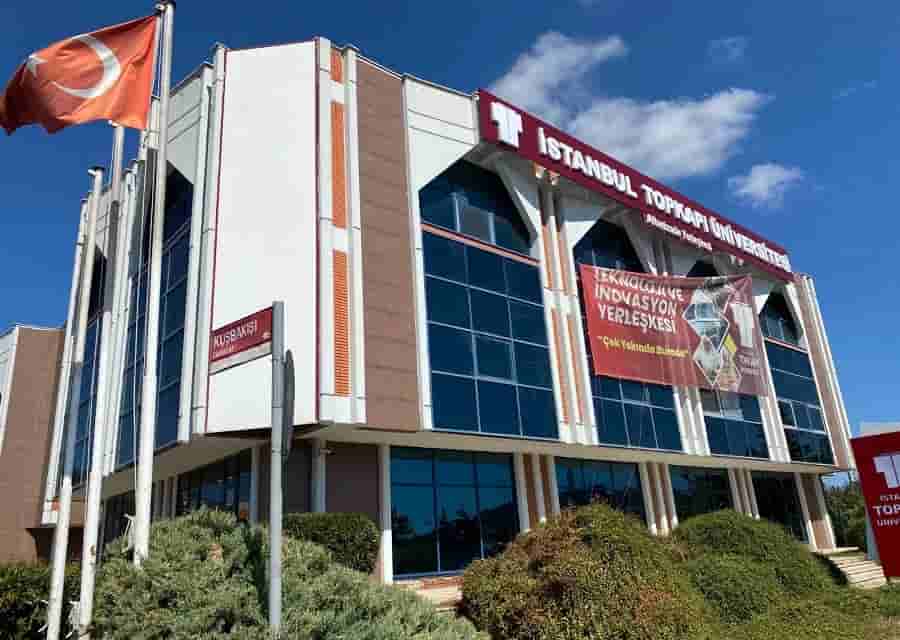 Dormitory
Istanbul, Turkey
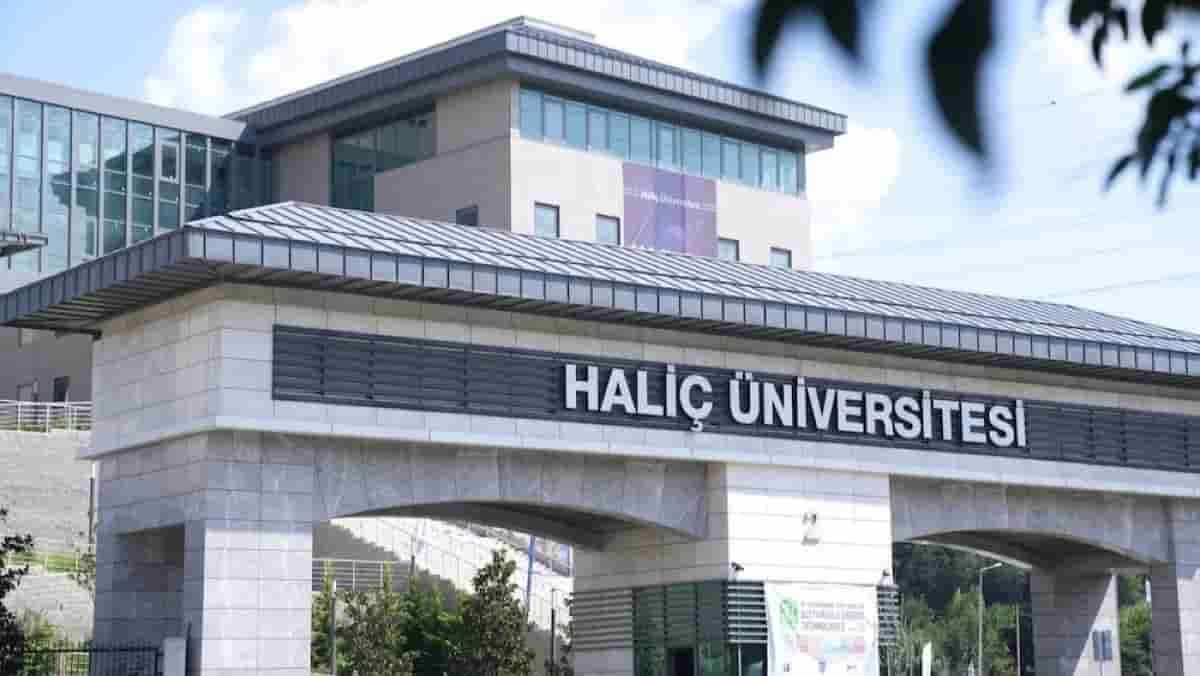 Dormitory
Istanbul, Turkey
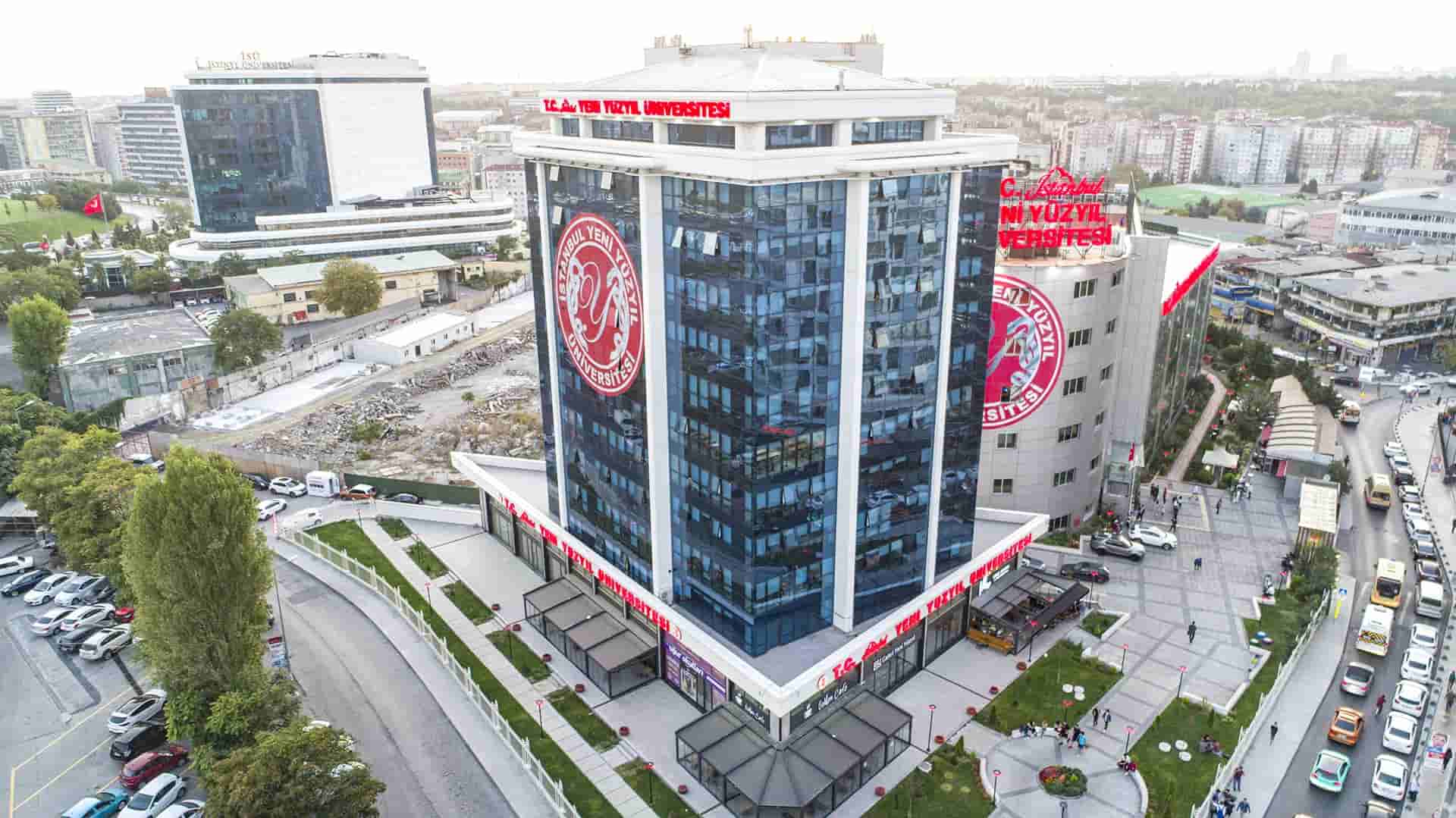 Dormitory
Istanbul, Turkey
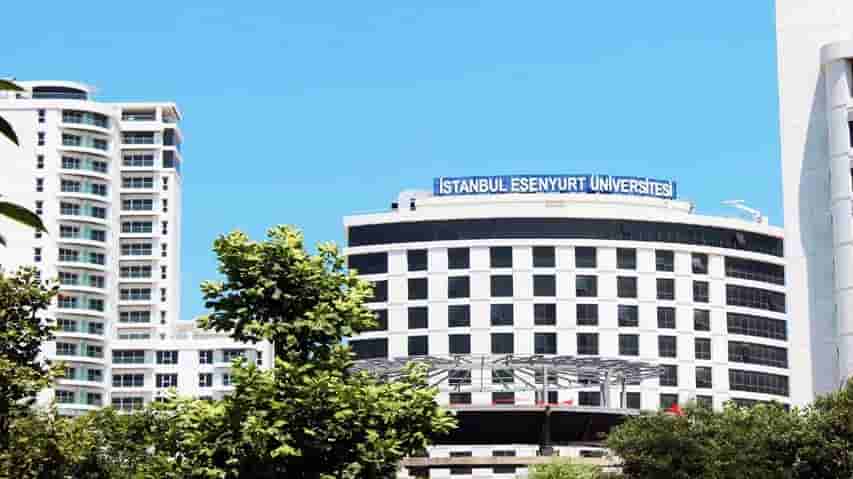 Dormitory
Istanbul, Turkey
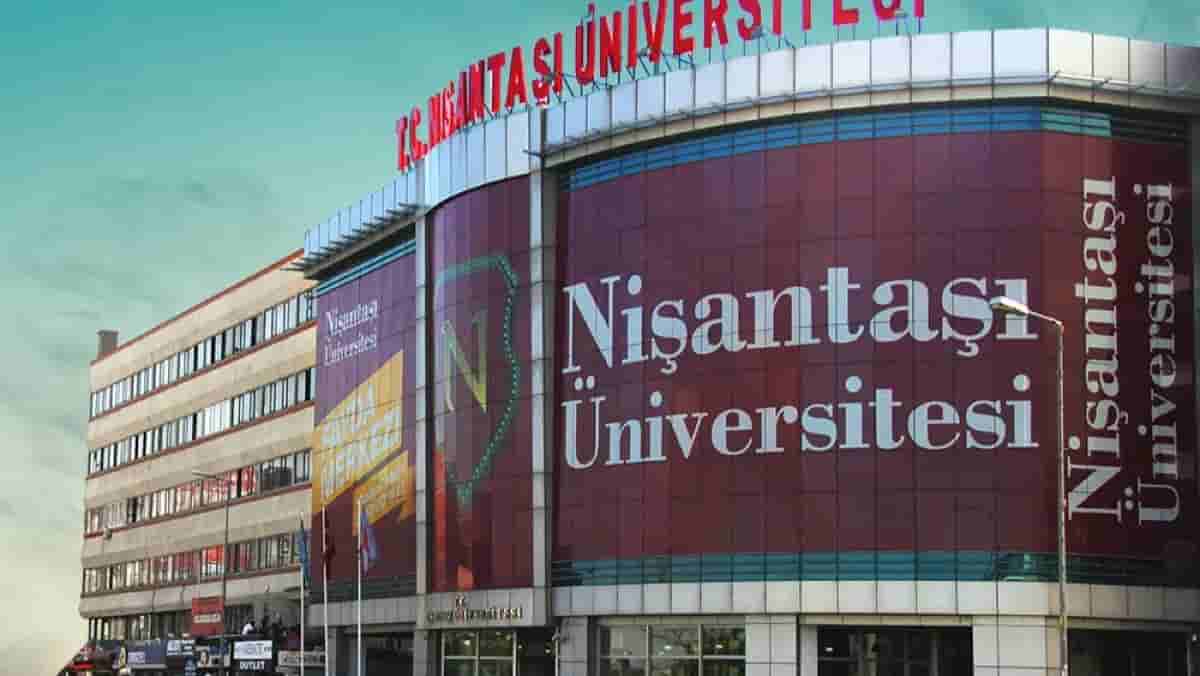 Dormitory
Istanbul, Turkey
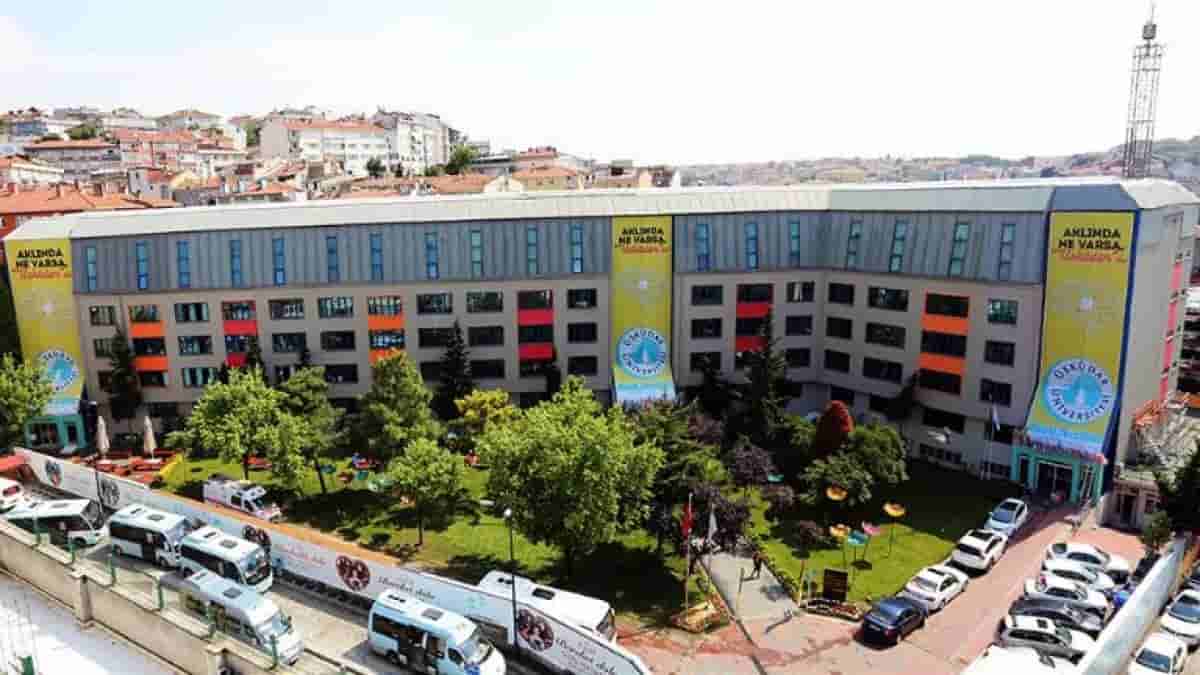 Dormitory
Istanbul, Turkey
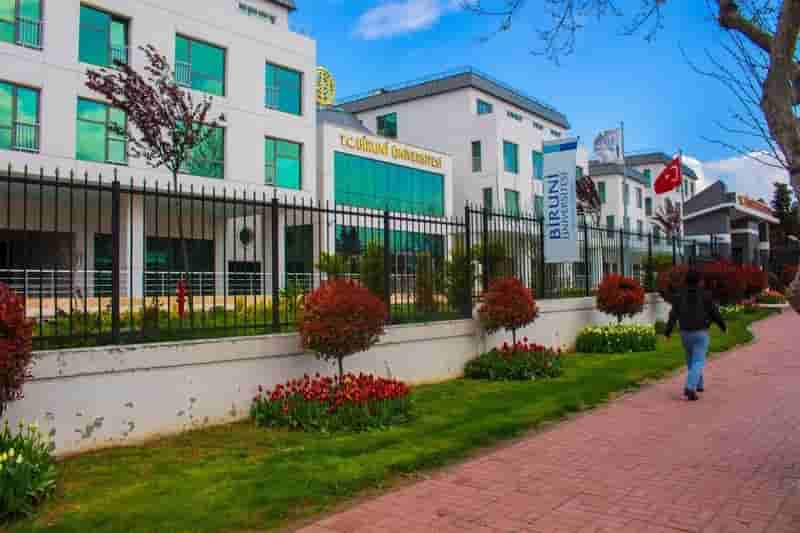 Dormitory
Istanbul, Turkey
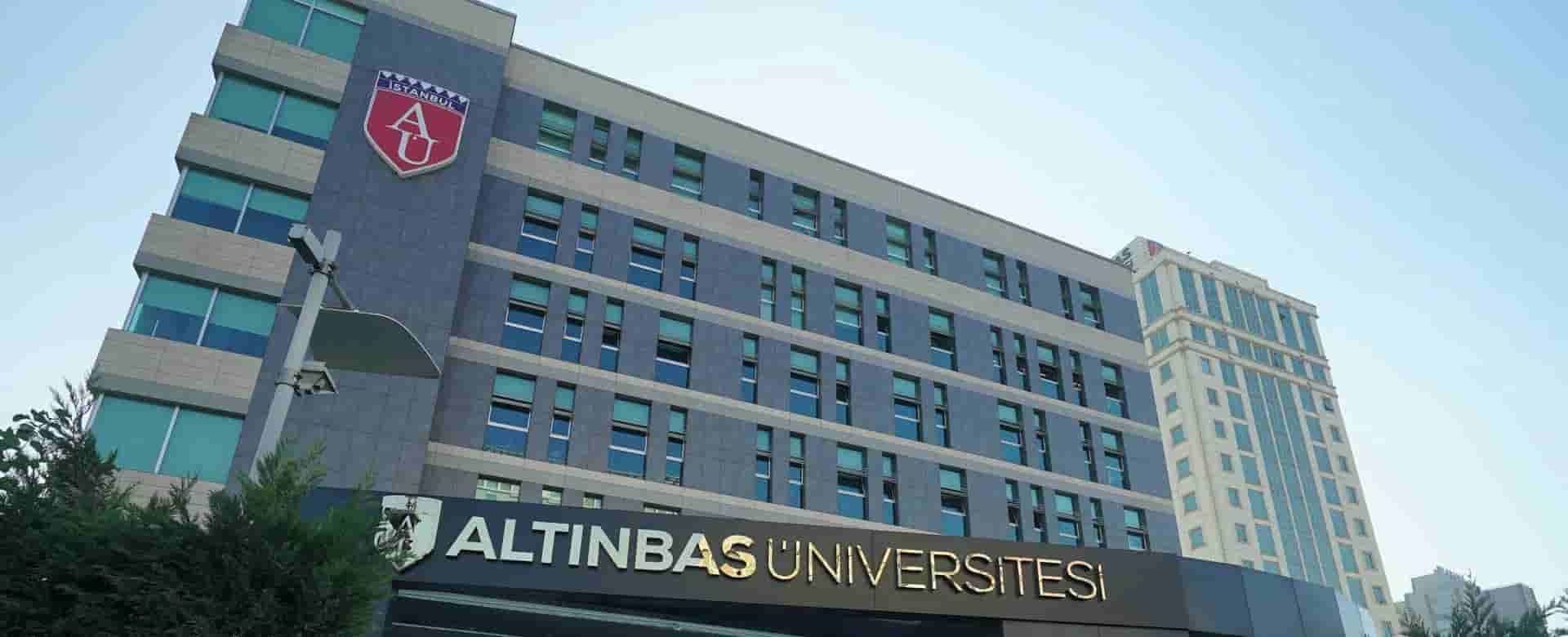 Dormitory
Istanbul, Turkey
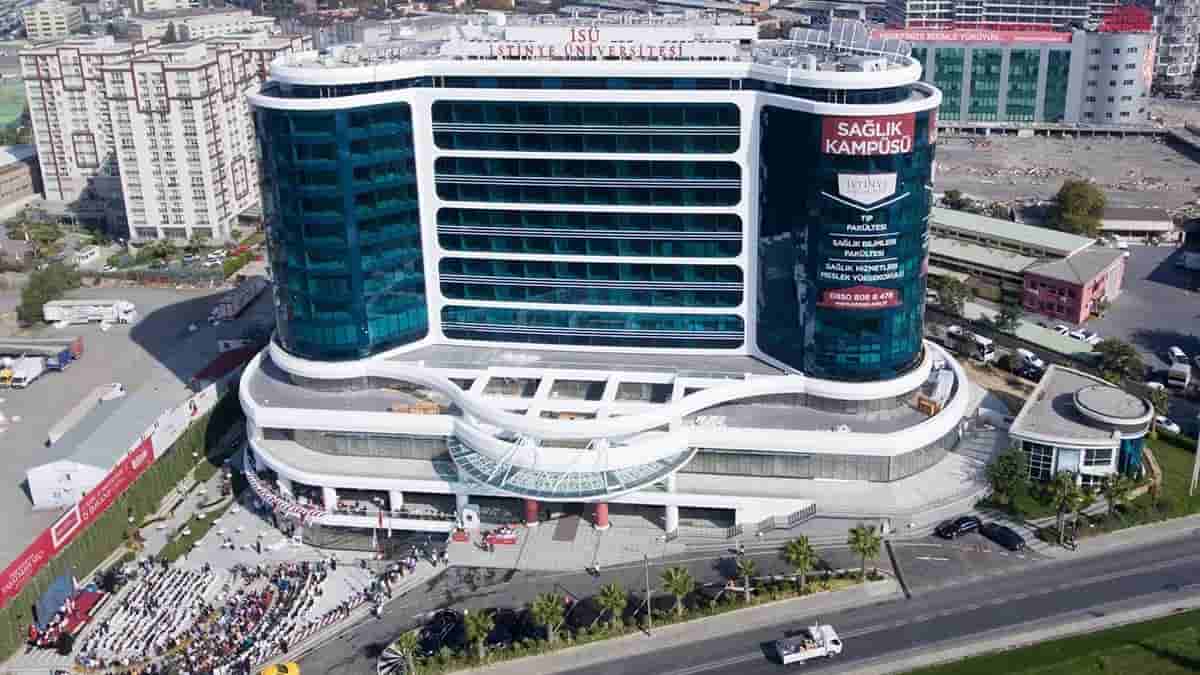 Dormitory
Istanbul, Turkey
 Dormitory
Istanbul, Turkey
 Dormitory
Istanbul, Turkey
 Dormitory
Istanbul, Turkey
 Dormitory
Istanbul, Turkey
 Dormitory
Istanbul, Turkey
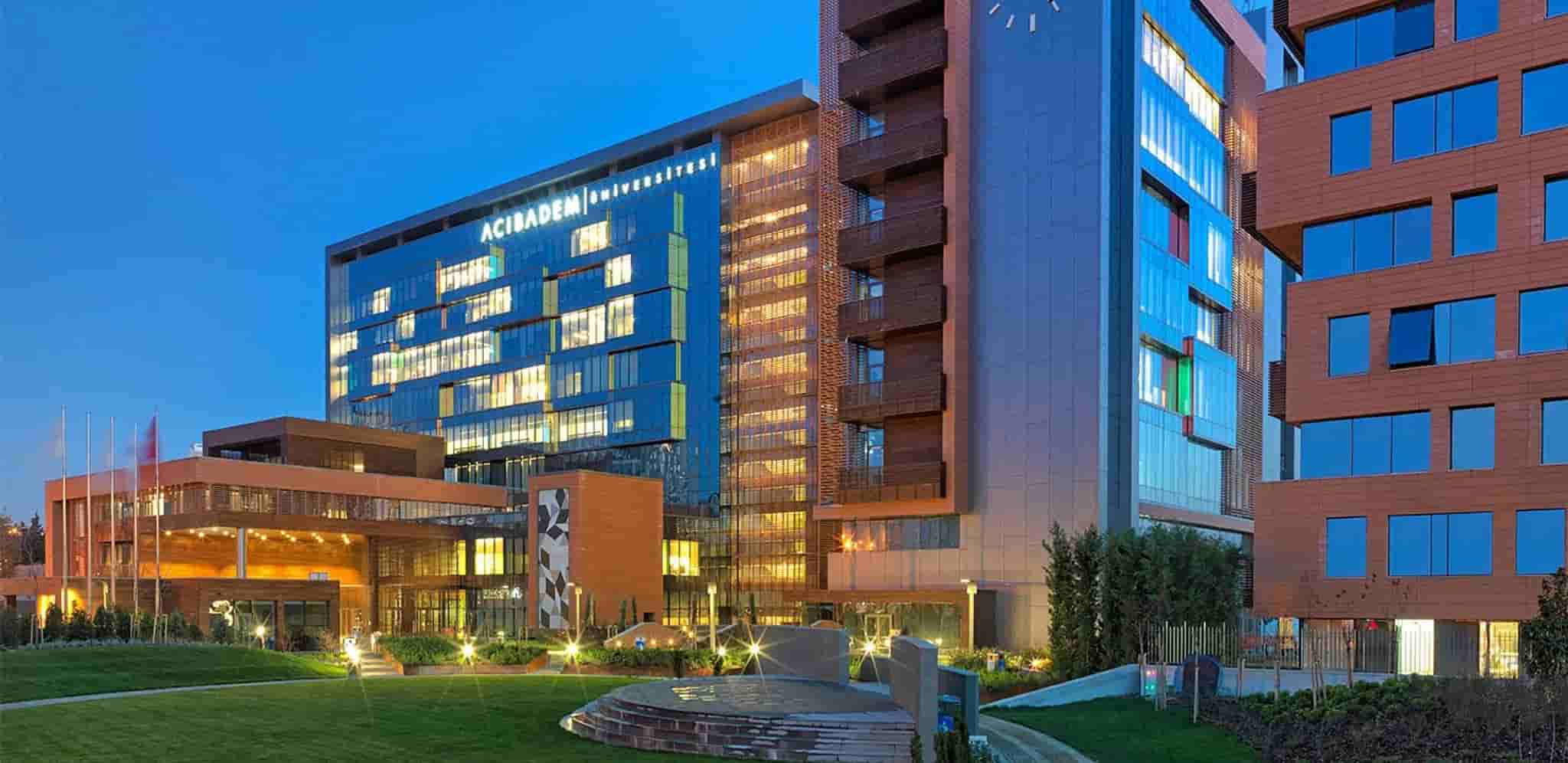 Dormitory
Istanbul, Turkey
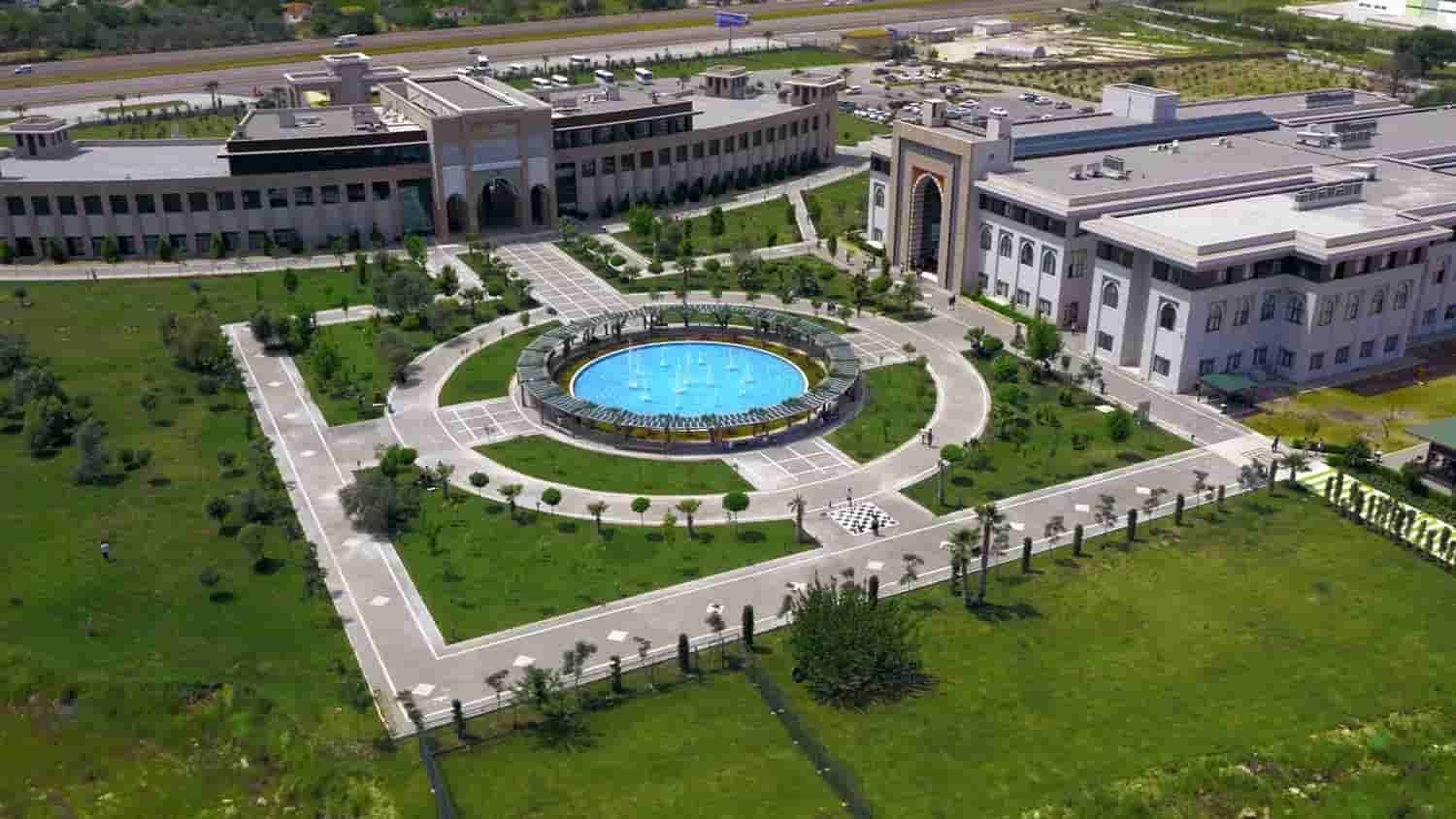 Dormitory
Antalya, Turkey
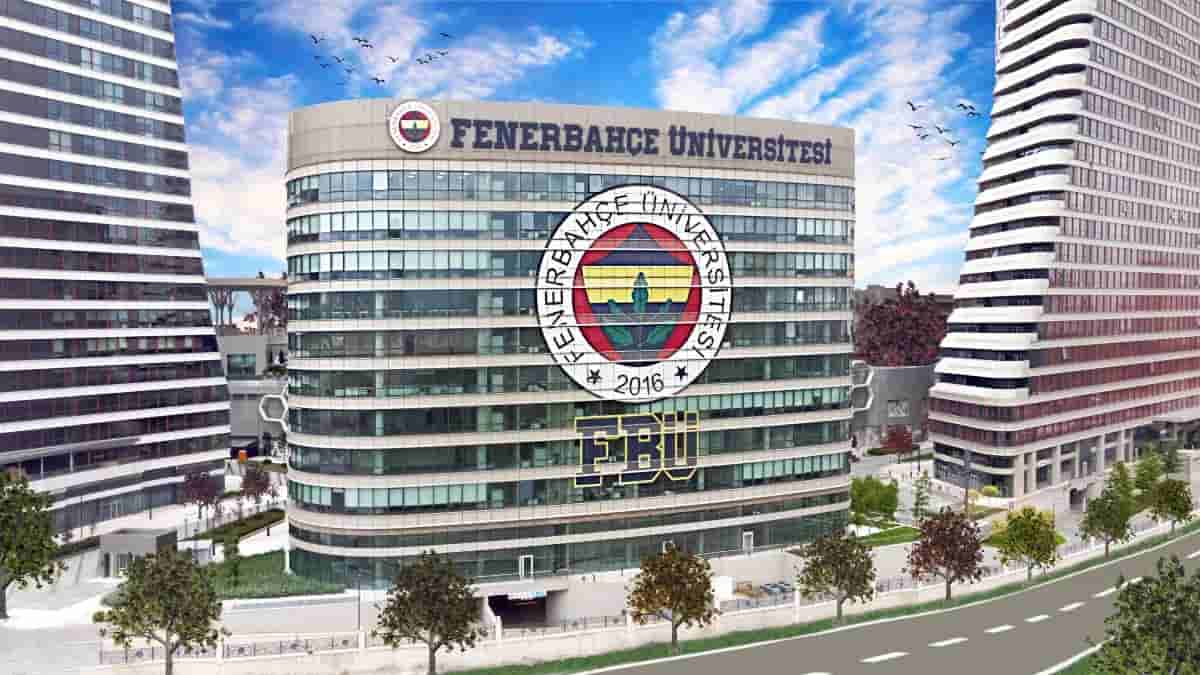 Dormitory
Istanbul, Turkey
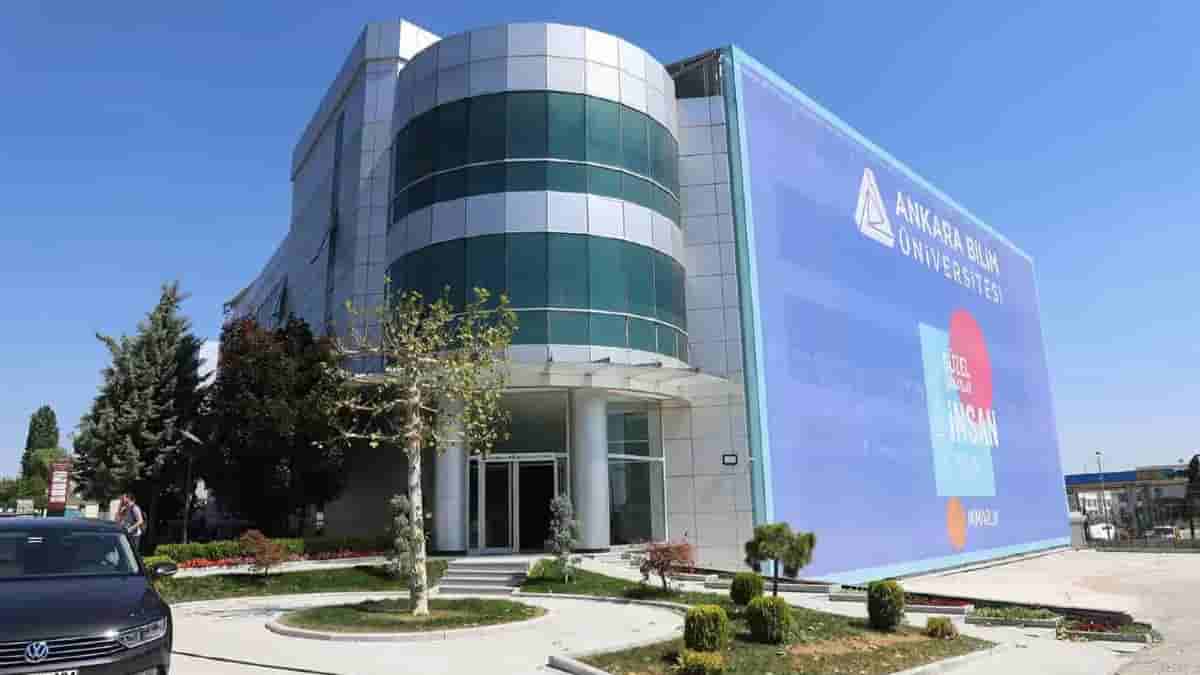 Dormitory
Ankara, Turkey
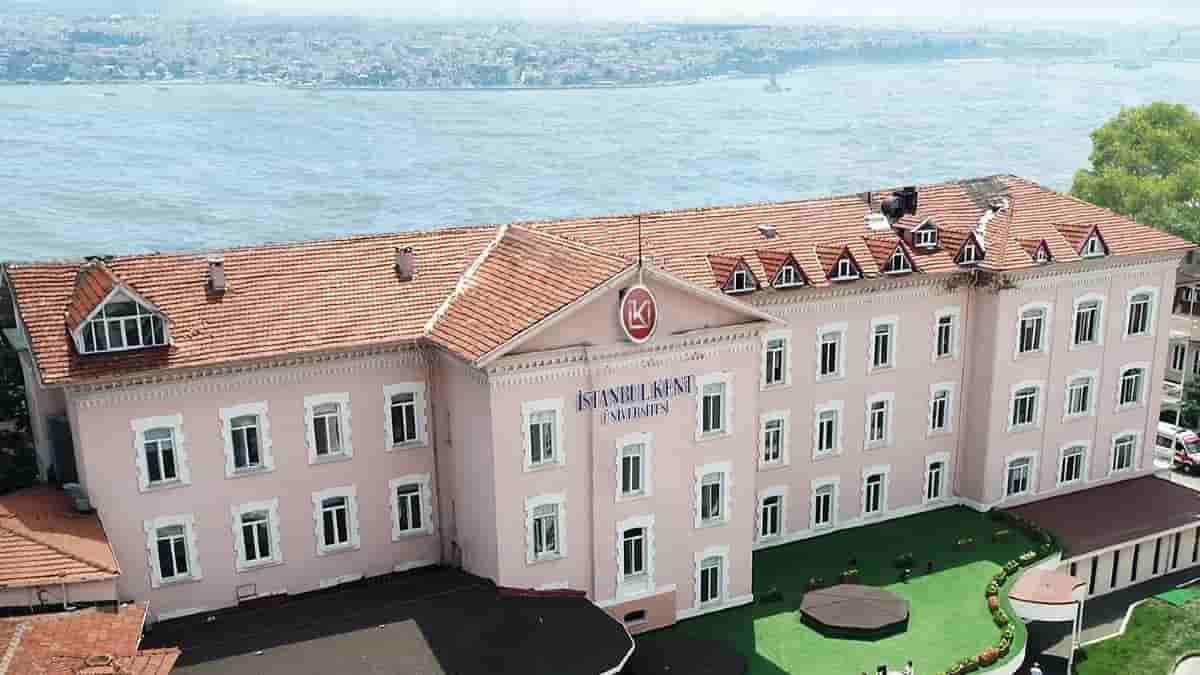 Dormitory
Istanbul, Turkey