

FAQs
Frequently Asked Questions and Answers

Turkey stands at the crossroads of Europe and Asia, offering international students a dynamic educational landscape shaped by millennia of history. Its universities have rapidly modernized, gaining global recognition for research output and innovative teaching methods. The country provides an immersive environment where students engage with diverse cultures, languages, and traditions daily. Affordable living costs combined with high-quality education make it a practical choice for budget-conscious learners. Government initiatives like the Türkiye Scholarships program attract thousands of international students annually. Campuses often feature state-of-the-art facilities alongside historic architecture, creating inspiring learning spaces. Beyond academics, Turkey’s Mediterranean coastline, mountain ranges, and vibrant cities offer unparalleled opportunities for exploration. This unique blend positions Turkey as an increasingly popular destination for those seeking transformative educational experiences.
Turkish universities consistently climb international rankings, with institutions like Middle East Technical University and Koç University leading in engineering and social sciences. The Council of Higher Education (YÖK) ensures rigorous accreditation standards across public and private institutions. Over 200 universities now operate nationwide, hosting more than 150,000 international students from 180 countries. This growth reflects Turkey’s strategic investment in research infrastructure and academic partnerships. Students benefit from interdisciplinary curricula designed to meet global industry demands. Cultural diversity on campuses fosters inclusive environments where cross-cultural collaboration thrives. Many programs integrate internships with multinational companies based in Istanbul or Ankara. This practical exposure significantly enhances graduate employability both regionally and internationally.
The historical depth of Turkish academia adds unique value, with institutions like Istanbul University founded in 1453 pioneering modern education in the region. Contemporary campuses balance heritage with innovation, featuring advanced laboratories and digital learning resources. International students receive dedicated support services including orientation programs and mentorship schemes. Universities actively participate in European exchange initiatives like Erasmus+, facilitating semester abroad opportunities. Academic calendars align with global standards, typically running from September to June with two main semesters. Research output has surged, particularly in fields like renewable energy and biomedical engineering. This commitment to excellence creates fertile ground for intellectual growth and professional development.
Turkey offers an extensive range of programs taught entirely in English, especially at the graduate level, spanning medicine, engineering, business, and social sciences. Public universities such as Hacettepe University excel in health sciences, while private institutions like Sabancı University lead in technology and innovation. Over 1,800 English-medium programs are available nationwide, eliminating language barriers for international applicants. Specialized institutions focus on areas like maritime studies in coastal cities or agricultural sciences in rural regions. The Bologna Process integration ensures degree compatibility with European frameworks. Students can choose between research-intensive universities or practice-oriented vocational schools. Many institutions maintain industry partnerships for co-op programs and thesis projects.
Regional diversity significantly influences academic specializations. Universities in eastern Turkey, like Atatürk University, emphasize earth sciences and regional studies. Western institutions such as Boğaziçi University leverage Istanbul’s financial hub status for strong economics and finance departments. Art and design programs flourish in cultural centers like İzmir and Bursa. STEM fields receive substantial government funding, with new technology campuses emerging near Ankara. International branch campuses, including George Washington University’s Istanbul center, provide additional options. Quality assurance mechanisms require regular program reviews by YÖK. This variety allows students to match their academic interests with institution strengths across Turkey’s varied landscapes.
While Turkish is the primary language of instruction at many public universities, English-medium programs have expanded dramatically over the past decade. Institutions require internationally recognized proficiency tests like TOEFL or IELTS for admission to these programs, typically expecting scores around 78 or 6.0 respectively. Students enrolling in Turkish-taught programs must complete a year-long language preparatory course. These intensive courses cover academic Turkish and cultural context, often included in tuition fees. Many universities provide free language support services throughout degree programs. Bilingual environments on campuses help international students adapt gradually.
Learning Turkish remains highly recommended for daily life integration and deeper cultural understanding. Universities offer elective Turkish language courses at beginner to advanced levels during semesters. Conversational practice groups and language exchange partners are commonly organized by student clubs. Knowledge of Turkish significantly enhances internship and job prospects within Turkey. Some scholarship programs include mandatory language training components. Digital resources like mobile apps supplement formal classroom learning. Proficiency in both English and Turkish creates a competitive advantage for graduates entering multinational workplaces. This linguistic flexibility reflects Turkey’s position as a global bridge between continents.
Tuition fees at public universities remain remarkably affordable, ranging from $100 to $800 annually for international students depending on the program. Private universities charge higher rates, typically between $5,000 and $15,000 per year, though still below Western equivalents. Many institutions offer merit-based scholarships covering partial or full tuition. Living expenses average $400 to $700 monthly, varying significantly by city Istanbul being most expensive while eastern regions are considerably cheaper. Student accommodation options include university dormitories costing $30 to $100 monthly or private shared apartments. Food costs remain low, with monthly groceries averaging $150 to $250.
Budgeting effectively requires understanding regional cost differences. Ankara and İzmir offer moderate living expenses compared to Istanbul’s metropolitan prices. Transportation is efficient and inexpensive, with student metro cards providing substantial discounts. Health insurance is mandatory, costing approximately $100 annually through the government scheme. Part-time work opportunities exist on campuses or in tutoring, limited to 24 hours weekly during academic terms. Cultural activities like museum visits and public festivals are often subsidized for students. Utilities in shared housing typically add $30 to $50 monthly. These manageable costs make Turkey accessible for students from diverse economic backgrounds seeking quality education without excessive debt.
Campus life in Turkey blends academic rigor with vibrant social engagement through numerous student clubs and organizations. Universities host regular cultural festivals celebrating Turkish music, cuisine, and arts alongside international events. Sports facilities are extensive, with football, basketball, and volleyball being particularly popular. Weekend trips to historical sites like Ephesus or natural wonders like Pamukkale are common organized activities. Student unions advocate for learner welfare and coordinate volunteer initiatives across communities. Cafés near campuses serve as informal hubs for discussion and networking. Religious diversity is respected, with prayer rooms and spiritual support services available.
Beyond campuses, Turkey’s living heritage offers immersive experiences through its bustling bazaars, traditional tea houses, and coastal villages. International students often participate in language exchange meetups or cooking classes to connect with locals. Public transportation networks make exploring cities and neighboring regions straightforward and affordable. Safety protocols on campuses include dedicated international student offices and emergency support systems. Homestay programs provide deeper cultural integration opportunities for interested students. Annual events like the Istanbul Music Festival or Ankara Film Festival enrich extracurricular life. This dynamic environment fosters personal growth alongside academic achievement.
Admission requirements vary by institution but generally include academic transcripts, standardized test scores, and proof of language proficiency. Undergraduate applicants typically need high school diplomas equivalent to Turkish standards, while graduate programs require relevant bachelor’s degrees. Letters of recommendation and personal statements are mandatory for competitive programs. Application deadlines usually fall between January and April for fall intake, though dates differ annually. Some universities conduct online interviews as part of selection. All documents require notarized translations into Turkish or English. Portfolio submissions are essential for arts and architecture programs.
Platforms like StudyLeo simplify this complex process by providing personalized application guidance at no service fee charge. Their advisors help students navigate university-specific requirements and document preparation efficiently. StudyLeo verifies credential authenticity and ensures timely submission before deadlines. The service includes interview preparation support and scholarship application assistance. Students receive regular updates on application status through a dedicated portal. This streamlined approach reduces administrative stress significantly. StudyLeo’s partnerships with Turkish universities facilitate direct communication channels. Their expertise ensures compliance with YÖK regulations throughout the admission journey.
International students must obtain a student residence permit after arriving in Turkey, valid for one year and renewable annually. The initial process requires acceptance letters from Turkish universities, proof of financial means, and valid health insurance. Applications are submitted online through the e-İkamet system followed by in-person appointments at local migration offices. Processing typically takes 15 to 30 working days, during which students receive temporary documentation. Passport validity must exceed the study duration by at least 60 days. Biometric data collection is mandatory during appointments. Dependents can apply for accompanying residence permits with additional documentation.
Renewal procedures begin two months before permit expiration through university international offices. Students must maintain full-time enrollment status to retain legal residency. Part-time work permissions require separate applications with employer documentation. Travel outside Turkey during studies necessitates valid re-entry visas. Overstaying permits incurs fines and potential entry bans. Universities provide free legal counseling sessions to navigate bureaucratic requirements. Health insurance must be continuously valid, with public options costing approximately 100 TL monthly. This structured framework ensures students can focus on academics without immigration concerns.
Turkey’s strategic location connects European and Asian markets, creating unique career pathways for graduates. The technology sector in Istanbul and Ankara actively recruits engineering and computer science talent, with companies like Trendyol and Getir expanding rapidly. Multinational corporations value graduates with cross-cultural communication skills developed during Turkish studies. The government offers one-year post-graduation work permits, extendable with employer sponsorship. Professional internships during studies often convert to full-time positions through university career fairs. Emerging fields like renewable energy and digital marketing show strong hiring potential.
Networking opportunities abound through alumni associations and industry conferences hosted by universities. Graduates may apply for Türkiye Scholarships alumni programs supporting entrepreneurial ventures. Recognition of Turkish degrees is growing globally, particularly within OIC member states and Eurasian markets. Language skills in Turkish and English significantly broaden employment options. Career centers provide resume workshops and interview training tailored to local job markets. Some sectors like construction and textiles seek specialized technical graduates. Freelancing platforms also offer remote work possibilities for digital nomads. These diverse prospects position Turkish-educated graduates competitively worldwide.
Turkey’s educational landscape offers transformative opportunities where academic excellence meets cultural immersion. Students gain globally recognized qualifications within a historically rich and geographically strategic environment. The combination of affordable living costs and high-quality teaching makes it an exceptionally practical choice. Support systems for international learners continue to strengthen across campuses nationwide. Graduates emerge with unique perspectives sought after by employers in diverse industries. This nation bridges continents not just physically but intellectually and professionally. Choosing Turkey means investing in an education that extends far beyond classroom walls into a lifetime of connections. The journey reshapes worldviews while building foundations for meaningful careers.
Frequently Asked Questions and Answers
Look out blogs and aware of the latest trends and updates
Explore top universities offering quality education, modern facilities, and diverse academic opportunities for students worldwide




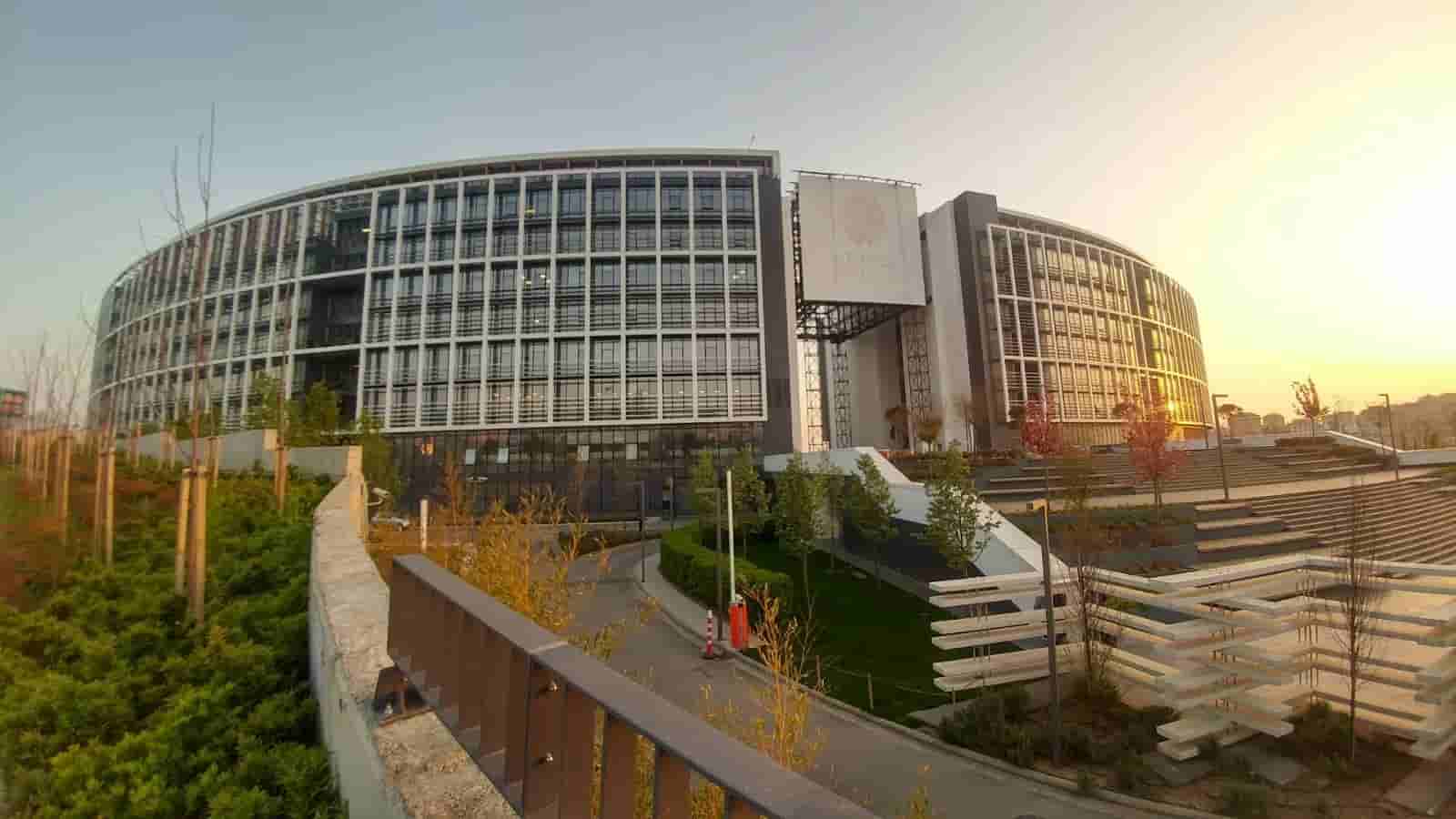 Dormitory
Istanbul, Turkey
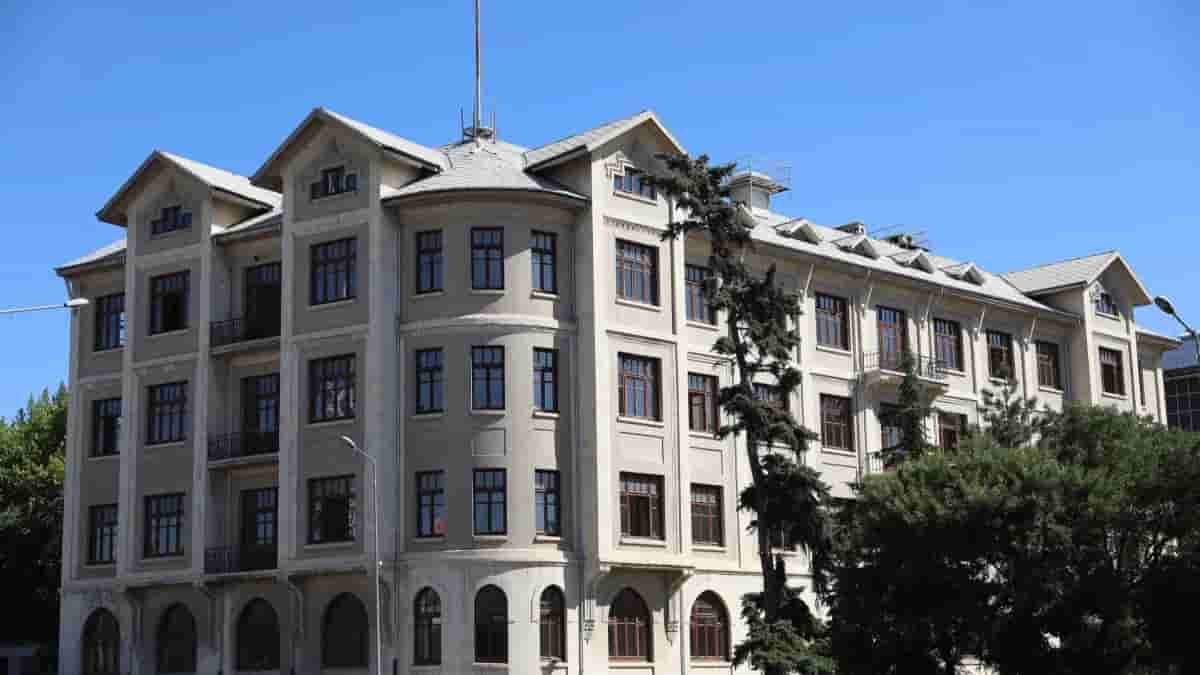 Dormitory
Ankara, Turkey
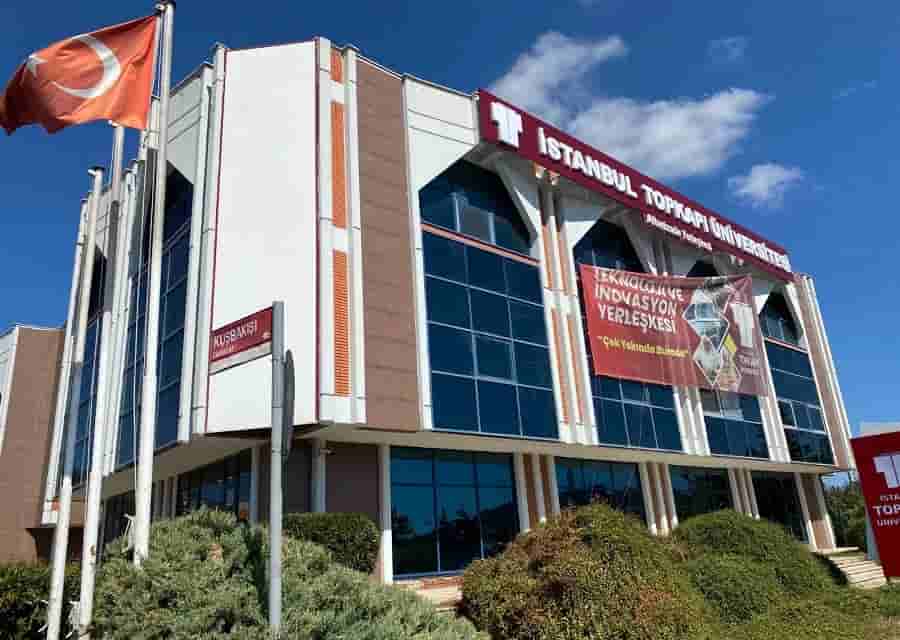 Dormitory
Istanbul, Turkey
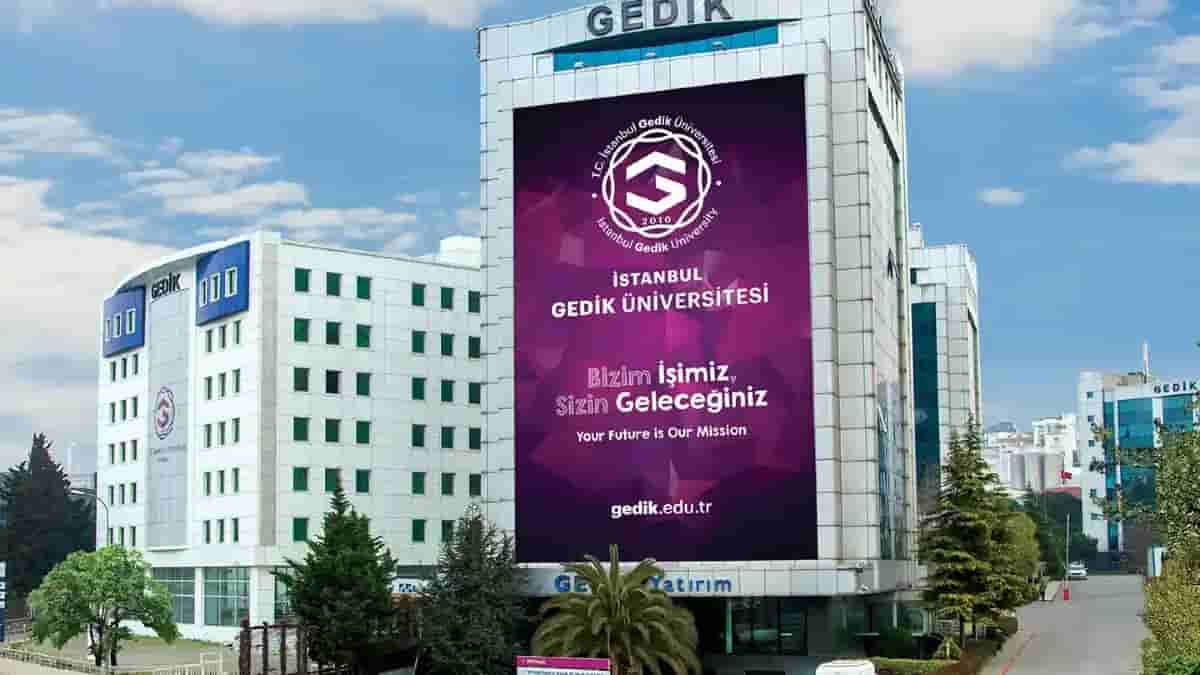 Dormitory
Istanbul, Turkey
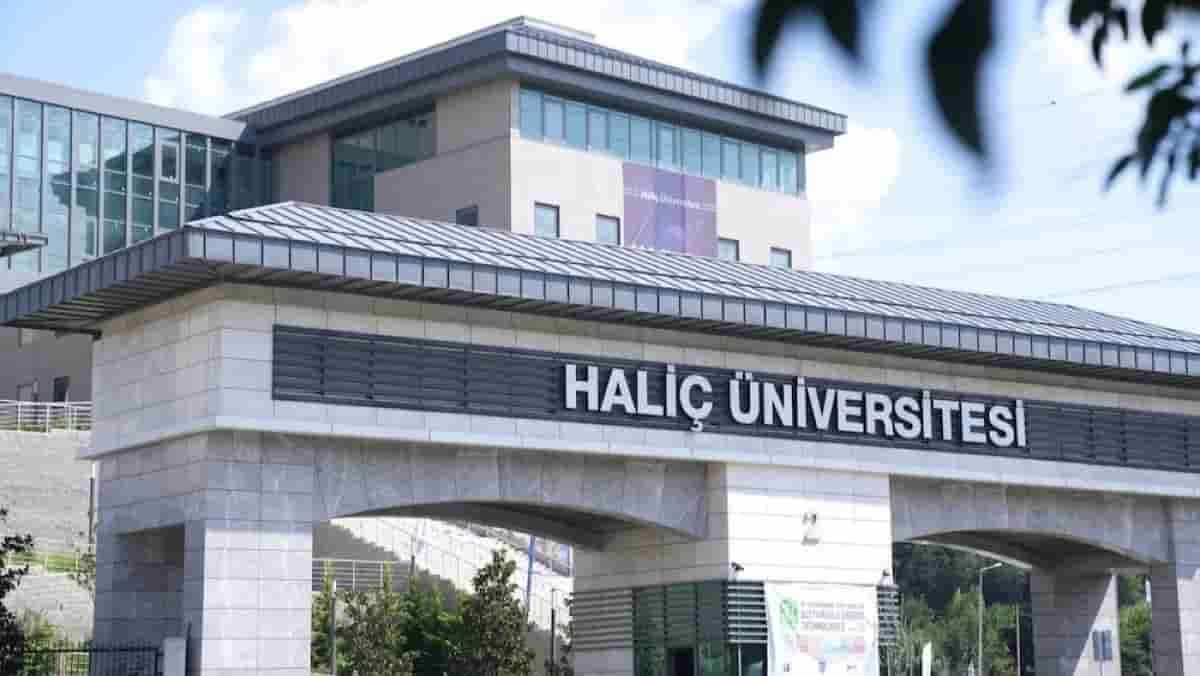 Dormitory
Istanbul, Turkey
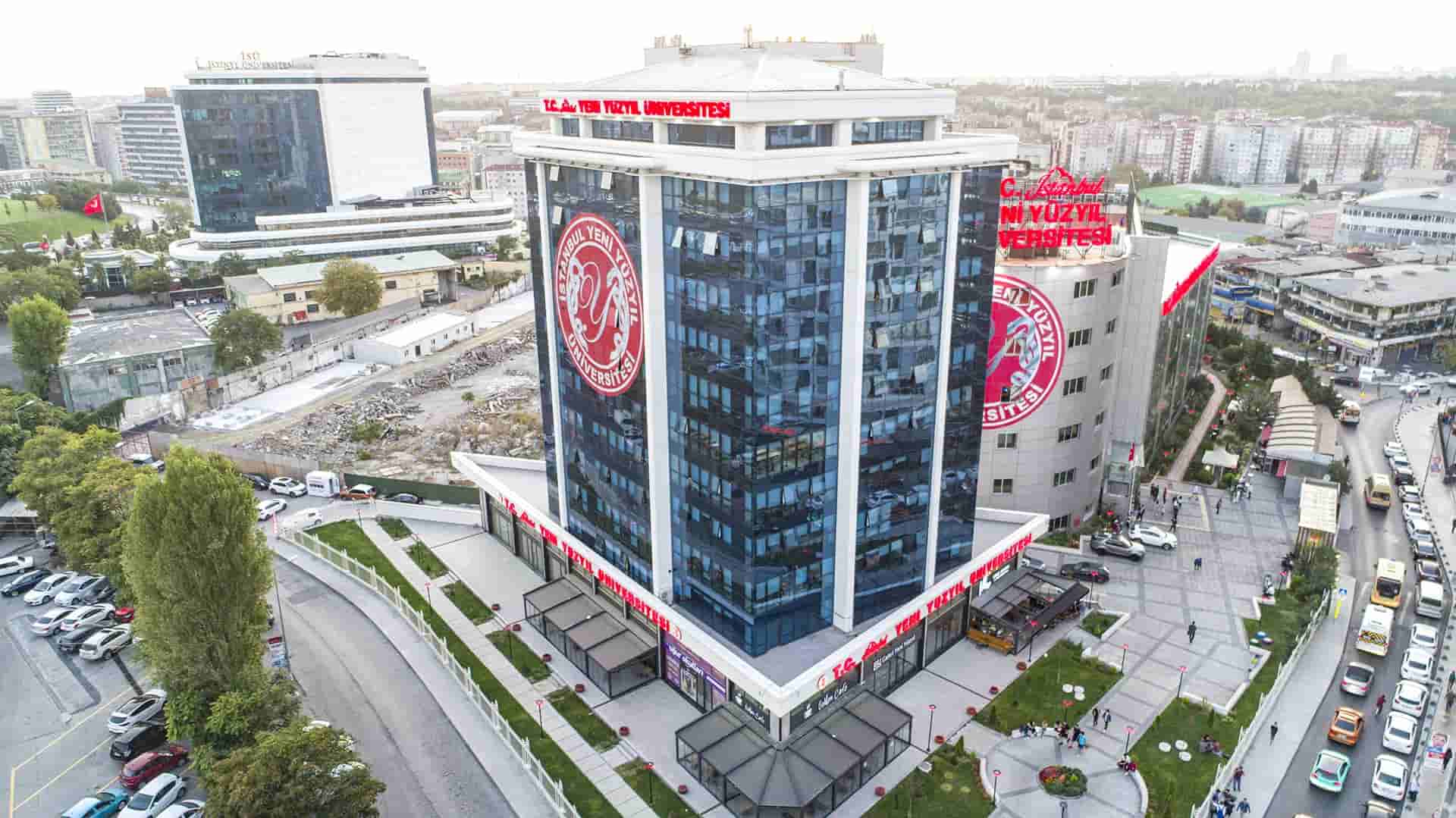 Dormitory
Istanbul, Turkey
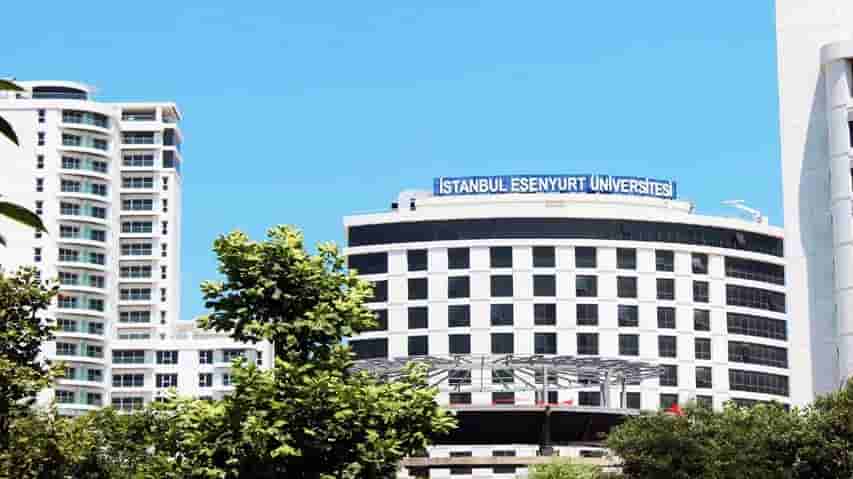 Dormitory
Istanbul, Turkey
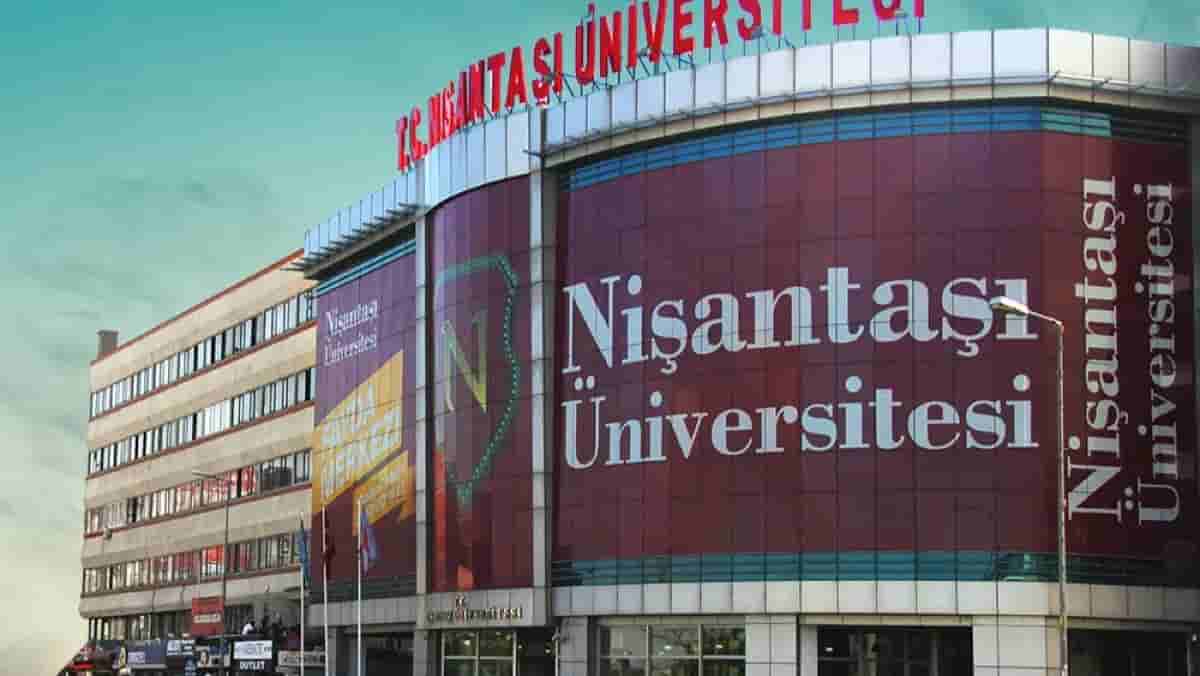 Dormitory
Istanbul, Turkey
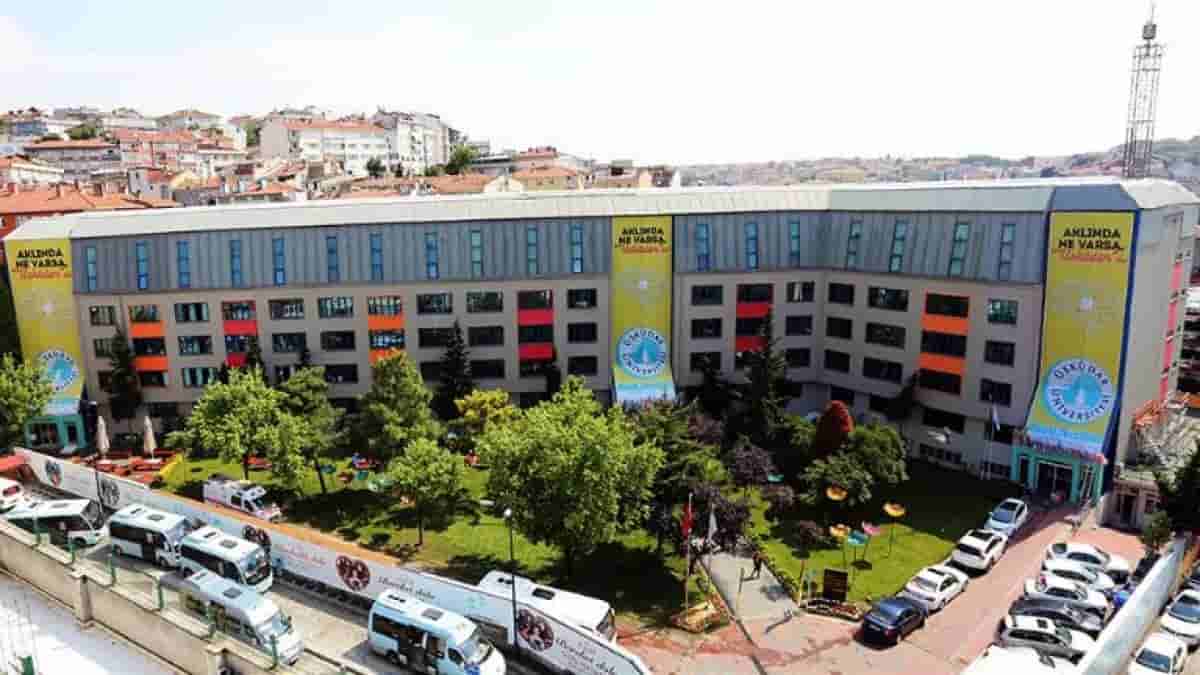 Dormitory
Istanbul, Turkey
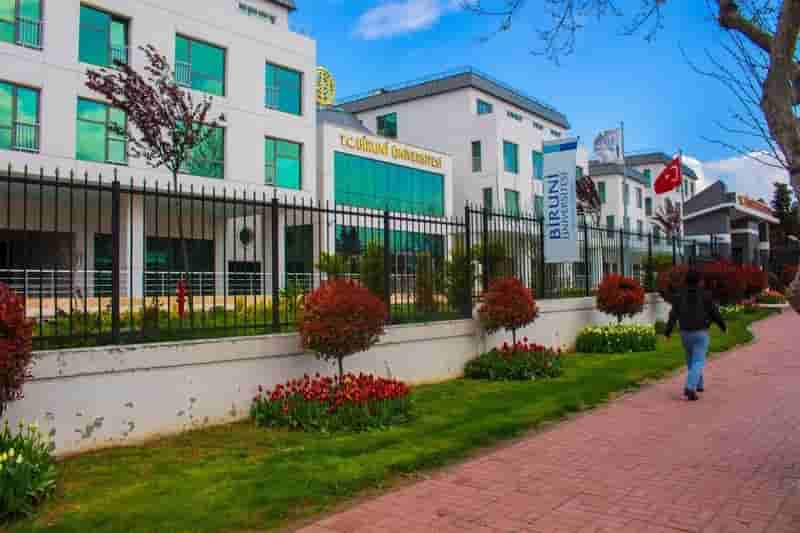 Dormitory
Istanbul, Turkey
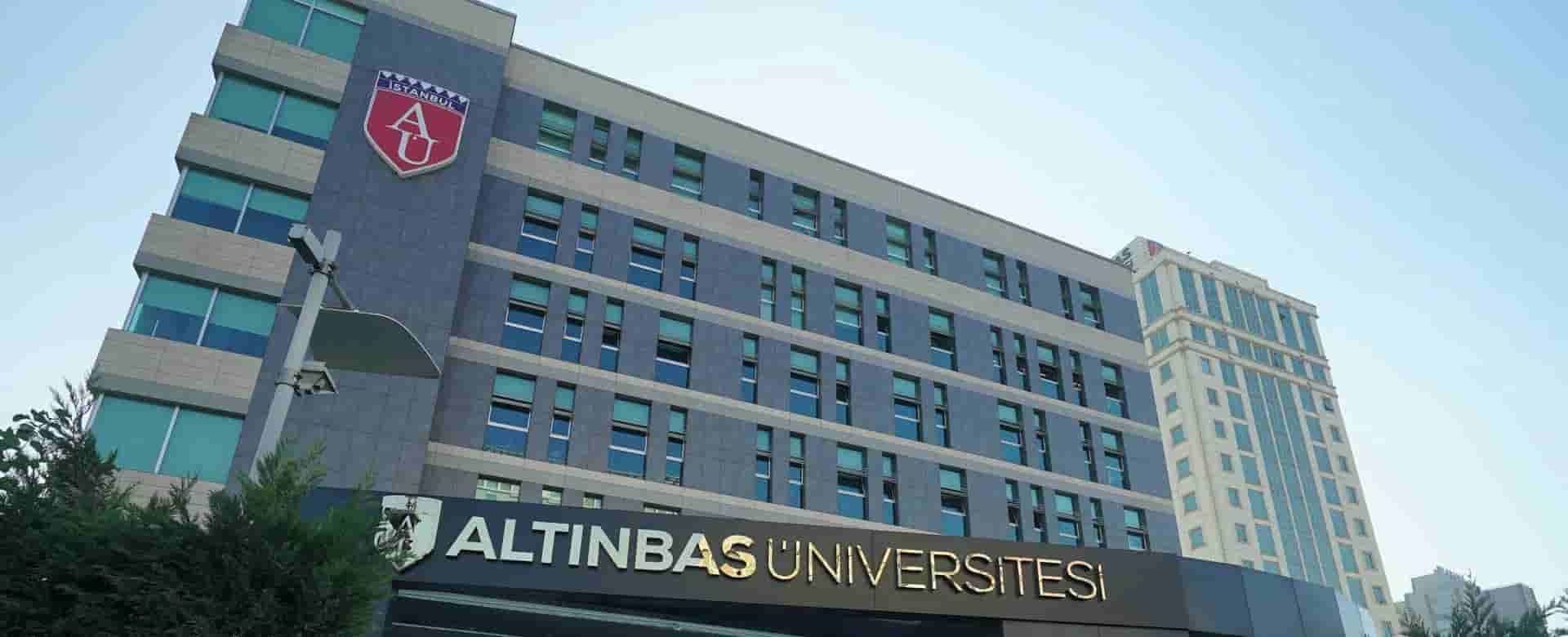 Dormitory
Istanbul, Turkey
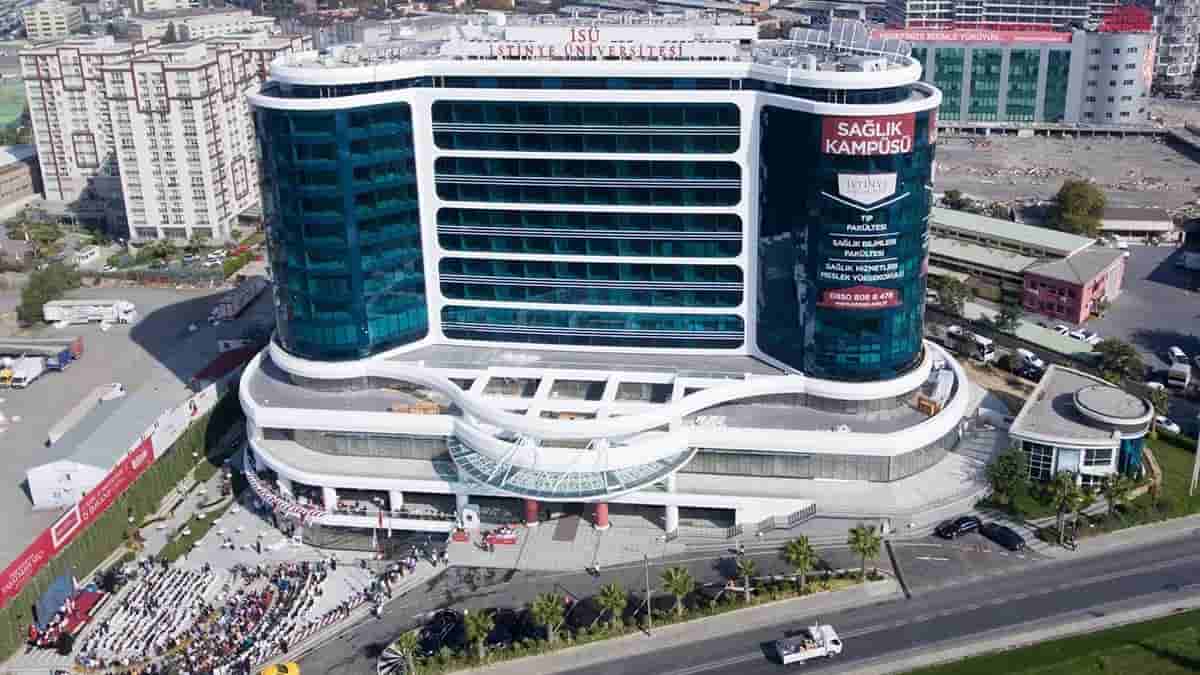 Dormitory
Istanbul, Turkey
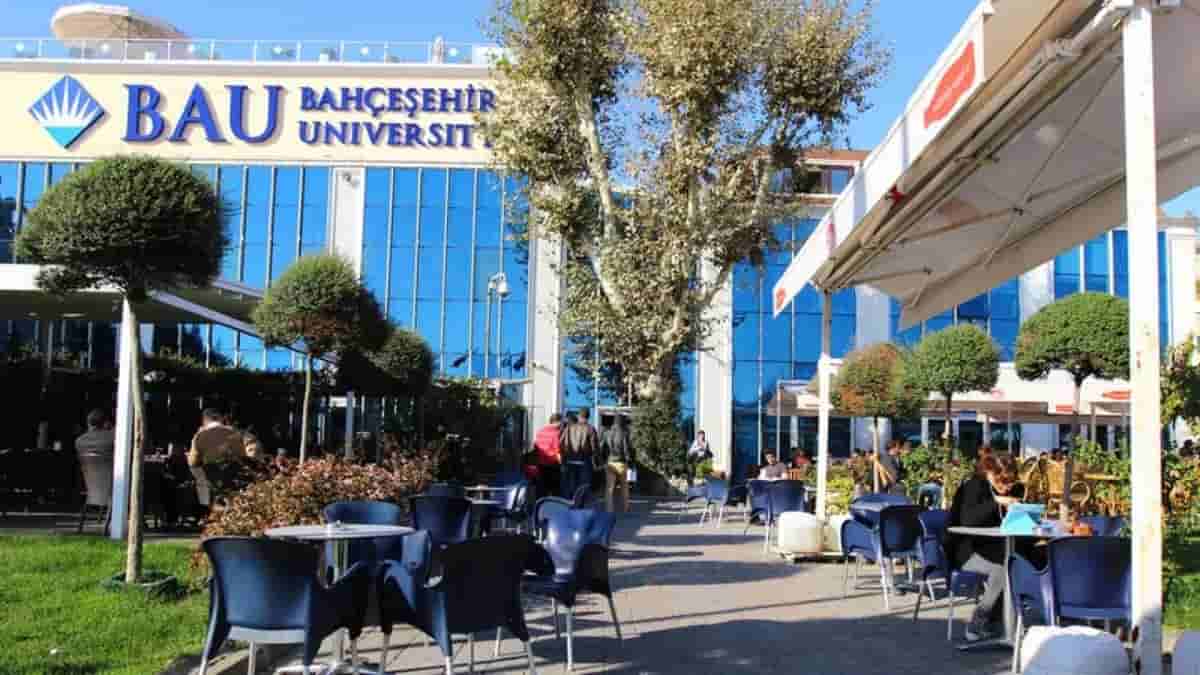 Dormitory
Istanbul, Turkey
 Dormitory
Istanbul, Turkey
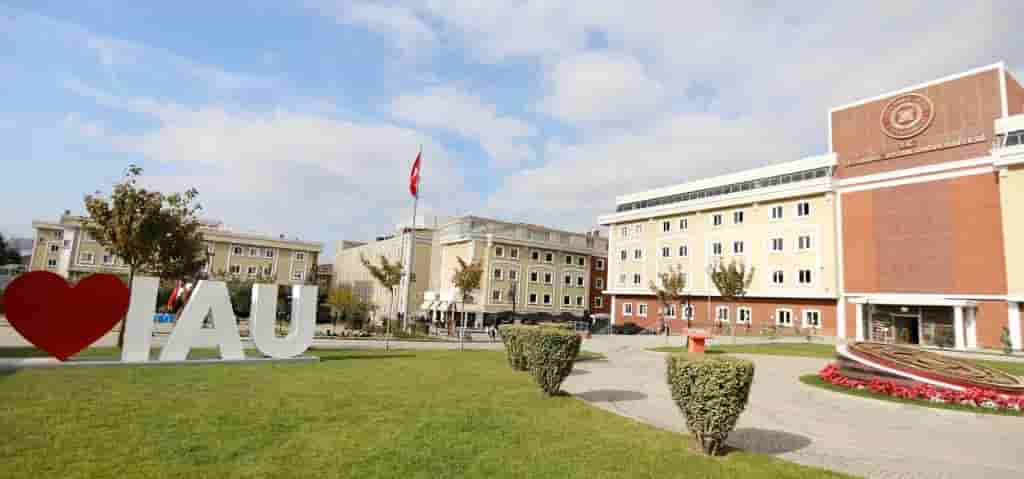 Dormitory
Istanbul, Turkey
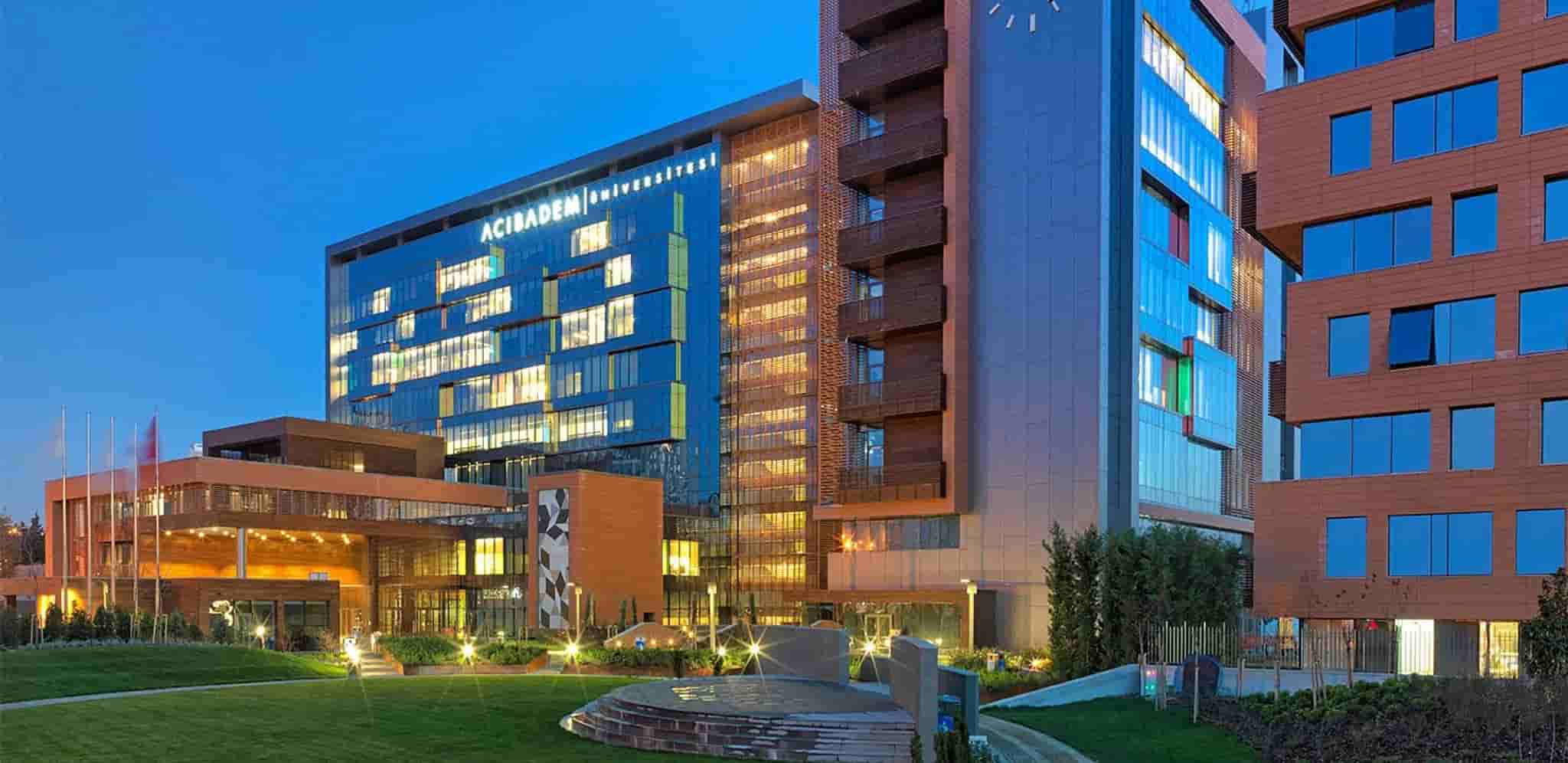 Dormitory
Istanbul, Turkey
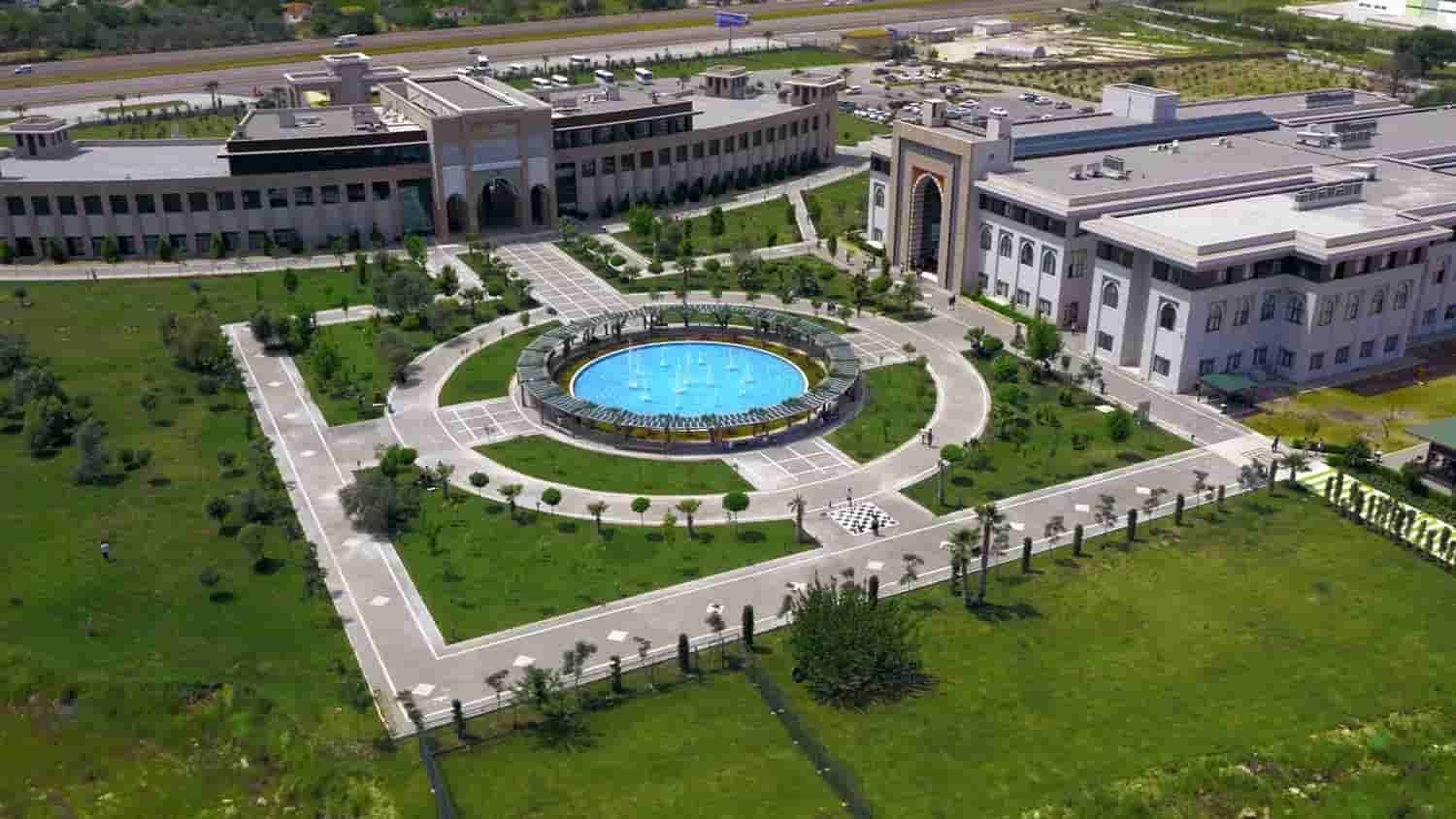 Dormitory
Antalya, Turkey
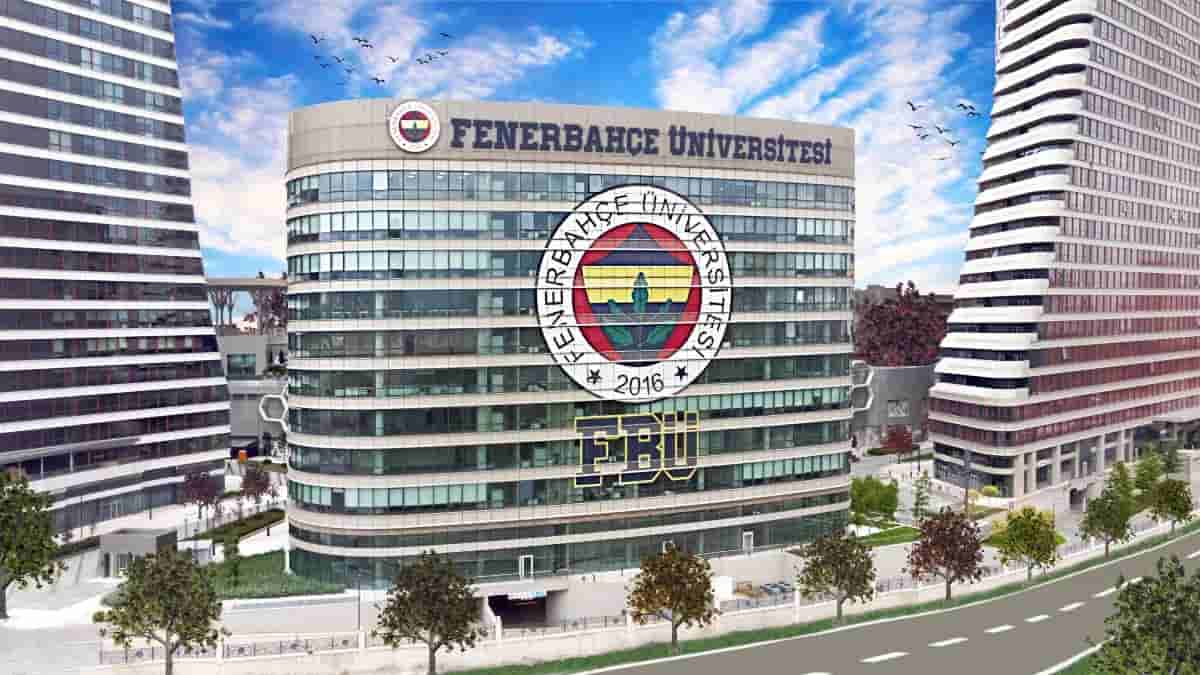 Dormitory
Istanbul, Turkey
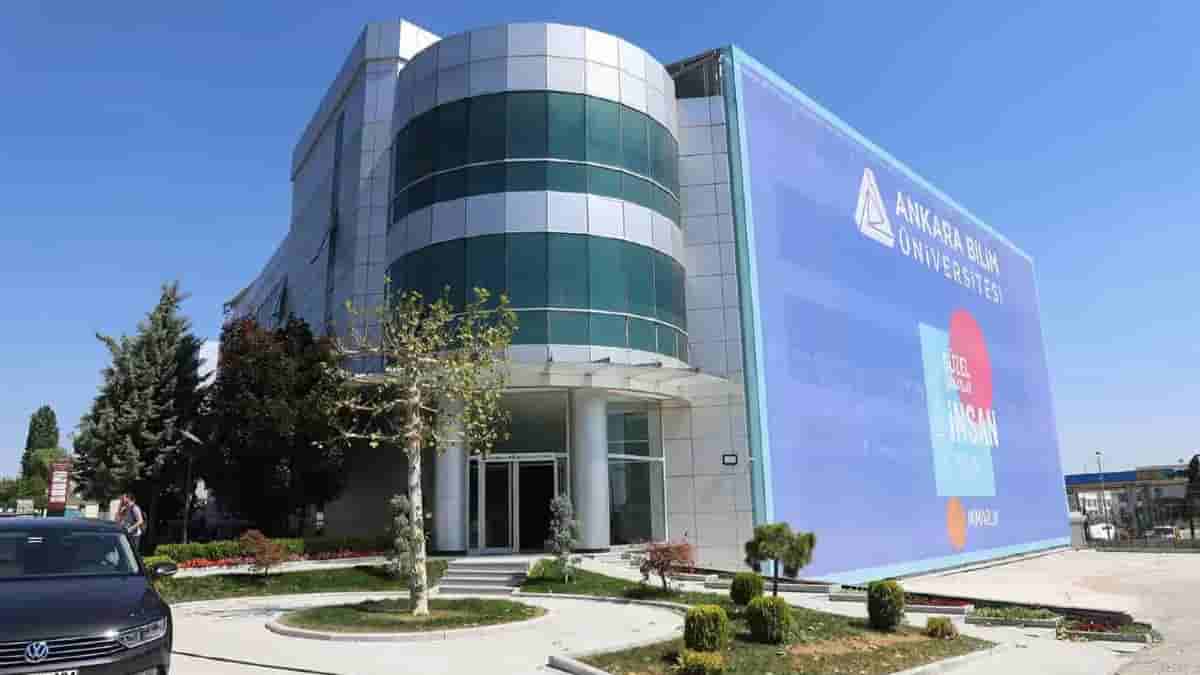 Dormitory
Ankara, Turkey
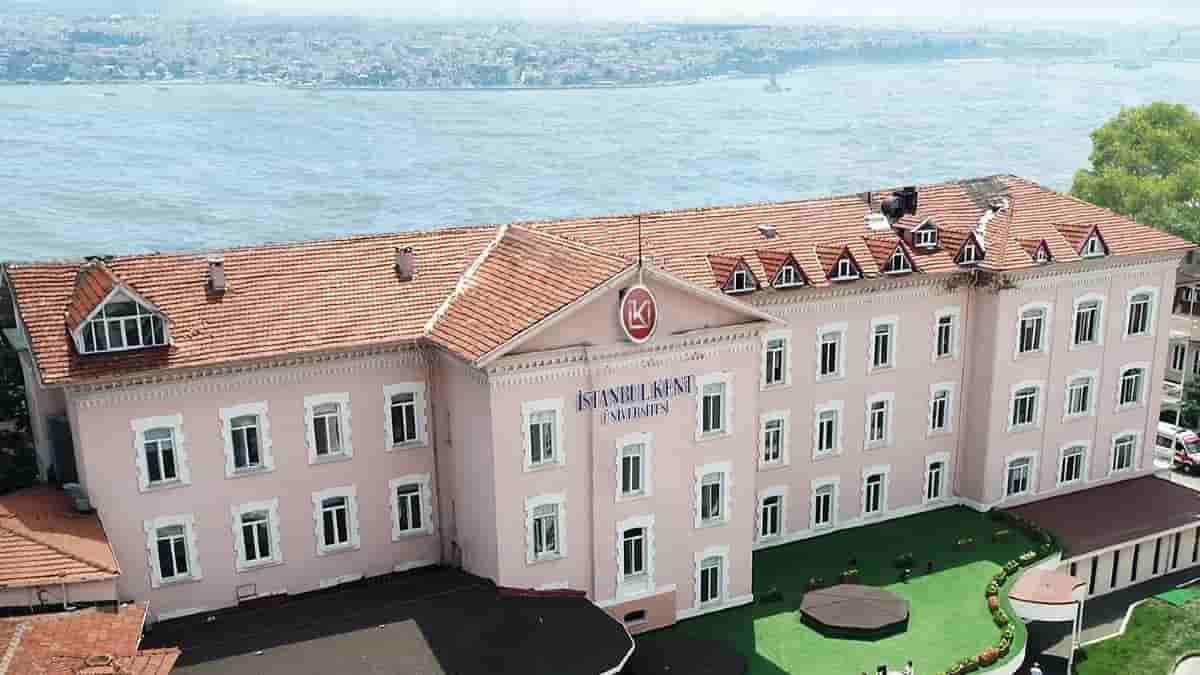 Dormitory
Istanbul, Turkey