
FAQs
Frequently Asked Questions and Answers

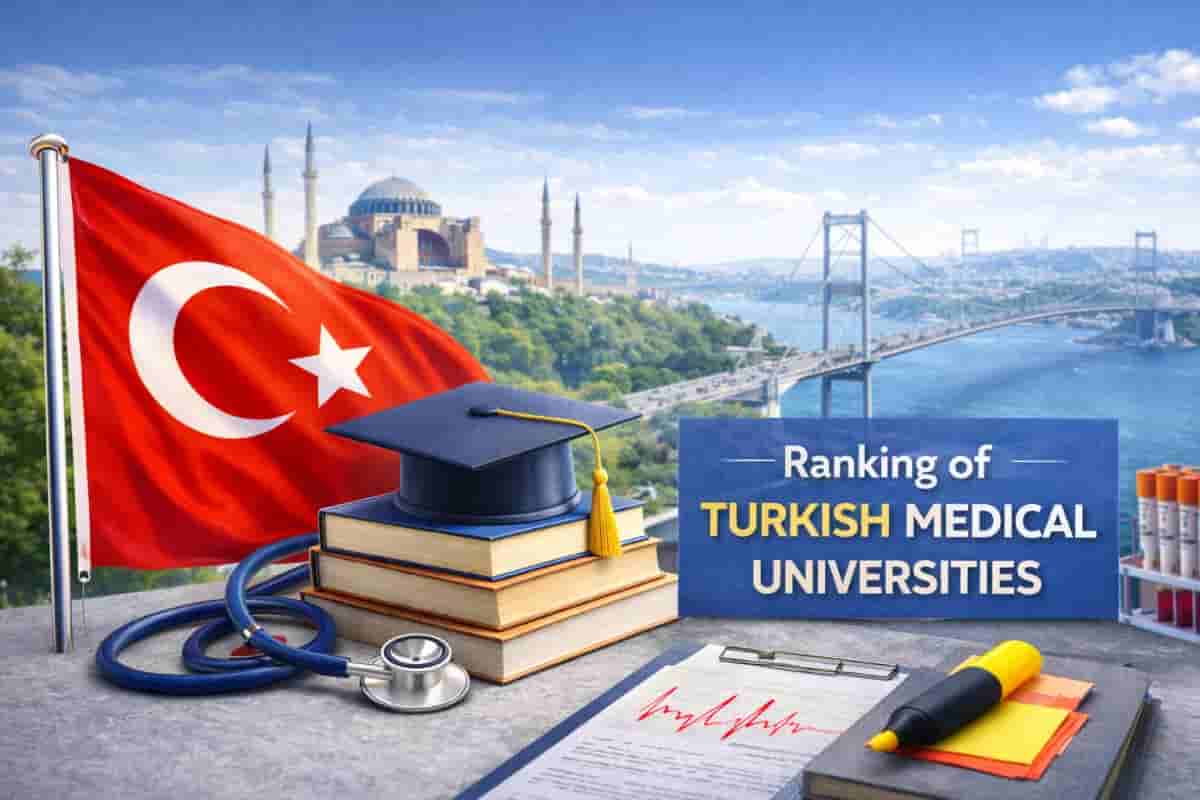
For many Bangladeshi students, getting into medical school is one of the most competitive challenges they face. Thousands of talented students apply every year, but only a small percentage secure seats locally. This intense pressure pushes many families to explore international options that offer recognized degrees, modern facilities, and a smoother admission path.
In recent years, Turkey has quietly become one of the most attractive destinations for medical education. Instead of purely theoretical teaching, Turkish universities combine classroom learning with real hospital exposure. Students don’t just memorize textbooks. They learn inside clinics, laboratories, and simulation centers. For Bangladeshi students looking for a balanced, practical, and internationally compatible MBBS pathway, Turkey offers a strong and realistic alternative.

• Turkey offers English-medium MBBS programs suitable for international students
• Clinical training begins early through university hospitals
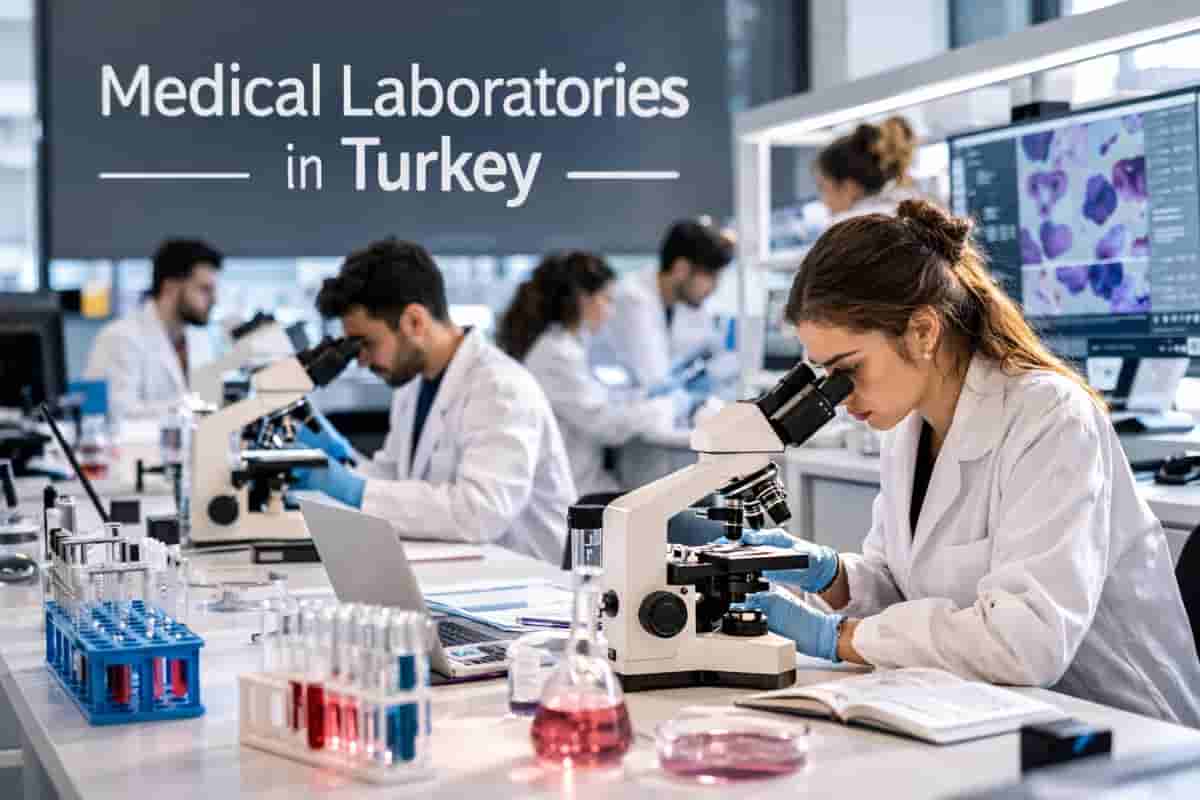
• Foundation universities provide modern labs and simulation centers
• Thousands of international students study medicine and health sciences annually
Medical education must prepare students for real responsibility. Becoming a doctor requires confidence, decision-making skills, and hands-on experience. Without practical exposure, graduates often struggle when they first enter hospitals.
Turkey’s system focuses heavily on applied learning. Many universities operate their own hospitals or partner with large medical centers. This allows students to observe surgeries, interact with patients, and participate in clinical practice from early years. For Bangladeshi students, this practical approach feels more career-oriented and closer to real medical life.
Among foundation universities, several institutions are known for their modern infrastructure and hospital-based training:
• Istanbul Medipol University – large medical complex with multiple teaching hospitals
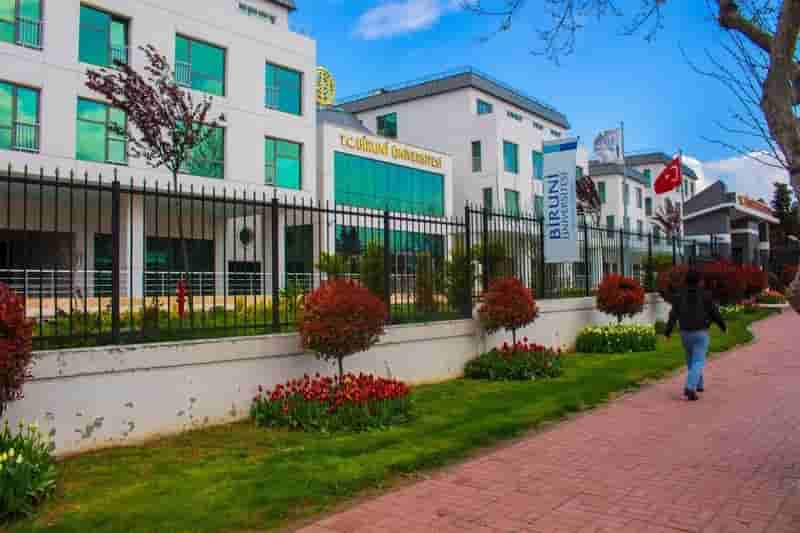
• Biruni University – specialized health sciences focus with strong clinical practice
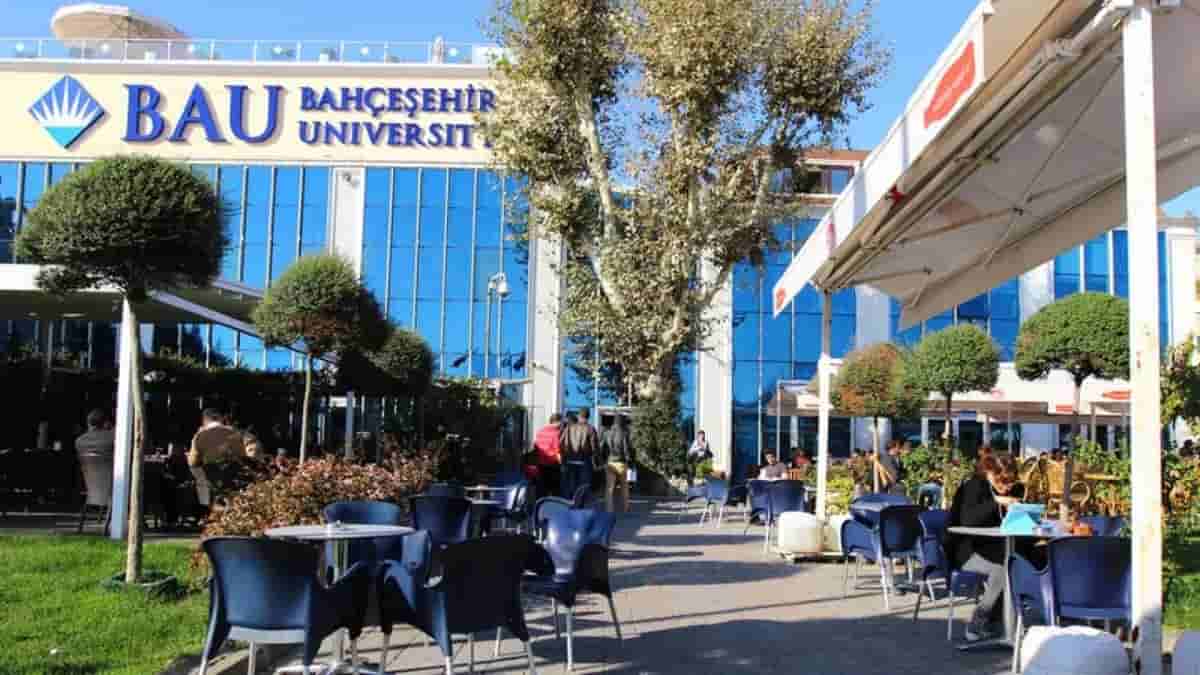
• Bahçeşehir University – international academic system and modern labs
• İstanbul Aydın University – integrated campus and hospital training environment
• Yeditepe University – English-medium medicine with research facilities
These universities emphasize simulation labs, patient interaction, and real hospital rotations instead of lecture-only education.
Looking at the data helps understand the scale and structure of medical education:
• 30+ foundation universities offer medicine or health-related faculties
• 6 years standard MBBS program including internship year
• 10,000+ international students enrolled in health sciences annually
• 50+ affiliated teaching hospitals connected to universities
• Hundreds of laboratories, research centers, and simulation units
These figures show that Turkey’s medical system is supported by real healthcare infrastructure, making it ideal for practical training. This section is also perfect for charts or visual infographics.

The curriculum follows an internationally recognized structure that gradually moves from theory to practice:
• Basic sciences such as anatomy, physiology, and biochemistry
• Laboratory and pre-clinical training
• Clinical rotations in hospitals
• Diagnosis and patient care practice
• Final-year internship with direct hospital responsibility
By the time students graduate, they already have experience working in real clinical environments.
For Bangladeshi students, adapting to Turkey is often easier than expected. The country offers a welcoming environment, multicultural campuses, and a strong international student community. Many universities host students from Asia, the Middle East, and Africa, creating diverse classrooms and support networks.
Universities also provide international offices, academic advisors, and student clubs that help newcomers settle quickly. Feeling comfortable outside the classroom plays a big role in academic success.
• Better hospitals mean better clinical exposure
• Modern labs improve practical skills
• English-medium programs support global careers
• Choosing fewer strong options leads to smarter decisions
Shortlisting quality institutions often matters more than comparing dozens of universities.

Applying for MBBS abroad involves documentation, eligibility checks, applications, and visa procedures. Without proper guidance, the process can feel confusing and stressful.
That’s why StudyLeo provides structured academic support for Bangladeshi students. From university selection to application management and arrival guidance, every step is organized so students can focus on their education with confidence.

Studying MBBS in Turkey gives Bangladeshi students a practical and internationally recognized pathway into medicine. With English-medium programs, modern hospitals, and hands-on clinical training, foundation universities offer real preparation for medical careers. Instead of waiting years for limited seats, students can choose a system that combines quality education with real-world experience. With the right planning and guidance from StudyLeo, Turkey can become a smart and reliable starting point for a successful medical future.
Frequently Asked Questions and Answers
Look out blogs and aware of the latest trends and updates
Explore top universities offering quality education, modern facilities, and diverse academic opportunities for students worldwide




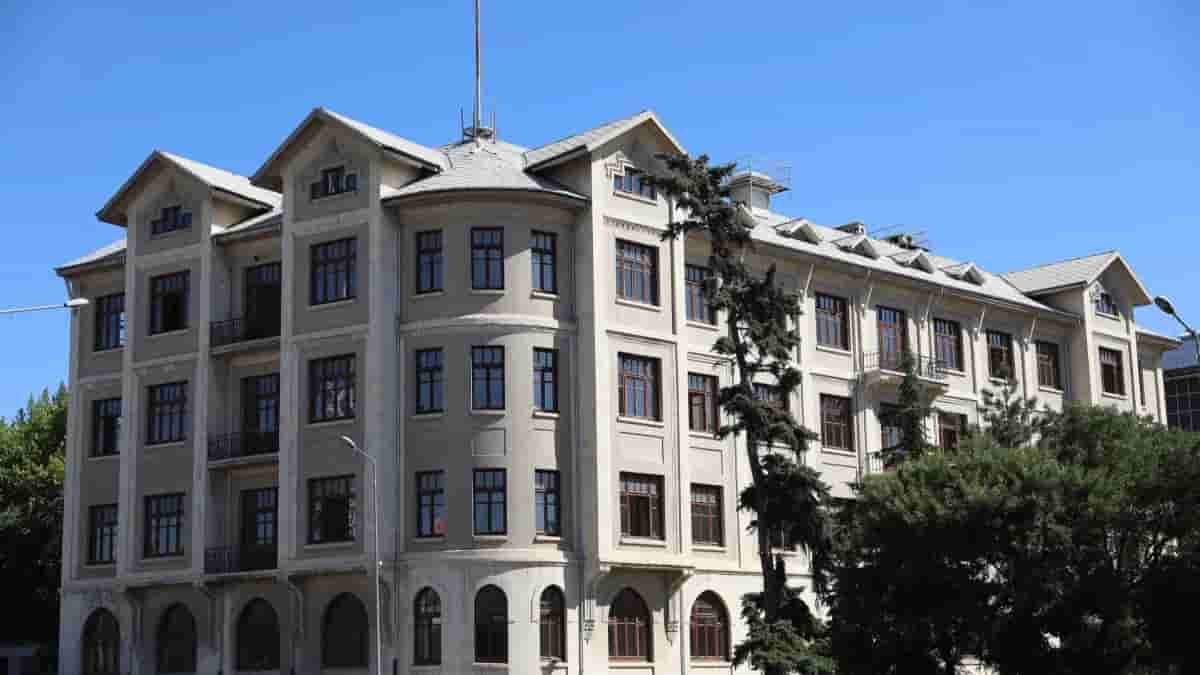 Dormitory
Ankara, Turkey
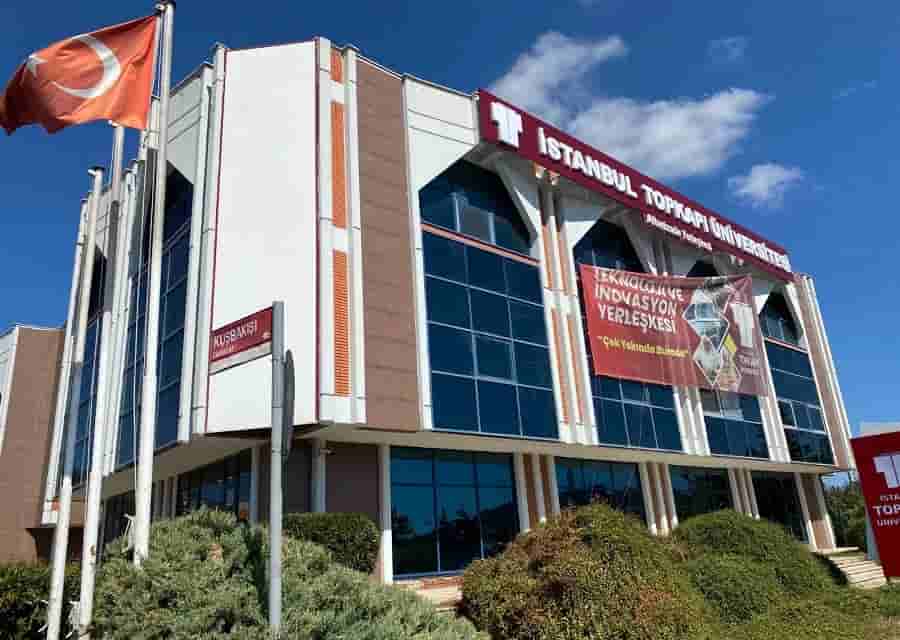 Dormitory
Istanbul, Turkey
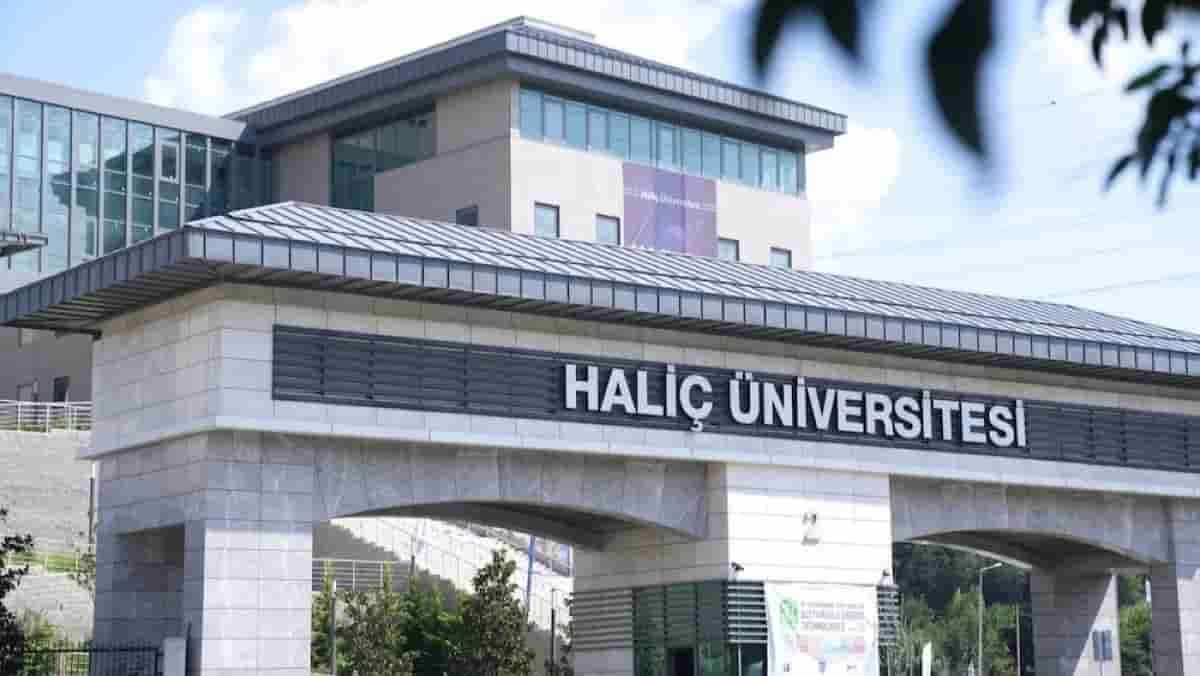 Dormitory
Istanbul, Turkey
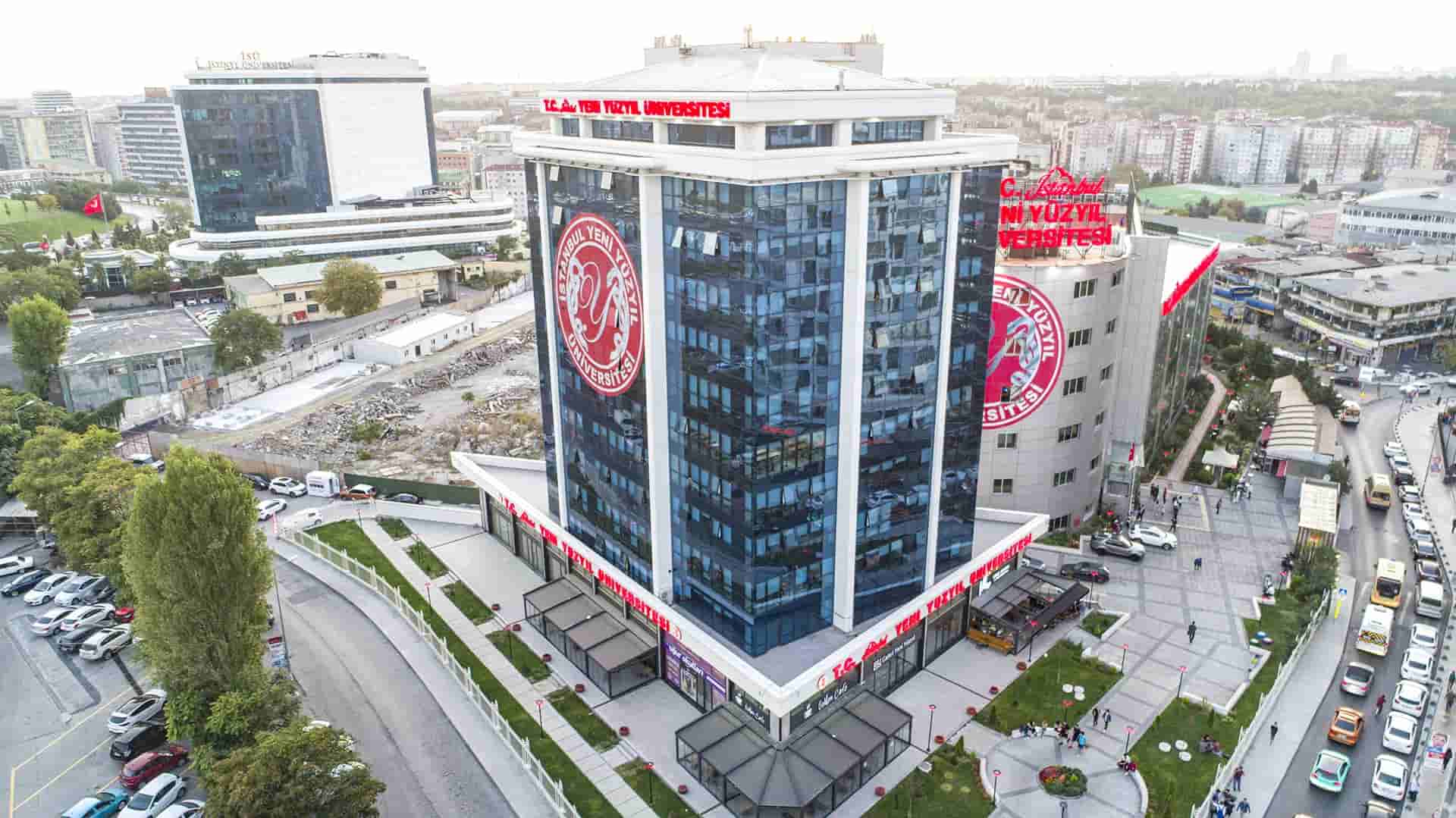 Dormitory
Istanbul, Turkey
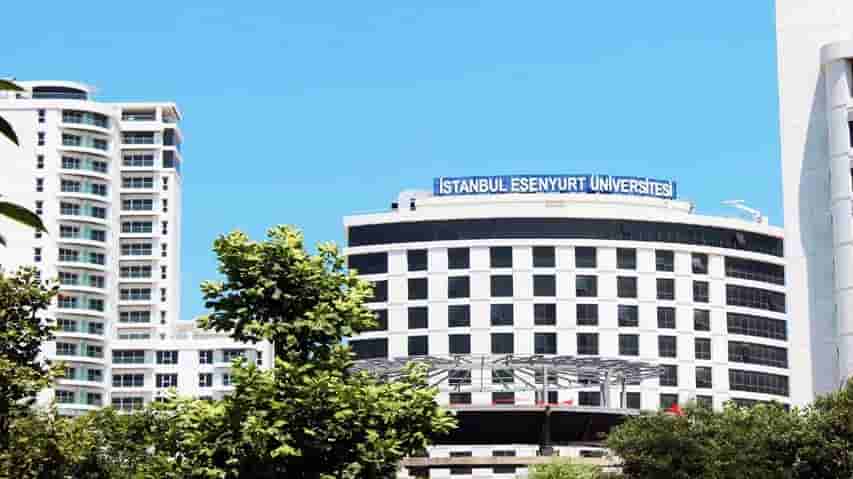 Dormitory
Istanbul, Turkey
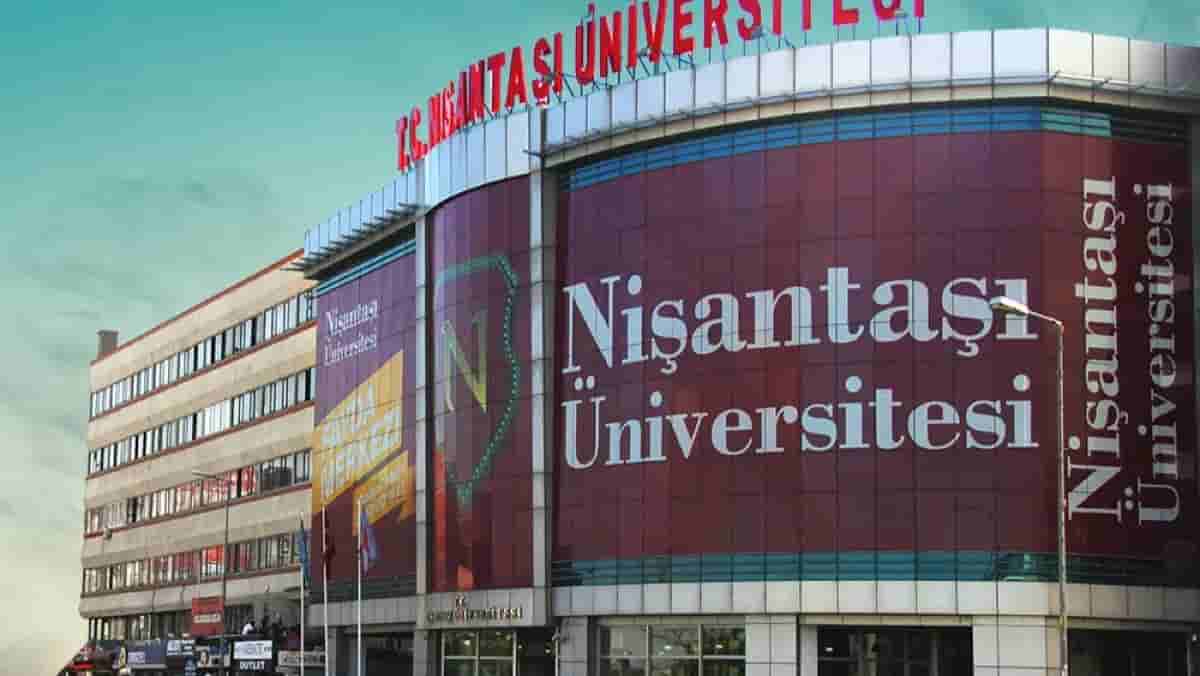 Dormitory
Istanbul, Turkey
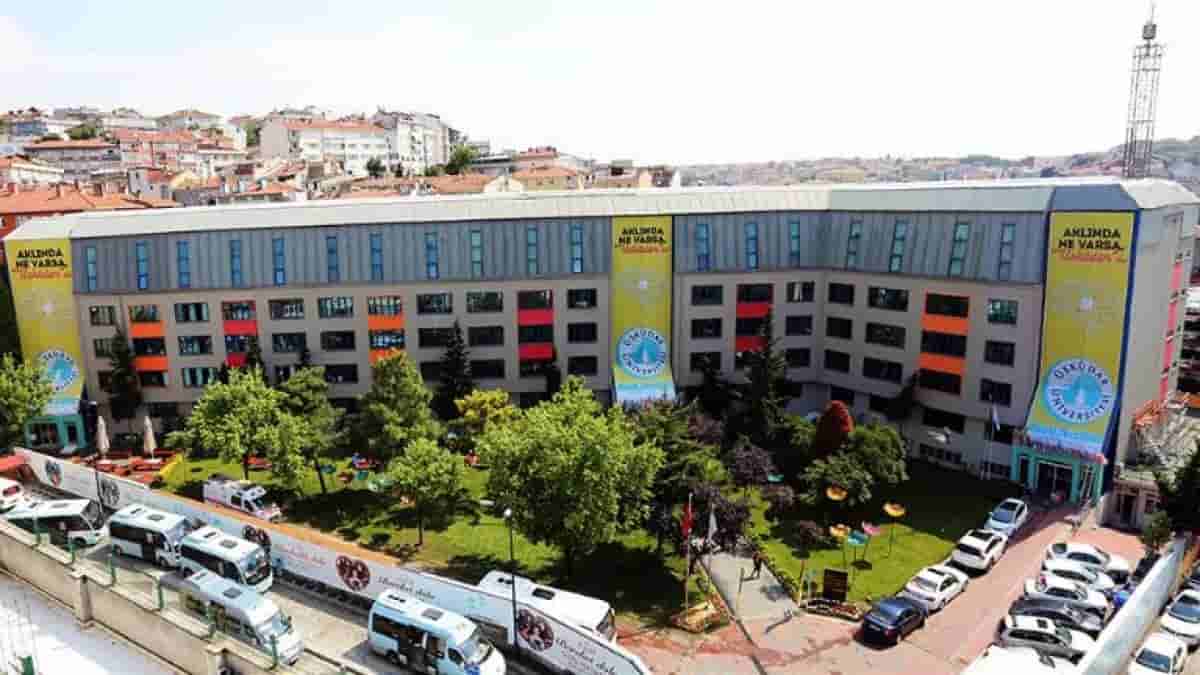 Dormitory
Istanbul, Turkey
 Dormitory
Istanbul, Turkey
 Dormitory
Istanbul, Turkey
 Dormitory
Istanbul, Turkey
 Dormitory
Istanbul, Turkey
 Dormitory
Istanbul, Turkey
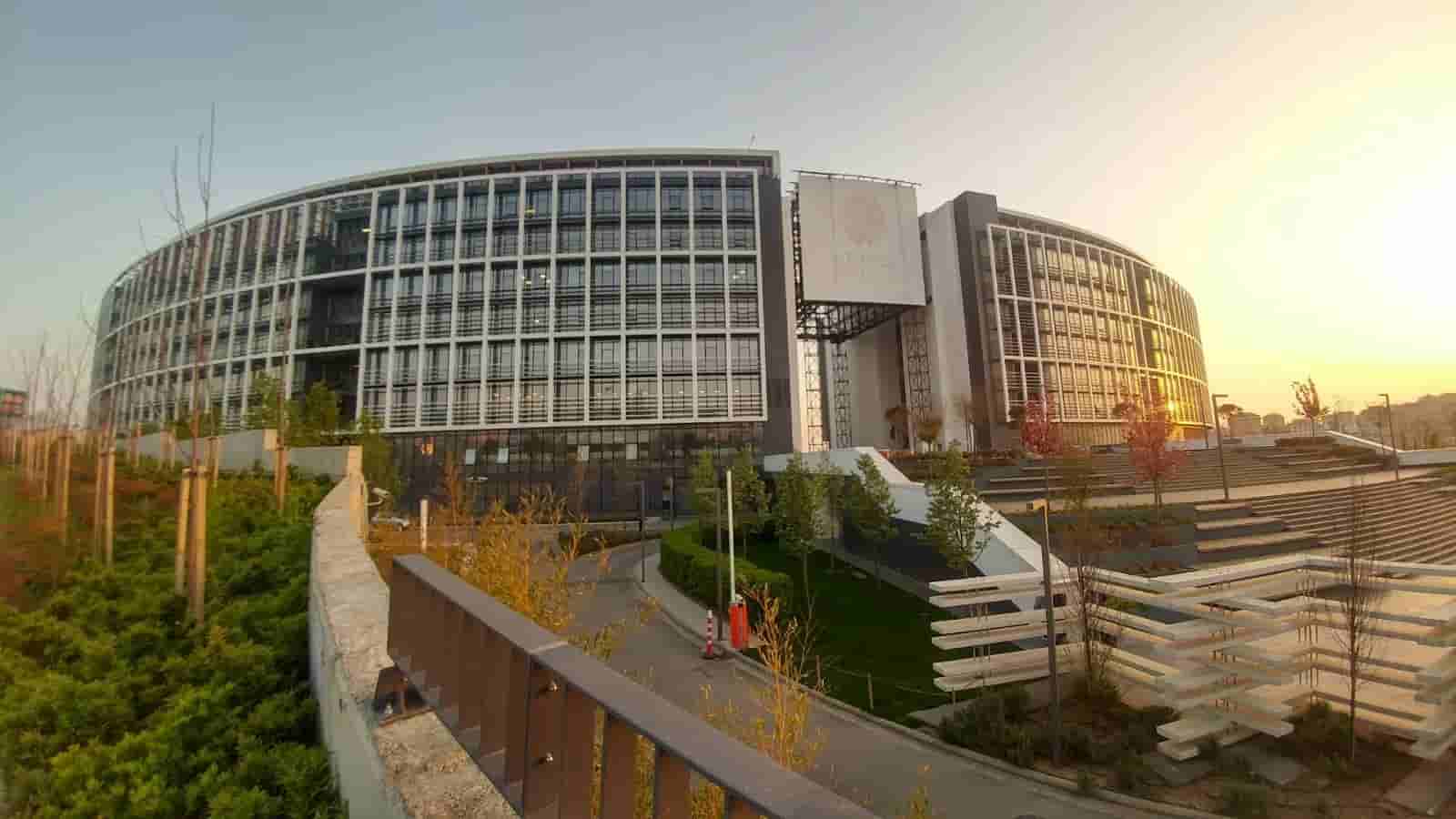 Dormitory
Istanbul, Turkey
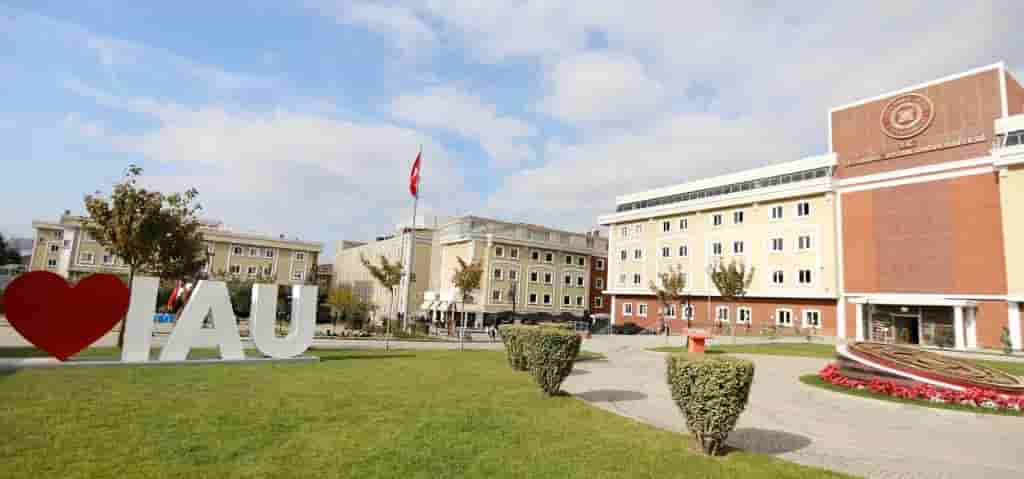 Dormitory
Istanbul, Turkey
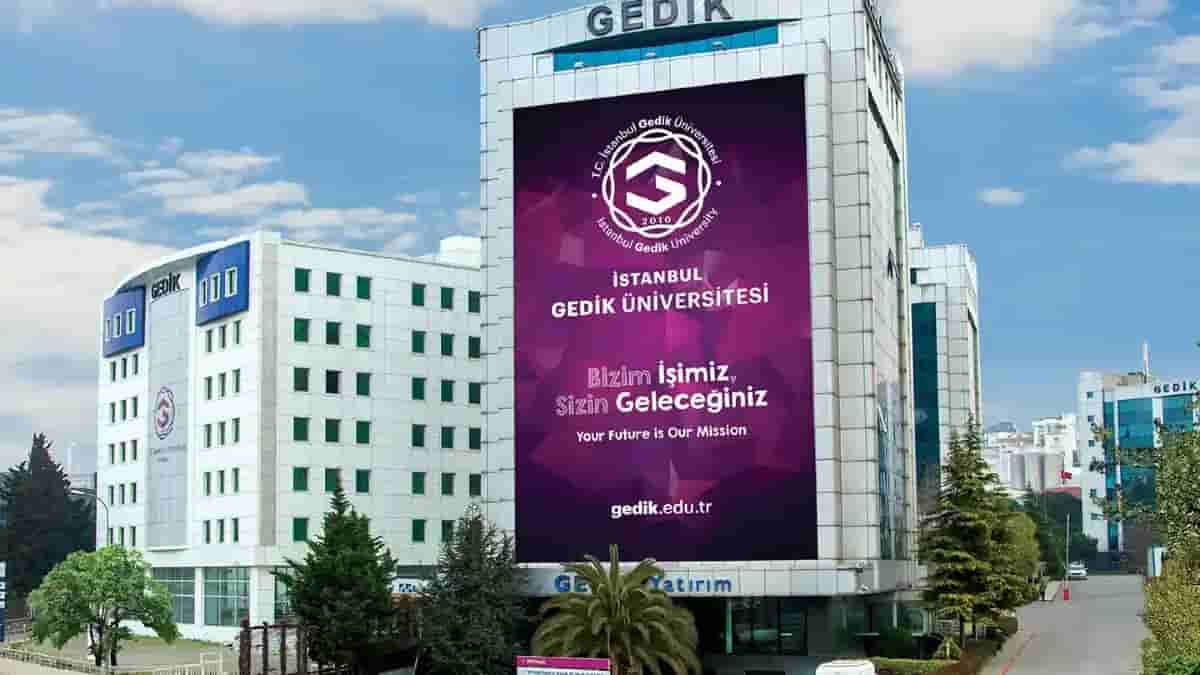 Dormitory
Istanbul, Turkey
 Dormitory
Istanbul, Turkey
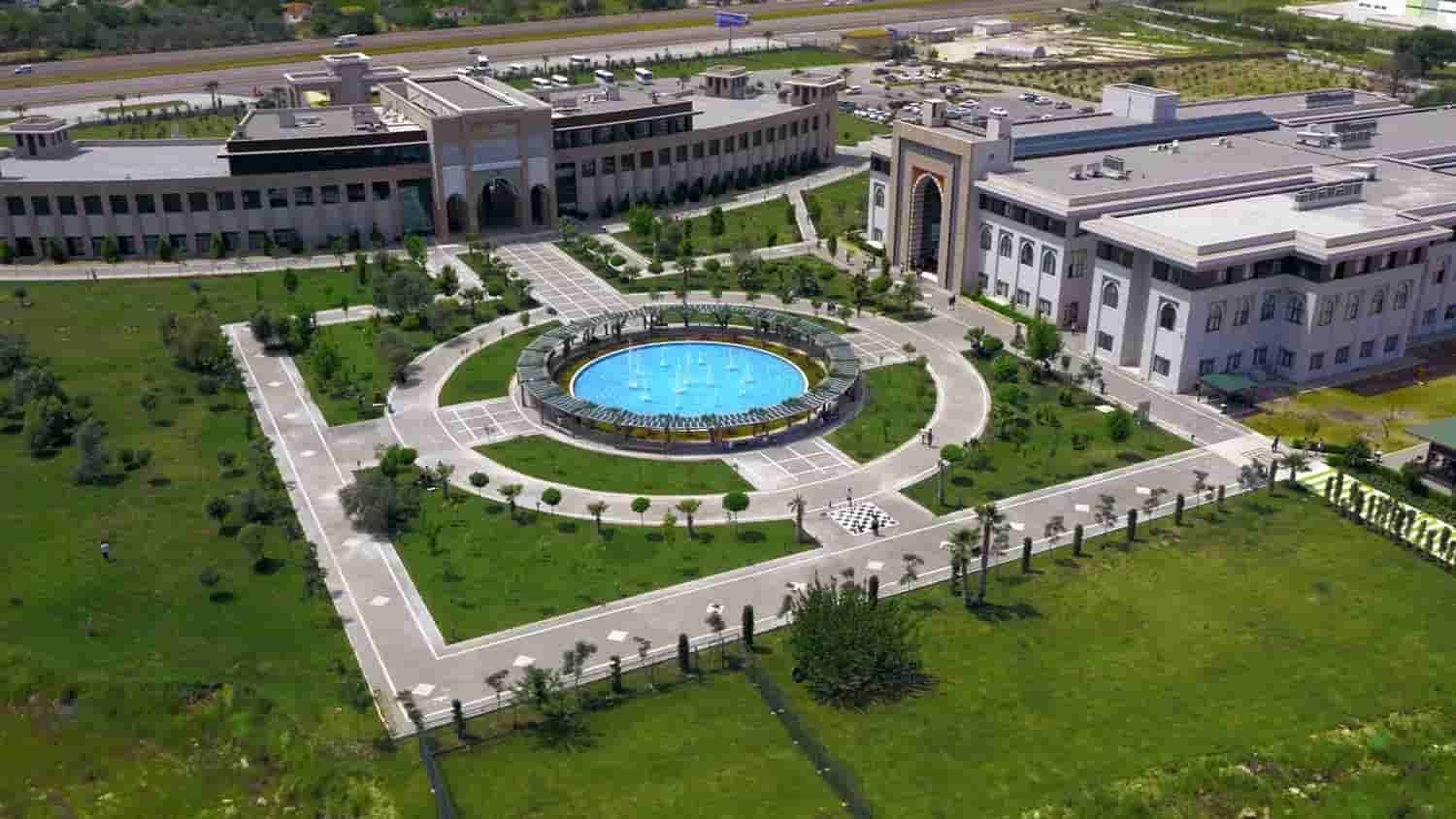 Dormitory
Antalya, Turkey
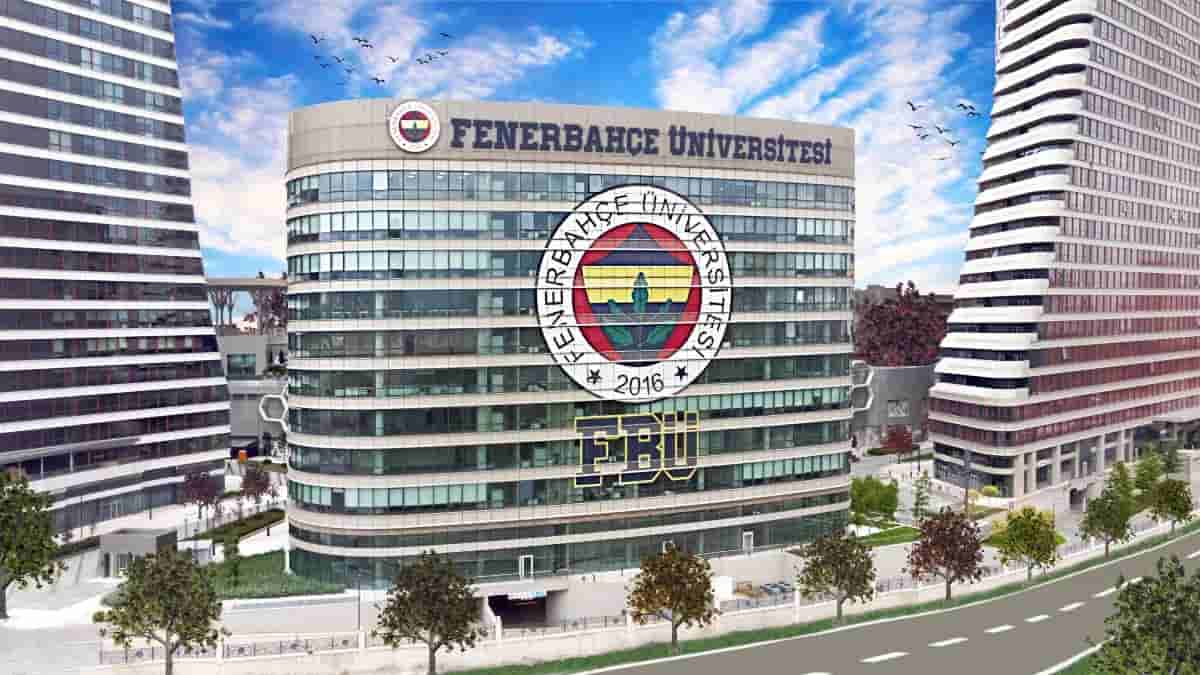 Dormitory
Istanbul, Turkey
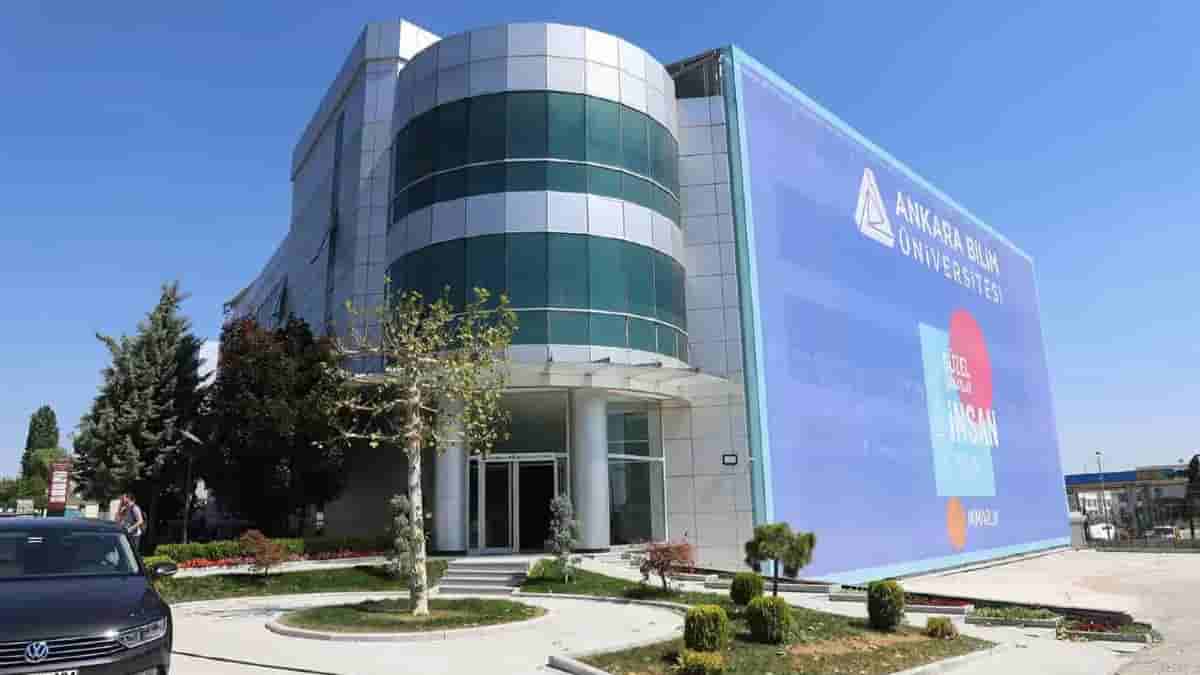 Dormitory
Ankara, Turkey
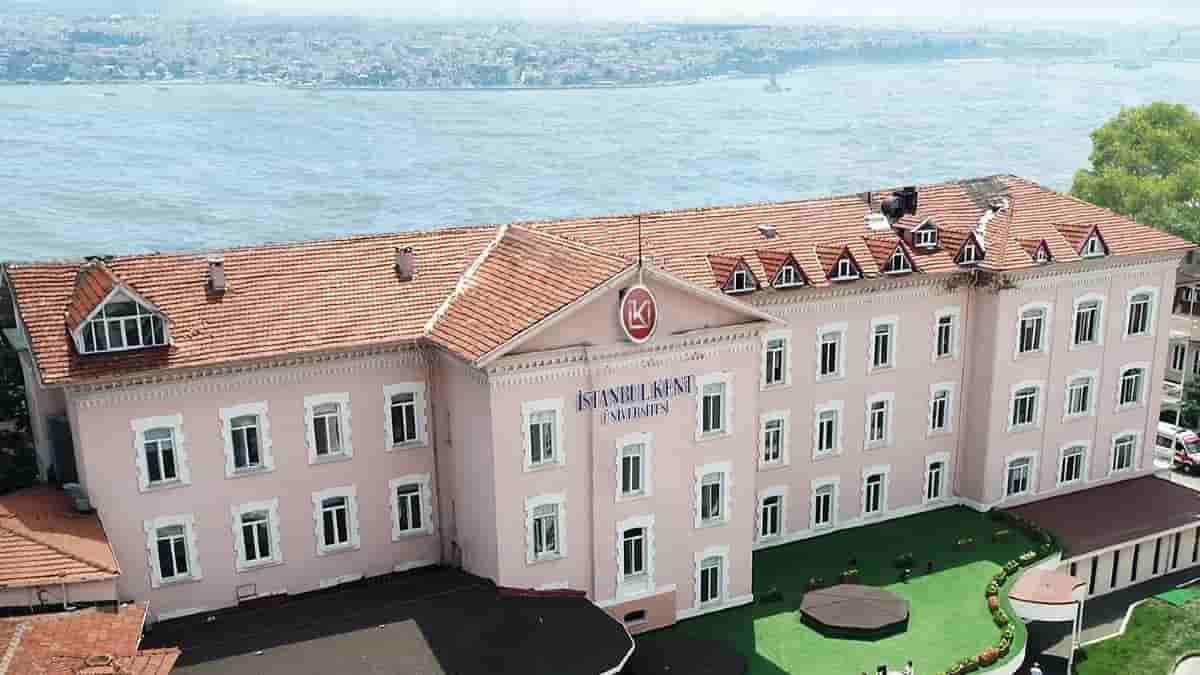 Dormitory
Istanbul, Turkey