
FAQs
Frequently Asked Questions and Answers

Interior design demand grows as cities expand, hospitality projects rise, and real estate competition increases. Many students struggle to find clear, reliable information about where to study this field in Turkey. Program quality, studio facilities, and industry links vary widely between universities. Structured guidance helps families and consultants compare options and make confident choices.
• Strong private universities offer studio based training and real projects
• Career outcomes depend on portfolio quality and industry exposure
• Transparent admission routes make planning easier for international students
• Turkey offers English programs and access to a large design market
Turkey’s active construction and real estate sectors create constant demand for interior design, which feeds directly into university projects and training. Private universities invest in studios, material labs, and digital design tools that support hands on learning. Many instructors are practicing designers, so students receive industry grounded feedback. Cities like Istanbul give access to showrooms, fairs, and design firms, helping students build networks early. This mix of market demand, facilities, and exposure helps graduates build strong portfolios.

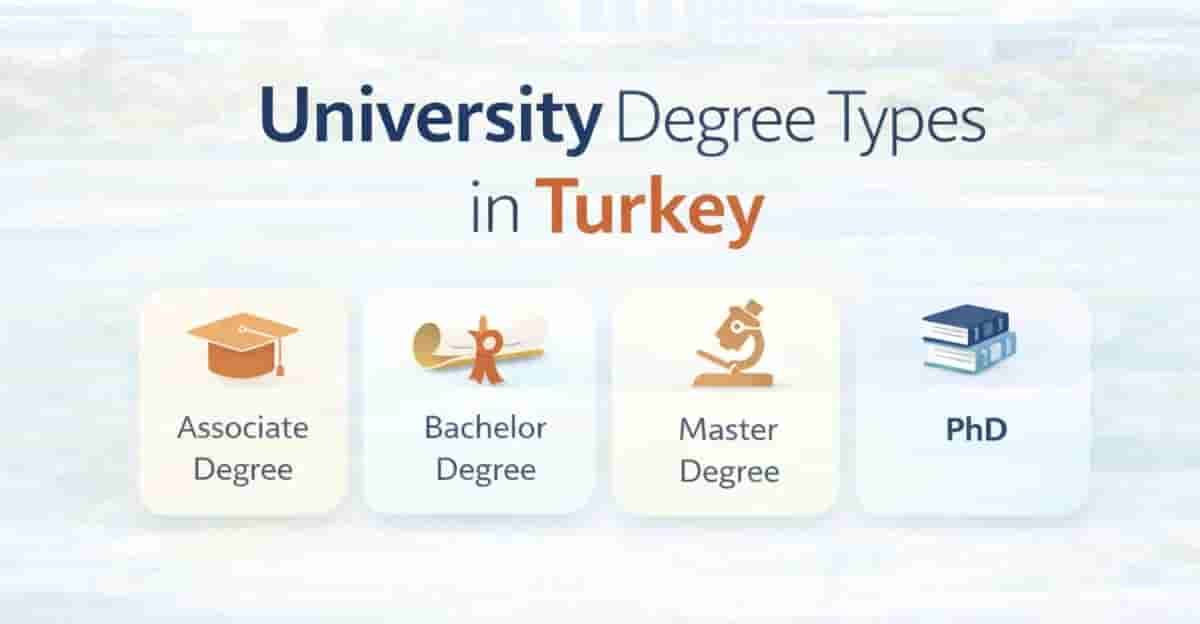
Interior design education in Turkey is offered at bachelor’s, master’s, and doctoral levels, each with clearly defined academic goals. Bachelor’s programs typically span four years and focus on foundational design skills, drawing techniques, materials, construction systems, and digital visualization. Students gradually progress from basic design studios to complex interior projects involving residential, commercial, and public spaces.
Graduate programs emphasize specialization and advanced academic development. Master’s degrees allow students to deepen their expertise in areas such as interior architecture, sustainable design, or design theory. Doctoral programs focus on research, academic writing, and original contributions to the field of interior design. Across all levels, curricula are designed to encourage creativity, critical thinking, and professional responsibility.
Studio courses form the backbone of interior design education in Turkey. These studios are practical, project-oriented, and closely guided by academic mentors. Students work on design problems that reflect real-world scenarios, helping them develop problem-solving skills and professional confidence. Studio work often includes site analysis, conceptual development, technical detailing, and final presentations.
Supporting courses strengthen students’ technical and theoretical knowledge. Subjects such as materials and construction, ergonomics, lighting design, building physics, and digital modeling are integral parts of the curriculum. Design software and visualization tools are introduced early, ensuring that graduates are proficient in industry-standard technologies. This balanced curriculum produces designers who are both creative and technically capable.
• Mimar Sinan Fine Arts University
• Bilkent University
• Kadir Has University
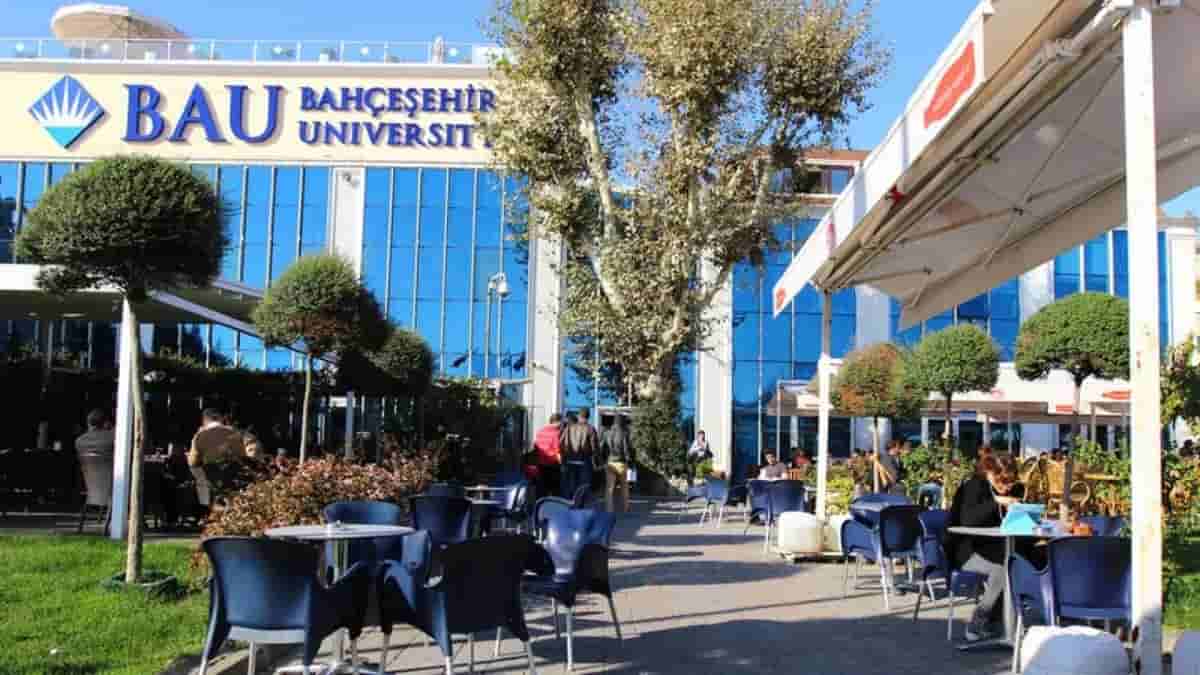
• Bahçeşehir University
• Istanbul Bilgi University
• Özyeğin University
• Hacettepe University
• Yeditepe University
Many interior design programs in Turkey are offered fully in English, attracting students from different regions of the world. English-taught programs follow internationally aligned curricula and are delivered by faculty members with global academic and professional experience. This creates multicultural classrooms where students exchange diverse design perspectives and ideas.
International exposure is further supported through workshops, exhibitions, and collaborative studio projects. Students often participate in national and international design competitions, enhancing their portfolios and professional visibility. Studying in Turkey allows international students to gain global competencies while experiencing a culturally rich and historically layered environment that continuously inspires creative thinking.

Graduates of interior design programs in Turkey have access to a wide range of career opportunities. Many work as interior designers or interior architects in architectural firms, design studios, construction companies, and real estate development projects. Others specialize in areas such as furniture design, exhibition design, lighting consultancy, or commercial interiors.
Some graduates choose academic and research-oriented paths by continuing with master’s or doctoral studies. The strong studio-based education also supports entrepreneurship, enabling graduates to establish their own design studios or freelance practices. With growing global demand for well-designed interior spaces, graduates from Turkish universities are well-prepared to adapt to various professional contexts.
Associate and Bachelor’s Degree:
• High school diploma
• Graduation certificate
• Passport
• High school transcript
• Photo copy
Master’s Degree:
• Graduation certificate
• Bachelor’s diploma
• Bachelor’s transcript
• Passport
• Photo copy
PhD Degree:
• Bachelor’s diploma
• Bachelor’s transcript
• Master’s diploma
• Master’s transcript
• Graduation certificate
• Passport
• Photo copy
StudyLeo gives international students a clear path to interior design education in Turkey. It supports program selection, document preparation, and application submission with no service fees.
Advisors help students understand programs, expectations, and career paths. Students receive guidance to choose universities that fit their goals, leading to more confident decisions.
Interior design education in Turkey offers a strong combination of creativity, technical training, and cultural depth. Universities provide academically rigorous programs supported by modern facilities and experienced faculty members. Students benefit from studio-based learning, international environments, and diverse career opportunities after graduation. English-taught programs make Turkish universities accessible to a global student population. With the right guidance, the application process becomes smooth and focused. StudyLeo plays a key role in supporting students throughout this journey without any service fee. Choosing to study interior design in Turkey represents a meaningful step toward a creative and globally relevant professional future.
Overall, the best interior design universities in Turkey are distinguished by strong studio education, experienced academic staff, and close integration with architecture and design industries. Whether public or private, these institutions provide students with the skills, knowledge, and creative mindset required to succeed in the evolving field of interior design.
Frequently Asked Questions and Answers
Look out blogs and aware of the latest trends and updates
Explore top universities offering quality education, modern facilities, and diverse academic opportunities for students worldwide






 Dormitory
Ankara, Turkey
 Dormitory
Istanbul, Turkey
 Dormitory
Istanbul, Turkey
 Dormitory
Istanbul, Turkey
 Dormitory
Istanbul, Turkey
 Dormitory
Istanbul, Turkey
 Dormitory
Istanbul, Turkey
 Dormitory
Istanbul, Turkey
 Dormitory
Istanbul, Turkey
 Dormitory
Istanbul, Turkey
 Dormitory
Istanbul, Turkey
 Dormitory
Istanbul, Turkey
 Dormitory
Istanbul, Turkey
 Dormitory
Istanbul, Turkey
 Dormitory
Istanbul, Turkey
 Dormitory
Istanbul, Turkey
 Dormitory
Antalya, Turkey
 Dormitory
Istanbul, Turkey
 Dormitory
Ankara, Turkey
 Dormitory
Istanbul, Turkey