FAQs
Frequently Asked Questions and Answers

Fashion sounds glamorous. But once students start searching universities, reality quickly becomes more complex. Which school actually prepares you for a real fashion career - not just gives you a diploma? How do you gain practical experience, build a portfolio, and connect with industry professionals while studying? These questions are real worries for many aspiring designers. After all, fashion is not just about creativity - it’s about production, industry understanding, and professional readiness.
Because of these concerns, students are choosing more practical options over traditional ones. In Turkey, several universities have developed strong fashion design programs with real-world focus, industry partnerships, and modern facilities. Instead of chasing brand names or long lists, smart students look for schools that deliver career outcomes through real skills.

• Many of Turkey’s top fashion programs are offered by private universities
• Students benefit from project-based and portfolio-focused education
• English-medium fashion design tracks are increasingly available
• Strong industry partnerships improve internship and career prospects
When it comes to fashion design education in Turkey, these institutions consistently stand out for infrastructure, curriculum, and industry integration:
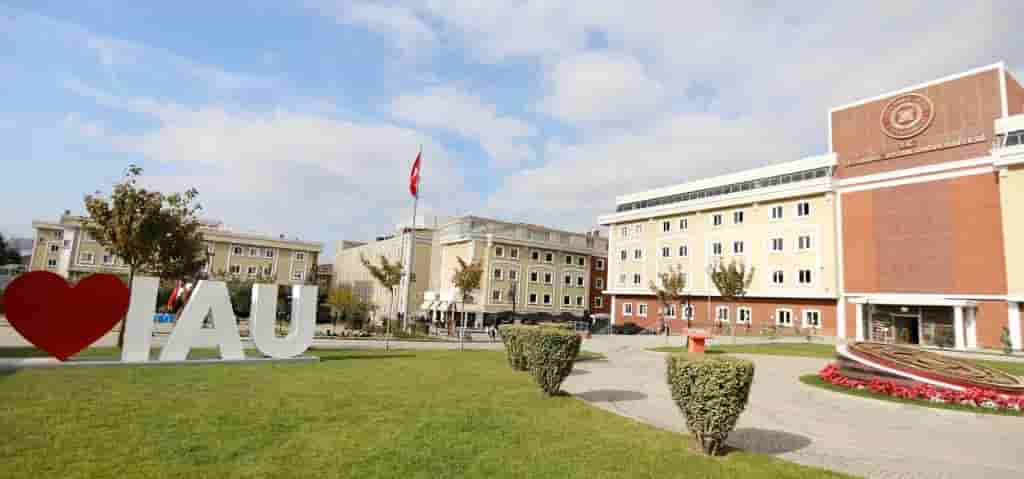
• Istanbul Aydın University - fashion design and apparel programs with workshop focus
• Istanbul Bilgi University - design school with fashion-related studios and industry events
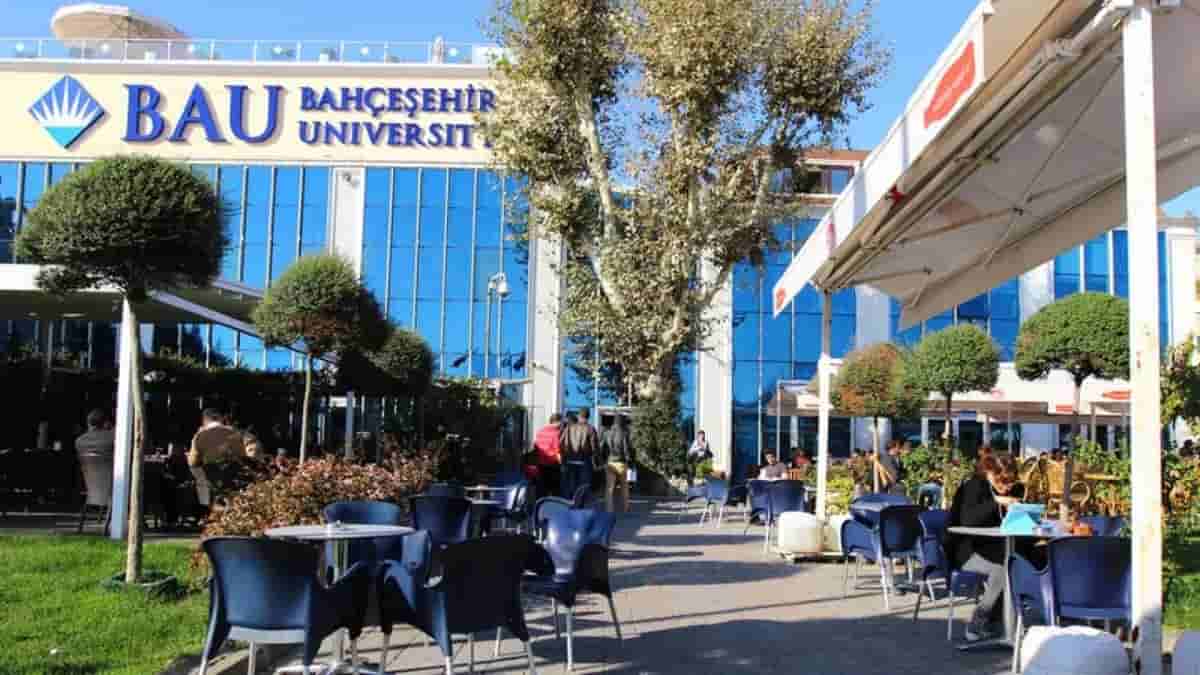
• Bahçeşehir University - modern design curriculum with creative industry exposure
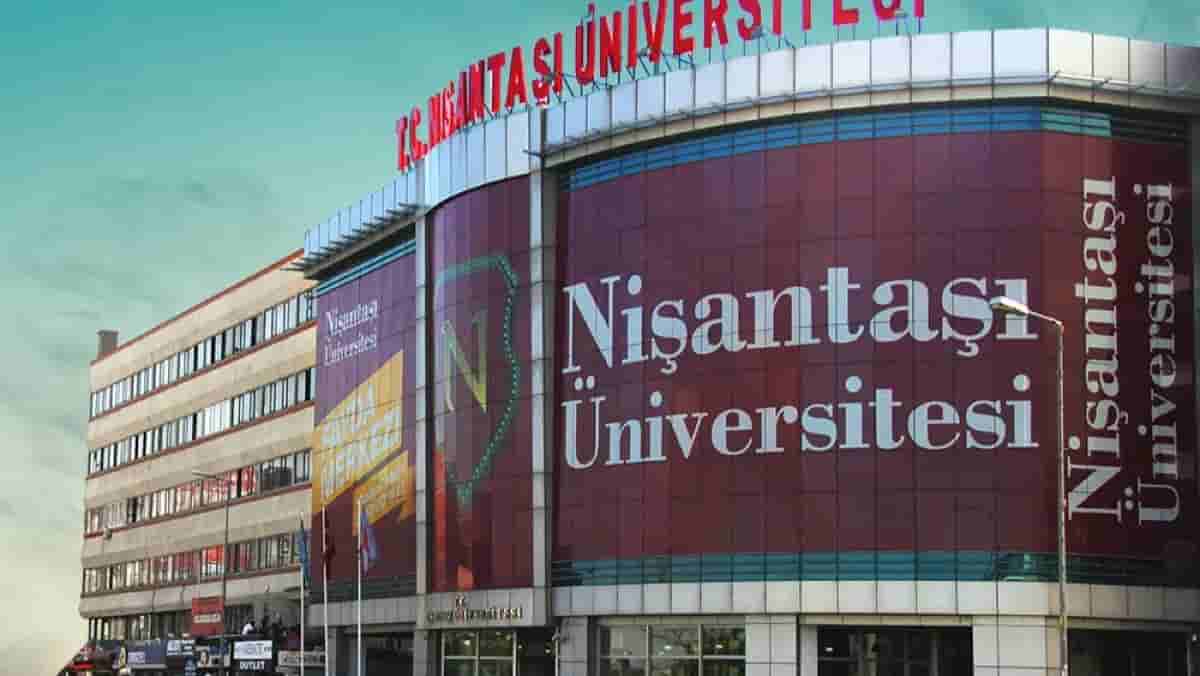
• Nişantaşı University - creative arts department offering contemporary fashion courses
These universities combine practical studios, fashion labs, and real assignments that help students build portfolios that employers recognize.
Getting a sense of the scale can help when comparing options:
• 30+ universities offer fashion and design-related majors
• 5,000+ students enrolled specifically in fashion programs annually
• Many programs include 40–60% project-based coursework
• Around 20+ fashion design programs available in English or bilingual format
These figures show that fashion design education in Turkey is not limited or niche — it’s an established segment of the creative curriculum. This data also works well as a basis for charts or infographics.

Fashion is a broad and evolving industry. Students often choose tracks that match current market demands:
• Apparel and textile design
• Fashion styling and trend forecasting
• Costume design for film and theatre
• Digital fashion and sustainable design
• Fashion business and marketing
This diversity allows students to combine creativity with technology, business understanding, and practical application.
Fashion cannot be learned purely from textbooks. Students must produce, iterate, and showcase - skills that only develop through practice.
Many leading design programs structure their curriculum around:
• studio workshops and pattern labs
• real brand collaborations
• runway events and student exhibitions
• internships with fashion houses
These experiences help students graduate with portfolios full of real work — not just grades.
Students increasingly prefer Turkish fashion design programs for practical reasons:
• modern studios and production labs
• portfolio-centered evaluation
• internships and industry partnerships
• multicultural and creative campus environment
These advantages make the transition from education to fashion careers smoother and more realistic.

Getting accepted is only the first step. Students still have to navigate applications, documentation, accommodation, and settling into a new city. Small delays or missing information can quickly create unnecessary stress.
That’s why StudyLeo provides structured support beyond admissions. From consultation and university matching to housing and arrival assistance, every step is organized so students can focus on their creativity instead of logistics.

Choosing the best fashion design university is more than ticking a box on a list. It’s about where you will build your skills, portfolio, and future career foundation. Turkey’s design programs especially at the universities mentioned above combine modern facilities, practical learning, and industry exposure to prepare students for competitive fashion markets. With the right research and guidance from platforms like StudyLeo, you can make a confident choice and take a decisive step toward your creative future.
Frequently Asked Questions and Answers
Look out blogs and aware of the latest trends and updates
Explore top universities offering quality education, modern facilities, and diverse academic opportunities for students worldwide





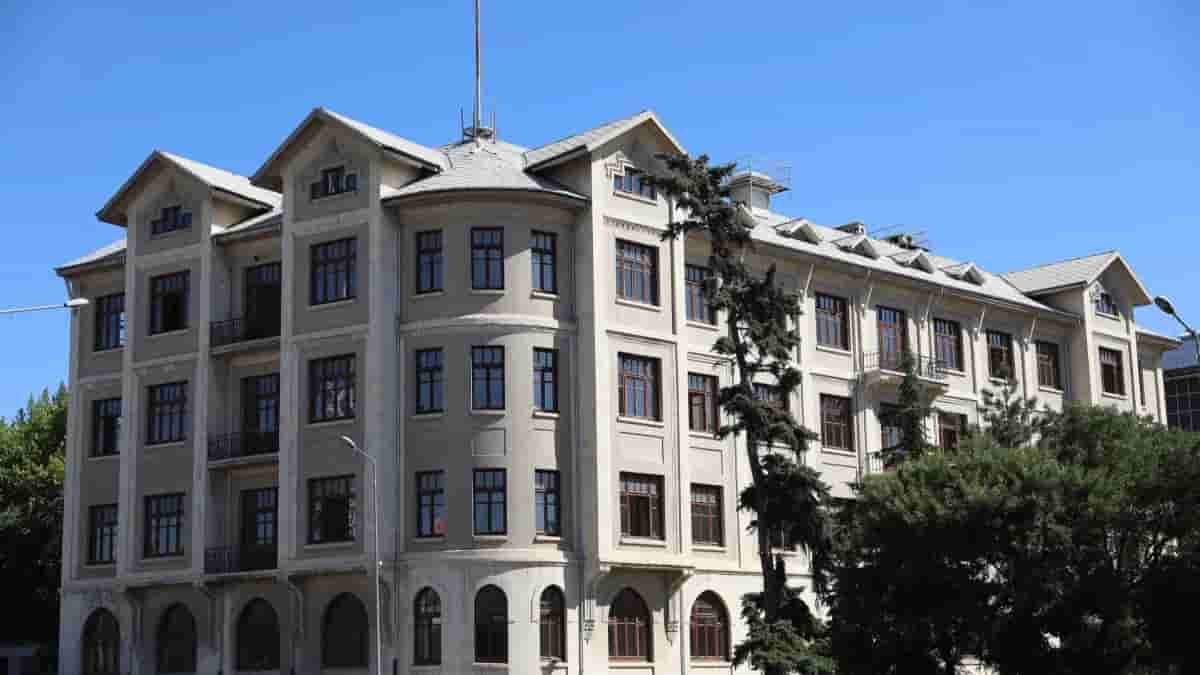 Dormitory
Ankara, Turkey
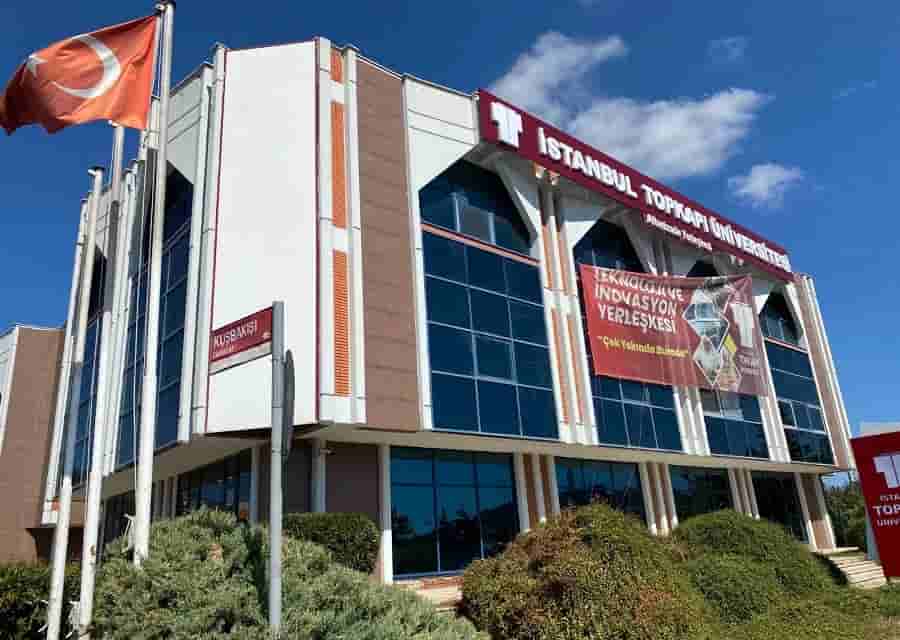 Dormitory
Istanbul, Turkey
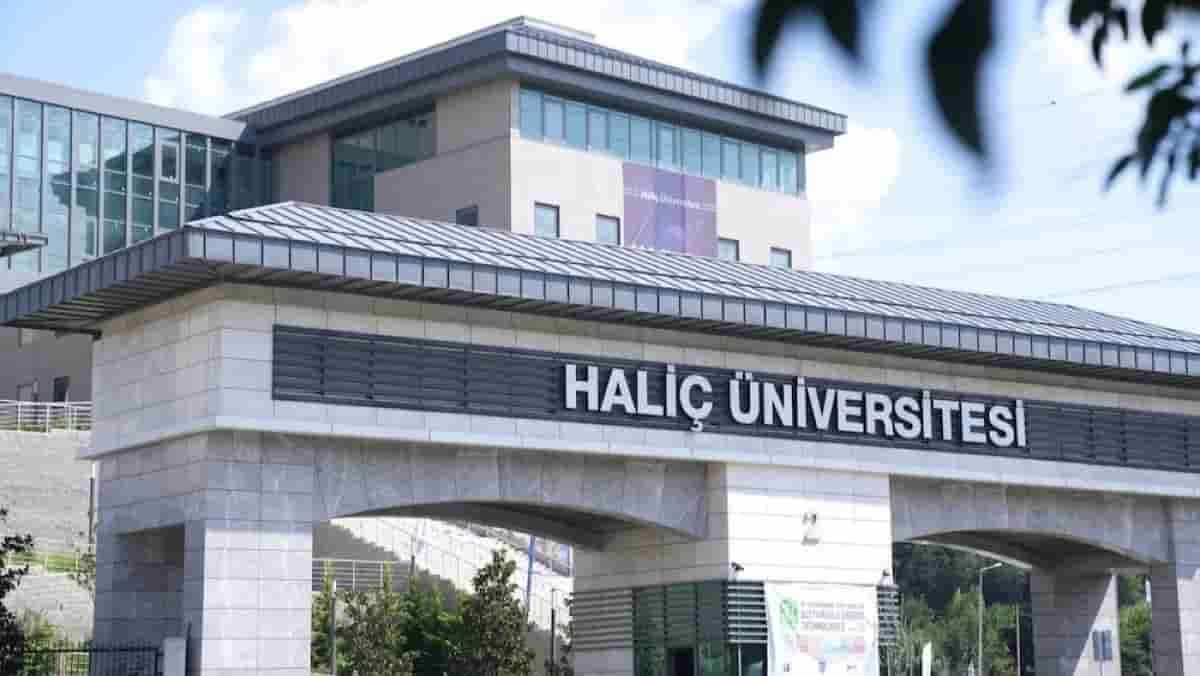 Dormitory
Istanbul, Turkey
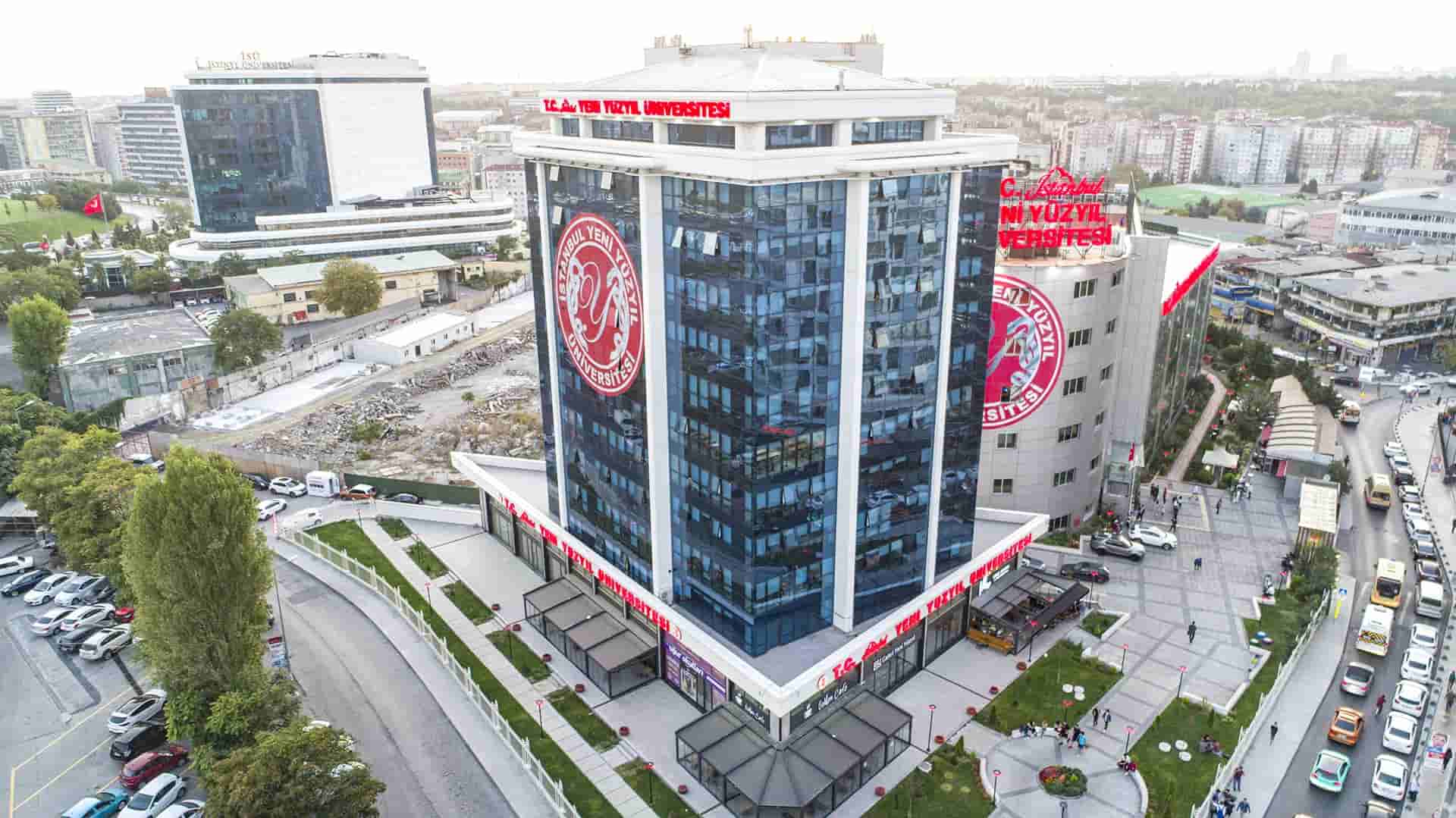 Dormitory
Istanbul, Turkey
 Dormitory
Istanbul, Turkey
 Dormitory
Istanbul, Turkey
 Dormitory
Istanbul, Turkey
 Dormitory
Istanbul, Turkey
 Dormitory
Istanbul, Turkey
 Dormitory
Istanbul, Turkey
 Dormitory
Istanbul, Turkey
 Dormitory
Istanbul, Turkey
 Dormitory
Istanbul, Turkey
 Dormitory
Istanbul, Turkey
 Dormitory
Istanbul, Turkey
 Dormitory
Istanbul, Turkey
 Dormitory
Antalya, Turkey
 Dormitory
Istanbul, Turkey
 Dormitory
Ankara, Turkey
 Dormitory
Istanbul, Turkey