

FAQs
Frequently Asked Questions and Answers

Turkey’s dynamic economy and strategic position between Europe and Asia make it an increasingly attractive destination for economics education. Students seeking a globally relevant curriculum coupled with cultural richness find Turkish institutions offering exceptional value. The blend of theoretical rigor and practical application prepares graduates for diverse challenges in finance, policy, and research. Many universities foster strong industry ties, ensuring students gain real-world insights alongside academic knowledge. International accreditation and English-language programs further enhance their appeal to a global student body. Quality education here often comes at a fraction of the cost compared to Western alternatives. This combination of affordability, location, and academic excellence is transforming Turkey into a hub for future economists. Choosing the right university is a pivotal step toward a rewarding career in this evolving landscape.
Koç University in Istanbul consistently ranks among Turkey’s elite institutions for economics. Its Department of Economics emphasizes analytical thinking and quantitative methods, integrating microeconomics, macroeconomics, and econometrics with cutting-edge research opportunities. Faculty members include internationally published scholars who actively involve undergraduates in projects addressing Turkey’s economic challenges. The curriculum encourages interdisciplinary study, allowing students to combine economics with data science or political economy. Small class sizes foster close mentorship and rigorous debate, preparing graduates for advanced degrees or leadership roles. Resources like the Economic Research Forum provide platforms for presenting original work and engaging with policymakers.
Campus life at Koç University supports holistic development through dedicated career services and partnerships with major financial institutions. Internships with firms like İş Bankası or international organizations are readily accessible due to the university’s robust corporate network. Students benefit from modern simulation labs and frequent guest lectures by central bankers and industry experts. The suburban Istanbul campus offers a peaceful environment conducive to focused study while remaining connected to urban opportunities. Alumni frequently secure positions in global consulting firms, central banks, or top graduate programs worldwide, reflecting the program’s strong reputation and practical orientation.
Sabancı University’s economics program in Istanbul stands out for its innovative structure and emphasis on social responsibility. The curriculum uniquely blends core economic theory with courses on sustainability, ethics, and global inequality, encouraging students to address real-world problems. Project-based learning is central, with undergraduates collaborating on research initiatives like analyzing labor market policies or renewable energy economics. Faculty prioritize undergraduate teaching and mentorship, often co-authoring publications with students. State-of-the-art facilities, including a dedicated economics lab, support data-driven analysis using industry-standard software like Stata and R.
The university’s location near Istanbul’s financial district facilitates regular industry engagement through site visits and executive talks. Mandatory internships ensure students gain hands-on experience at organizations such as the World Bank’s Turkey office or leading corporations. Study abroad partnerships with institutions like Columbia University allow for seamless semester exchanges. Graduates excel in roles spanning economic consultancy, development agencies, and academia, leveraging Sabancı’s strong alumni network. The campus culture promotes critical thinking and civic engagement, preparing economists who drive meaningful change in public and private sectors.
Bilkent University in Ankara offers one of Turkey’s most research-intensive economics programs. Its faculty includes prominent scholars whose work appears in top journals like the American Economic Review, creating an environment where students contribute to ongoing studies early in their degrees. The curriculum covers advanced topics such as behavioral economics and international trade policy, with flexibility to pursue specialized electives or a dual degree in political science. Weekly research seminars expose undergraduates to frontier academic debates and methodologies. Rigorous training in mathematical economics ensures graduates possess strong analytical tools for complex problem-solving.
Bilkent’s career center coordinates exclusive internship pipelines with institutions including the Central Bank of Turkey and multinational corporations. Students frequently participate in national economics competitions and policy hackathons hosted on campus. The university’s hilltop setting provides a collaborative residential community with 24/7 library access and dedicated study spaces. Alumni networks span influential roles in government ministries, the IMF, and Fortune 500 companies. This combination of academic depth and professional connectivity equips students to navigate global economic landscapes with confidence and expertise.
Özyeğin University in Istanbul integrates entrepreneurship deeply into its economics education. Courses emphasize market dynamics, innovation economics, and startup finance, often taught through case studies developed with local business partners. The curriculum includes mandatory entrepreneurial projects where students design viable business models addressing urban challenges like housing or transportation. Faculty combine academic credentials with industry experience, including former executives from major banks and tech firms. Modern classrooms feature interactive technology, and the campus hosts an active incubator supporting student ventures with mentorship and seed funding.
Industry immersion is central to the student experience, with internships arranged at companies like Arçelik or venture capital firms through the university’s corporate alliances. Frequent networking events connect students with alumni leading finance teams across Eurasia. The campus, located near Istanbul’s new airport, offers panoramic views and collaborative workspaces designed to spark creativity. Graduates frequently launch startups or join growth-stage companies, leveraging Özyeğin’s focus on practical, solution-oriented economics. This applied approach ensures students understand not just theory but the mechanics of value creation in emerging markets.
İstanbul Bilgi University provides a cosmopolitan economics education centered on social justice and global perspectives. Its program critically examines economic systems through lenses of inequality, gender studies, and environmental sustainability, attracting students passionate about equitable development. Courses often involve community-based research, such as analyzing informal labor markets or designing microfinance initiatives alongside NGOs. Faculty include activists and policymakers who bridge theory with grassroots realities. The vibrant campus in the heart of Istanbul hosts open lectures by Nobel laureates and UN officials, enriching classroom discussions.
Students gain practical skills through mandatory externships with human rights organizations, municipal governments, or cultural enterprises across the city. The university’s archive resources support thesis projects on Turkey’s economic history or migration economics. Bilgi’s diverse student body, representing over 50 nationalities, fosters cross-cultural dialogue in seminars and student clubs. Graduates pursue impactful careers in international development, policy advocacy, or ethical finance, carrying forward the institution’s mission of transformative economics. Campus life thrives on artistic expression and civic engagement, reflecting Istanbul’s dynamic energy.
Yeditepe University’s economics program in Istanbul balances theoretical foundations with digital transformation trends. Specialized tracks in fintech, digital marketing analytics, and blockchain economics prepare students for technology-driven financial sectors. Courses incorporate real-time market simulations using Bloomberg terminals and Python programming workshops. Faculty maintain active consulting roles, bringing current case studies from Istanbul Stock Exchange members into classroom discussions. The curriculum includes certification pathways in risk management and data visualization, enhancing employability.
Corporate partnerships with firms like PwC and Trendyol facilitate semester-long industry projects where student teams solve live business challenges. Career fairs connect students directly with recruiters from multinational banks and e-commerce giants. The campus features innovation hubs where economics students collaborate with engineering peers on AI-driven economic forecasting tools. Alumni networks span rapidly growing tech startups and established financial institutions across Eurasia. This forward-looking approach ensures graduates lead in adapting economic principles to evolving digital economies while understanding traditional market structures.
Kadir Has University in Istanbul emphasizes applied economics through its unique city-campus integration. Programs leverage Istanbul’s status as a global crossroads, with fieldwork components analyzing port logistics, tourism economics, or cross-border trade corridors. The economics department collaborates closely with the university’s media school, offering courses on communication economics and data journalism. Faculty include former regulators who guide students in policy analysis simulations for institutions like Borsa Istanbul. Small cohorts ensure personalized feedback on research papers addressing contemporary issues like inflation or refugee labor integration.
Internship placements prioritize hands-on roles in economic intelligence units of corporations or municipal planning departments. Students regularly present findings at the annual Istanbul Economics Summit hosted on campus. Modern trading rooms and GIS labs support spatial economic analysis projects. Graduates frequently join economic consulting firms, media research teams, or pursue EU-funded graduate programs. The university’s central location in the historic peninsula immerses students in Istanbul’s commercial pulse, transforming the city into an extended classroom where theory meets practice daily.
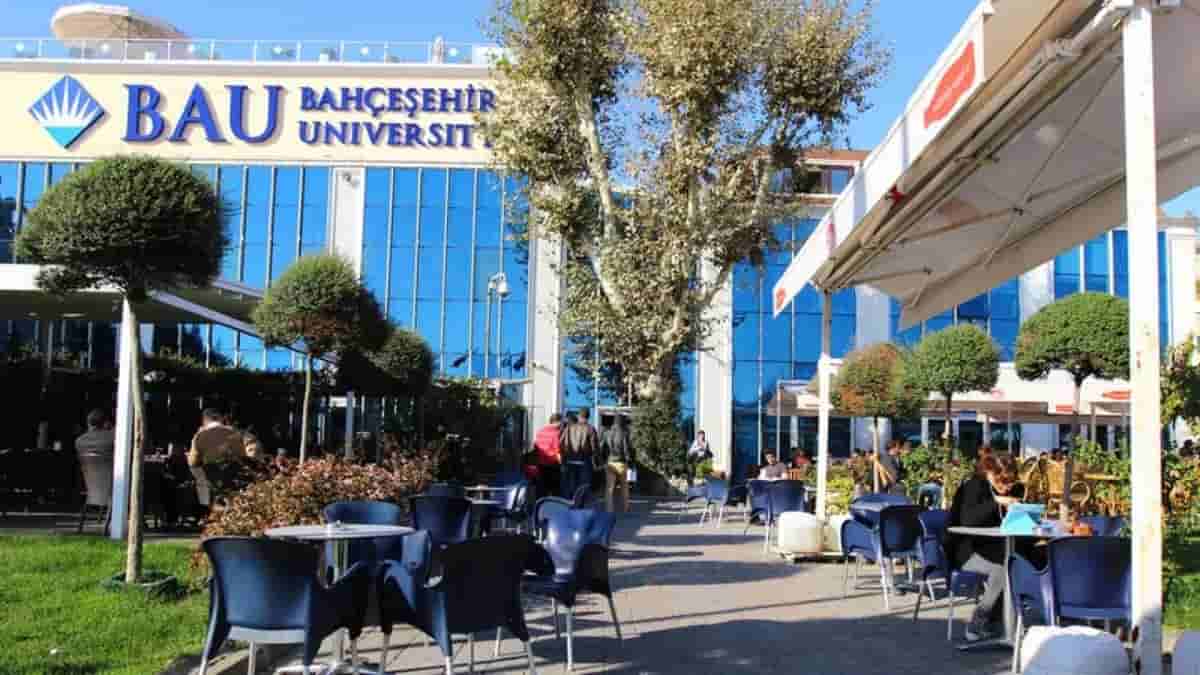
Bahçeşehir University’s economics program stands out for its global mobility framework and industry-aligned specializations. Students can customize tracks in energy economics, sports management, or behavioral finance, often completing semesters at partner campuses in Berlin, Boston, or Toronto. Courses integrate UN Sustainable Development Goals, with capstone projects designing economic policies for climate resilience. Faculty include globally mobile scholars who incorporate comparative case studies from emerging markets worldwide. Cutting-edge virtual reality labs simulate international trade negotiations and financial crisis scenarios.
The career office orchestrates tailored internships with multinational corporations like Unilever or international NGOs based in Istanbul. Annual events like the BAU Global Economics Week feature keynote speakers from the OECD and Turkish Treasury. Students access exclusive networking platforms connecting them with alumni in 80 countries. Graduates excel in transnational roles requiring cultural agility, such as export strategy directors or impact investment analysts. This globally embedded education ensures economists who navigate complexity with both technical skill and intercultural fluency, ready for leadership in interconnected markets.
Turkey’s economic universities cultivate professionals equipped for tomorrow’s challenges through innovative curricula and strategic industry partnerships. Graduates emerge not only with technical expertise but also with contextual understanding of emerging economies. These institutions serve as launchpads for careers spanning central banking, sustainable development, and digital finance. The emphasis on research and real-world application bridges academic theory with practical impact. International students find welcoming environments with support services tailored to diverse backgrounds. For those seeking transformative education without prohibitive costs, these universities offer exceptional pathways. StudyLeo provides dedicated counseling to navigate applications to these programs at no service fee. Your journey toward becoming a globally minded economist starts with choosing the right academic home in this vibrant nation.
Frequently Asked Questions and Answers
Look out blogs and aware of the latest trends and updates
Explore top universities offering quality education, modern facilities, and diverse academic opportunities for students worldwide




DormitoryIstanbul, Turkey
DormitoryAnkara, Turkey
DormitoryIstanbul, Turkey




DormitoryAntalya, Turkey
DormitoryIstanbul, Turkey
DormitoryAnkara, Turkey
DormitoryIstanbul, Turkey