

FAQs
Frequently Asked Questions and Answers

Istanbul's tech sector has grown 340% over the past decade, with over 2,500 startups and major tech companies establishing development centers in the city. Students researching computer science programs face fragmented information about curriculum quality, industry partnerships, and actual graduate employment in tech roles. This guide provides concrete data on Istanbul's leading computer science universities, focusing on program structures, technical specializations, and career outcomes rather than general institutional reputation.
• Leading programs offer specializations in AI, cybersecurity, data science, and software engineering with hands on lab components
• Tech internships at companies like Google, Microsoft, Trendyol, and Getir are integrated into curriculum
• Living costs remain 400 to 600 USD monthly while accessing a fast growing tech ecosystem
• English taught programs reduce language barriers and open local and international tech job markets
• Graduate starting salaries in software development range 22,000 to 40,000 USD annually, with senior roles reaching 60,000 USD or more
Istanbul ranks as Europe's fourth-largest tech hub, hosting over 150 international tech companies alongside a thriving startup ecosystem. The city's strategic position attracts both European and Middle Eastern tech investment, creating diverse opportunities from fintech to gaming development. Turkey produces approximately 50,000 IT graduates annually, yet demand exceeds supply by 30%, ensuring strong employment prospects.
The computer science education landscape combines theoretical foundations with practical application through industry partnerships. Universities maintain collaboration agreements with tech giants for curriculum development, student projects, and direct recruitment pipelines. This ecosystem proves particularly valuable for students targeting careers in software development, data science, or tech entrepreneurship where regional market knowledge provides competitive advantages.
Computer science programs in Istanbul build practical and theoretical tech skills. Students gain problem solving ability and career ready knowledge.
• Focus on programming, algorithms, and software development
• Builds logical and computational thinking
• Prepares students for tech careers
Postgraduate study is more specialized and research focused.
• AI, data science, cybersecurity, distributed systems
• Thesis and research projects
• Updated to global tech trends
One of the strongest features of computer science education in Istanbul is the widespread availability of English-taught programs. Many universities deliver their computer science curricula entirely in English. This allows students to access international academic resources and participate in global discussions. English instruction also supports international career mobility and postgraduate opportunities abroad.
Programs are designed in line with global accreditation and academic frameworks. Course content reflects international benchmarks in computing education. Students gain familiarity with globally used programming languages, software tools, and development methodologies. The international classroom environment further strengthens communication and teamwork skills. Graduates leave with qualifications that align with global expectations in the technology sector.
Practical training plays a central role in computer science education in Istanbul. Universities emphasize laboratory work, programming assignments, and project-based learning. Students apply theoretical knowledge through real software development tasks and system design projects. This approach strengthens technical competence and confidence. Practical learning is integrated throughout the academic journey.
Many programs include capstone projects, group work, and applied research. Students often work on real-world problem scenarios related to software, data processing, or system optimization. Modern computer labs and digital infrastructure support hands-on learning. This practical orientation ensures that graduates are well-prepared for professional environments. Industry-relevant skills are developed alongside academic knowledge.

Computer science programs in Istanbul offer several modern specialization options. Common areas include software engineering, artificial intelligence, machine learning, data science, cybersecurity, and information systems. These tracks allow students to align their studies with career goals.
As programs progress, coursework becomes more technical and focused. AI tracks emphasize algorithms and data analysis. Software engineering focuses on system design and testing. Cybersecurity programs address digital risk and system protection. This variety supports both industry and academic pathways.
Research plays a growing role in computer science education in Istanbul. Universities introduce research-based learning early through projects, seminars, and advanced coursework. Students develop analytical thinking, problem-solving skills, and a deeper understanding of technology development.
At postgraduate levels, research becomes central. Master’s and PhD students work closely with supervisors on specialized topics such as AI, data science, and cybersecurity. Research training prepares graduates for academic careers and advanced industry roles.
Istanbul offers a dynamic environment for computer science students. The city combines strong academic life with an active technology ecosystem. Students benefit from access to startup communities, innovation hubs, and tech events.
Beyond coursework, many students work on independent projects and collaborative initiatives. Modern infrastructure and professional networks support continuous skill development. Studying in Istanbul helps students adapt to fast-changing technological environments.

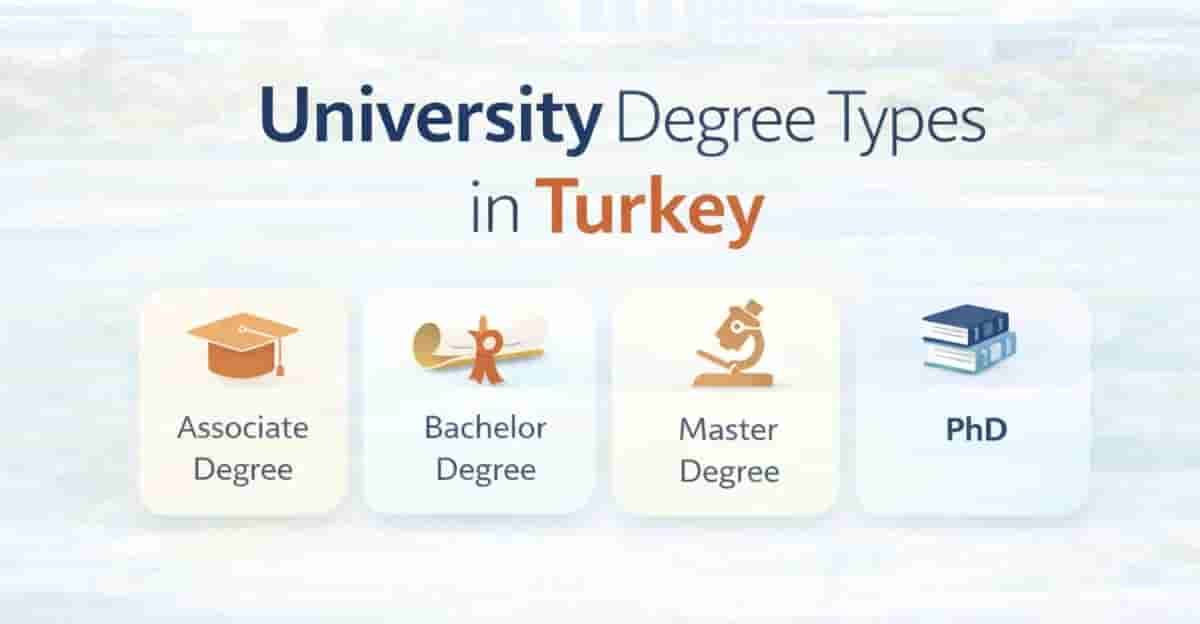
Admission requirements vary by degree level but follow clear academic standards.
• For Bachelor’s degree applications, required documents include a high school diploma, high school transcript, passport or national ID, and biometric photographs. These confirm academic eligibility and identity.
• For Master’s degree applications, required documents include a bachelor’s diploma, bachelor’s transcript, letters of recommendation, passport or national ID, and biometric photographs.
• For Doctorate programs, required documents include bachelor’s and master’s diplomas, official transcripts, graduation certificates, passport or national ID, and biometric photographs. Tuition fees vary by university and academic year.
Computer science education in Istanbul combines academic strength with technological relevance. Universities offer programs aligned with global standards and industry needs. Students benefit from English-taught education, practical training, and diverse specialization options. The city’s technology ecosystem enhances learning and career development. Graduates gain skills that support innovation and adaptability. With structured guidance from StudyLeo provided without service fees, students can navigate their academic journey confidently. Istanbul continues to stand out as a strong destination for computer science education.
Frequently Asked Questions and Answers
Look out blogs and aware of the latest trends and updates
Explore top universities offering quality education, modern facilities, and diverse academic opportunities for students worldwide





 Dormitory
Ankara, Turkey
 Dormitory
Istanbul, Turkey
 Dormitory
Istanbul, Turkey
 Dormitory
Istanbul, Turkey
 Dormitory
Istanbul, Turkey
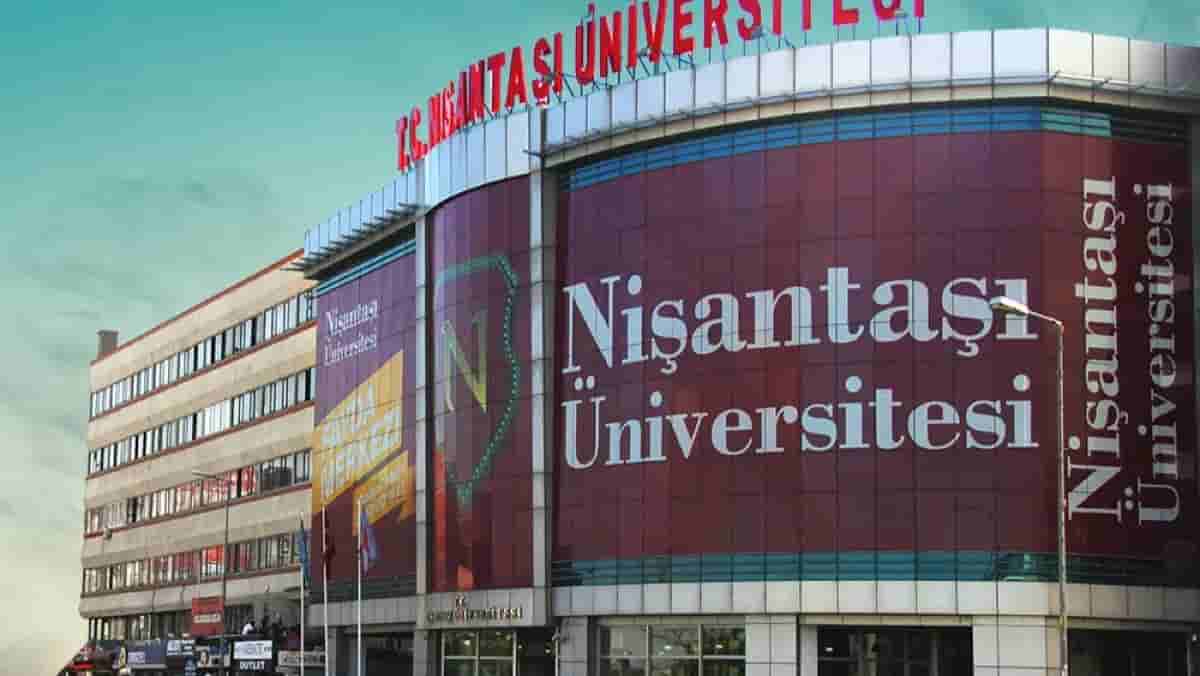 Dormitory
Istanbul, Turkey
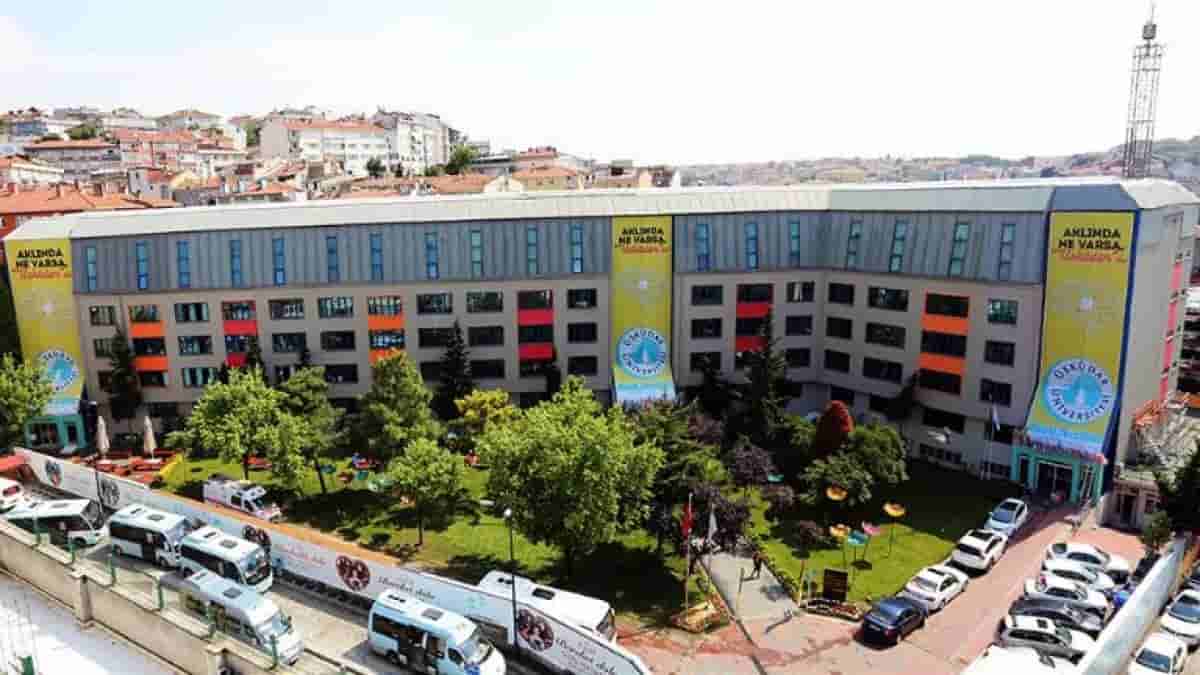 Dormitory
Istanbul, Turkey
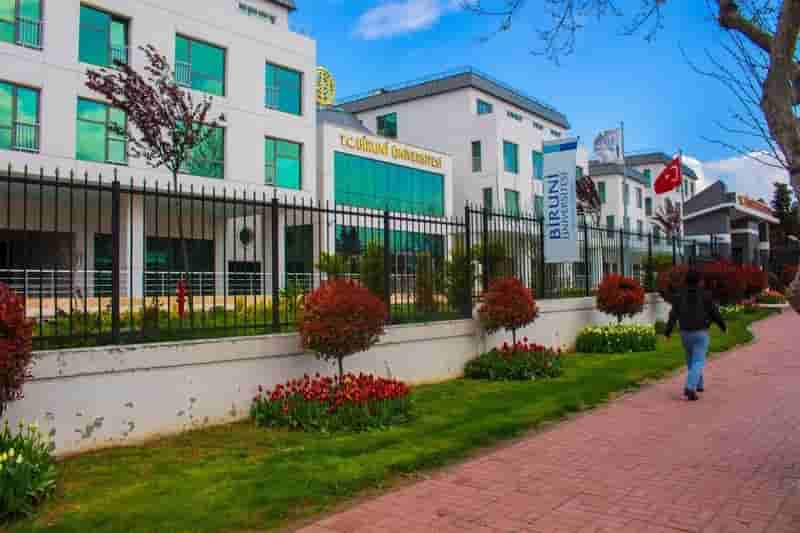 Dormitory
Istanbul, Turkey
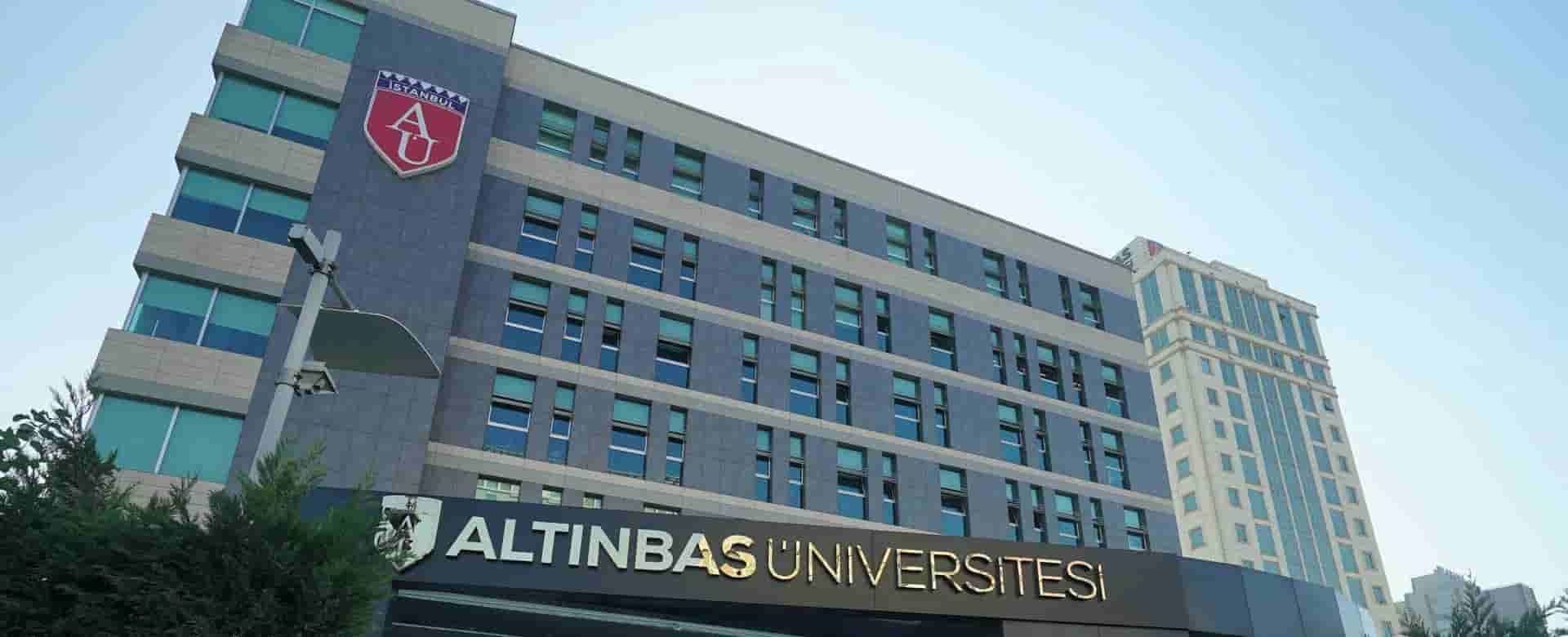 Dormitory
Istanbul, Turkey
 Dormitory
Istanbul, Turkey
 Dormitory
Istanbul, Turkey
 Dormitory
Istanbul, Turkey
 Dormitory
Istanbul, Turkey
 Dormitory
Istanbul, Turkey
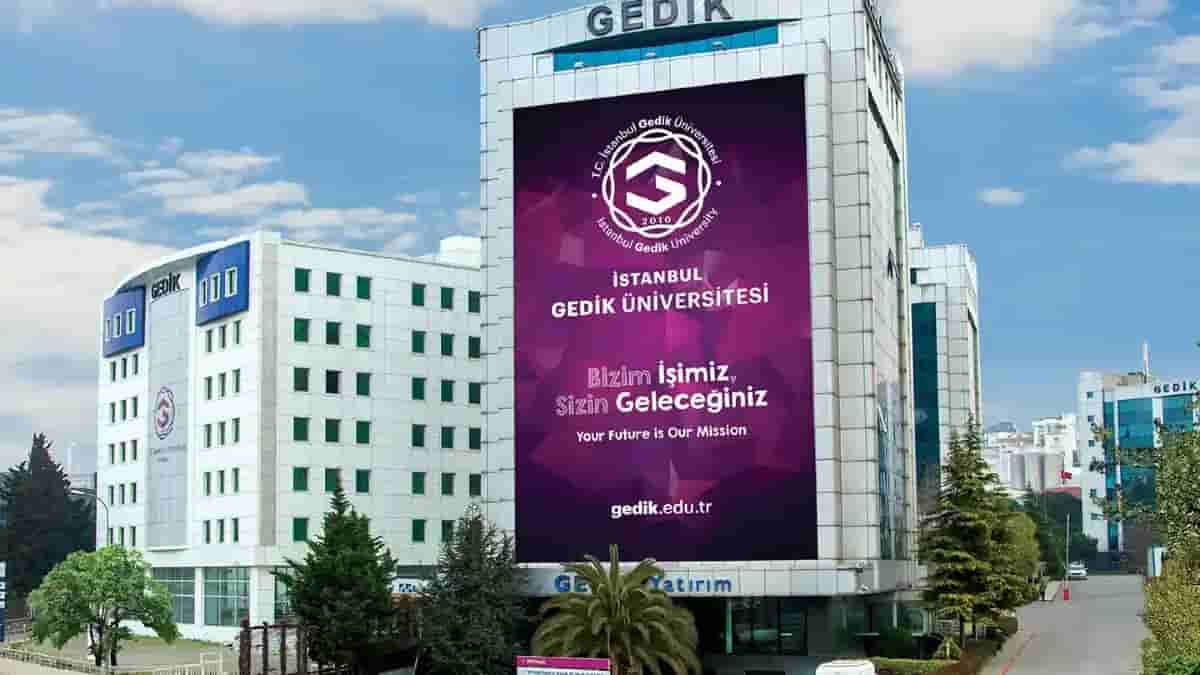 Dormitory
Istanbul, Turkey
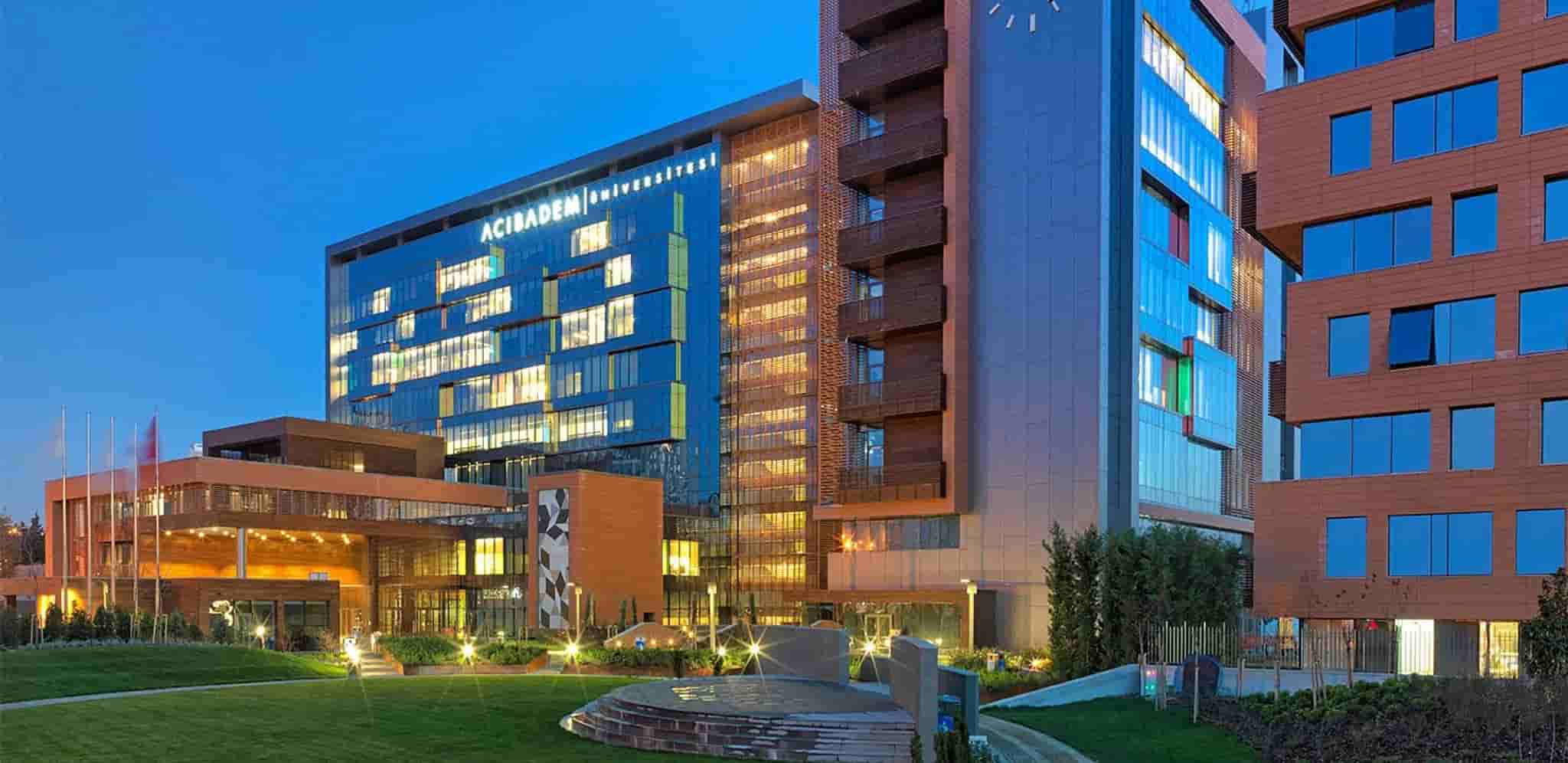 Dormitory
Istanbul, Turkey
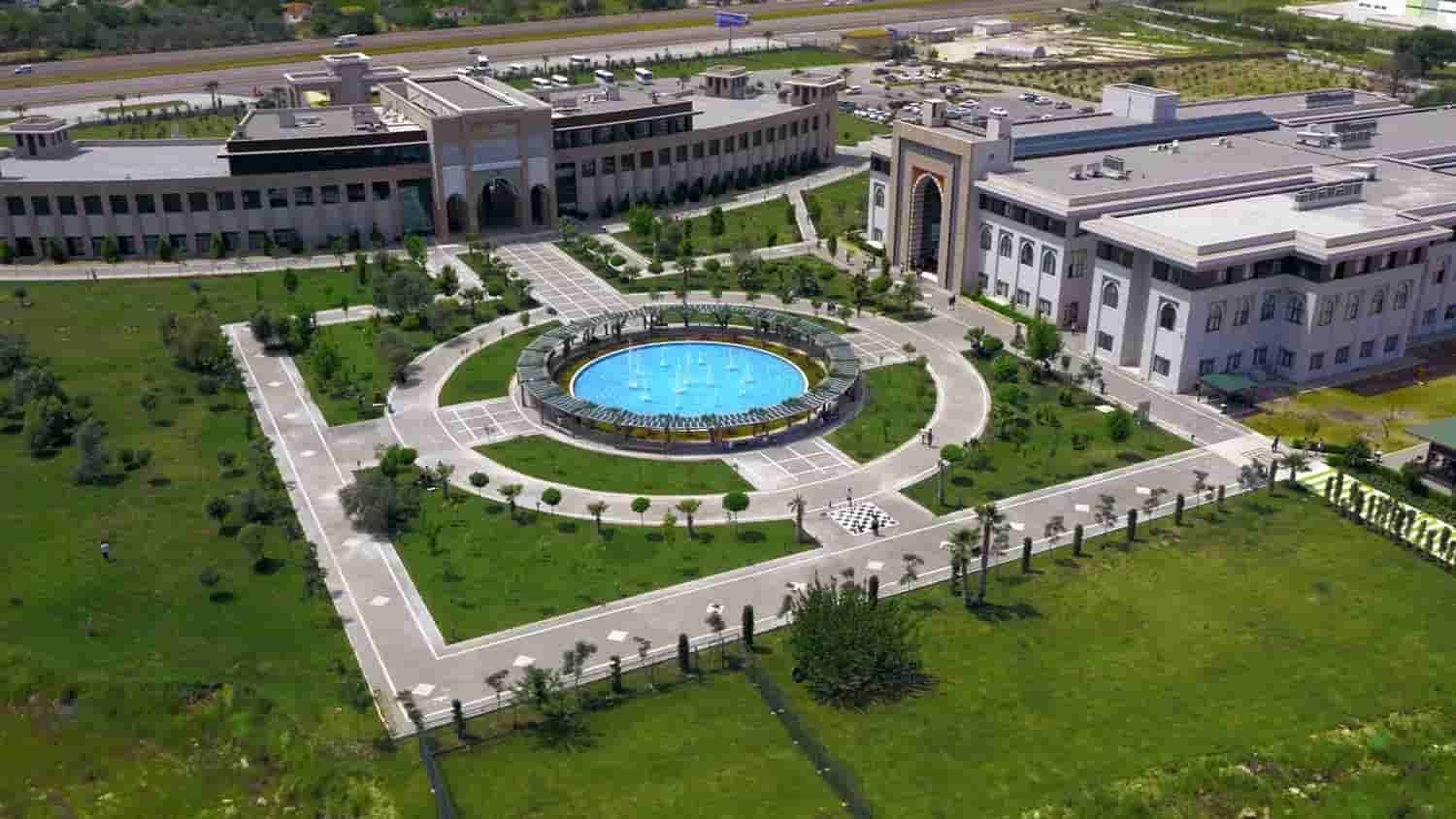 Dormitory
Antalya, Turkey
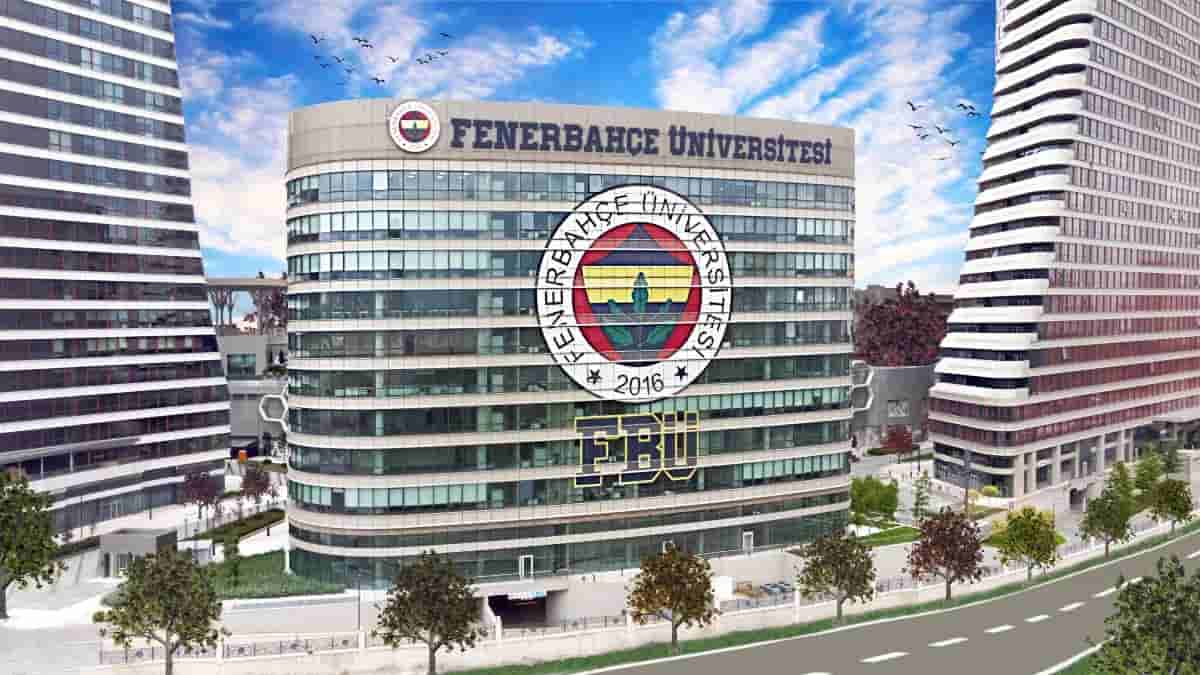 Dormitory
Istanbul, Turkey
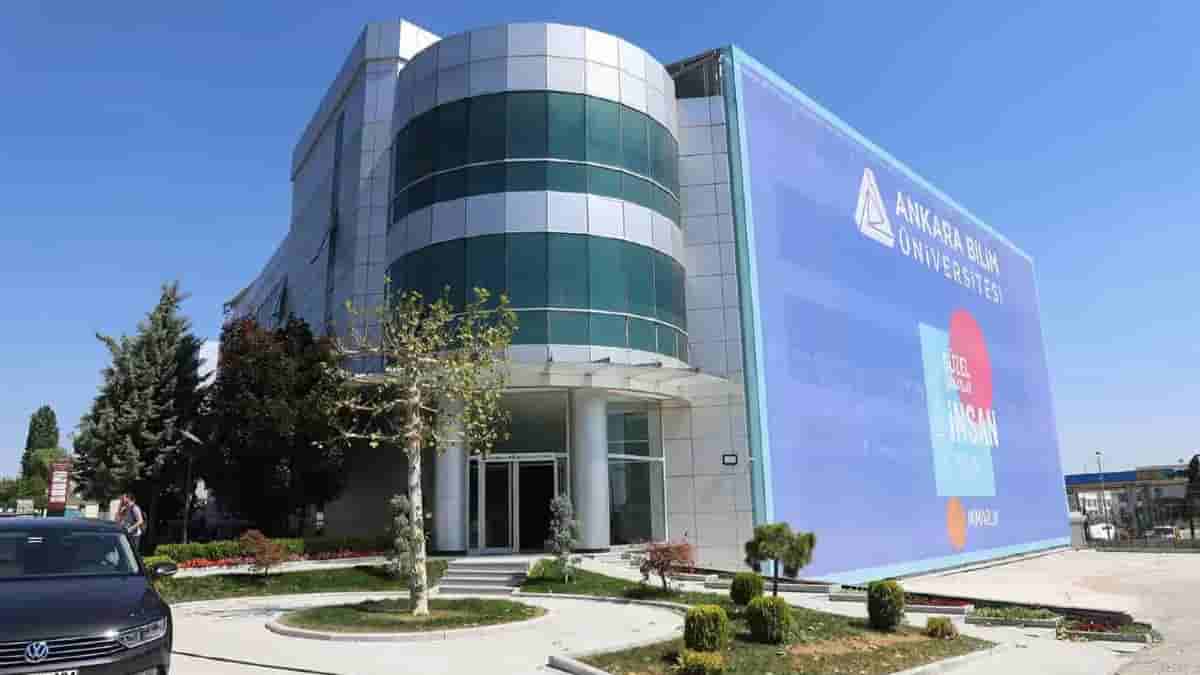 Dormitory
Ankara, Turkey
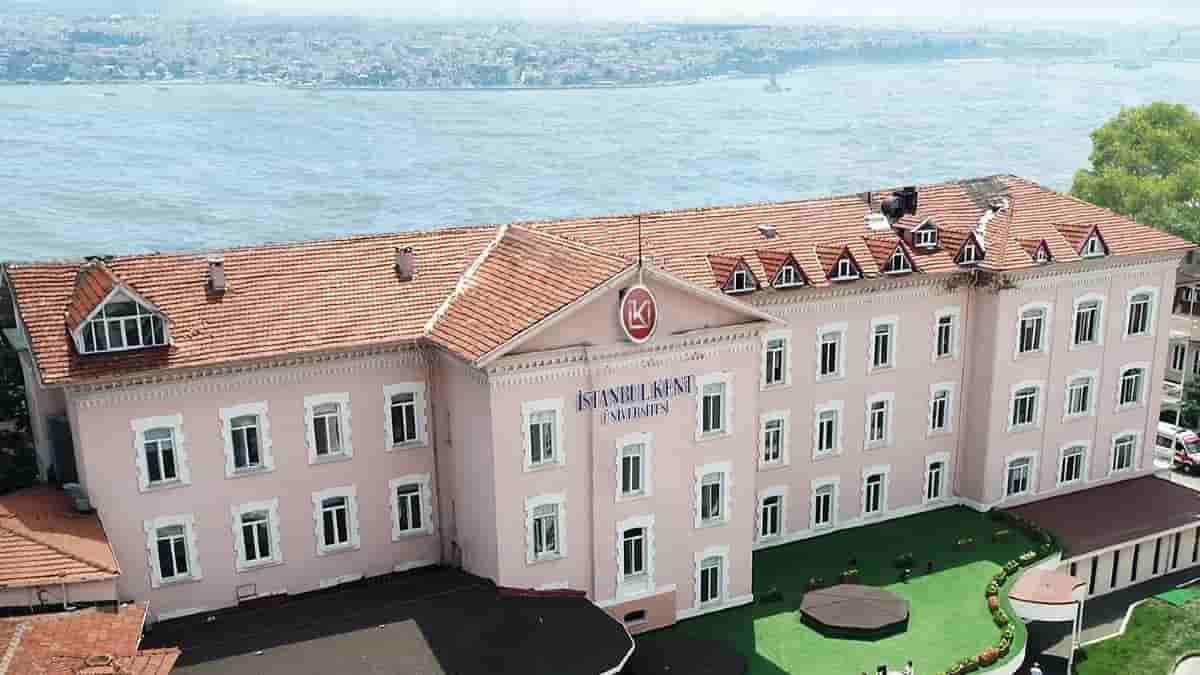 Dormitory
Istanbul, Turkey