


Best Civil Engineering Universities İn Turkey: Turkey's Engineering Elite
Jan 23, 2026

Best Civil Engineering Universities İn Turkey: Turkey's Engineering Elite

Civil engineering stands as a cornerstone of modern infrastructure development, shaping skylines and sustaining communities across the globe. Turkey, with its dynamic geography and rapid urbanization, offers exceptional opportunities for aspiring engineers to hone their skills. The nation's private universities have risen to prominence by blending rigorous academic curricula with innovative research facilities. These institutions prioritize hands-on learning, industry partnerships, and international exposure to prepare graduates for global challenges. Students benefit from state-of-the-art laboratories, experienced faculty, and curricula aligned with European standards. Choosing the right university requires careful consideration of resources, accreditation, and career support services. This landscape empowers future engineers to contribute meaningfully to sustainable development projects worldwide. Many institutions also foster cross-disciplinary collaboration, integrating smart technologies into traditional civil engineering frameworks.


🔄 Updated: Feb 3, 2026 22:22


Bilkent University

Bilkent University in Ankara maintains a distinguished reputation for its civil engineering program, emphasizing theoretical depth and practical application. The curriculum integrates advanced mathematics, structural analysis, and sustainable design principles, supported by cutting-edge laboratories for materials testing and geotechnical research. Faculty members actively engage in EU-funded projects, exposing students to international research standards. The department’s collaboration with industry leaders like Rönesans Holding ensures internship opportunities that bridge classroom learning with real-world construction challenges. Students regularly participate in competitions such as the Turkish Concrete Federation’s annual design contest, enhancing their problem-solving skills.

Campus facilities include a dedicated earthquake simulation lab and computational modeling centers equipped with industry-standard software like SAP2000 and ETABS. The university’s career center provides personalized guidance for placements in multinational firms such as Arcadis and AECOM. Graduates consistently secure roles in infrastructure development across Europe and the Middle East. Bilkent’s alumni network spans over forty countries, offering mentorship and professional connections. The program’s ABET accreditation guarantees recognition of qualifications globally, facilitating further education or professional licensing abroad without bureaucratic hurdles.

🔗 Link to this section

Koç University

Koç University’s civil engineering department in Istanbul combines American academic rigor with Turkish engineering traditions. Students explore specialized tracks in structural engineering, transportation systems, and environmental sustainability through a flexible curriculum. The university’s partnership with MIT enables faculty exchanges and joint research initiatives on seismic resilience. Undergraduates gain field experience through mandatory summer internships at major firms like Yapi Merkezi and Tekfen Construction. The campus features a wave basin laboratory for coastal engineering studies and a smart materials testing facility funded by TÜBİTAK.

Research output here focuses on earthquake-resistant design and renewable energy infrastructure, with publications in journals like Engineering Structures. The Career Development Center organizes annual engineering fairs attended by over fifty companies, including Turner Construction and Jacobs Engineering. Koç’s dual-degree programs with European universities allow students to earn qualifications from institutions like Politecnico di Milano. Graduates frequently pursue advanced degrees at Ivy League universities or lead projects in emerging markets. The program’s emphasis on entrepreneurship encourages students to develop startups addressing urban water management and waste reduction challenges.

🔗 Link to this section

Sabancı University

Sabancı University in Istanbul pioneers interdisciplinary civil engineering education through its integrated curriculum linking engineering with policy and environmental science. The program mandates project-based learning from the first year, including designing community infrastructure for rural Anatolian villages. Faculty research centers on sustainable urban drainage systems and carbon-neutral construction materials, supported by grants from the Scientific and Technological Research Council of Turkey. Students utilize the Structures and Materials Laboratory equipped with 3D concrete printers and robotic testing rigs. Industry collaborations with firms like Enka and Limak provide live project opportunities during semester-long practicums.

The university’s location near Istanbul’s new canal project offers unique field study access. Courses incorporate Building Information Modeling (BIM) certification training, enhancing graduate employability. Sabancı’s Global Fellowship Program funds research internships at institutions like Stanford University’s Civil and Environmental Engineering Department. Alumni hold leadership positions in organizations such as the World Bank’s Sustainable Development Unit. The department maintains ISO 9001 quality certification for its educational processes, ensuring consistent academic excellence. Graduates benefit from a dedicated industry advisory board that shapes curriculum updates based on market demands.

🔗 Link to this section

Özyeğin University

Özyeğin University’s civil engineering program in Istanbul distinguishes itself through industry-integrated education models. The curriculum includes mandatory co-op semesters where students work full-time at partner companies like Gap İnşaat and YDA Group while earning academic credits. Specialized courses cover smart city infrastructure and drone-based surveying technologies, taught in modern simulation labs featuring virtual reality construction environments. Faculty members include former directors of Turkey’s General Directorate of Highways, bringing regulatory expertise into classrooms. The university’s Energy and Sustainability Center leads research on seismic retrofitting of historic buildings using composite materials.

Students participate in the annual Özyeğin Infrastructure Challenge, solving real problems proposed by Istanbul Metropolitan Municipality. The career office maintains a digital portfolio platform showcasing student projects to potential employers. Graduates frequently join multinational consultancies such as Arup and WSP Global. The program’s international accreditation by ASIIN ensures seamless credit transfers for exchange programs with German universities. Özyeğin’s campus sustainability initiatives, including rainwater harvesting systems designed by students, provide living case studies. Research partnerships with NASA’s Jet Propulsion Laboratory explore lunar habitat construction techniques.

🔗 Link to this section  


🔄 Updated: Feb 3, 2026 22:22


Abdullah Gül University

Abdullah Gül University in Kayseri focuses on emerging technologies within civil engineering, particularly in earthquake engineering and transportation systems. The curriculum integrates mandatory courses on disaster risk reduction and geographic information systems, supported by a structural dynamics laboratory with shake tables. Collaborations with Japanese institutions like Kyoto University enable student exchanges focused on seismic design innovations. Industry partnerships with companies such as Cengiz İnşaat fund student projects on high-speed rail corridors. The university’s Sustainable Campus Initiative involves civil engineering students in designing solar-powered pedestrian bridges and geothermal heating systems for university buildings.

Faculty research on heritage structure preservation has received UNESCO recognition, with fieldwork at Cappadocia’s underground cities. Students utilize drone mapping technologies for landslide monitoring in Central Anatolia’s mountainous regions. The career development unit arranges site visits to major projects like Istanbul Canal and Izmir Metro expansions. Graduates secure positions with firms specializing in resilient infrastructure, including Mott MacDonald and Bechtel. AGU’s International Civil Engineering Conference attracts scholars from thirty countries annually, providing networking opportunities. The program’s emphasis on ethical engineering practice includes mandatory community service projects in underserved neighborhoods.

🔗 Link to this section

Yaşar University

Yaşar University in İzmir emphasizes sustainable coastal engineering through its specialized curriculum and Mediterranean location. Courses cover port design, marine construction techniques, and tsunami-resilient infrastructure, leveraging proximity to İzmir’s harbor expansion projects. The Geotechnical Engineering Laboratory features centrifuge modeling equipment for simulating soil behavior under seismic loads. Partnerships with Dutch firms like Royal HaskoningDHV enable student internships on flood management systems. Faculty members lead national research projects on recycled aggregate concrete funded by the Turkish Ministry of Environment. Students gain practical experience through the annual Aegean Coastal Restoration Initiative.

The university’s Innovation Center incubates student startups developing low-cost water purification systems for coastal communities. Mandatory foreign language training prepares graduates for roles with global organizations like UN Habitat. Yaşar’s Structural Health Monitoring Lab uses fiber-optic sensors to assess aging infrastructure in collaboration with İzmir Metropolitan Municipality. Career fairs feature employers from Qatar and UAE seeking expertise in arid-region construction. Alumni hold senior positions at firms such as Freyssinet International and China Harbour Engineering Company. The program’s accreditation by MÜDEK ensures compliance with European engineering education standards.

🔗 Link to this section

Bahçeşehir University

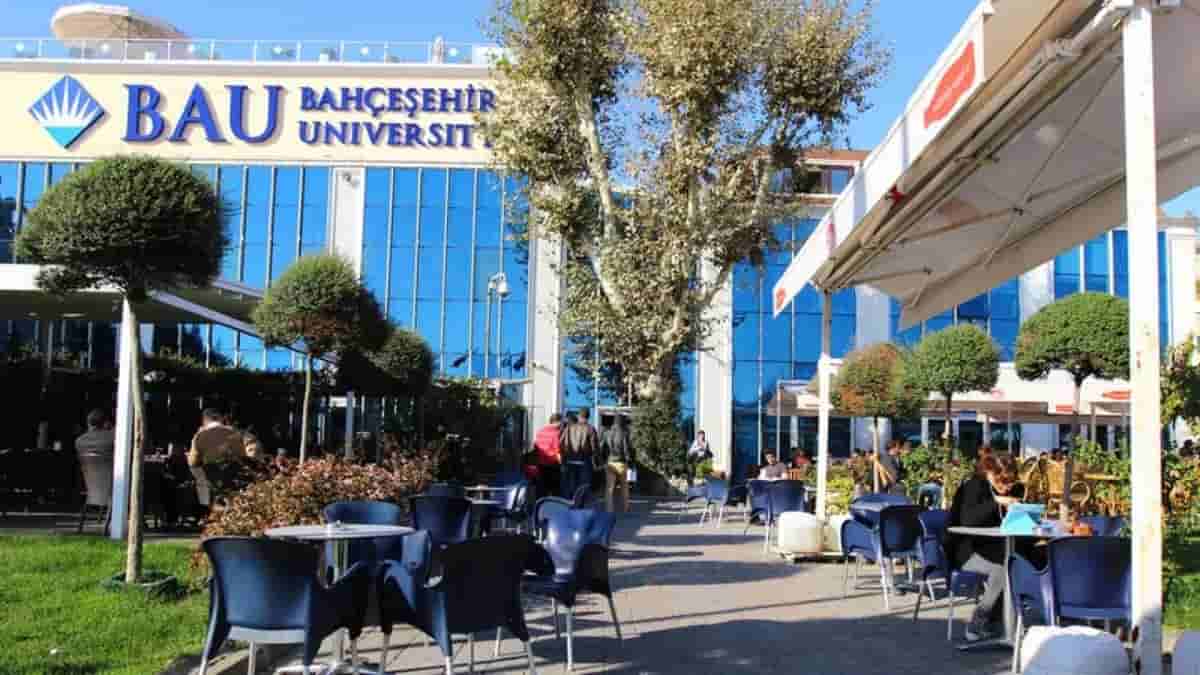
Bahçeşehir University in Istanbul integrates smart city technologies into its civil engineering curriculum through dedicated tracks in digital infrastructure. Students learn BIM management, IoT sensor networks for structural monitoring, and AI-driven traffic optimization using campus facilities like the Smart City Living Lab. Industry collaborations with Siemens Turkey and Huawei provide access to real-time urban data platforms. The Sustainable Construction Materials Laboratory researches self-healing concrete and thermal insulation composites. Faculty projects include designing modular housing for earthquake zones with UNHCR funding. Internship programs place students at leading consultancies such as Jacobs and AECOM.

The university’s Global Civil Engineering Certificate requires semester exchanges at partner institutions like University of Illinois Urbana-Champaign. Students participate in BAU’s annual Urban Innovation Hackathon, developing solutions for Istanbul’s transportation bottlenecks. Career services include LinkedIn profile workshops and interview training with HR directors from major contractors. Graduates frequently pursue professional engineering licensure in the United States and Canada. Research on floating solar farms in the Sea of Marmara demonstrates the program’s commitment to renewable energy integration. The campus itself serves as a case study for energy-efficient building systems monitored by engineering students.

🔗 Link to this section

Okan University

Okan University’s civil engineering program in Istanbul specializes in transportation infrastructure and urban mobility systems. The curriculum features courses on highway design, railway engineering, and intelligent transport systems, supported by a traffic simulation laboratory with PTV Vissim software. Partnerships with Istanbul Metropolitan Municipality provide data for student theses on metro expansion projects. The Structural Engineering Research Center develops lightweight composite materials for bridge construction, patented in collaboration with Turkish Aerospace Industries. Students gain hands-on experience through the annual Marmaray Tunnel Maintenance Project internship program.

Faculty members include former consultants for the European Investment Bank, bringing project finance expertise into coursework. The university’s Drone Technology Unit trains students in aerial surveying for highway alignment studies. Career advisors maintain direct pipelines to firms like Odebrecht and Skanska for graduate placements. Okan’s International Engineering Week hosts workshops by engineers from Japan’s JR East on high-speed rail safety protocols. Alumni lead infrastructure teams at Dubai Airports and Singapore’s Land Transport Authority. The program’s accreditation by ABET ensures global recognition, while on-campus entrepreneurship courses encourage startups in pavement recycling technologies.

🔗 Link to this section

Turkey’s private universities deliver world-class civil engineering education through industry-aligned curricula and cutting-edge research facilities. These institutions cultivate engineers equipped to address complex challenges like seismic resilience and sustainable urbanization. Graduates emerge with internationally recognized qualifications and practical skills demanded by employers worldwide. The integration of digital technologies and environmental stewardship principles defines modern civil engineering practice here. Students benefit from extensive professional networks and global mobility opportunities throughout their studies. Choosing the right program requires evaluating laboratory resources, industry connections, and international accreditation status. Platforms like StudyLeo simplify the application process to these universities without service fees. Future engineers will find these campuses ideal launchpads for impactful careers shaping tomorrow’s infrastructure.

FAQs

Frequently Asked Questions and Answers

Do you like this article? Share this article

Blogs

Look out blogs and aware of the latest trends and updates

Popular Universities

Explore top universities offering quality education, modern facilities, and diverse academic opportunities for students worldwide