
FAQs
Frequently Asked Questions and Answers

Turkey has become a prominent destination for students interested in aviation and aerospace studies. The country offers a wide range of programs that combine theoretical knowledge with practical flight experience. Aviation universities in Turkey provide modern facilities, experienced faculty, and strong industry connections. Students can pursue degrees in pilot training, aerospace engineering, aviation management, and air traffic control. Many programs are designed in English, making them accessible to international students. The curriculum often includes flight simulators, laboratory work, and internships with aviation companies. Students graduate with skills that meet global aviation industry standards. The focus on safety, technology, and innovation ensures graduates are highly competitive worldwide.
Aviation education in Turkey has a rich history that dates back to the early 20th century. The country initially focused on military aviation, and over time, civil aviation programs developed to meet growing commercial demands. The government and private institutions have invested in specialized schools and universities to advance pilot training and aerospace research. Turkey’s strategic location between Europe and Asia has influenced the development of its aviation industry. Universities have gradually incorporated modern technologies, simulators, and research labs to enhance training quality. The evolution of civil and commercial aviation has created opportunities for students to join airlines, airports, and aerospace companies. Today, Turkey offers both undergraduate and postgraduate programs with a strong emphasis on practical experience. The expansion of aviation education also reflects the country’s growing airline sector.
Turkish Airlines, one of the largest airlines in the world, contributes to the demand for highly trained professionals. Universities now collaborate with international aviation organizations to ensure students meet global industry standards. Curriculum improvements focus on aerodynamics, aircraft maintenance, and aviation safety management. Research in drone technology, unmanned aerial vehicles, and aerospace materials has become a priority. Students have access to flight simulators, air traffic control labs, and real aircraft for hands-on experience. Government regulations ensure that graduates are certified and ready for professional roles. These developments make Turkey an attractive choice for students seeking aviation careers.
Turkey hosts several universities specializing in aviation and aerospace studies. Istanbul University’s Aviation and Space Sciences Faculty offers programs in aviation management, flight operations, and aeronautical engineering. Anadolu University provides flight training and pilot programs with advanced simulator facilities. Turkish Air Force Academy also accepts students interested in aerospace engineering and pilot training. These institutions combine academic knowledge with practical training, creating well-rounded graduates. Many universities offer English-language courses, making them accessible to international students. Cooperation with airlines ensures internship opportunities, research projects, and employment prospects. Private universities have also invested in aviation programs.
Başkent University and TOBB University of Economics and Technology provide aviation management and aerospace engineering courses. These institutions focus on modern laboratories, flight simulators, and industry partnerships. Students can benefit from mentorship programs with experienced pilots and engineers. Research centers in these universities contribute to developments in aerospace materials, drone technology, and air traffic systems. The combination of practical and theoretical education prepares students for careers in airlines, airports, aerospace companies, and regulatory organizations. These universities offer competitive training environments that rival international standards.
Modern facilities are a key feature of aviation universities in Turkey. Flight simulators allow students to practice takeoffs, landings, and emergency procedures in realistic scenarios. Laboratories for aerodynamics, materials testing, and avionics provide hands-on experience. Universities maintain real aircraft for training purposes, giving students exposure to operational systems. Air traffic control labs simulate real airport environments, preparing students for operational challenges. Libraries, research centers, and innovation labs support academic and scientific development.
These facilities enhance both practical skills and theoretical understanding. Universities also invest in safety training equipment. Emergency evacuation simulations, fire response drills, and aircraft maintenance exercises teach students essential safety procedures. Collaboration with airlines provides internship opportunities at operational airports, giving students real-world exposure. Modern classrooms are equipped with digital resources, multimedia tools, and technical software for aeronautical design. This combination of practical and theoretical training ensures graduates are highly qualified for professional aviation roles. Universities constantly upgrade their facilities to match international aviation standards.
Aviation universities in Turkey provide a variety of programs tailored to different career paths. Undergraduate programs include aeronautical engineering, aviation management, and pilot training. Aeronautical engineering focuses on aircraft design, aerodynamics, propulsion systems, and avionics. Aviation management covers airline operations, airport administration, logistics, and safety regulations. Pilot training programs combine theoretical courses with flight hours and simulator training.
These programs aim to develop highly skilled professionals who can handle both technical and operational challenges in aviation. Postgraduate programs focus on advanced research and specialization. Students can pursue master's degrees in aerospace engineering, air transport management, and aviation safety. Research opportunities include drone systems, aircraft maintenance technologies, and air traffic management optimization. Universities also provide certificate programs in specific areas such as aircraft maintenance, flight operations, and aviation safety. These courses prepare students for leadership roles in airlines, airports, and aerospace companies. Programs are continuously updated to reflect technological advances and industry requirements, ensuring graduates remain competitive in global aviation.
Modern facilities are a key feature of aviation universities in Turkey. Flight simulators allow students to practice takeoffs, landings, and emergency procedures in realistic scenarios. Laboratories for aerodynamics, materials testing, and avionics provide hands-on experience. Universities maintain real aircraft for training purposes, giving students exposure to operational systems. Air traffic control labs simulate real airport environments, preparing students for operational challenges. Libraries, research centers, and innovation labs support academic and scientific development.
These facilities enhance both practical skills and theoretical understanding. Universities also invest in safety training equipment. Emergency evacuation simulations, fire response drills, and aircraft maintenance exercises teach students essential safety procedures. Collaboration with airlines provides internship opportunities at operational airports, giving students real-world exposure. Modern classrooms are equipped with digital resources, multimedia tools, and technical software for aeronautical design. This combination of practical and theoretical training ensures graduates are highly qualified for professional aviation roles. Universities constantly upgrade their facilities to match international aviation standards.

Aviation universities in Turkey often collaborate with global institutions. Partnerships with airlines, aerospace companies, and international universities allow students to participate in exchange programs, internships, and joint research. These collaborations give students exposure to different aviation regulations, technologies, and management practices. English-language courses increase the accessibility of programs to international students. Universities also host conferences, workshops, and seminars in collaboration with global aviation organizations.
Participation in international projects allows students to develop technical expertise and professional networks. Collaborative research focuses on drone technology, aviation safety, and air traffic management innovations. Exchange programs give students practical experience in airports and airlines abroad. Internships and cooperative programs with major airlines, including Turkish Airlines, provide employment pathways. Graduates gain skills recognized globally, which improves career prospects in the aviation and aerospace industry. International exposure also enhances cultural understanding and professional adaptability.
Admission requirements vary by program but generally include high school diplomas or equivalent for undergraduate programs. International students may need to demonstrate English proficiency. Universities assess academic performance, mathematical skills, and technical aptitude. Some programs may require interviews or assessments to evaluate problem-solving and analytical skills. Applicants should provide academic transcripts, recommendation letters, and personal statements.
Admission is competitive, reflecting the demand for aviation programs in Turkey. The application process can be simplified using Studyleo. Students can explore programs, compare universities, and apply directly without any service fees. Studyleo provides guidance on eligibility, program details, and documentation. The platform allows students to track applications and receive updates efficiently. Using Studyleo ensures a transparent and streamlined application process. Students gain access to reliable information and support from the platform, reducing the complexity of applying to aviation universities in Turkey.
Graduates of aviation universities in Turkey have access to diverse career opportunities. Pilot training graduates can join commercial airlines, cargo operators, or private aviation companies. Aeronautical engineering graduates may work in aircraft design, maintenance, or aerospace research. Aviation management graduates find positions in airports, airlines, logistics, and aviation consulting. Air traffic control graduates can pursue careers in airport operations and air navigation services. Industry demand continues to grow with the expansion of civil and commercial aviation.
Universities maintain strong connections with airlines, airports, and aerospace companies. Internship programs, career fairs, and mentorship initiatives provide practical exposure and networking opportunities. Students benefit from industry projects, research collaborations, and employment pathways. Continuous professional development is emphasized to meet global aviation standards. Alumni networks support graduates in finding jobs and advancing their careers. The combination of technical knowledge and practical experience ensures graduates are highly employable.
Scholarships are offered for academic merit, international students, and research projects. Tuition, flight training, and living costs may be partially or fully covered. Government and private foundation grants are also available. Studyleo provides information on scholarships and eligibility criteria, simplifying access to financial support.
Additional support includes flexible payment plans and educational loans. Students can select programs based on financial needs and academic performance. Scholarships encourage students to focus on training without financial stress. This support ensures high-quality aviation education is accessible to a wider range of students.
Research is a core focus at Turkish Aeronautical Association University. Students engage in drone systems, unmanned aerial vehicles, and sustainable aviation projects. Laboratories support studies on aircraft materials, propulsion efficiency, and air traffic optimization. Collaboration with international institutions enhances technological advancements. Students participate in competitions, workshops, and innovation labs. They gain practical skills in problem-solving, prototyping, and project management. Research projects prepare students for industry challenges and leadership roles. Innovation is encouraged, fostering creativity and technical expertise. Graduates contribute to advancing aviation technology in Turkey and globally.
The Turkish Aeronautical Association University provides comprehensive aviation education. Programs cover pilot training, aeronautical engineering, aviation management, and air traffic control. Modern facilities, research opportunities, and international collaborations enhance student development. Scholarships and Studyleo-supported applications simplify access to education. Graduates gain technical skills, practical experience, and professional networks. The university continues to strengthen Turkey’s position as a leader in aviation education.
Frequently Asked Questions and Answers
Look out blogs and aware of the latest trends and updates
Explore top universities offering quality education, modern facilities, and diverse academic opportunities for students worldwide





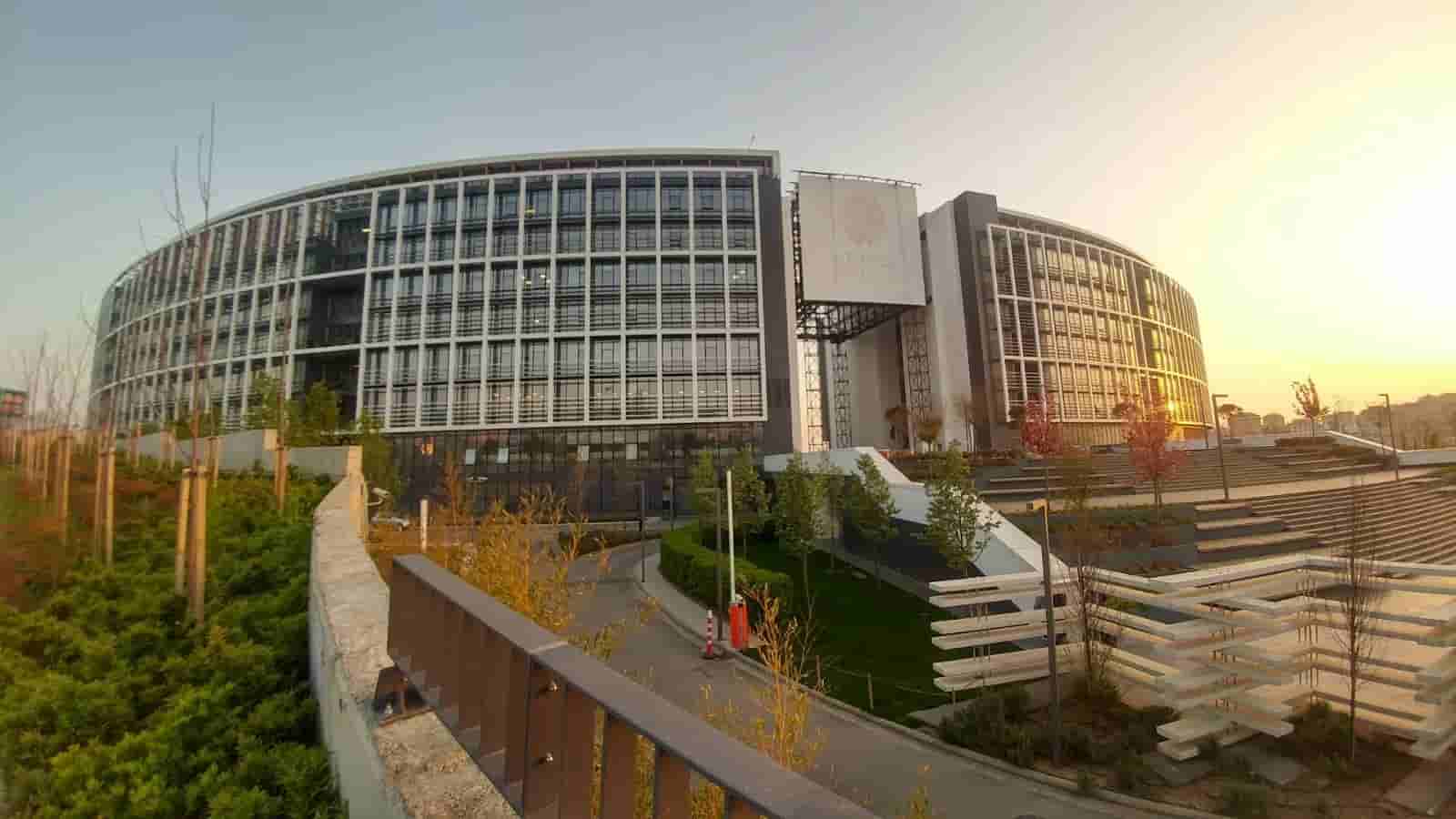 Dormitory
Istanbul, Turkey
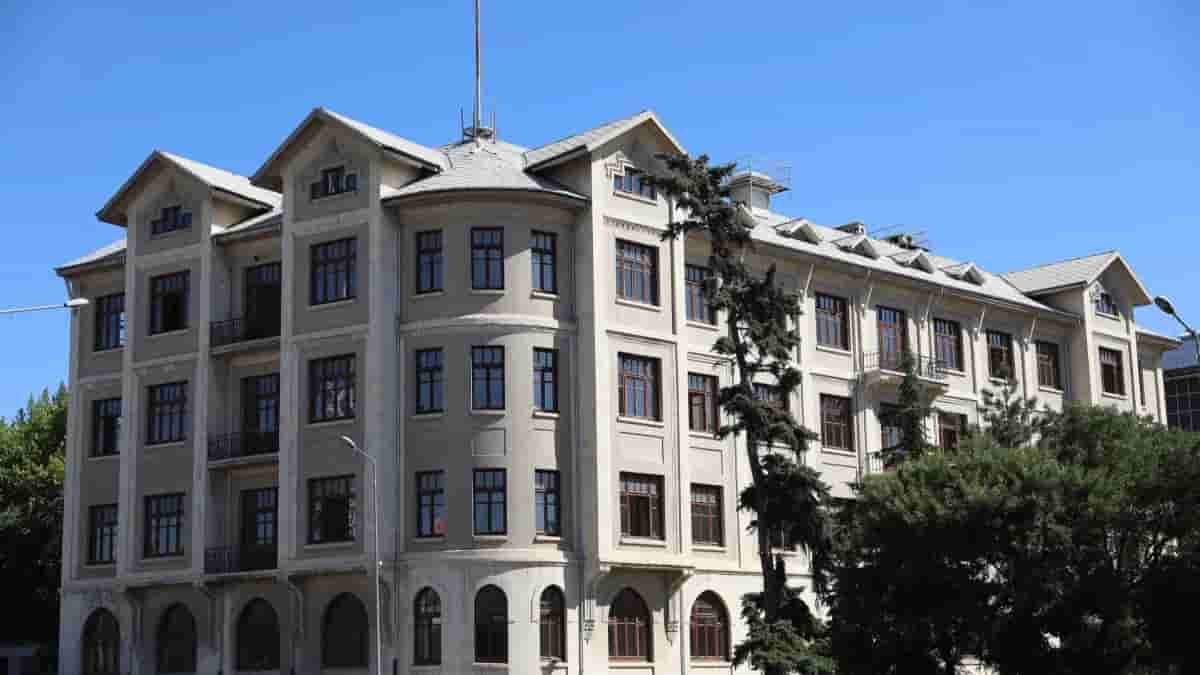 Dormitory
Ankara, Turkey
 Dormitory
Istanbul, Turkey
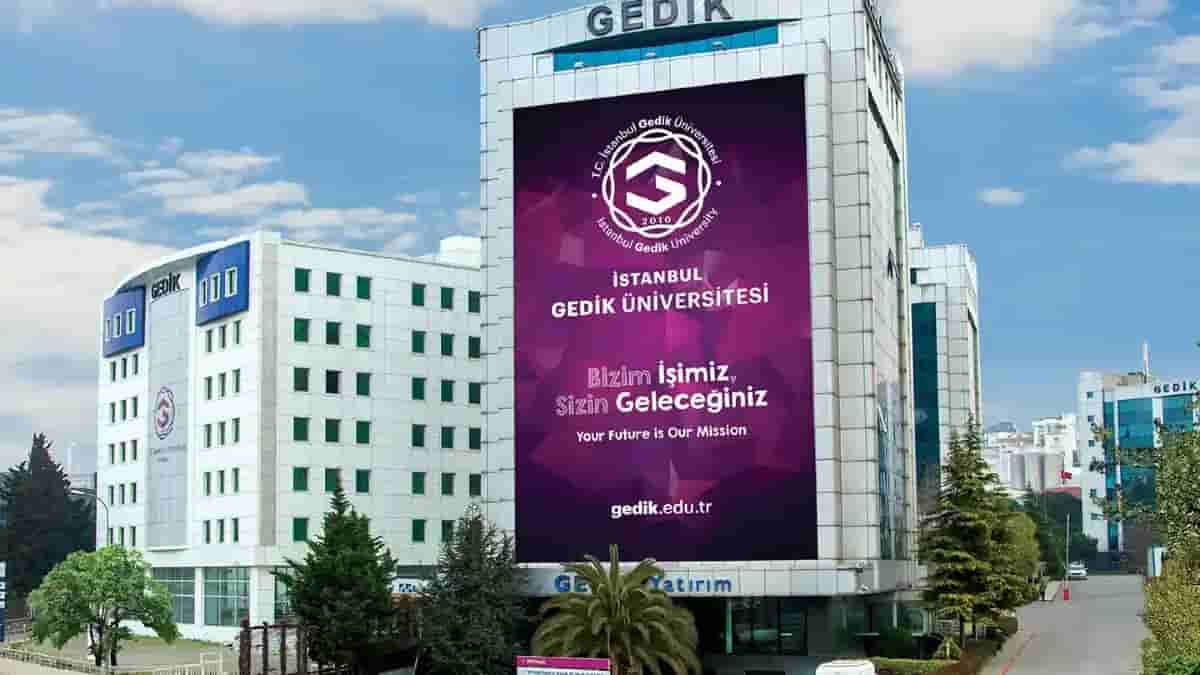 Dormitory
Istanbul, Turkey
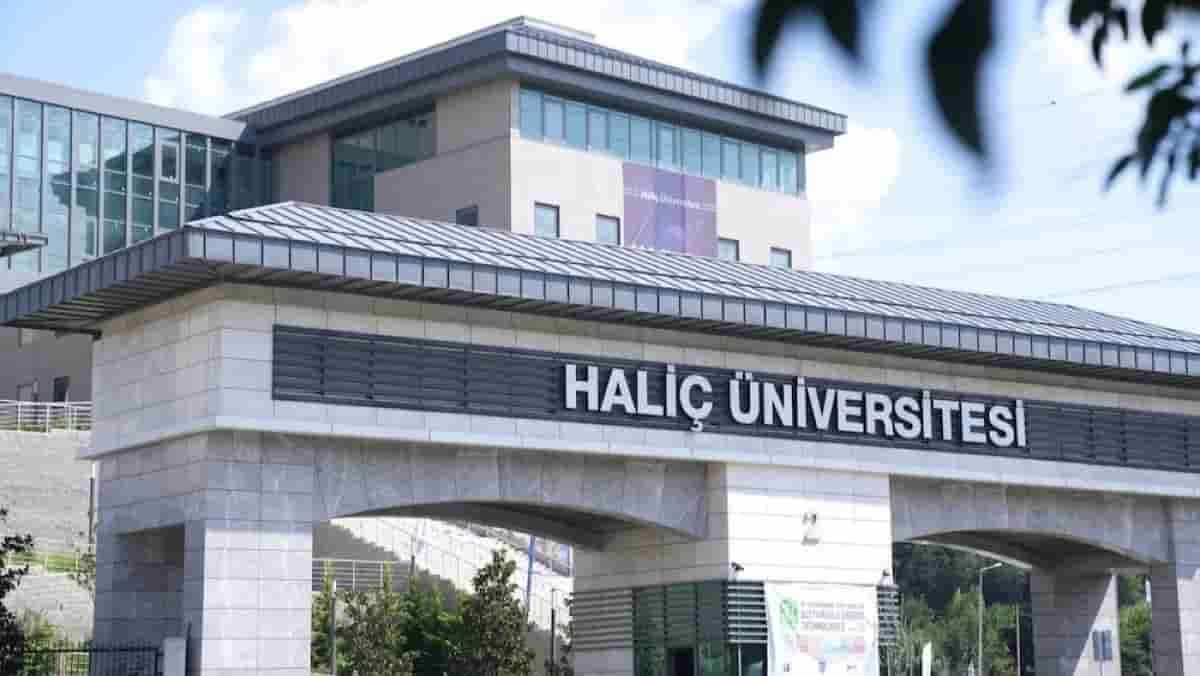 Dormitory
Istanbul, Turkey
 Dormitory
Istanbul, Turkey
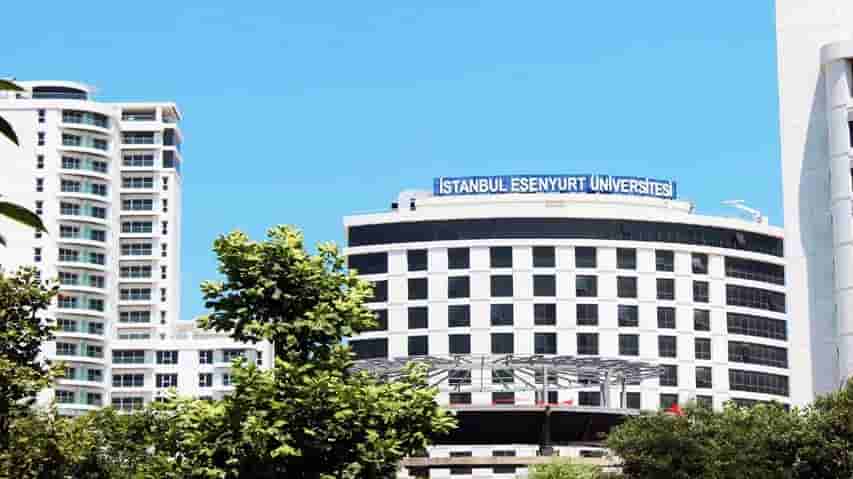 Dormitory
Istanbul, Turkey
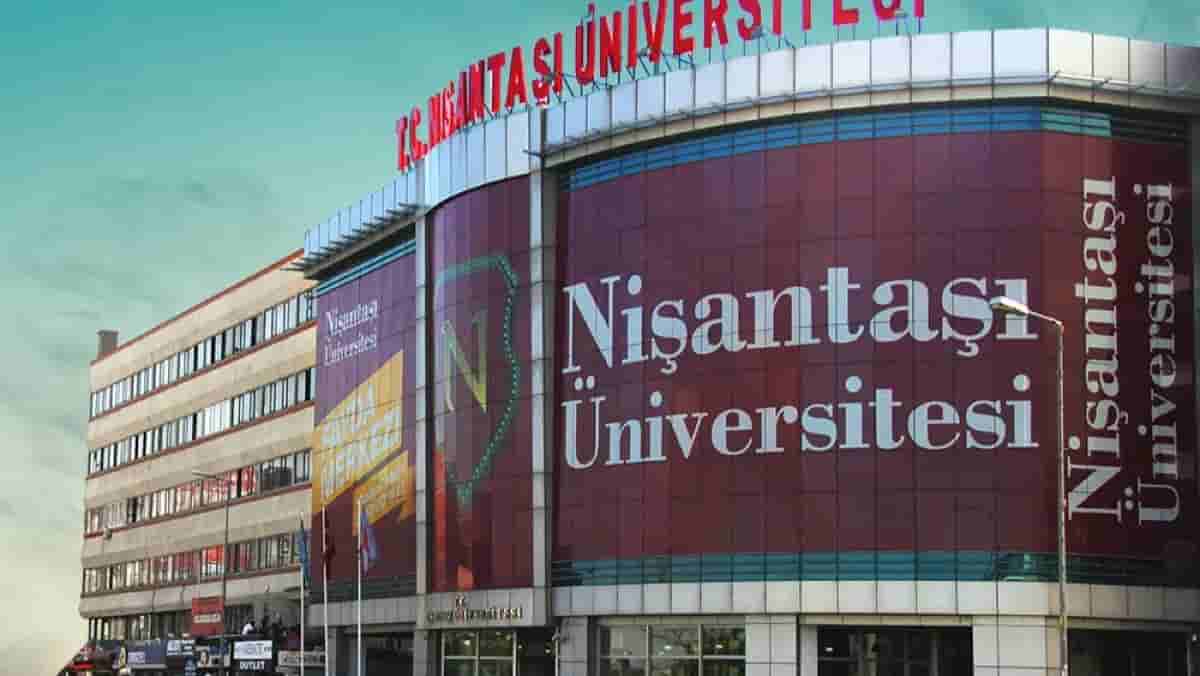 Dormitory
Istanbul, Turkey
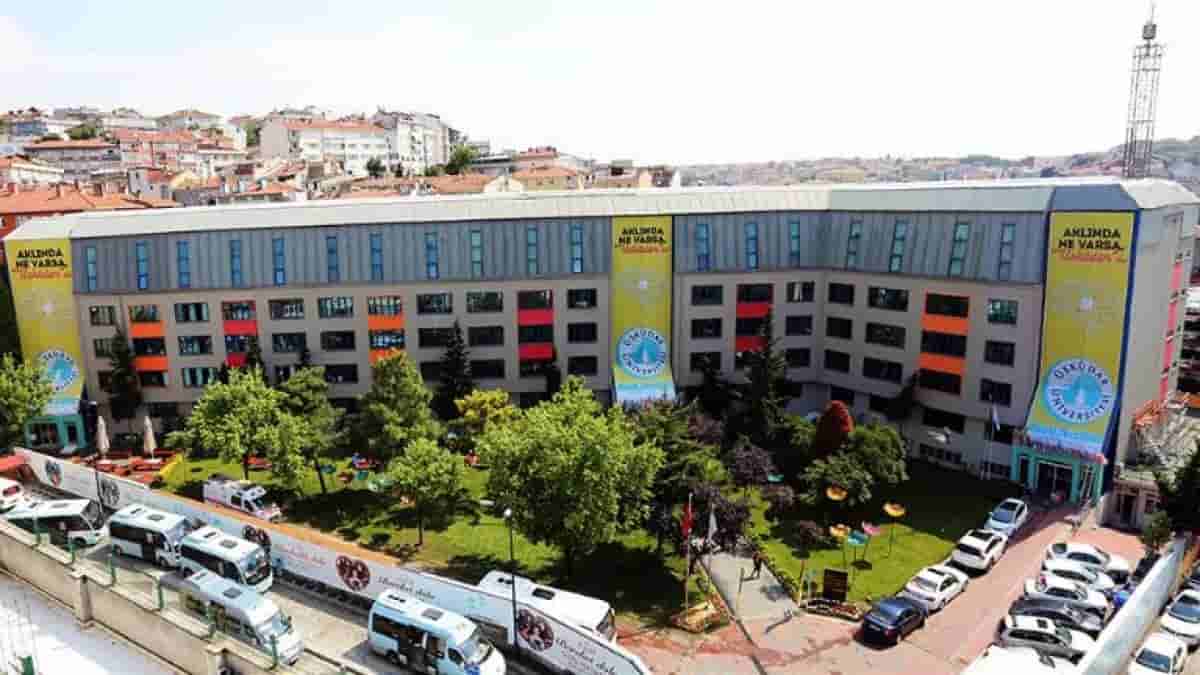 Dormitory
Istanbul, Turkey
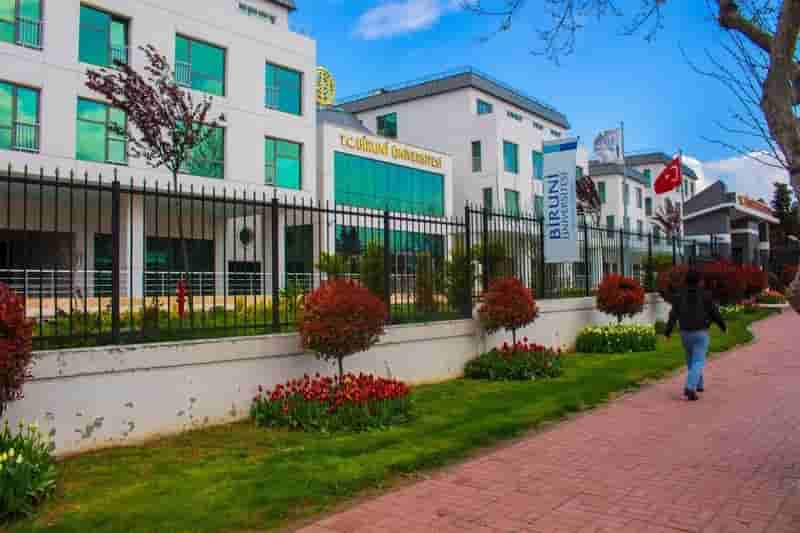 Dormitory
Istanbul, Turkey
 Dormitory
Istanbul, Turkey
 Dormitory
Istanbul, Turkey
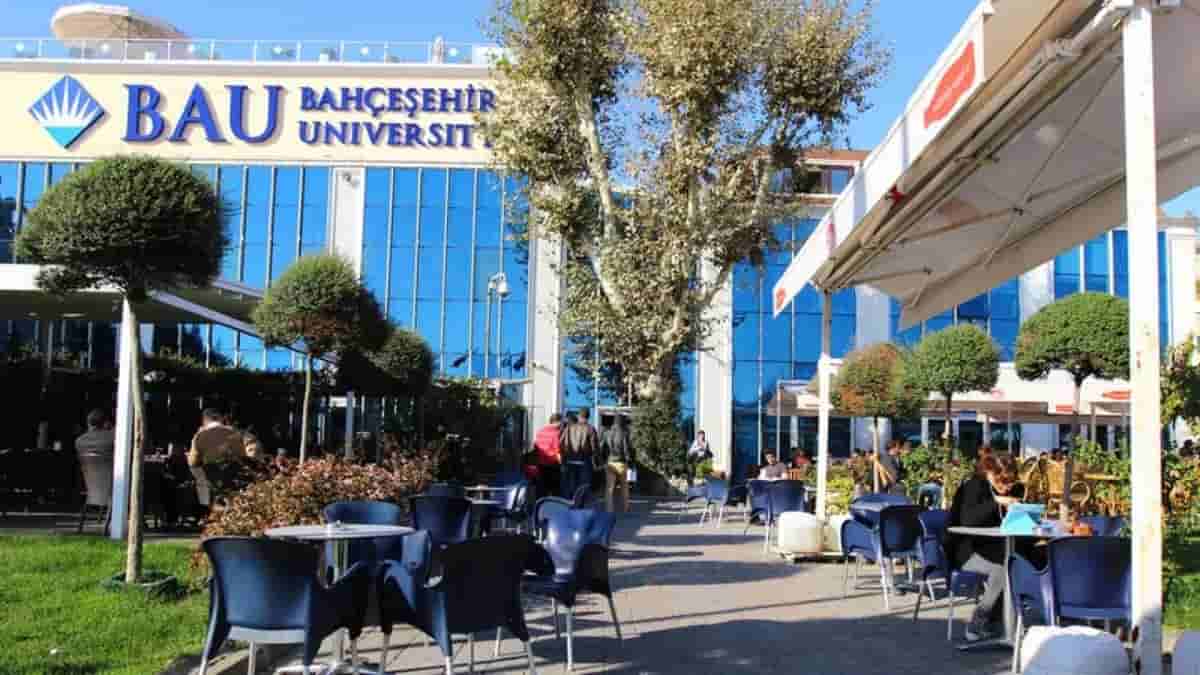 Dormitory
Istanbul, Turkey
 Dormitory
Istanbul, Turkey
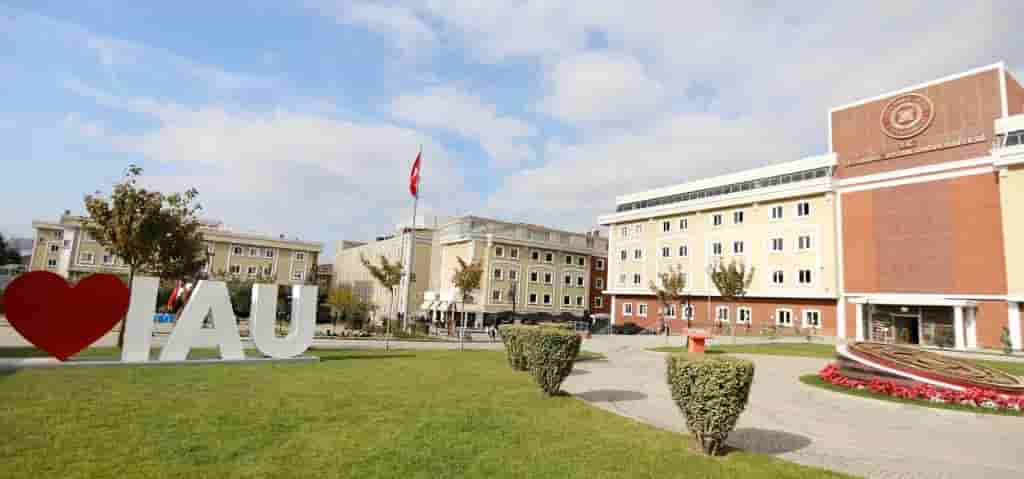 Dormitory
Istanbul, Turkey
 Dormitory
Istanbul, Turkey
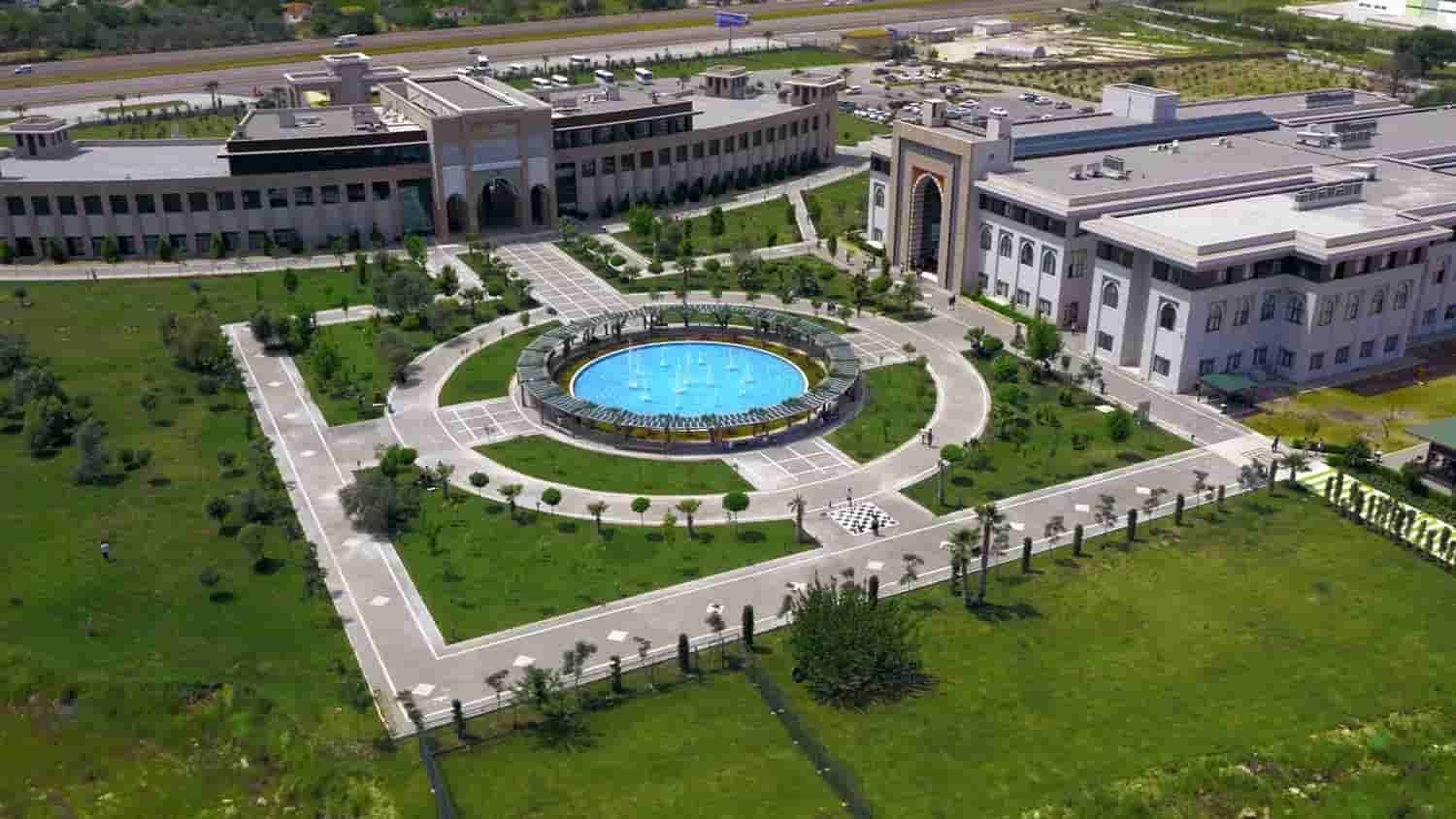 Dormitory
Antalya, Turkey
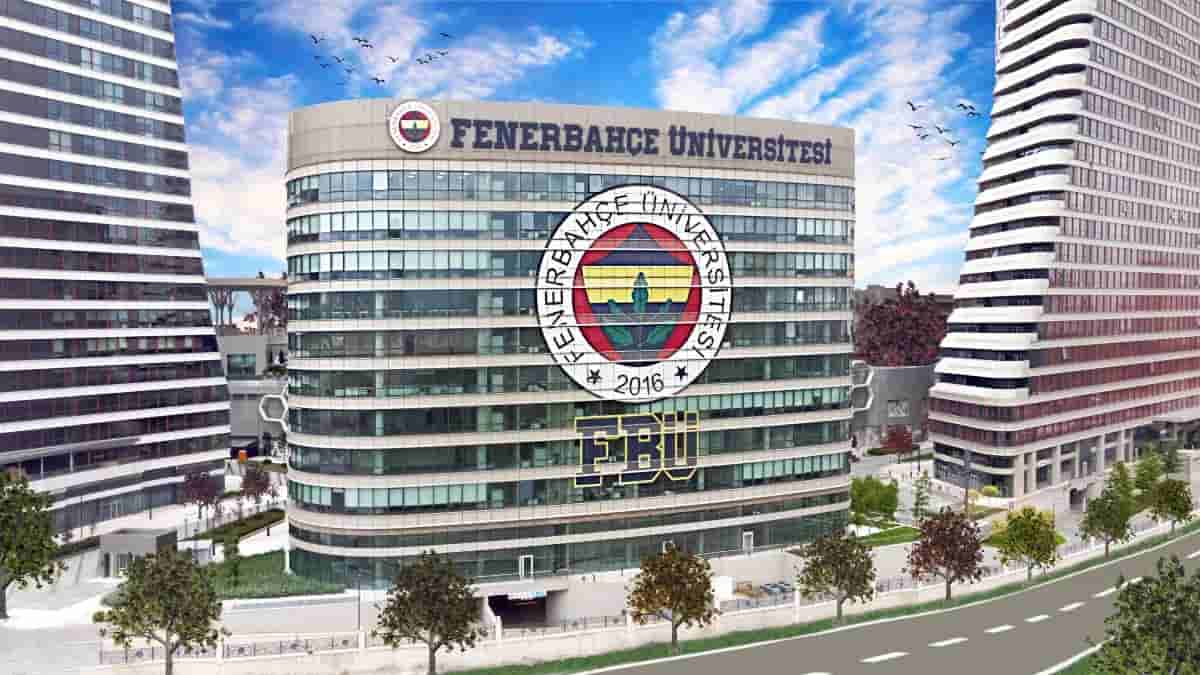 Dormitory
Istanbul, Turkey
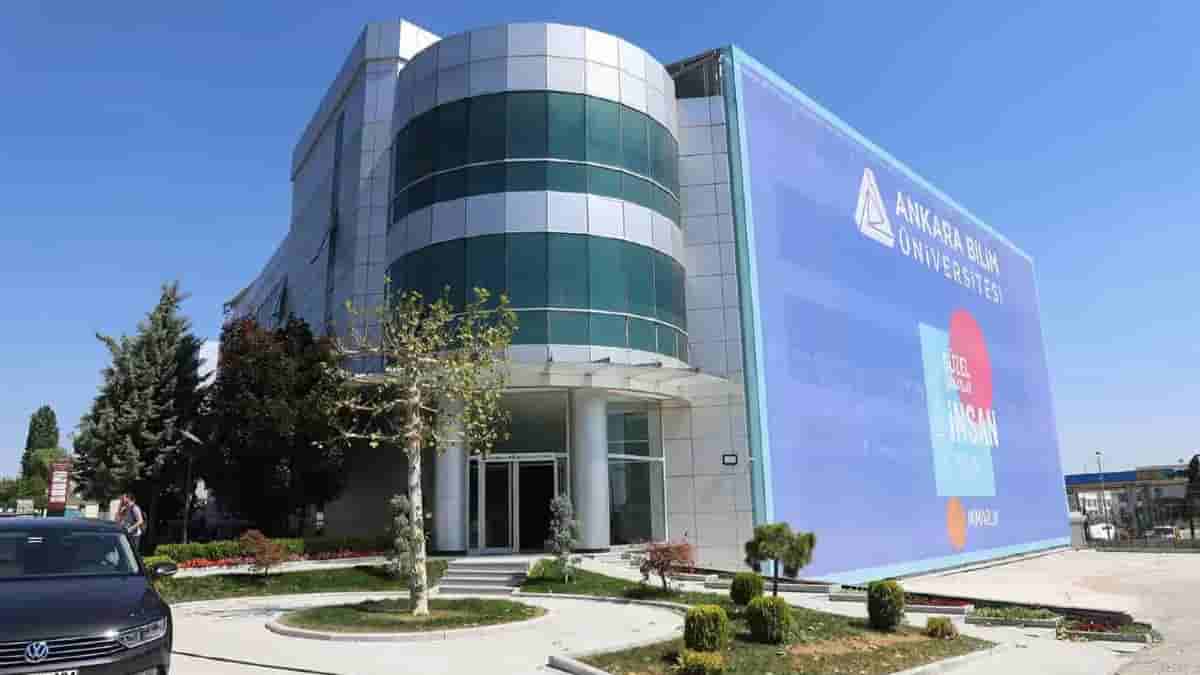 Dormitory
Ankara, Turkey
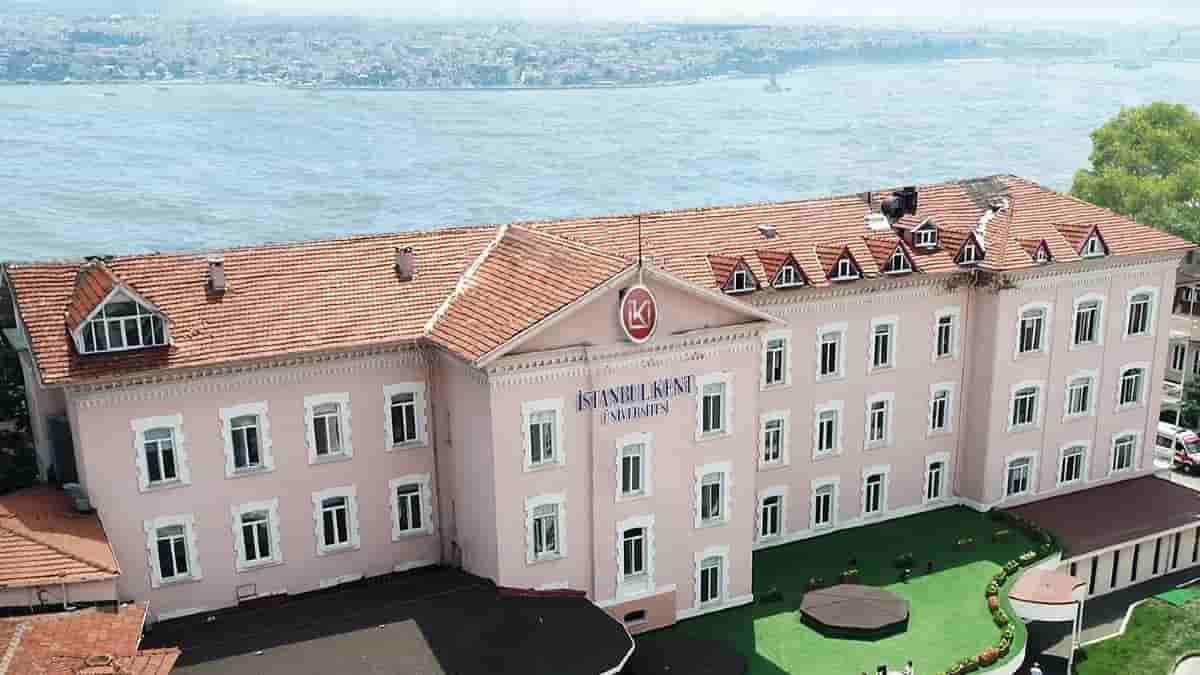 Dormitory
Istanbul, Turkey