
Agriculture Universities in Turkey: Programs,
Jan 22, 2026

Agriculture Universities in Turkey: Programs,

Turkey holds a strategic position in global agriculture due to its fertile lands, diverse climate zones, and long-established farming traditions. This agricultural strength has significantly influenced the development of higher education in agricultural sciences across the country. Universities in Turkey offer agriculture programs that combine scientific theory with extensive practical experience. Students are trained in areas such as crop production, animal sciences, food systems, and sustainable agriculture. The availability of research farms and experimental facilities enhances academic learning. Modern agricultural challenges, including sustainability and food security, are integrated into university curricula. These factors make agriculture education in Turkey both relevant and internationally competitive.

Private Universities and Modern Agricultural Studies

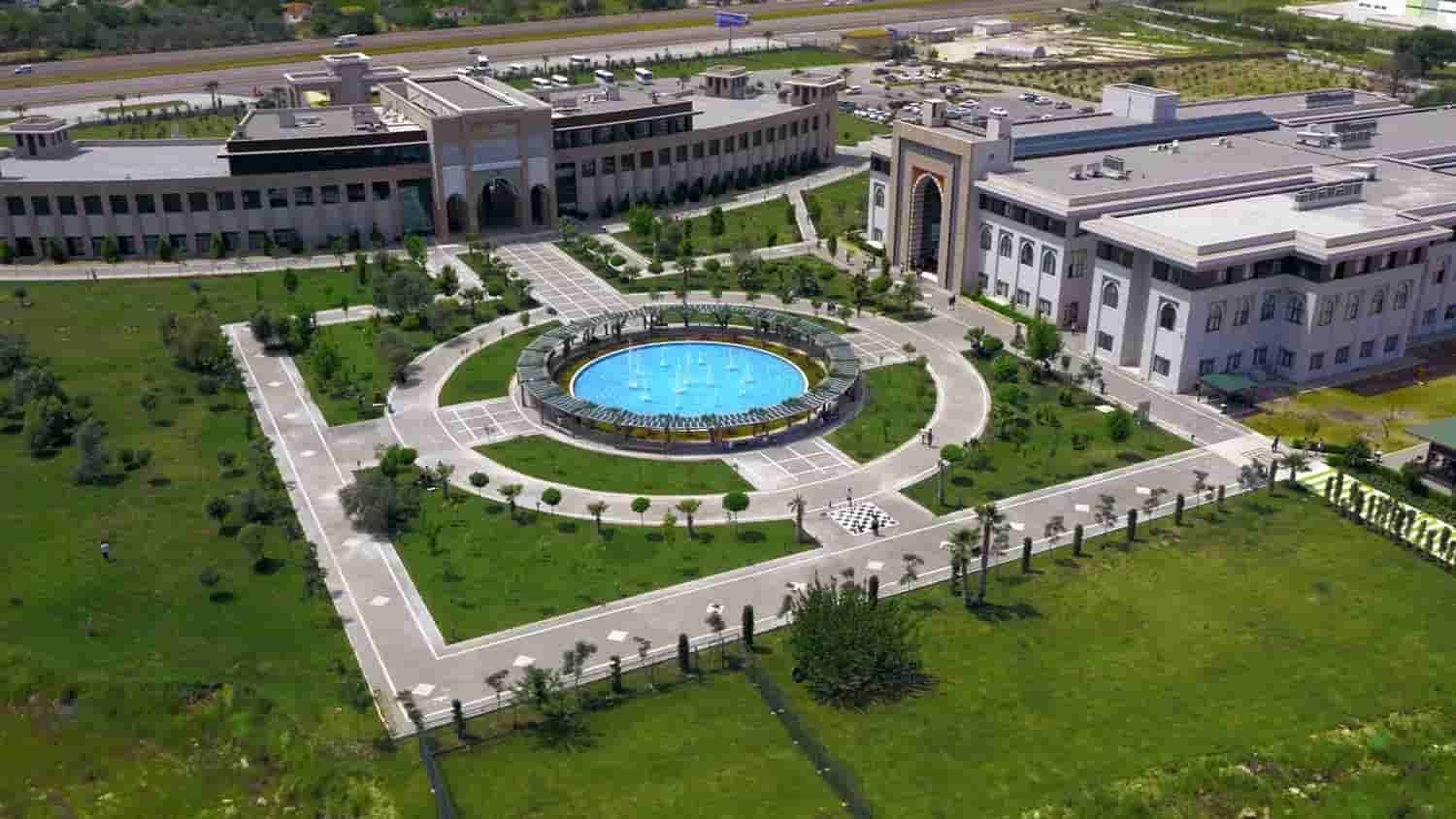
Private universities in Turkey play an increasingly important role in modern agricultural education. A leading example is Konya Food and Agriculture University, which is internationally recognized for its specialized focus on agriculture and food sciences. The university offers programs centered on plant production, agricultural engineering, food technologies, and sustainable farming practices. Its research-driven approach integrates innovation, modern laboratories, and applied agricultural studies. English-taught programs also attract international students.

In addition to Konya Food and Agriculture University, other private institutions offer agriculture-related programs within food science, biotechnology, and agricultural engineering. These universities emphasize modern agricultural technologies, data-driven farming, and sustainability. Smaller class sizes support individualized academic guidance. Industry collaboration and research-based learning are often central features. Private universities contribute to advancing modern agriculture education in Turkey through innovation-focused curricula.

🔗 Link to this section


🔄 Updated: Feb 4, 2026 17:24


Structure of Agricultural Education in Turkey

Agricultural education in Turkey is designed around an integrated academic framework that balances theoretical instruction with applied learning. Programs are usually offered through faculties or schools specializing in agriculture, food, and natural sciences. Core courses include plant sciences, soil management, animal production, agricultural economics, and mechanization. As students progress, they are introduced to specialized subjects aligned with their academic focus. This structured approach ensures gradual and comprehensive skill development.

Practical education is deeply embedded within the curriculum. Universities provide access to experimental farms, greenhouses, laboratories, and research plots. Students participate in seasonal agricultural activities and laboratory-based experiments. This exposure allows them to observe real agricultural cycles and challenges. The integration of applied training ensures that graduates possess both academic knowledge and operational competence. Such a structure supports effective transition into professional agricultural roles.

🔗 Link to this section

Scope of Agricultural Programs and Disciplines

Agriculture universities in Turkey offer a broad range of academic disciplines reflecting the complexity of modern agriculture. Students can specialize in plant production, animal sciences, soil science, irrigation systems, agricultural economics, and food technologies. Some programs also focus on rural development and agribusiness management. This diversity allows students to align their education with specific career interests. Programs are designed to address both local and global agricultural needs.

Curricula are regularly updated to reflect technological and scientific advancements. Emerging topics such as precision agriculture, climate-resilient farming, and sustainable food systems are increasingly included. Interdisciplinary approaches connect agriculture with environmental science and technology. Students develop analytical skills alongside technical expertise. This academic breadth prepares graduates for diverse roles within the agricultural sector.

🔗 Link to this section


🔄 Updated: Feb 4, 2026 17:24

Research, Innovation, and Sustainability in Agriculture

Research is a fundamental component of agriculture education in Turkey. Universities conduct scientific studies in areas such as crop improvement, soil fertility, irrigation efficiency, and animal health. Research outcomes contribute directly to agricultural productivity and sustainability. Many projects are designed to address climate change, resource management, and food security challenges. This research environment strengthens academic depth.

Sustainability is increasingly emphasized across agricultural programs. Students learn environmentally responsible farming practices and sustainable land use strategies. Universities promote efficient water use, renewable energy integration, and biodiversity conservation. Sustainable agriculture principles are incorporated into both theoretical and applied courses. This focus prepares students to address future agricultural challenges responsibly and effectively.

🔗 Link to this section

Practical Training and Field-Based Learning

Field-based learning is a defining feature of agriculture education in Turkey. Students spend considerable time in agricultural fields, research farms, and laboratories. Practical courses enable direct observation of plant growth, soil conditions, and animal management. Seasonal agricultural practices are often incorporated into coursework. This hands-on approach strengthens technical understanding.

Universities collaborate with agricultural enterprises, research centers, and food producers. Students participate in internships and applied projects that reflect real industry conditions. These experiences enhance problem-solving skills and professional awareness. Field-based learning bridges academic knowledge with practical application. Graduates enter the workforce with strong operational competence and confidence.

🔗 Link to this section

International Standards and Academic Recognition

Agriculture programs in Turkey are aligned with internationally recognized academic standards. Many universities structure their curricula to ensure compatibility with global education systems. This allows graduates to pursue further education or professional opportunities abroad. International accreditation and research collaboration enhance institutional credibility. Academic recognition extends beyond national borders.

Universities actively participate in international research networks and academic exchanges. Joint projects and conferences expose students to global agricultural trends. Faculty members contribute to international scientific publications. Students benefit from global perspectives in agriculture and food systems. This international engagement strengthens the academic reputation of agriculture education in Turkey.

🔗 Link to this section

Career Pathways for Agriculture Graduates

Graduates of agriculture universities in Turkey have access to diverse career opportunities. Employment options include crop production, animal farming, agribusiness management, food processing, and agricultural consultancy. Public sector roles exist in agricultural research institutions and regulatory bodies. Private sector opportunities continue to grow with advancements in agritech. This diversity supports long-term career flexibility.

Some graduates pursue academic and research careers through postgraduate education. Others focus on entrepreneurship and farm management. Strong practical training supports business development in agriculture. Agricultural education also contributes to rural development and sustainability initiatives. Career pathways are closely linked to national and global agricultural priorities.

🔗 Link to this section

Academic Guidance Through StudyLeo

Selecting the right agriculture university requires clear and reliable academic information. StudyLeo supports students by providing structured guidance on agriculture programs in Turkey. Students can explore universities, program content, and academic pathways with clarity. All guidance is offered with no service fee, ensuring equal access to educational support.

StudyLeo emphasizes transparency and student-centered guidance. The platform helps students understand practical training opportunities, research focus, and career outcomes. This support simplifies academic decision-making. Students gain confidence in planning their educational journey. StudyLeo serves as a trusted academic companion throughout the exploration process.

🔗 Link to this section

Agriculture universities in Turkey provide a strong academic foundation supported by practical experience and research-driven education. The country’s agricultural diversity enhances learning through real-world application. Private universities, especially those focused on food and agriculture sciences, contribute to modern educational approaches. Sustainability and innovation remain central to agricultural curricula. Students gain skills that address current and future agricultural challenges. With accurate guidance through StudyLeo at no service fee, exploring agriculture education in Turkey becomes accessible and informed. This academic pathway continues to support global food systems and sustainable development.

FAQs

Frequently Asked Questions and Answers

Do you like this article? Share this article

Blogs

Look out blogs and aware of the latest trends and updates

Popular Universities

Explore top universities offering quality education, modern facilities, and diverse academic opportunities for students worldwide