


FAQs
Frequently Asked Questions and Answers

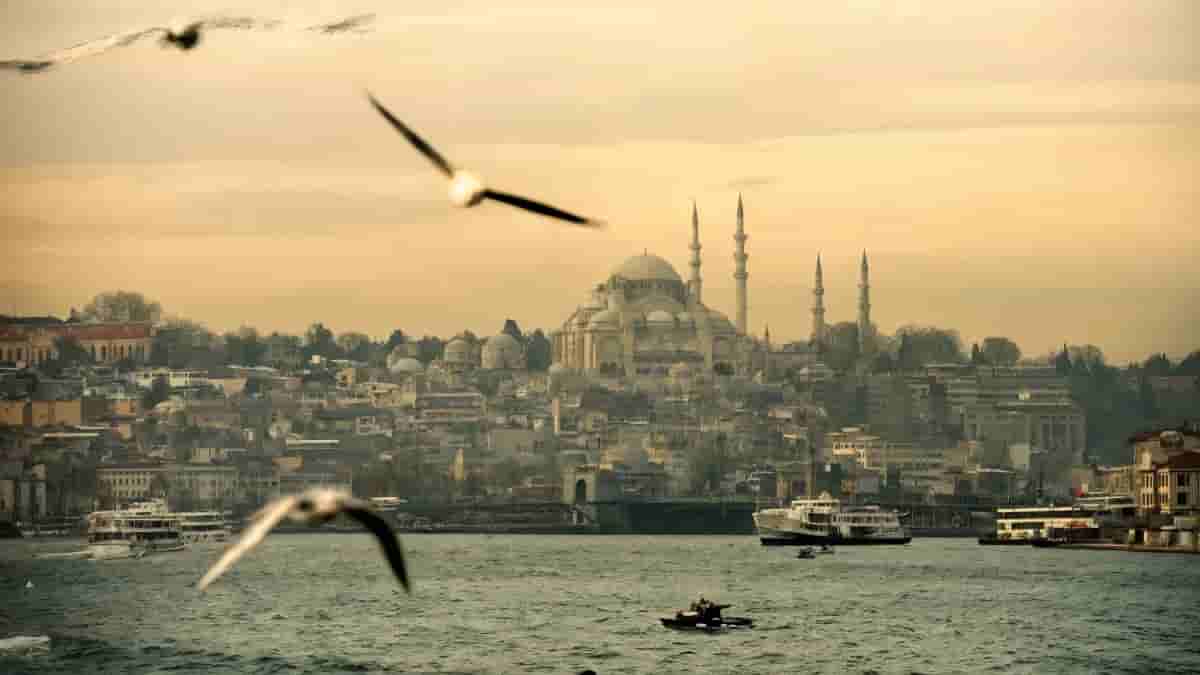
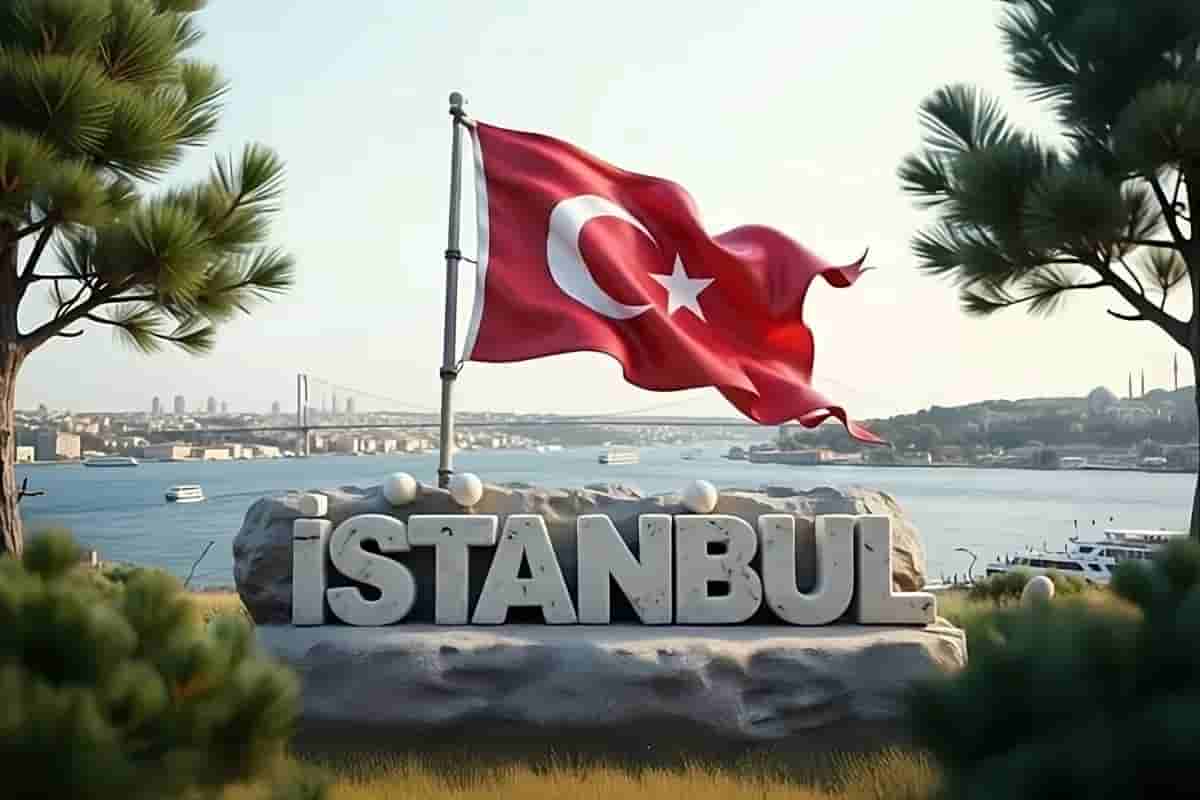
Istanbul stands at the crossroads of Europe and Asia, offering a vibrant cultural mosaic and a dynamic academic environment. For international students drawn to the field of medicine, the city’s universities provide modern facilities, globally recognized curricula, and instruction in English. These institutions combine rigorous scientific training with hands-on clinical experience, often affiliated with large teaching hospitals. With a growing reputation for excellence in medical education, Istanbul’s has become an attractive destination for aspiring doctors from around the world. The cosmopolitan atmosphere, historical richness, and strategic location further enhance the student experience. Many of these universities emphasize research, innovation, and patient-centered learning from the earliest years of study. International students benefit from dedicated support services, including orientation programs, housing assistance, and academic advising. Choosing to study medicine in Istanbul means joining a forward-looking academic community that values both tradition and progress.
Admission to medical universities in Istanbul is competitive but transparent, with a focus on academic merit and documentation. International applicants must submit official copies of their high school diploma and transcript, demonstrating strong performance in science subjects such as biology, chemistry, and physics. A valid passport and recent photograph are also required. While some universities may consider standardized test scores like SAT or ACT, many base admission primarily on the applicant’s secondary school record. Proficiency in English is essential, typically verified through TOEFL or IELTS scores, though some institutions offer conditional admission with preparatory English courses. For graduate-level medical programs, such as specialization or research-based degrees, the requirements shift toward prior university credentials. Master’s applicants need a bachelor’s diploma and transcript in a relevant field, along with a graduation certificate and passport. PhD candidates must provide documentation from both bachelor’s and master’s studies, including diplomas, transcripts, and proof of graduation. All documents must be officially translated into English or Turkish and notarized where necessary.

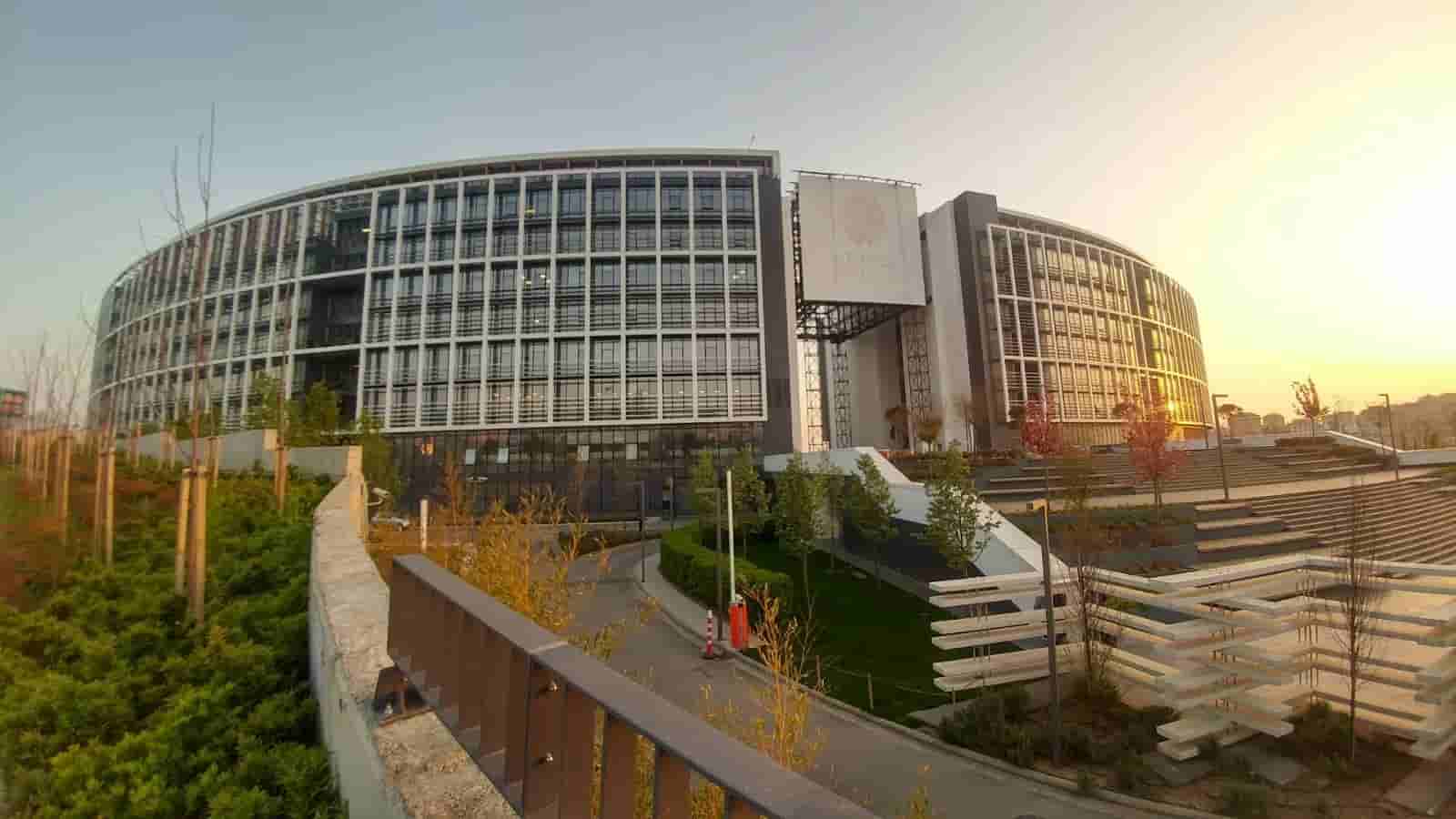
Among Istanbul’s leading institutions, Koç University School of Medicine stands out for its research-intensive curriculum and strong emphasis on evidence-based practice. Located on a state-of-the-art campus in Rumelifeneri, it integrates basic sciences with clinical training from the first year and maintains affiliations with major hospitals, including the American Hospital and Koç University Hospital. Similarly, Istanbul Medipol University offers a six-year MD program taught in English, featuring early clinical exposure and a curriculum aligned with European and North American standards. Its integrated hospital complex on campus provides students with immediate access to real patient care environments, enhancing practical learning from the outset.
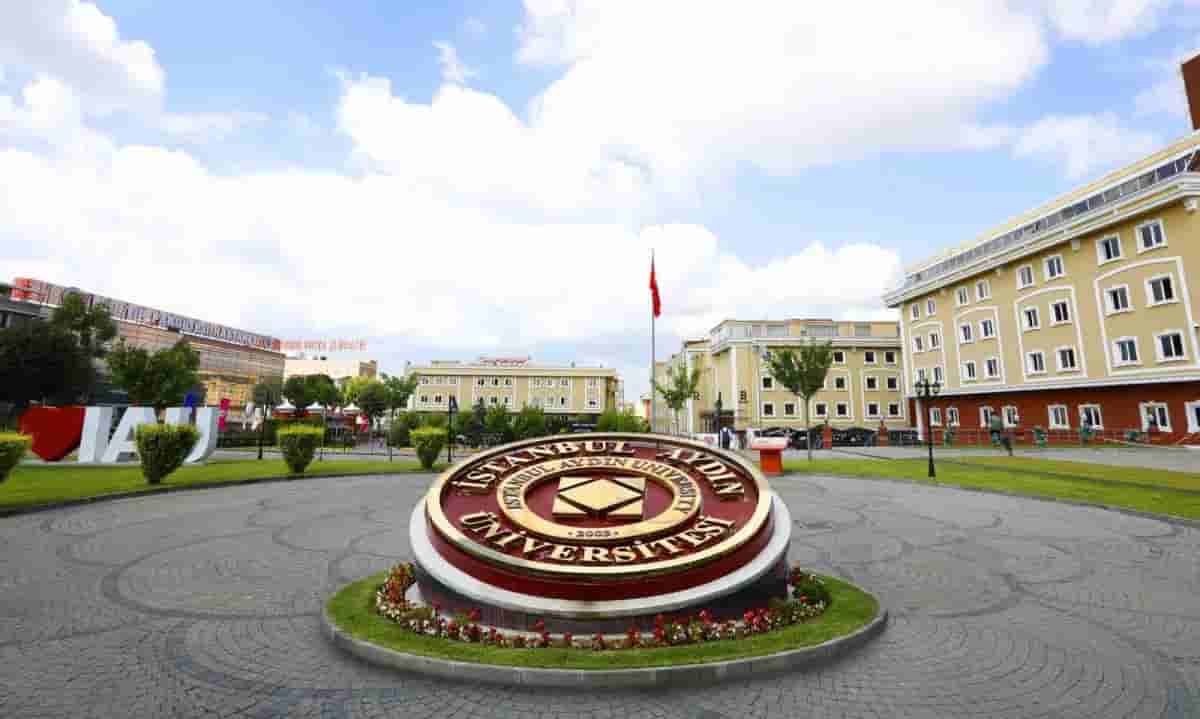
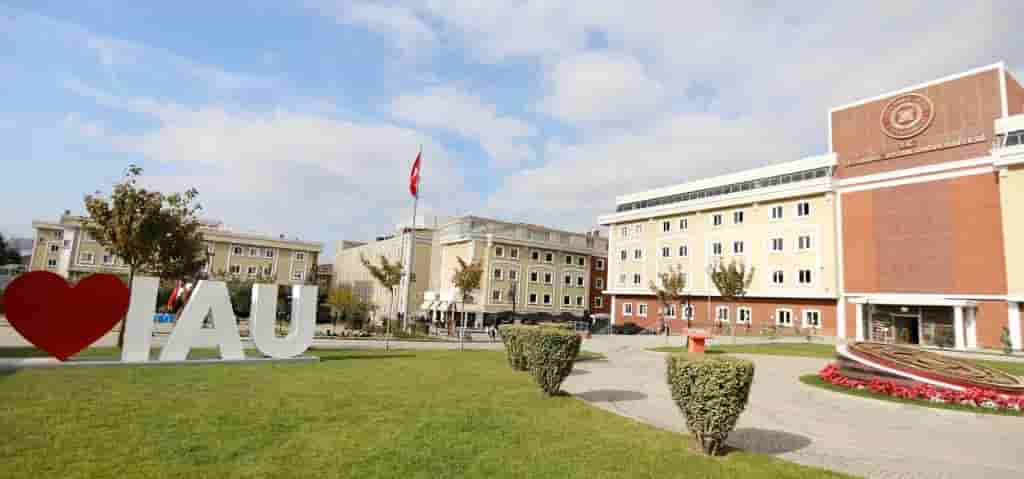
Other notable institutions include Istanbul Aydın University and Yeditepe University, both of which have invested significantly in medical education infrastructure. Yeditepe University’s Faculty of Medicine, for instance, operates within a large university hospital and emphasizes interdisciplinary collaboration and digital health technologies. Istanbul Bilgi University, while newer to medical education, partners with established healthcare providers to deliver robust clinical training. All these universities maintain accreditation from the Turkish Council of Higher Education (YÖK) and design their programs to meet international benchmarks. Their commitment to quality ensures that graduates are well-prepared for postgraduate training and licensure worldwide.

All medical universities in Istanbul that cater to international students deliver their MD programs entirely in English. This policy ensures that students from diverse linguistic backgrounds can fully participate in lectures, laboratory work, and clinical discussions without language barriers. Faculty members are proficient in English, and course materials—from textbooks to digital resources—are provided in English as well. From the first year, students engage with medical terminology, case studies, and research literature in English, preparing them for global medical practice and postgraduate examinations. To support non-native speakers, most universities offer intensive English preparatory programs before the start of the medical curriculum. These foundation courses focus on academic English, scientific writing, and communication skills essential for clinical settings. Throughout the program, academic support centers provide tutoring, writing workshops, and study skills guidance. Some institutions also run peer mentoring programs, pairing new international students with senior peers to ease academic and social transition.
Clinical training is a cornerstone of medical education in Istanbul’s universities, and these institutions prioritize early and sustained patient contact. From the third year onward, students rotate through affiliated teaching hospitals, gaining hands-on experience in internal medicine, surgery, pediatrics, obstetrics, psychiatry, and other core specialties. Many universities operate their own university hospitals, such as Medipol Mega University Hospital or Koç University Hospital, which serve as primary training sites. These facilities are equipped with advanced diagnostic tools, intensive care units, and multidisciplinary teams, offering students exposure to a wide spectrum of medical conditions. In addition to on-campus hospitals, partnerships with private and public healthcare networks expand clinical opportunities. Students may complete rotations in specialized centers for cardiology, oncology, or neurology, broadening their clinical perspective. Supervision by experienced physicians ensures that learners develop both technical skills and professional attitudes. International students often find these clinical years particularly valuable, as they learn to navigate diverse patient interactions and complex healthcare environments. The integration of theoretical knowledge with real-world practice prepares graduates to meet the demands of residency programs worldwide.
Life as an international medical student in Istanbul is enriched by the city’s unique blend of history, culture, and modernity. Universities provide comprehensive support services to help students adjust academically and socially. Dedicated international offices assist with visa processes, residence permits, and orientation programs. On-campus facilities include libraries, cafeterias, sports centers, and prayer rooms, catering to diverse needs. Student clubs—ranging from medical societies to cultural associations, offer opportunities for networking, leadership, and relaxation outside the demanding medical curriculum. Housing is another key area of support. Most universities offer on-campus dormitories or help students secure safe, affordable off-campus accommodations. Transportation within Istanbul is efficient, with metro, bus, and ferry systems connecting campuses to residential areas and hospitals. Mental health services, academic counseling, and career advising are also readily available, recognizing the intense pressures of medical training. For international students, this holistic support system fosters a sense of belonging and well-being, enabling them to thrive both inside and outside the classroom.

Graduates of medical universities in Istanbul are well-positioned for diverse career paths in global healthcare. Their degrees, recognized by international medical directories and compliant with WFME standards, open doors to residency programs in the U.S., Canada, the UK, Germany, and beyond. Many alumni successfully pass licensing exams such as the USMLE Step 1 and 2, thanks to curricula designed with these assessments in mind. Others pursue postgraduate studies or research careers, supported by the strong scientific foundation built during their undergraduate years.
Within Turkey, graduates can apply for the national medical licensing exam (TUS) to enter specialty training, though language proficiency in Turkish is required for clinical practice. For those returning to their home countries, the internationally oriented education facilitates credential evaluation and licensure processes. Alumni networks and university career centers continue to provide guidance on residency applications, CV preparation, and interview coaching. The combination of rigorous academics, clinical exposure, and global recognition ensures that Istanbul-trained physicians are competitive and adaptable in an evolving medical landscape.
Studying medicine in Istanbul’s private universities offers more than just a degree—it provides a transformative educational journey at the intersection of continents and cultures. These institutions blend academic rigor with modern facilities, global perspectives, and compassionate care. International students gain not only medical knowledge but also intercultural competence and resilience. The city itself becomes a classroom, where ancient heritage meets contemporary innovation. With structured support from enrollment through graduation, students are empowered to achieve their professional dreams. Choosing Istanbul means embracing a future where medical excellence knows no borders. Through platforms like StudyLeo, accessing this opportunity is seamless and free of hidden costs. The path to becoming a global physician begins here, in one of the world’s most inspiring cities.
Frequently Asked Questions and Answers
Look out blogs and aware of the latest trends and updates
Explore top universities offering quality education, modern facilities, and diverse academic opportunities for students worldwide




 Dormitory
Istanbul, Turkey
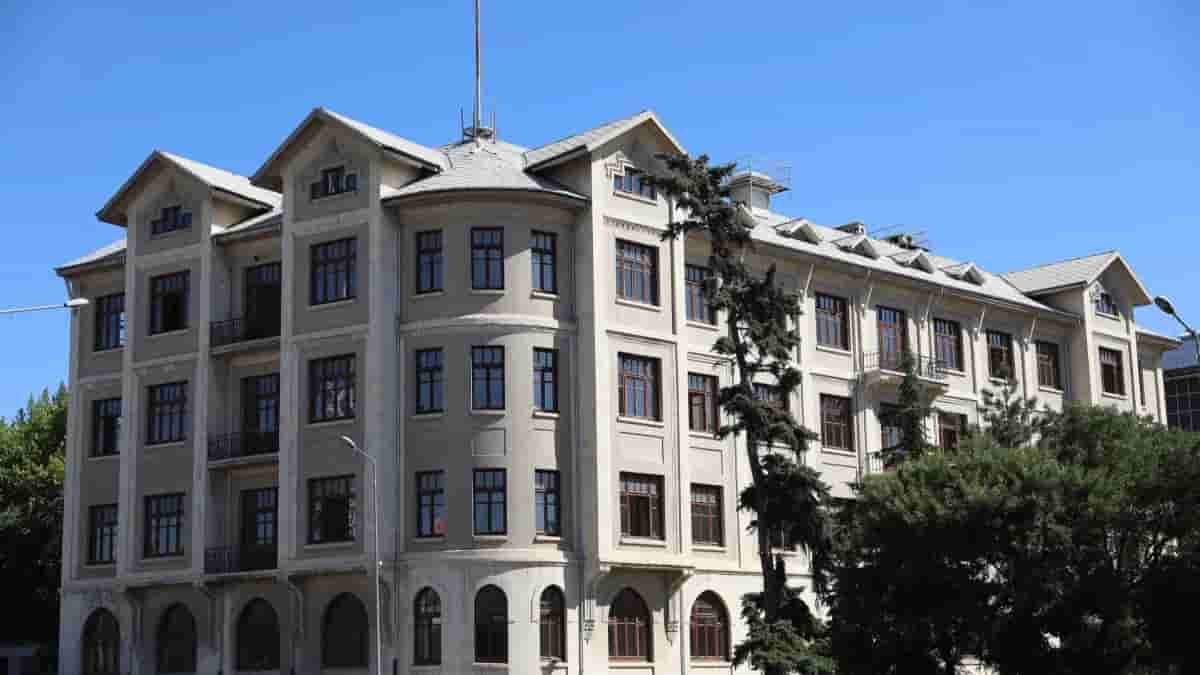 Dormitory
Ankara, Turkey
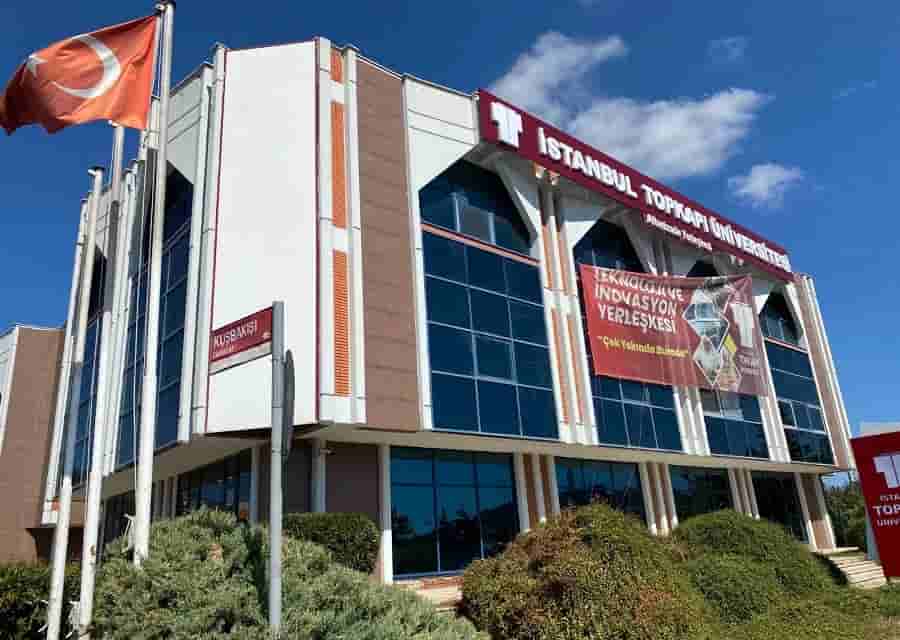 Dormitory
Istanbul, Turkey
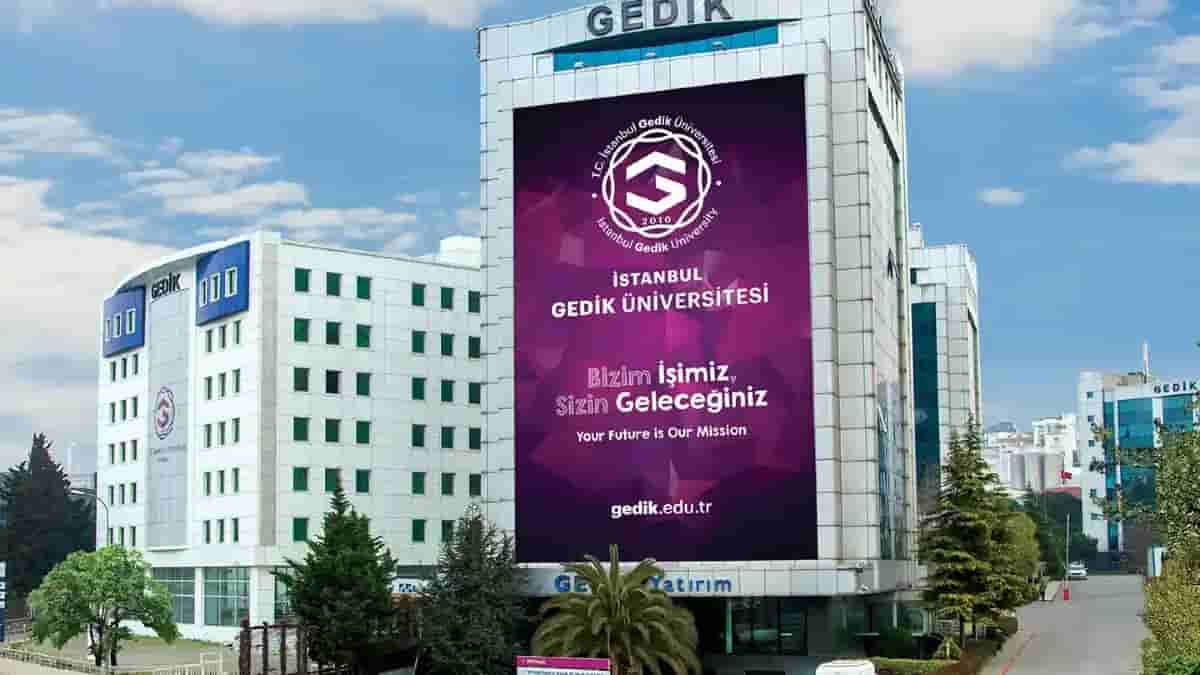 Dormitory
Istanbul, Turkey
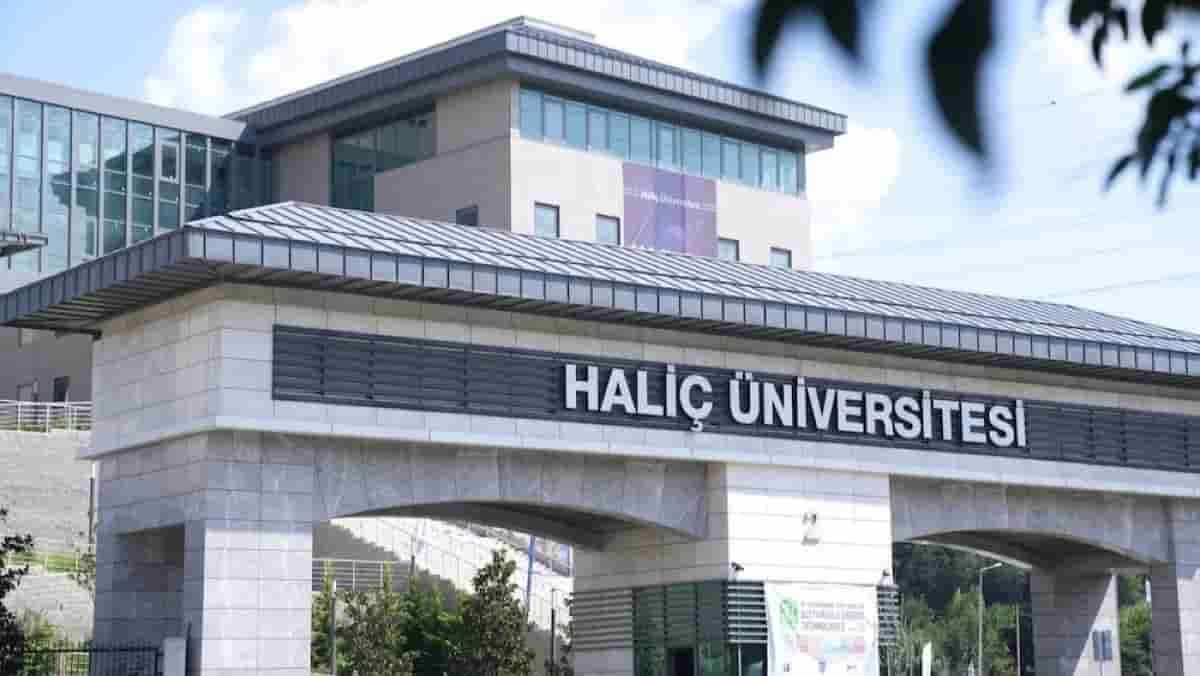 Dormitory
Istanbul, Turkey
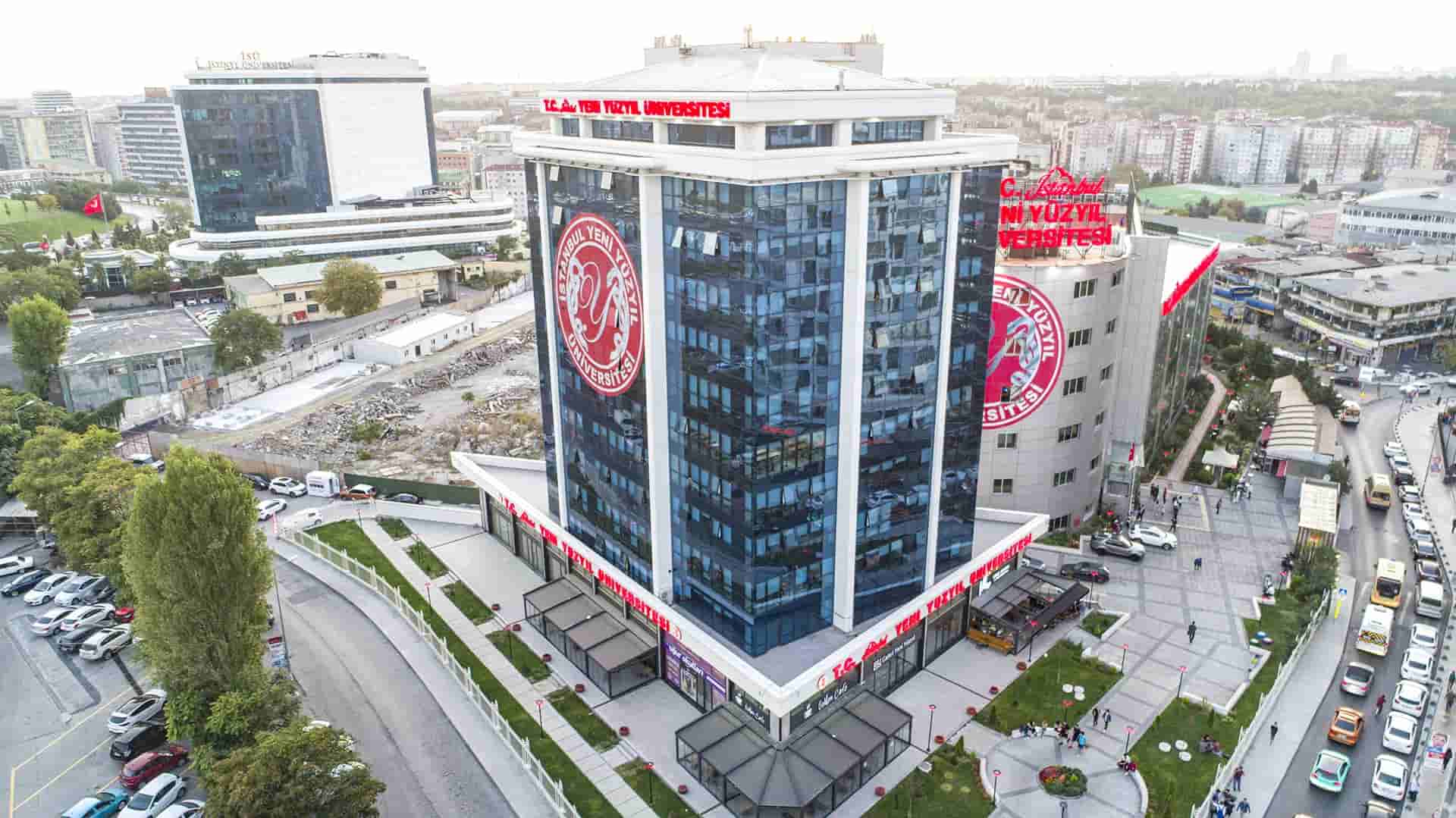 Dormitory
Istanbul, Turkey
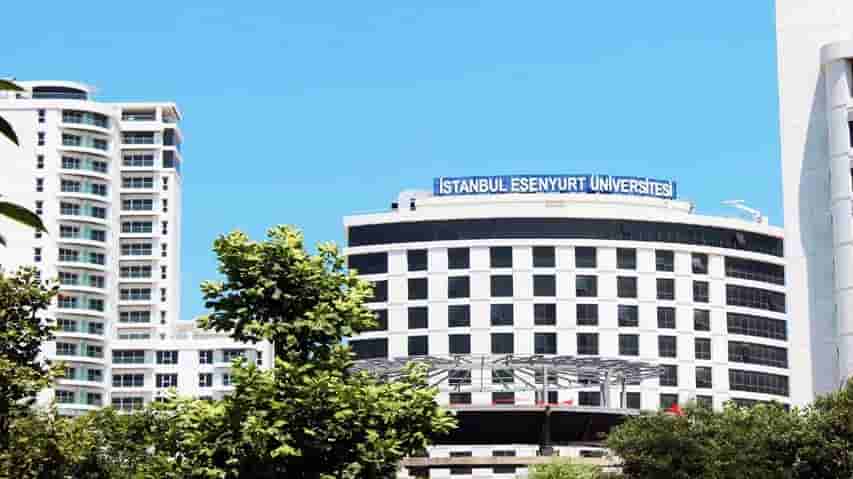 Dormitory
Istanbul, Turkey
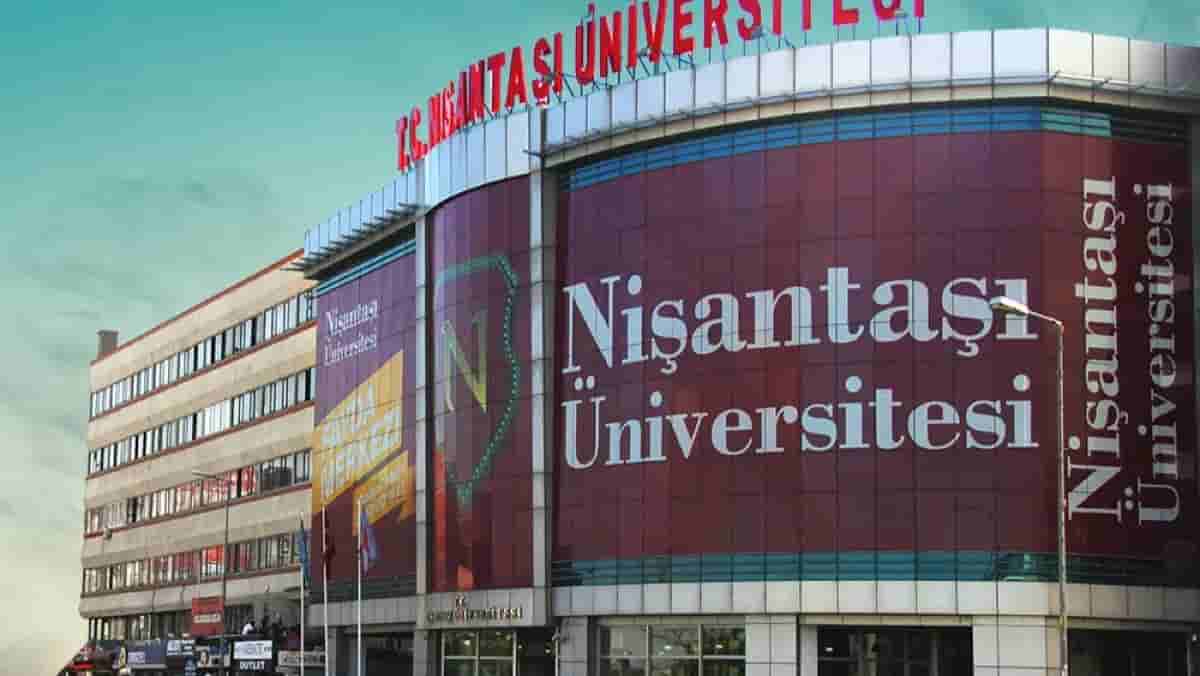 Dormitory
Istanbul, Turkey
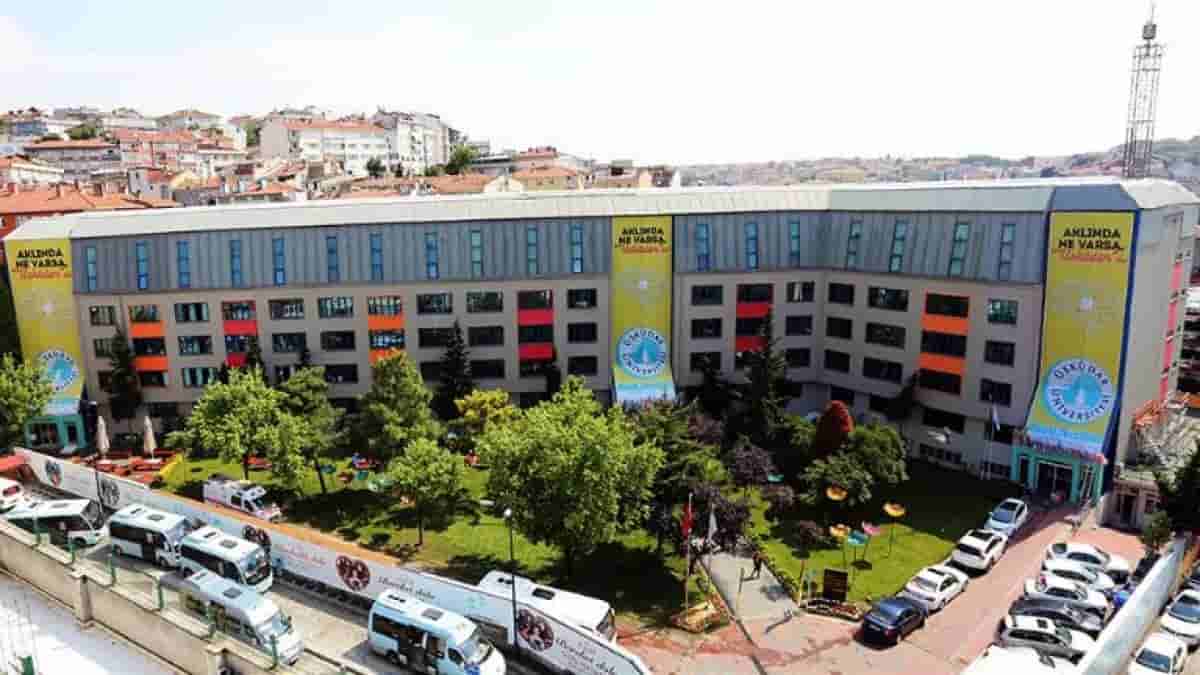 Dormitory
Istanbul, Turkey
 Dormitory
Istanbul, Turkey
 Dormitory
Istanbul, Turkey
 Dormitory
Istanbul, Turkey
 Dormitory
Istanbul, Turkey
 Dormitory
Istanbul, Turkey
 Dormitory
Istanbul, Turkey
 Dormitory
Istanbul, Turkey
 Dormitory
Antalya, Turkey
 Dormitory
Istanbul, Turkey
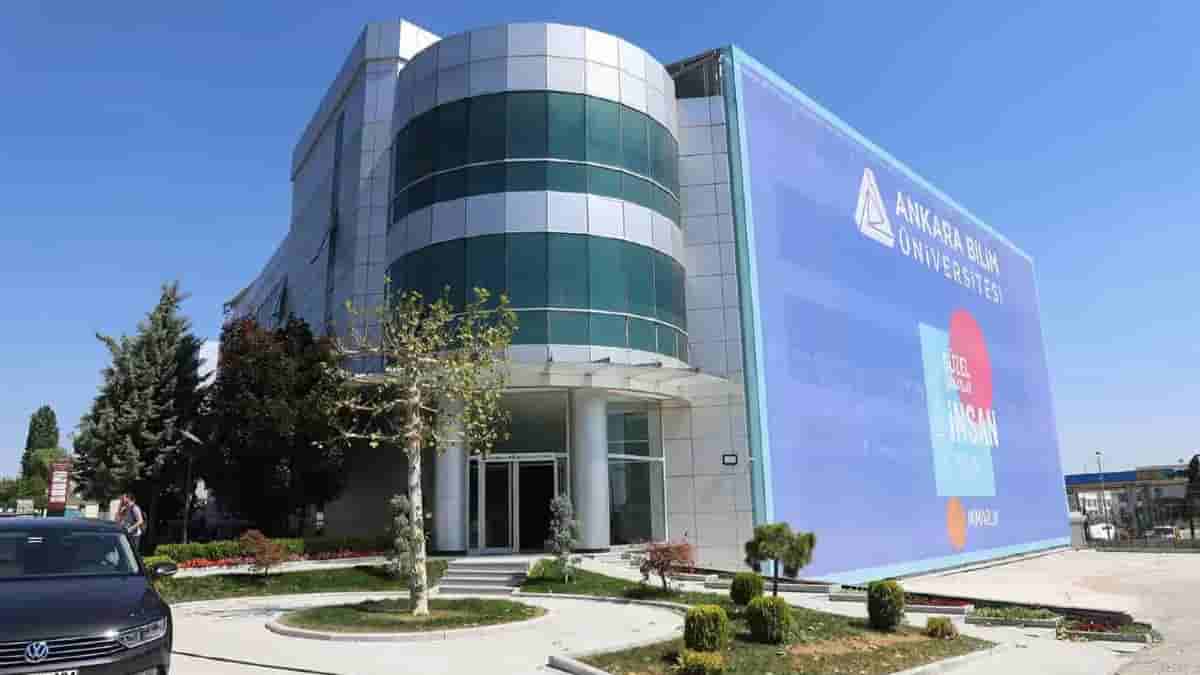 Dormitory
Ankara, Turkey
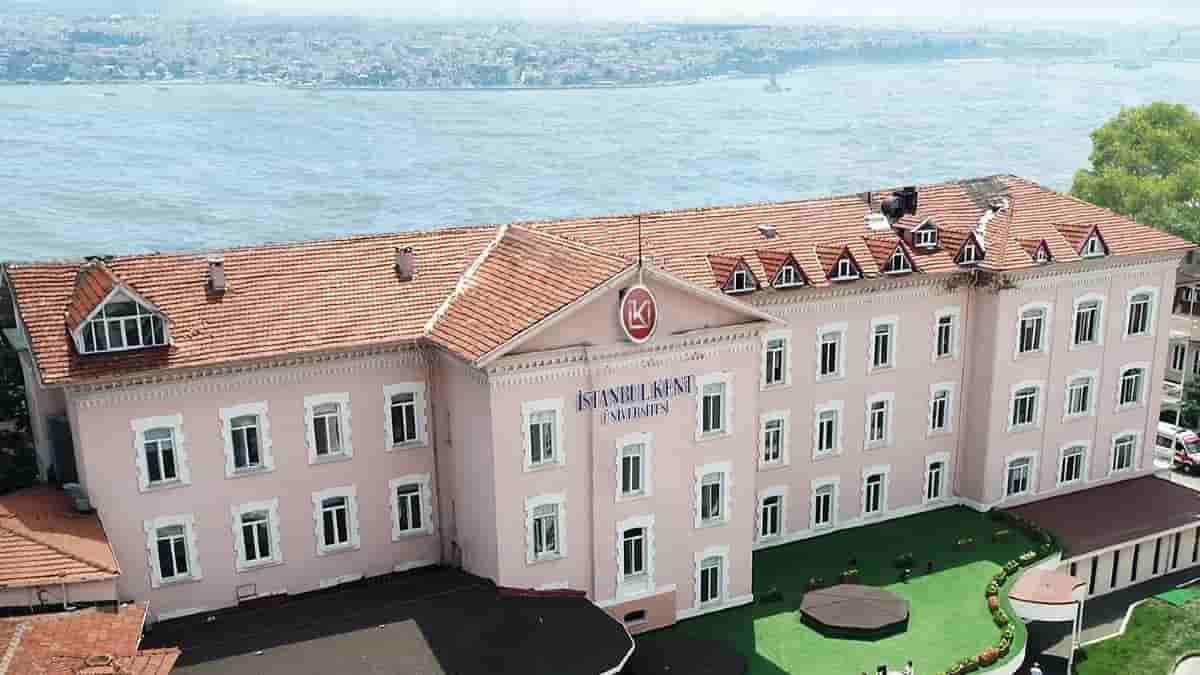 Dormitory
Istanbul, Turkey