FAQs
Frequently Asked Questions and Answers

Turkey has become a major regional hub for higher education, attracting students from many parts of the world with its modern campuses, academic diversity, and internationally aligned programs. Universities in Turkey play a significant role in this development by offering flexible curricula, strong industry connections, and instruction in both English and Turkish. Faculties are structured to meet global academic standards while also responding to local and regional labor market needs. Many institutions invest heavily in research infrastructure, digital learning tools, and international partnerships. Students benefit from a multicultural academic environment that supports both academic growth and personal development. The wide range of faculties allows learners to pursue specialized fields or interdisciplinary studies with strong career prospects. For international students, universities also provide supportive admission guidance through StudyLeo without any service fee.
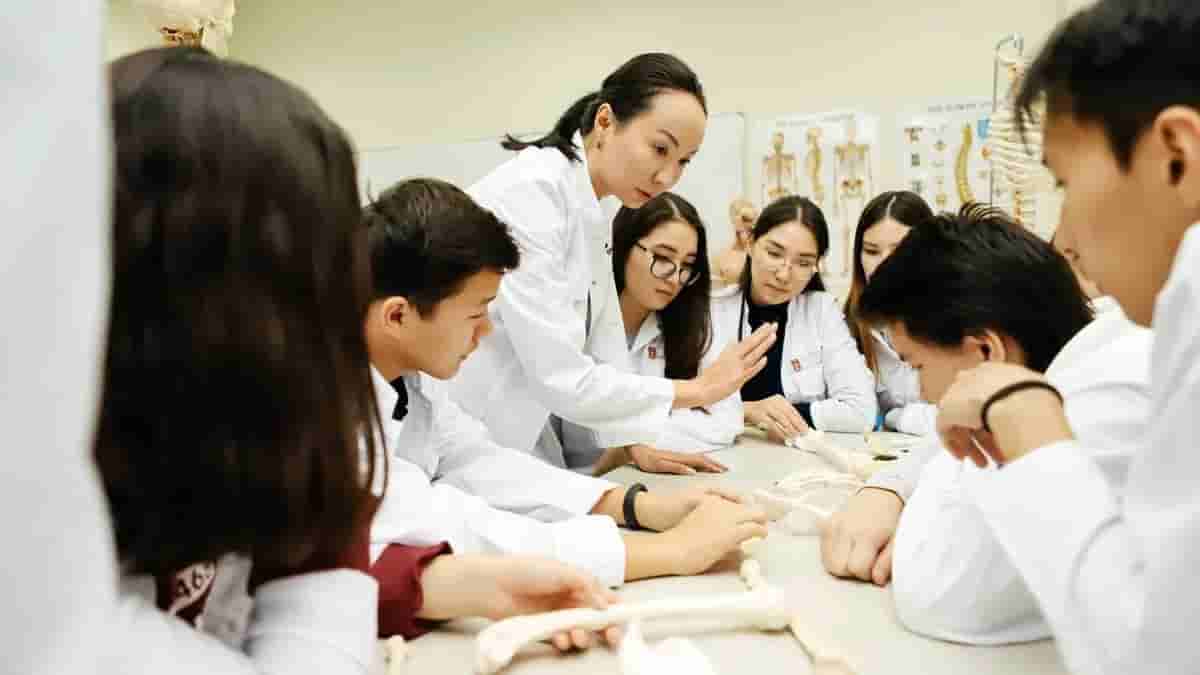
Faculties of Medicine and Health Sciences at universities in Turkey are among the most developed and competitive academic units. These faculties typically include programs such as Medicine, Dentistry, Pharmacy, Nursing, Physiotherapy, Nutrition and Dietetics, and Health Management. Education is strongly practice oriented, supported by university affiliated hospitals, simulation laboratories, and research centers. Many universities focus on early clinical exposure, allowing students to gain hands on experience from the first years of study. Programs are designed in accordance with international medical education standards, which helps graduates pursue further training or careers abroad.
Health sciences faculties also emphasize interdisciplinary collaboration and ethical training. Students are trained to work in diverse healthcare teams while developing strong communication and analytical skills. Instruction is often available in English, especially in Medicine and Dentistry programs, making these faculties attractive to international applicants. Universities such as Acıbadem Mehmet Ali Aydınlar Üniversitesi, İstanbul Medipol Üniversitesi, Biruni Üniversitesi, Bezm i Âlem Vakıf Üniversitesi, Lokman Hekim Üniversitesi, Demiroğlu Bilim Üniversitesi, İstanbul Atlas Üniversitesi, and Yeditepe Üniversitesi are well known for their strong medical and health science faculties.

Engineering and Architecture faculties at universities in Turkey focus on innovation, applied research, and industry relevance. Common departments include Computer Engineering, Software Engineering, Electrical and Electronics Engineering, Mechanical Engineering, Civil Engineering, Industrial Engineering, and Architecture. Curricula are regularly updated to reflect technological developments and market demands. Many programs include compulsory internships, industry projects, and laboratory based courses that help students gain practical skills before graduation.
Architecture programs combine technical training with design studios, digital modeling, and urban studies. Students are encouraged to develop creative and sustainable design approaches while understanding cultural and environmental contexts. English taught engineering programs are widely available, which increases international recognition of degrees. Universities such as Koç Üniversitesi, Sabancı Üniversitesi, İhsan Doğramacı Bilkent Üniversitesi, Özyeğin Üniversitesi, Bahçeşehir Üniversitesi, Atılım Üniversitesi, TED Üniversitesi, TOBB Ekonomi ve Teknoloji Üniversitesi, MEF Üniversitesi, Ostim Teknik Üniversitesi, and İstanbul Aydın Üniversitesi are particularly strong in engineering and architecture education.
Business and administrative faculties are central to many universities in Turkey due to strong demand in global and regional markets. These faculties usually offer programs in Business Administration, Economics, International Trade, Management, Finance, Banking, Accounting, and Entrepreneurship. Education focuses on analytical thinking, leadership, and strategic decision making. Case studies, group projects, and real business simulations are widely used teaching methods. Many programs are taught in English and follow international accreditation standards, enhancing graduate employability.
Students often benefit from close ties with the private sector, guest lectures by industry professionals, and internship opportunities. Emphasis is placed on global business perspectives while also addressing emerging markets and regional economic dynamics. Universities such as İstanbul Bilgi Üniversitesi, İstanbul Ticaret Üniversitesi, Kadir Has Üniversitesi, İstanbul Arel Üniversitesi, İstanbul Kent Üniversitesi, Yaşar Üniversitesi, İzmir Ekonomi Üniversitesi, Maltepe Üniversitesi, Nişantaşı Üniversitesi, and İstanbul Galata Üniversitesi are recognized for strong business and economics faculties.

Law and Political Sciences faculties at universities in Turkey offer comprehensive education in national and international legal systems. Law programs cover constitutional law, civil law, criminal law, commercial law, and international law. Political science and international relations programs focus on global politics, diplomacy, public policy, and regional studies. Teaching methods emphasize critical analysis, legal writing, and debate skills. These faculties aim to prepare graduates for careers in law firms, international organizations, public administration, and academia.
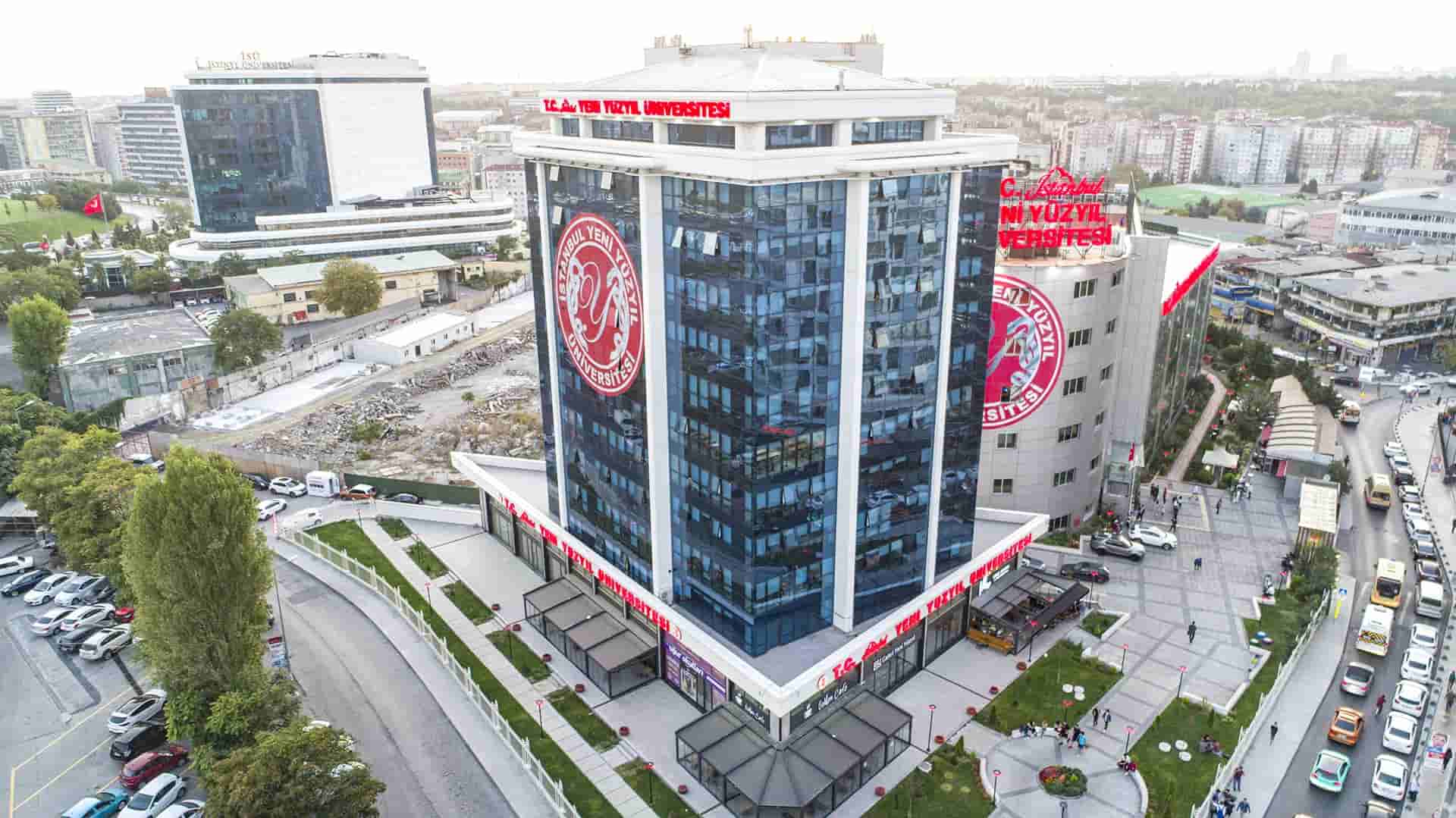
Some universities offer bilingual or English supported law related programs, especially in international law and relations. Academic staff often include experienced legal practitioners and scholars, which strengthens the practical dimension of education. Universities such as Koç Üniversitesi, Bilkent Üniversitesi, Sabancı Üniversitesi, İstanbul Yeni Yüzyıl Üniversitesi, İstanbul Rumeli Üniversitesi, Çankaya Üniversitesi, Ufuk Üniversitesi, and Hasan Kalyoncu Üniversitesi are known for their law and political science education.
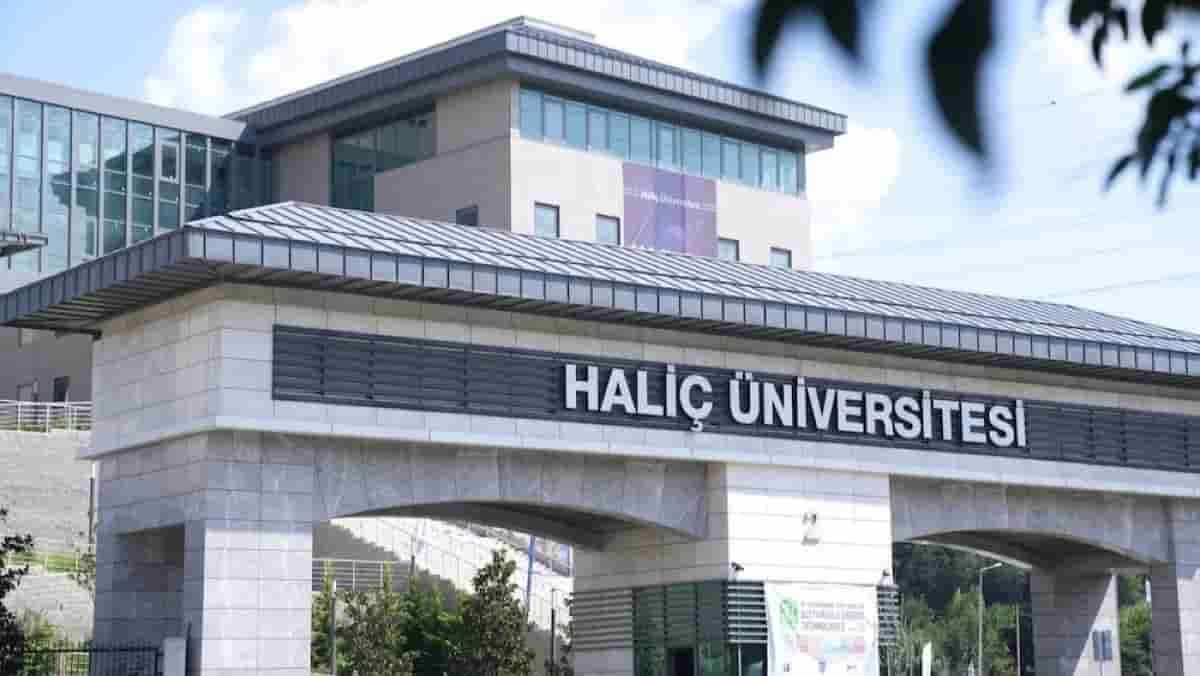
Social Sciences and Humanities faculties play a vital role in developing critical thinking, cultural awareness, and research skills. Programs typically include Psychology, Sociology, Philosophy, History, Literature, Translation and Interpretation, Media and Communication, and International Relations. These faculties encourage interdisciplinary learning and independent research through seminars, projects, and academic writing. Psychology programs, in particular, are highly popular at private universities due to modern laboratories and applied training opportunities. Communication and media departments focus on digital media, journalism, public relations, and film studies. Many programs are offered in English, attracting international students interested in global perspectives. Universities such as Üsküdar Üniversitesi, İstanbul Bilgi Üniversitesi, İstanbul Aydın Üniversitesi, Haliç Üniversitesi, İstanbul Beykent Üniversitesi, Beykoz Üniversitesi, İbn Haldun Üniversitesi, Işık Üniversitesi, and İstanbul Sabahattin Zaim Üniversitesi are prominent in social sciences and humanities.
Faculties of Education at universities in Turkey focus on modern teaching methodologies and educational technologies. Programs often include Preschool Education, Primary Education, English Language Teaching, Special Education, and Educational Sciences. Students receive training in classroom management, curriculum development, and assessment techniques. Practical teaching experience is an essential component of these programs, usually conducted through partner schools. These faculties aim to prepare educators who can adapt to diverse learning environments and student needs.
Emphasis is placed on child psychology, inclusive education, and digital learning tools. English language teaching programs are particularly popular among international students. Universities such as Bahçeşehir Üniversitesi, İstanbul Aydın Üniversitesi, Maltepe Üniversitesi, TED Üniversitesi, Hasan Kalyoncu Üniversitesi, Çağ Üniversitesi, and İstanbul Okan Üniversitesi offer well structured education faculties.

Arts and Design faculties at universities in Turkey provide creative and practice based education. Programs include Graphic Design, Interior Architecture, Fashion Design, Industrial Design, Visual Communication Design, Cinema and Television, and Fine Arts. Education is studio centered, allowing students to develop portfolios through continuous project work. These faculties encourage innovation and originality while integrating modern technologies such as digital design tools and multimedia production. Collaboration with the creative industry is common through exhibitions, workshops, and internships. Many programs are taught in English, particularly design and media related fields. Universities such as İstanbul Kültür Üniversitesi, İstanbul Arel Üniversitesi, Nişantaşı Üniversitesi, Beykent Üniversitesi, Haliç Üniversitesi, Yaşar Üniversitesi, and İstanbul Gelişim Üniversitesi are well regarded for arts and design education.
Some universities in Turkey specialize in niche academic fields that are closely linked to industry needs. Aviation faculties offer programs such as Aviation Management and Pilot Training, while maritime faculties focus on Marine Engineering and Maritime Transportation. There are also universities specializing in health technologies, agriculture, food sciences, and logistics. These faculties combine theoretical instruction with intensive practical training, often using simulators, laboratories, and industry partnerships. Graduates are well prepared for specific professional sectors with strong employment potential. Universities such as Türk Hava Kurumu Üniversitesi, Piri Reis Üniversitesi, Konya Gıda ve Tarım Üniversitesi, KTO Karatay Üniversitesi, Kapadokya Üniversitesi, Mudanya Üniversitesi, Kocaeli Sağlık ve Teknoloji Üniversitesi, and Yüksek İhtisas Üniversitesi stand out for specialized academic programs.
Universities in Turkey offer a broad and well structured range of faculties that meet international academic standards and modern professional expectations. From medicine and engineering to arts and specialized studies, students can find programs that align with their academic interests and career goals. Faculties emphasize practical training, research, and global perspectives, creating a dynamic learning environment. English taught programs further increase accessibility for international students. With strong infrastructure and experienced academic staff, universities continue to enhance Turkey’s position in global higher education. StudyLeo supports students throughout the admission process with clear guidance and no service fee, making access to these faculties more straightforward and transparent.
Frequently Asked Questions and Answers
Look out blogs and aware of the latest trends and updates
Explore top universities offering quality education, modern facilities, and diverse academic opportunities for students worldwide





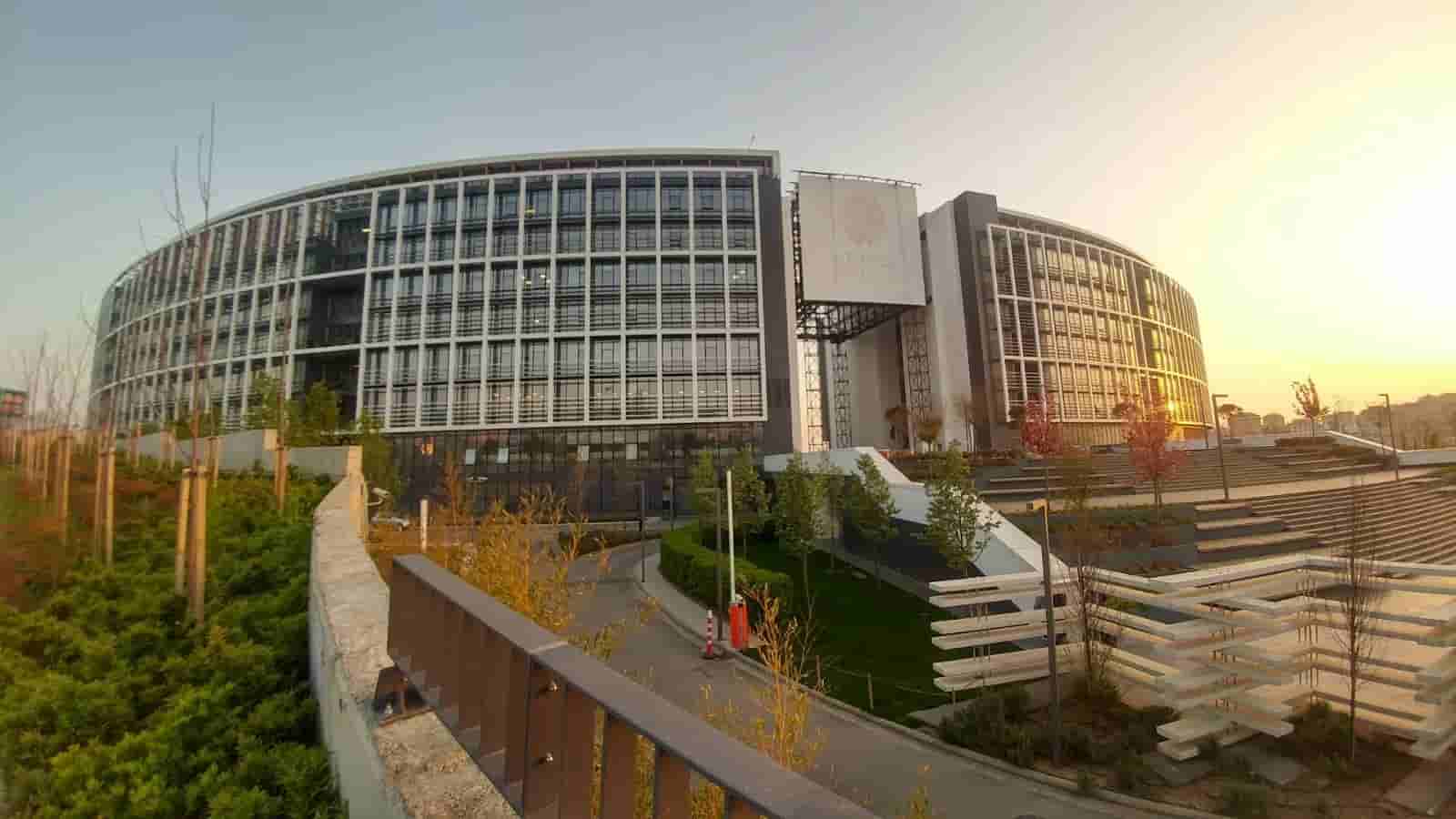 Dormitory
Istanbul, Turkey
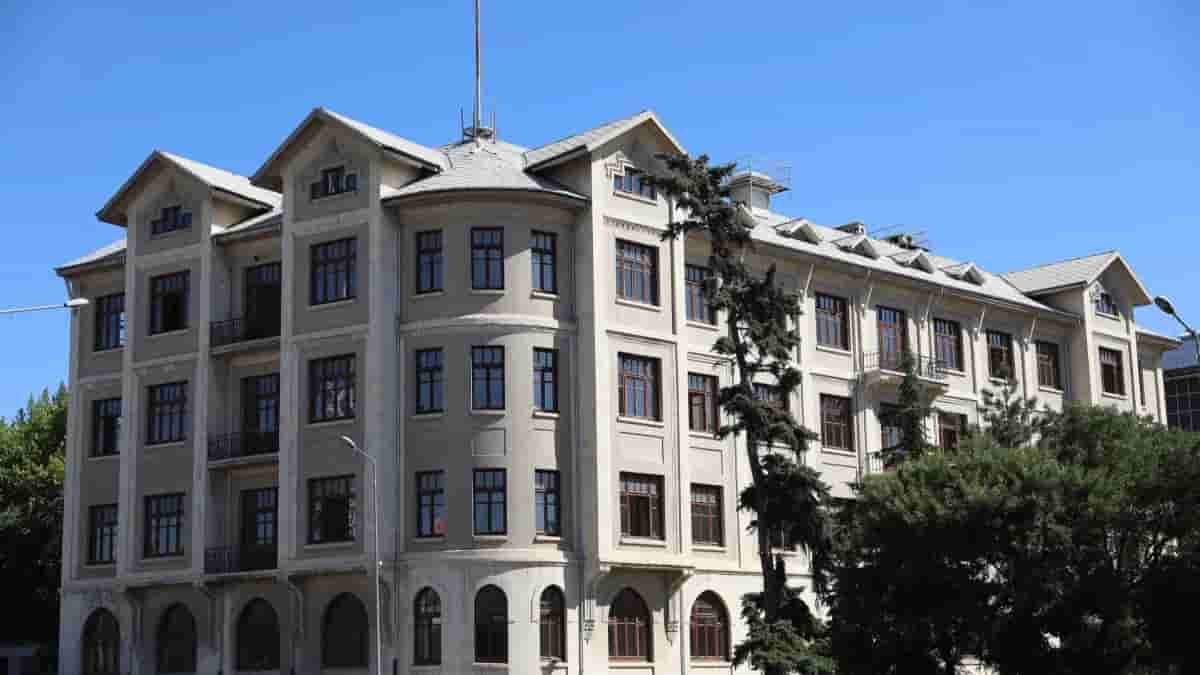 Dormitory
Ankara, Turkey
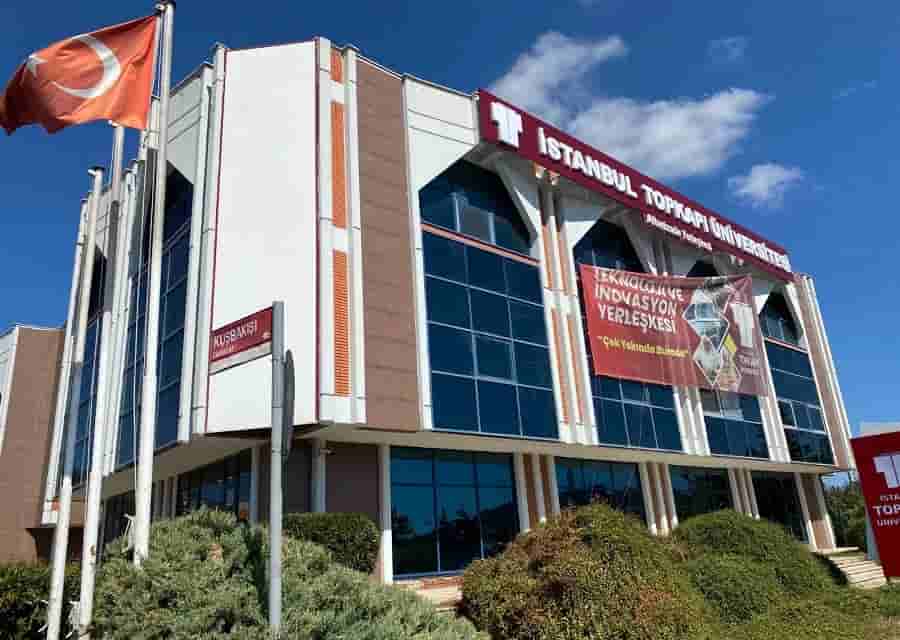 Dormitory
Istanbul, Turkey
 Dormitory
Istanbul, Turkey
 Dormitory
Istanbul, Turkey
 Dormitory
Istanbul, Turkey
 Dormitory
Istanbul, Turkey
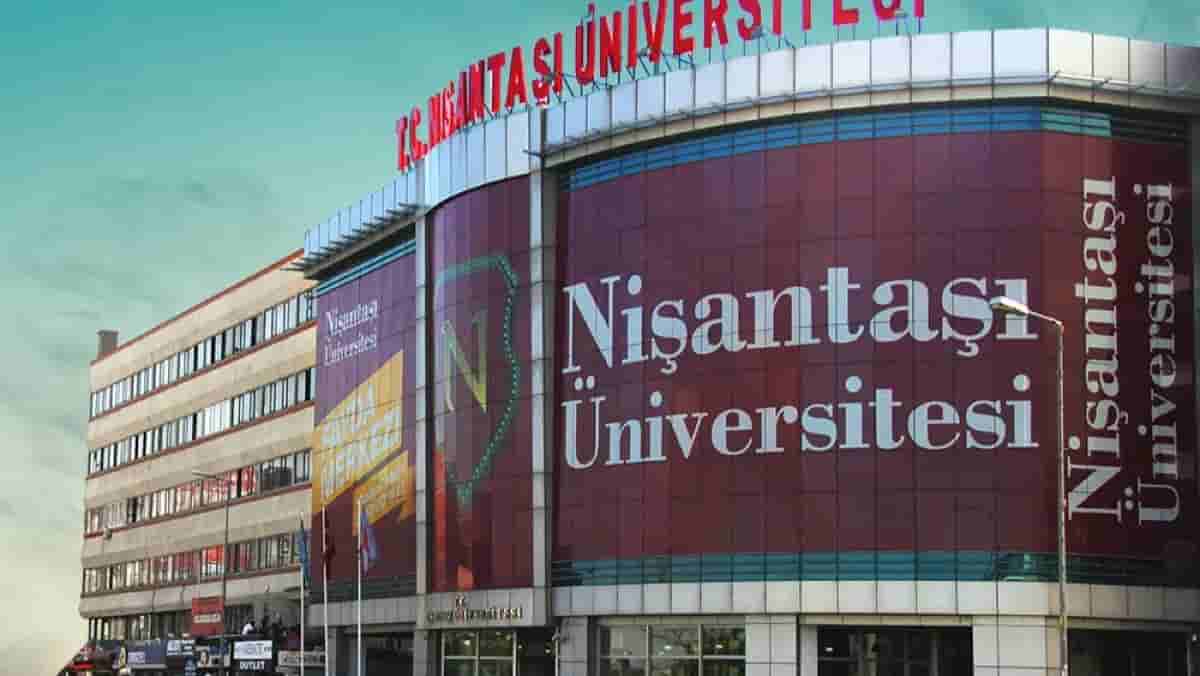 Dormitory
Istanbul, Turkey
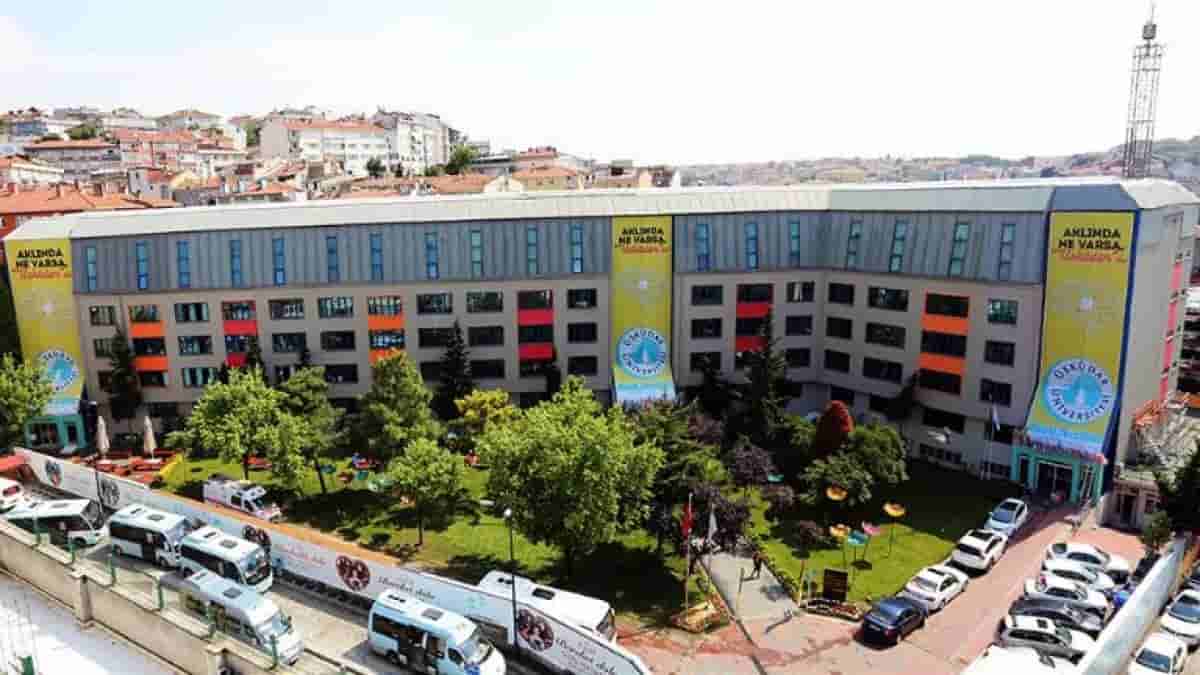 Dormitory
Istanbul, Turkey
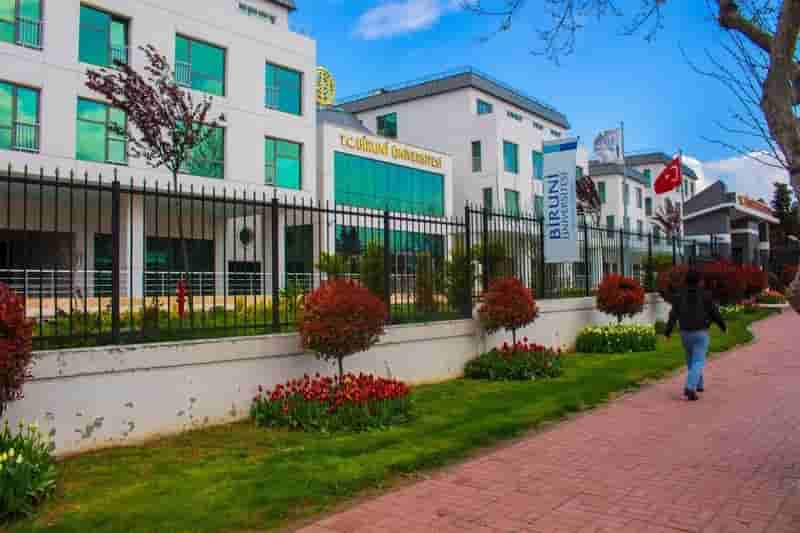 Dormitory
Istanbul, Turkey
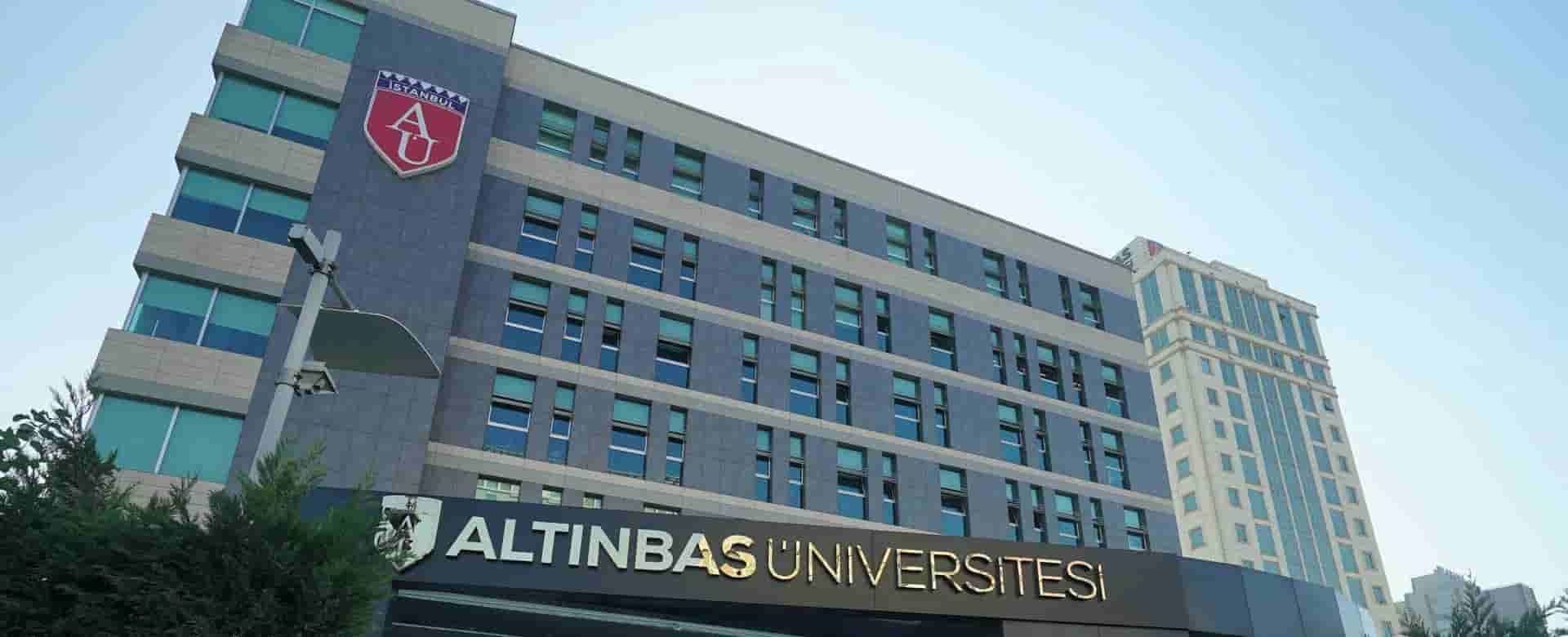 Dormitory
Istanbul, Turkey
 Dormitory
Istanbul, Turkey
 Dormitory
Istanbul, Turkey
 Dormitory
Istanbul, Turkey
 Dormitory
Istanbul, Turkey
 Dormitory
Istanbul, Turkey
 Dormitory
Antalya, Turkey
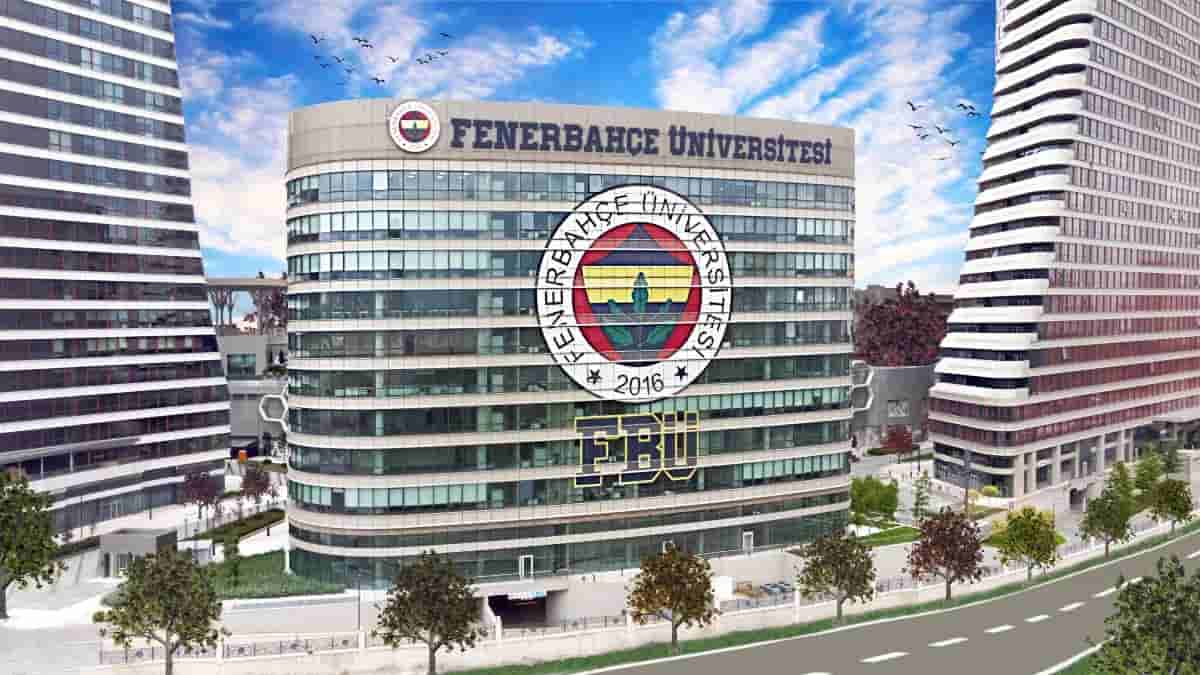 Dormitory
Istanbul, Turkey
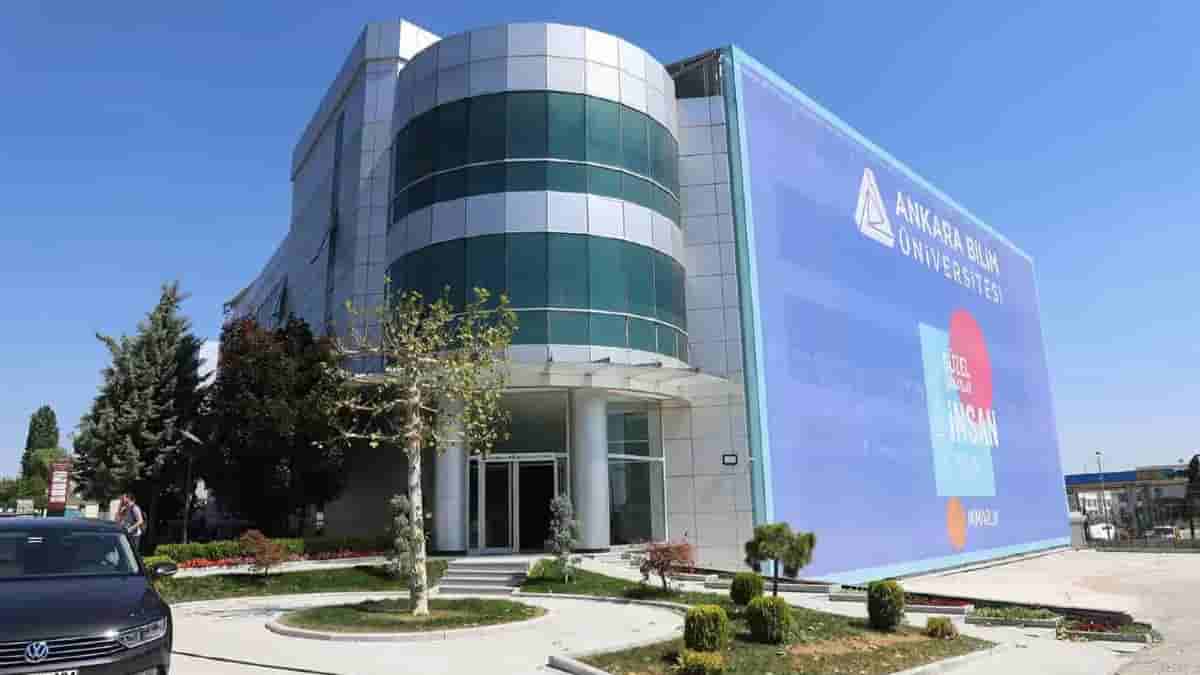 Dormitory
Ankara, Turkey
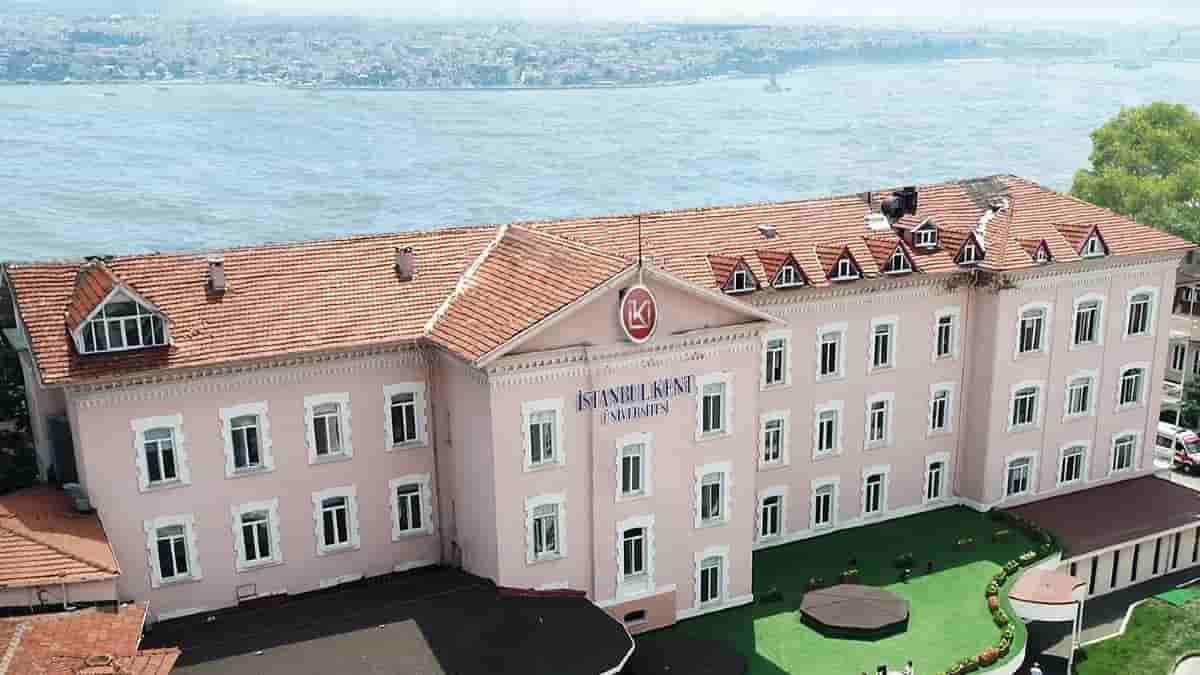 Dormitory
Istanbul, Turkey