
FAQs
Frequently Asked Questions and Answers

Aviation is one of the most dynamic and demanding industries in the world. It requires technical precision, discipline, and internationally recognized training standards. Students who choose aviation programs are not simply selecting a degree. They are preparing for careers in cockpit operations, air traffic systems, airport management, and aircraft engineering.
Turkey has steadily developed its aviation education infrastructure over the past decade. With modern simulation centers, partnerships with airlines, and structured pilot training programs, private universities now offer practical and internationally aligned aviation education. For students looking for structured aviation pathways, Turkey has become an increasingly attractive destination.

• Private universities in Turkey offer structured aviation programs
• Pilot training includes simulation and flight practice components
• Aviation management and engineering programs are widely available
• Training follows regulated academic and safety standards
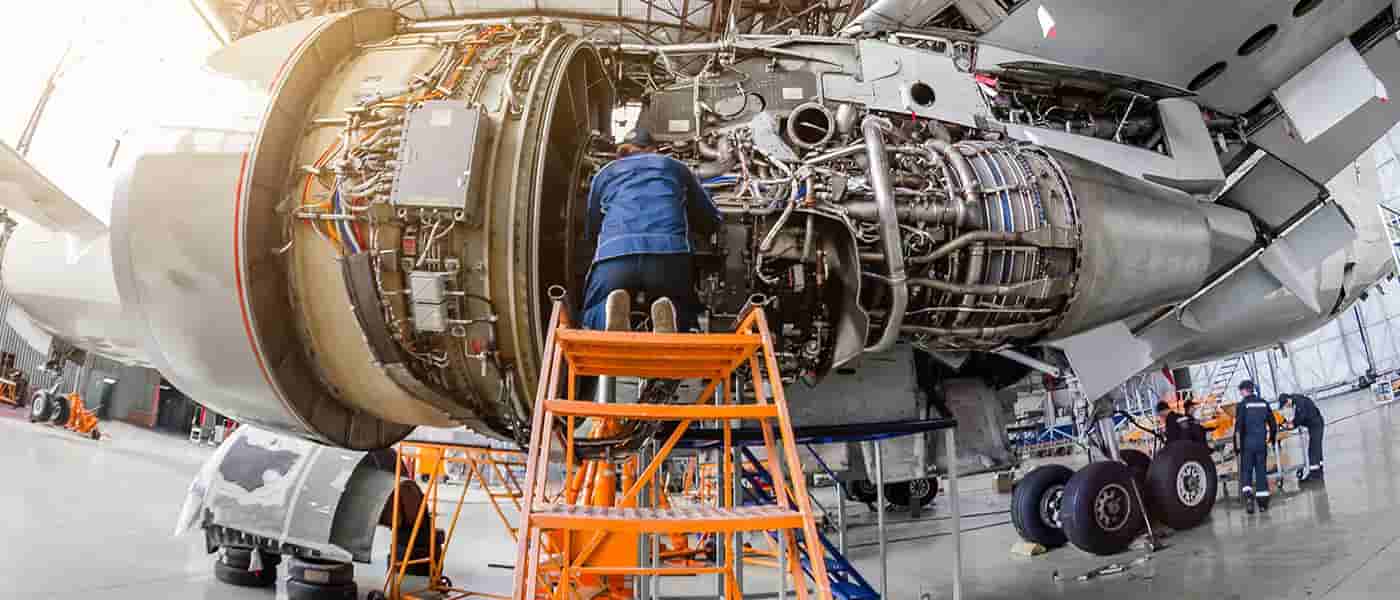
Aviation education must go beyond classroom theory. Students need simulator hours, technical laboratories, and structured flight training. Without practical exposure, aviation programs cannot prepare students for real operational environments.
Strong aviation faculties invest in flight simulators, maintenance workshops, and partnerships with aviation companies. These elements ensure students gain both technical knowledge and hands-on operational experience before entering the industry.
• Ostim Technical University
• Istanbul Gelisim University
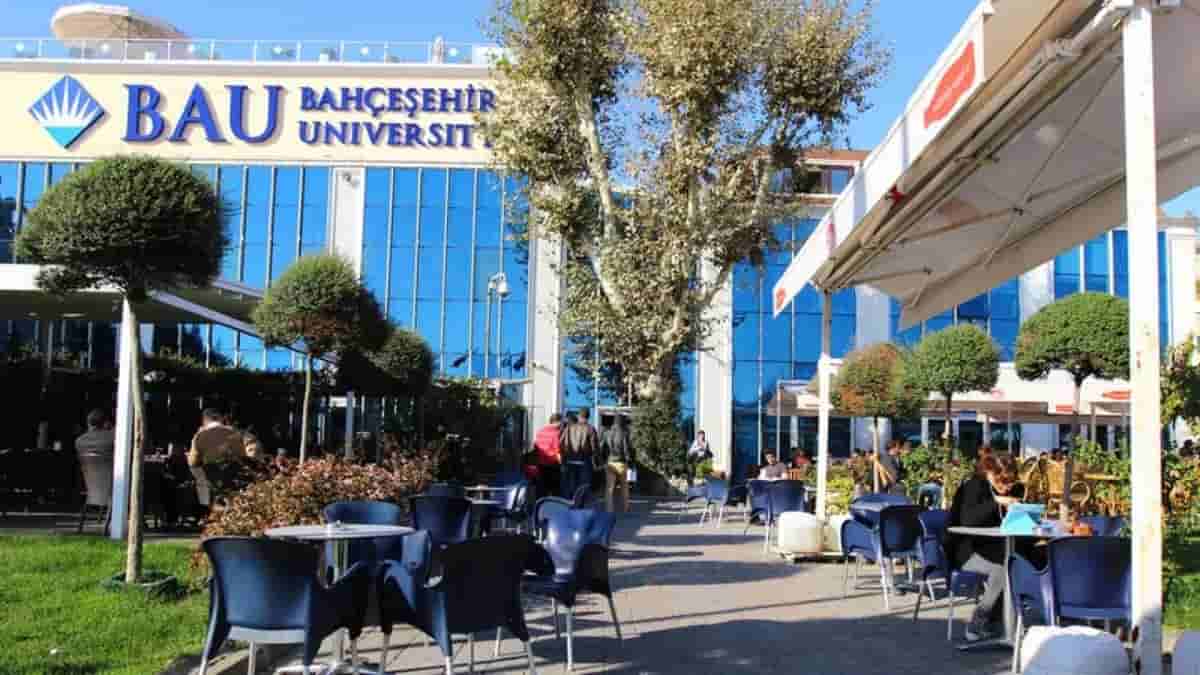
• Bahçeşehir University
• Istanbul Aydın University
• Nişantaşı University
These institutions are known for offering aviation-related programs within structured academic systems.
• 20+ private institutions offer aviation-related departments
• 4 years standard undergraduate aviation program duration
• 200+ hours simulator-based pilot training in structured programs
• 100+ aviation laboratories and technical training facilities
• Thousands of students enrolled in aviation and air transport programs annually
These figures demonstrate that aviation education in Turkey is supported by real infrastructure and practical systems. This section is ideal for bar charts or training-hour comparison visuals.

• Pilot training
• Aviation management
• Air traffic control
• Aircraft maintenance engineering
• Aviation logistics and ground services
These programs combine theoretical instruction with applied technical training.
Modern aviation programs integrate simulator training, laboratory work, and industry partnerships. Students spend hours in controlled flight simulation environments before moving to real flight operations.
This gradual progression builds confidence, technical precision, and operational awareness. By graduation, students are familiar with aviation systems, safety protocols, and real industry standards.
• Modern simulation infrastructure
• Structured academic regulations
• English-medium program availability
• Industry partnerships and internship opportunities
Focusing on institutions with strong practical systems increases long-term career readiness.

Aviation education requires careful planning, documentation, and program evaluation. Students must understand licensing pathways, training hours, and academic structure before enrollment.
StudyLeo provides structured guidance to help students evaluate aviation programs and manage application procedures. From university selection to arrival planning, every step is organized to support a smooth transition.

Aviation programs in Turkey combine technical education, simulator training, and industry-aligned instruction within structured private universities. Students benefit from modern infrastructure and internationally compatible academic systems. With proper planning and guidance from StudyLeo, aviation education in Turkey can become a solid foundation for a future in the global aviation industry.
Frequently Asked Questions and Answers
Look out blogs and aware of the latest trends and updates
Explore top universities offering quality education, modern facilities, and diverse academic opportunities for students worldwide





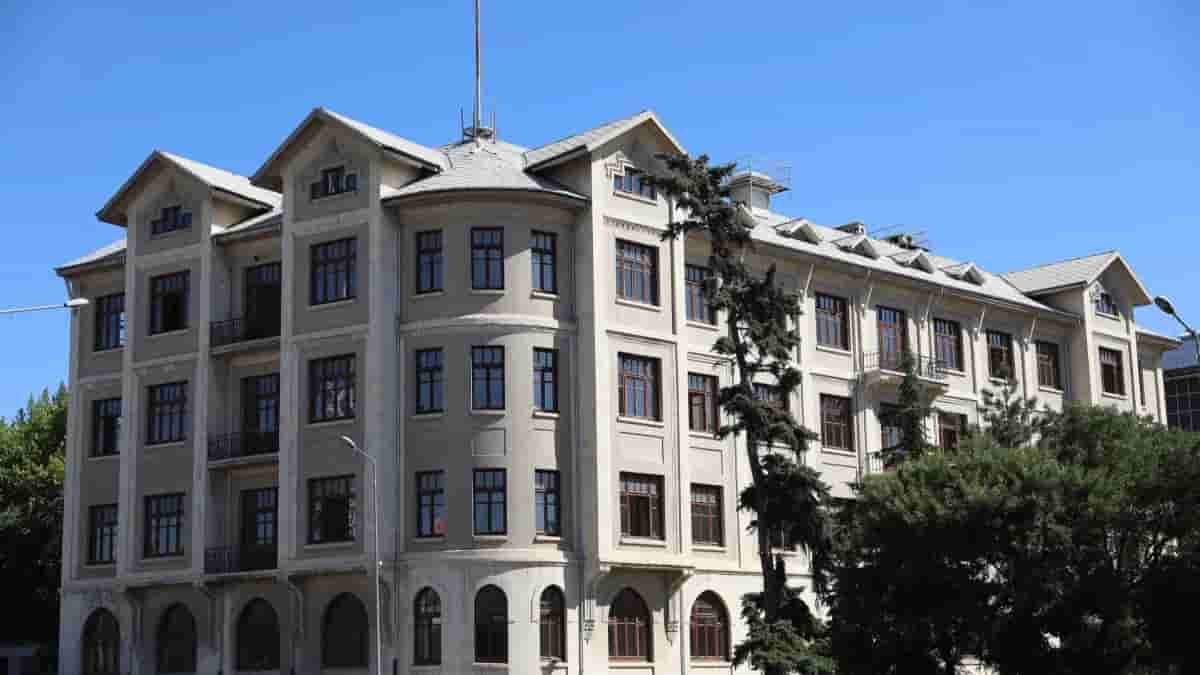 Dormitory
Ankara, Turkey
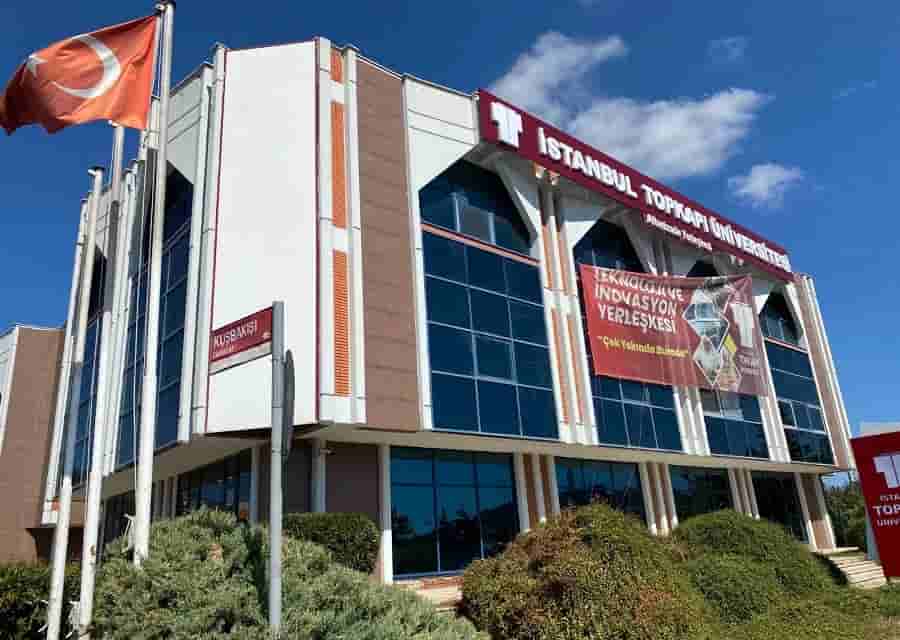 Dormitory
Istanbul, Turkey
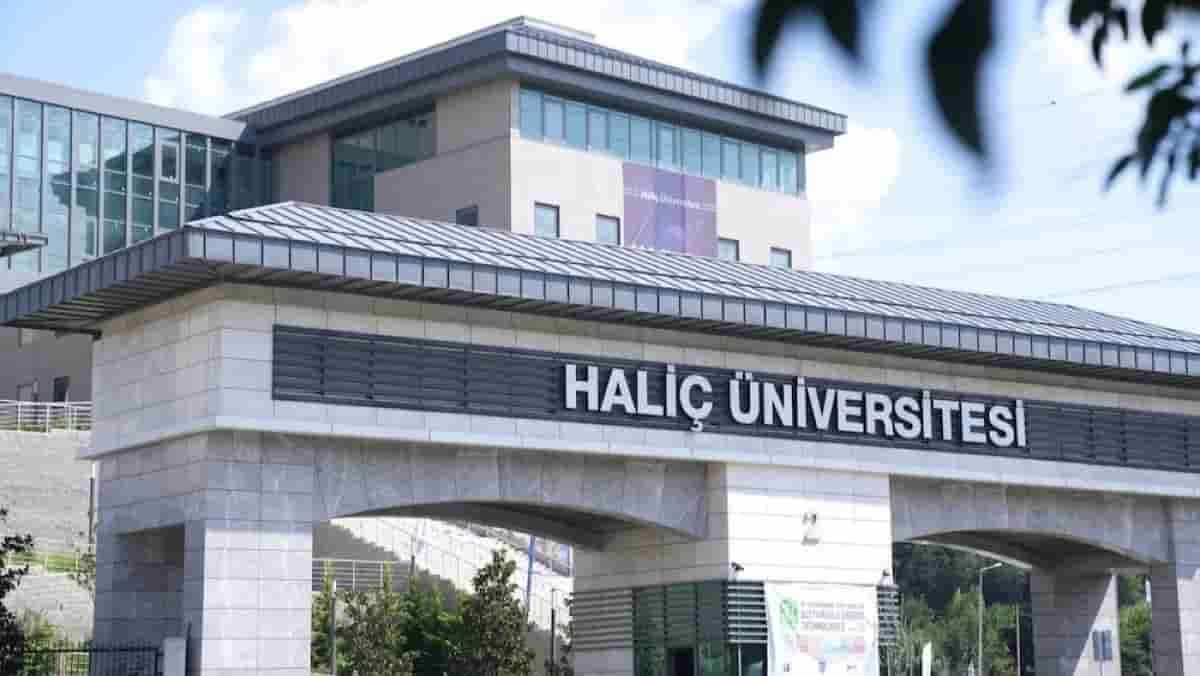 Dormitory
Istanbul, Turkey
 Dormitory
Istanbul, Turkey
 Dormitory
Istanbul, Turkey
 Dormitory
Istanbul, Turkey
 Dormitory
Istanbul, Turkey
 Dormitory
Istanbul, Turkey
 Dormitory
Istanbul, Turkey
 Dormitory
Istanbul, Turkey
 Dormitory
Istanbul, Turkey
 Dormitory
Istanbul, Turkey
 Dormitory
Istanbul, Turkey
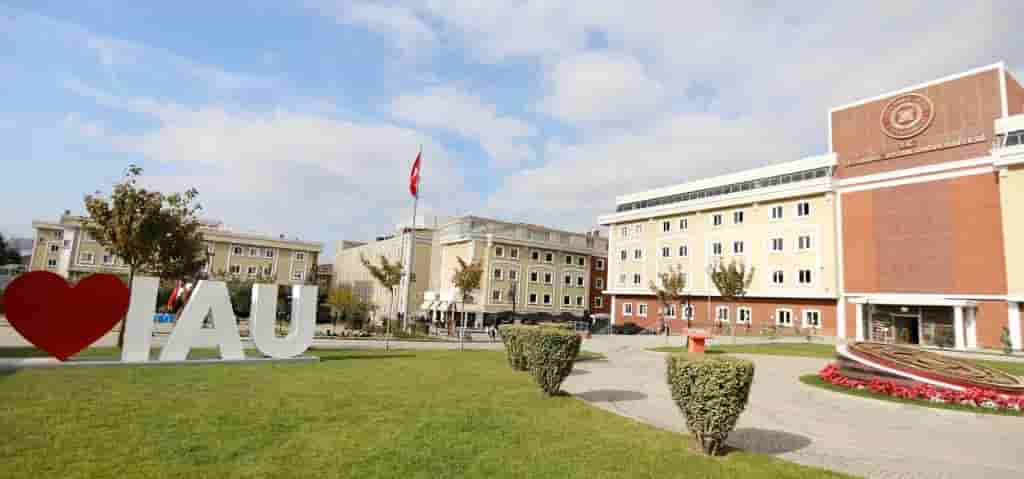 Dormitory
Istanbul, Turkey
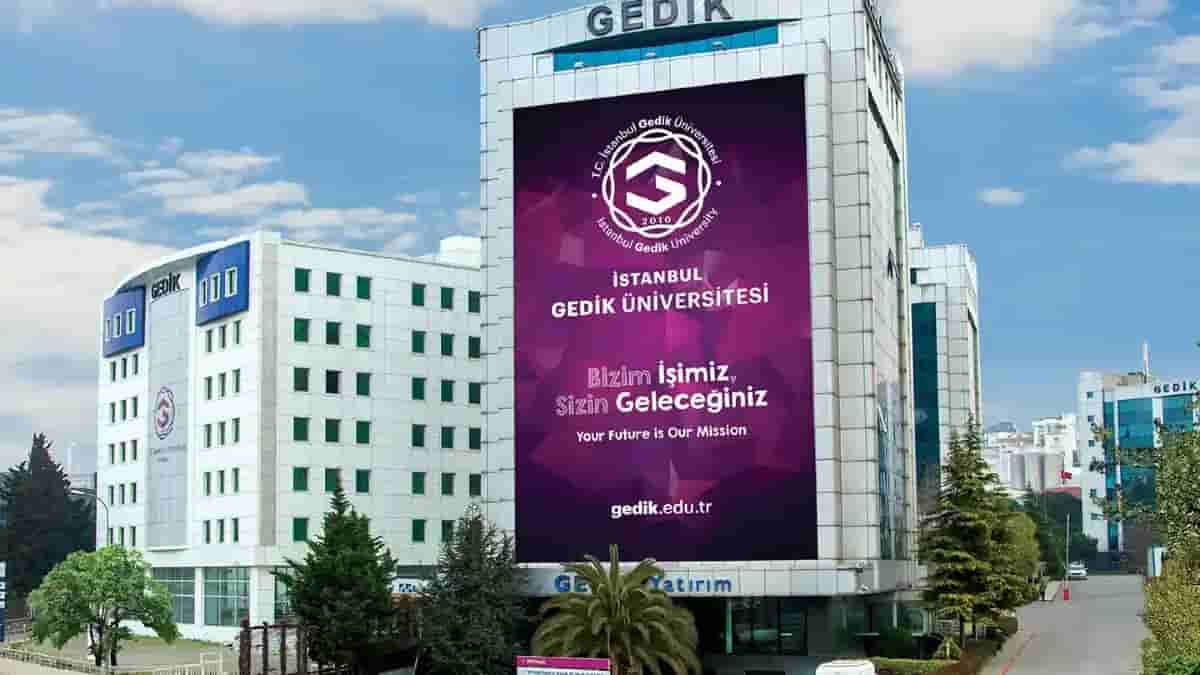 Dormitory
Istanbul, Turkey
 Dormitory
Istanbul, Turkey
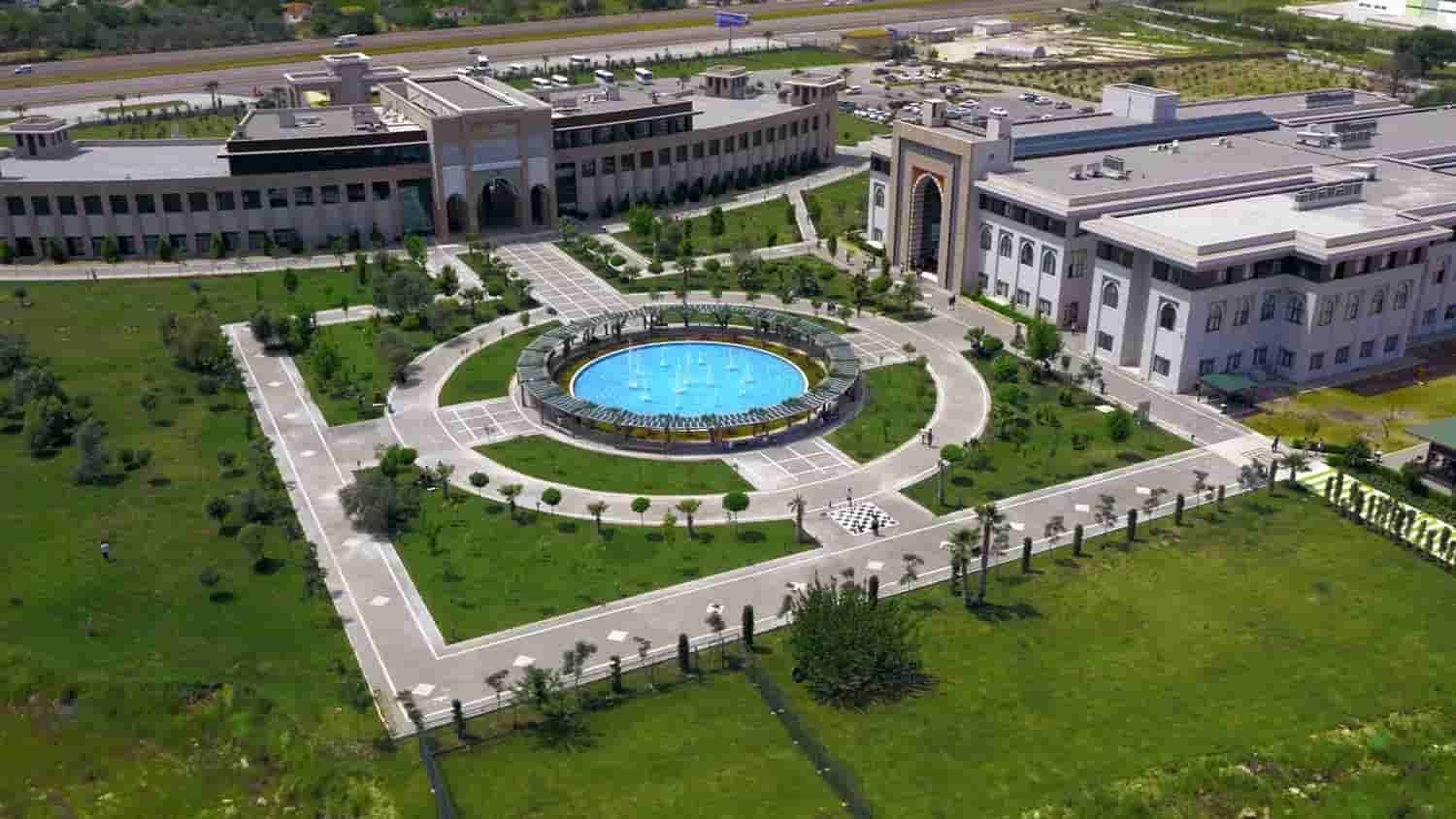 Dormitory
Antalya, Turkey
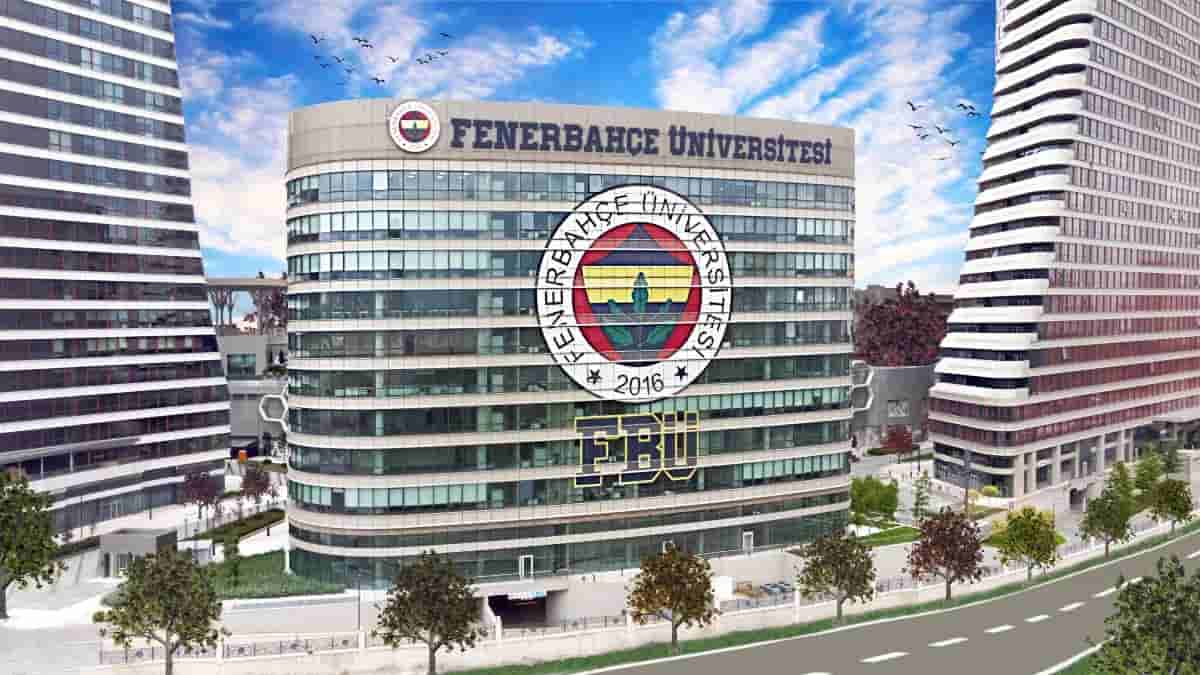 Dormitory
Istanbul, Turkey
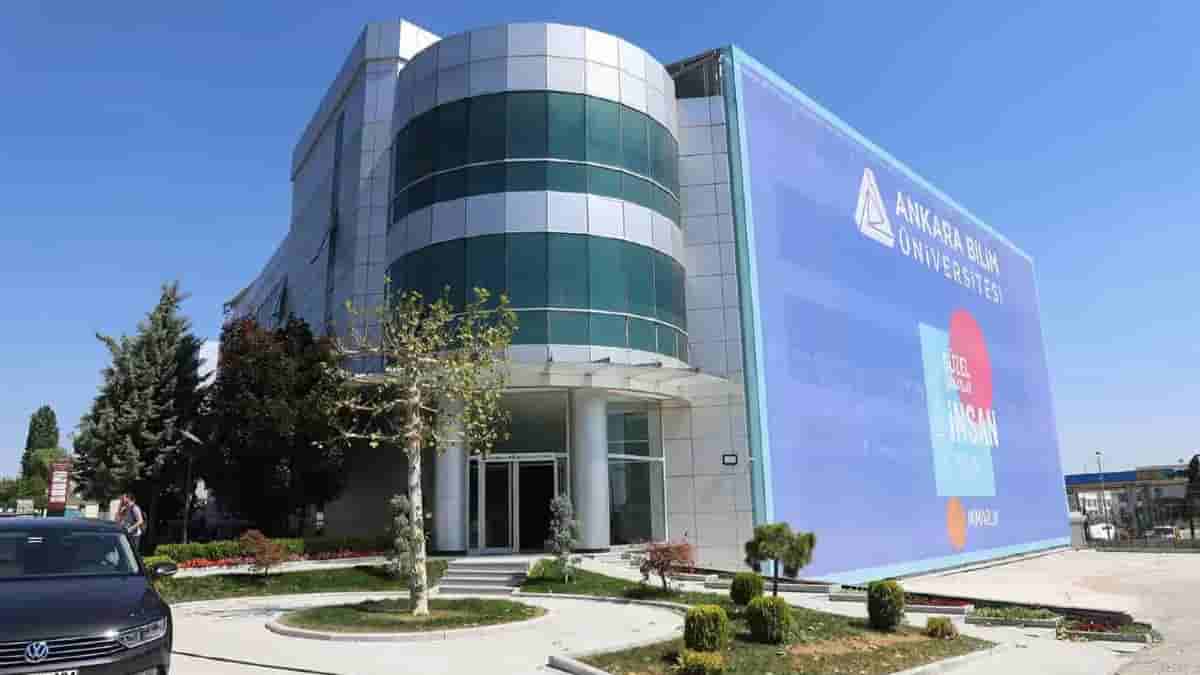 Dormitory
Ankara, Turkey
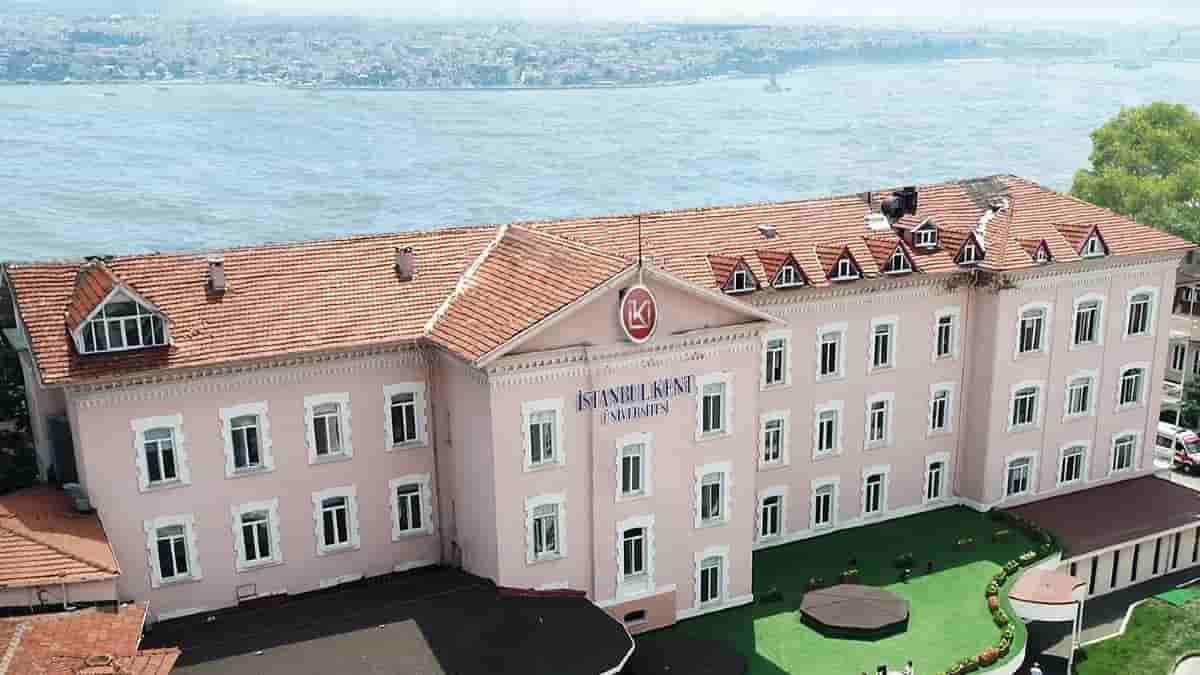 Dormitory
Istanbul, Turkey