
FAQs
Frequently Asked Questions and Answers

The landscape of teacher education in Turkey has evolved significantly with the growth of private higher education institutions. These universities offer modern facilities, innovative teaching methodologies, and internationally aligned curricula for aspiring educators. Students pursuing pedagogical studies benefit from smaller class sizes and personalized mentorship opportunities that enhance their professional development. Private universities maintain strong connections with schools across Turkey, providing valuable internship placements for practical experience. The education faculties within these institutions prepare graduates to meet contemporary classroom challenges with confidence and competence. Many programs incorporate technology integration and inclusive education principles into their core curriculum. Graduates emerge equipped with both theoretical knowledge and hands-on teaching skills valued across educational systems.
Private universities in Turkey have established respected education faculties that prepare students for diverse teaching careers. These institutions design their pedagogical programs to align with national educational standards while incorporating global best practices in teacher training. Students engage with contemporary educational theories, child psychology, curriculum development, and classroom management techniques throughout their studies. The programs emphasize reflective practice, encouraging future educators to continuously evaluate and improve their teaching approaches. Many universities maintain dedicated education laboratories where students can simulate classroom environments before entering actual schools. This practical orientation bridges the gap between academic learning and real-world teaching responsibilities. Faculty members often include experienced educators who bring valuable insights from years in Turkish and international school systems.
These private institutions distinguish themselves through specialized tracks within their education programs. Students might focus on early childhood education, primary education, subject-specific secondary teaching, or educational administration depending on their career goals. The curriculum typically progresses from foundational educational concepts to increasingly specialized content as students advance through their degree. Technology integration receives significant attention, with courses dedicated to digital tools and resources for modern classrooms.

Several private universities in Turkey stand out for their strong education faculties and pedagogical programs. Istanbul Medipol University emphasizes educational technology and innovative teaching methods, while Altınbaş University offers specialized tracks in early childhood and primary education with rich practicum experiences. Üsküdar University integrates psychology into its teaching curriculum, supporting a deeper understanding of student development. Istanbul Kent University provides modern teaching labs for hands-on practice, and Ankara Bilim University focuses on curriculum design and leadership in education. These institutions are committed to training reflective, classroom-ready educators.
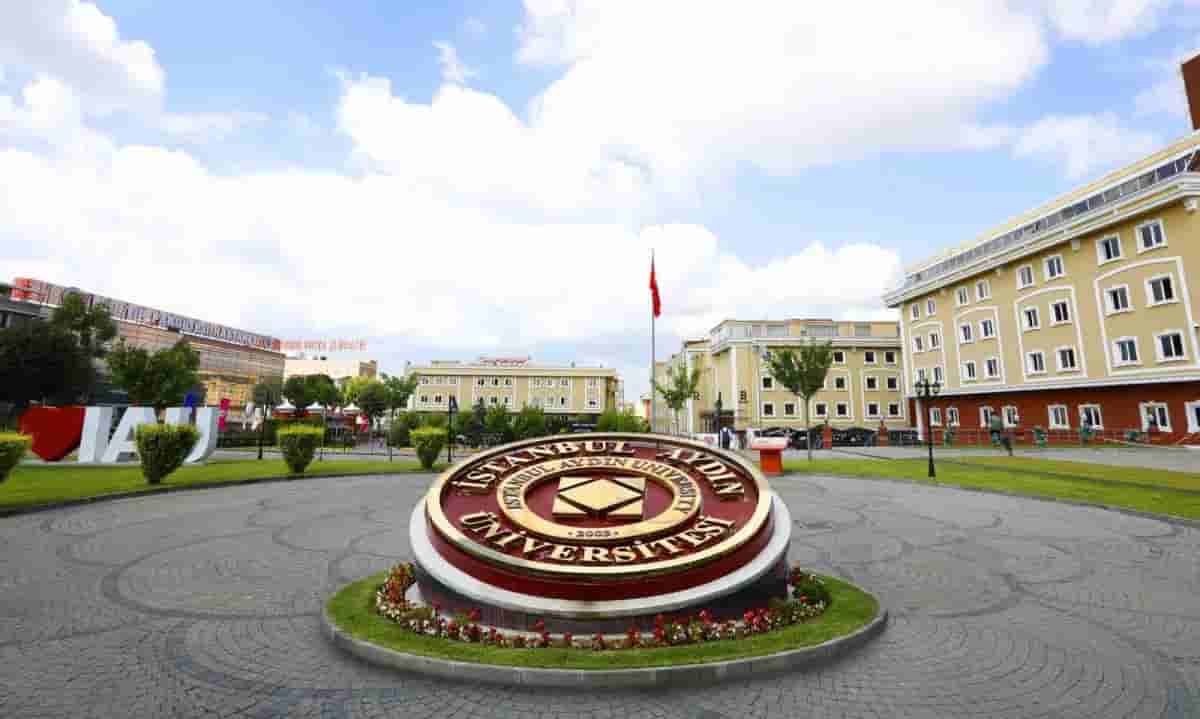
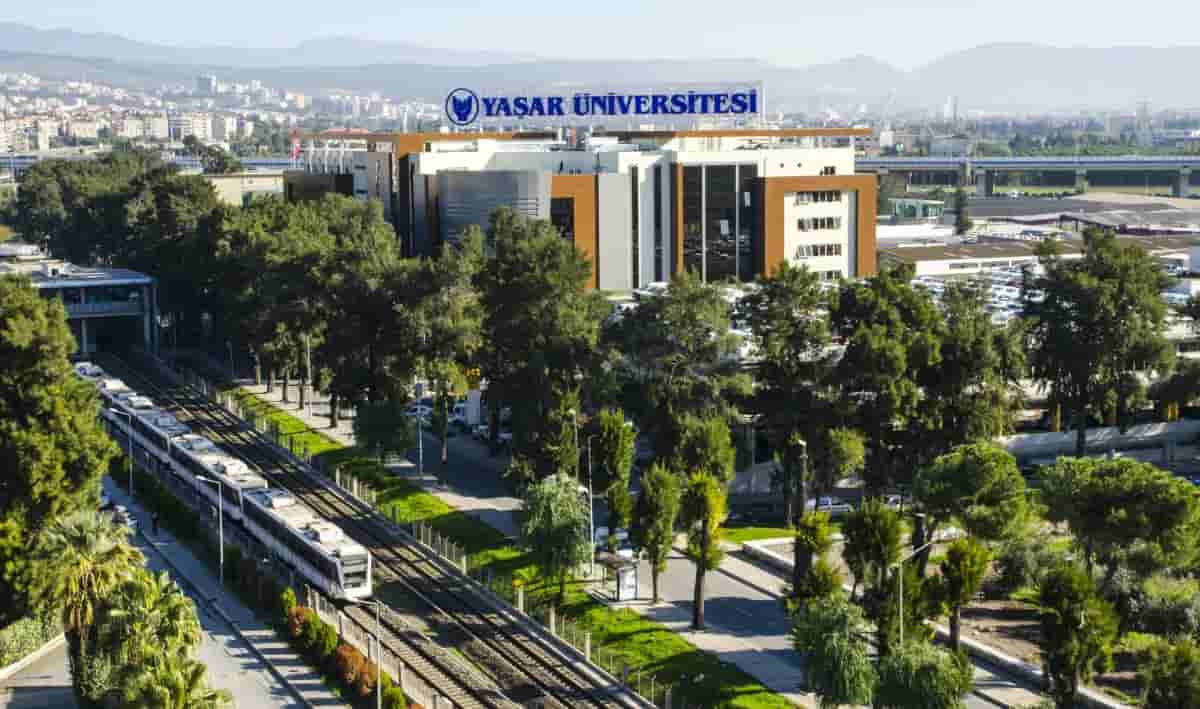
Other key contributors include Maltepe University with its child development focus, and Istanbul Aydın University offering diverse specializations in education. Istanbul 29 Mayıs University partners closely with local schools for real-world teaching placements, while Yaşar University in İzmir brings an international dimension through exchange programs. Istanbul Esenyurt University prioritizes practical classroom skills, and institutions like Istanbul Şişli Vocational School deliver associate degrees for educational support roles. All maintain accreditation from Turkey’s Higher Education Council, ensuring quality and graduate success in schools across Turkey and beyond.
Bachelor’s programs in education at Turkish private universities span four years and blend theory with practice. Students start with foundational courses like educational philosophy, developmental psychology, and history of education, then advance to specialized topics such as instructional strategies, assessment, and classroom management. Those training for subject-specific teaching also study their discipline in depth. In later years, supervised practicums in partner schools become central, culminating in a full semester of student teaching. The curriculum also covers digital literacy, inclusive education, and multicultural teaching, ensuring graduates are well-prepared for modern classrooms.
Associate degree programs, typically completed in two years, offer practical training for roles like teaching assistants, preschool educators, or educational technicians. These programs balance child development theory with hands-on learning techniques and include real-world practicum experiences. Offered by institutions such as Istanbul Şişli Vocational School, they provide a fast track into the education sector and can serve as a foundation for further studies toward a bachelor’s degree. Their career-focused design enables graduates to contribute meaningfully in schools and childcare settings soon after graduation.
Master’s programs in education at Turkish private universities are designed for both new graduates and experienced educators, typically lasting two years. They offer specializations such as educational leadership, curriculum development, special education, and instructional technology. The curriculum emphasizes advanced research methods and real-world problem-solving, with flexible class schedules,ncluding evenings and weekends,to support working professionals. Students usually complete either a thesis or a practical capstone project, often collaborating with faculty on research tied to current educational policies. These programs enhance analytical skills and deepen expertise in teaching and learning, preparing graduates for leadership roles in schools, NGOs, or education-related institutions.
Doctoral programs, offered by select private universities, represent the pinnacle of pedagogical education and span three to four years. They focus on training scholars to conduct original research through rigorous coursework in research design, statistics, and advanced educational theory. Candidates are mentored by active researchers and encouraged to adopt interdisciplinary perspectives,linking education with fields like psychology, sociology, or neuroscience.

Practical experience forms an essential component of pedagogical education at Turkish private universities. Students typically complete multiple supervised teaching placements throughout their programs, beginning with classroom observation and progressing to full teaching responsibility. Universities maintain partnerships with diverse schools including public institutions, private schools, and international schools to provide varied practicum environments. These partnerships ensure students encounter different educational contexts, student populations, and teaching approaches during their training. Supervising teachers and university faculty jointly mentor students during placements, providing regular feedback and guidance for professional growth. Students maintain reflective journals documenting their experiences, challenges, and evolving teaching philosophies throughout practicum periods. This documentation becomes valuable for professional portfolios and future employment applications.
Many private universities have established model schools or teaching laboratories on campus to facilitate initial teaching practice. These controlled environments allow students to experiment with instructional strategies before entering actual school settings. Video recording technology often enables students to review and analyze their own teaching performances with faculty guidance. Peer observation and collaborative lesson planning further enhance the learning experience during practicum periods.
Graduates of pedagogical programs at Turkish private universities pursue diverse career paths within and beyond traditional classroom teaching. Many secure positions in Turkey's extensive network of public and private schools at various educational levels. Others find opportunities in international schools throughout Turkey and abroad, particularly those with bilingual or multicultural educational approaches. Educational publishing houses, curriculum development organizations, and educational technology companies frequently recruit these graduates for content creation and instructional design roles. Some pursue careers in educational administration, gradually advancing to positions such as department head, vice principal, or school principal with additional experience and qualifications.
Non-governmental organizations focused on educational access and quality also employ graduates for program development and implementation roles. Beyond direct school-based positions, pedagogical graduates contribute to education in numerous specialized capacities. Corporate training departments value their instructional design and facilitation skills for employee development programs. Museums, libraries, and cultural institutions employ education specialists to develop and deliver learning experiences for visitors. Some graduates establish private tutoring centers or educational consulting practices supporting student learning outside traditional school settings. Those with entrepreneurial interests sometimes develop educational applications, learning materials, or specialized training programs addressing specific educational needs.
Prospective students interested in pedagogical programs at Turkish private universities can streamline their application journey through StudyLeo's dedicated services. The platform provides comprehensive guidance through each step of the university selection and application process without charging any service fees to applicants. Students begin by sharing their academic background, educational interests, and career aspirations with StudyLeo advisors who then suggest suitable private universities and specific education programs matching their profile. Advisors assist with document preparation ensuring all required materials including diplomas, transcripts, passport copies, and photographs meet institutional specifications.
The team manages communication with universities and tracks application status throughout the review period. This personalized support proves particularly valuable for international students navigating Turkey's higher education system for the first time. StudyLeo's approach emphasizes finding the right educational fit rather than simply facilitating applications. Advisors consider factors beyond basic admission requirements including campus culture, available specializations within education faculties, practicum opportunities, and graduate outcomes when recommending programs. The service maintains up-to-date knowledge about admission timelines and document requirements across Turkey's private university sector. Students receive clear guidance about next steps following application submission including potential interview preparations or additional requirements. StudyLeo continues supporting students beyond admission approval with pre-arrival information and orientation resources.
Degrees earned from education faculties at accredited Turkish private universities receive recognition across numerous countries and educational systems. Turkey's participation in the Bologna Process ensures degree structures align with European higher education standards, facilitating international mobility for graduates. Many private universities maintain international accreditations and memberships in global educational organizations that enhance degree portability. Graduates pursuing teaching careers abroad typically undergo credential evaluation processes in their destination countries, with Turkish education degrees generally receiving favorable assessment. Some universities offer programs specifically designed with international teaching standards in mind, incorporating globally recognized teaching frameworks and methodologies. These programs often include English language instruction components beneficial for graduates seeking positions in international school settings.
Frequently Asked Questions and Answers
Look out blogs and aware of the latest trends and updates
Explore top universities offering quality education, modern facilities, and diverse academic opportunities for students worldwide



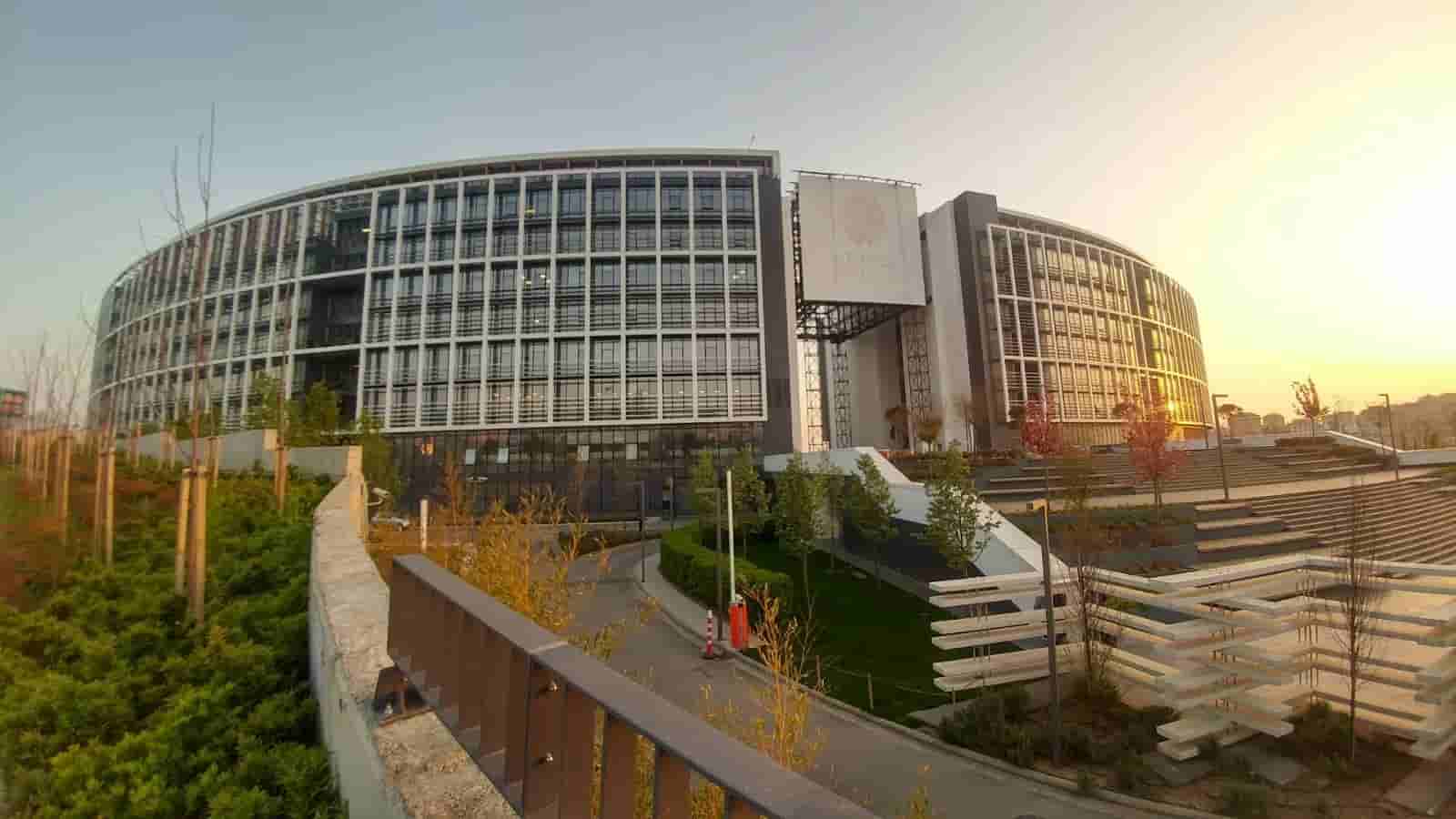 Dormitory
Istanbul, Turkey
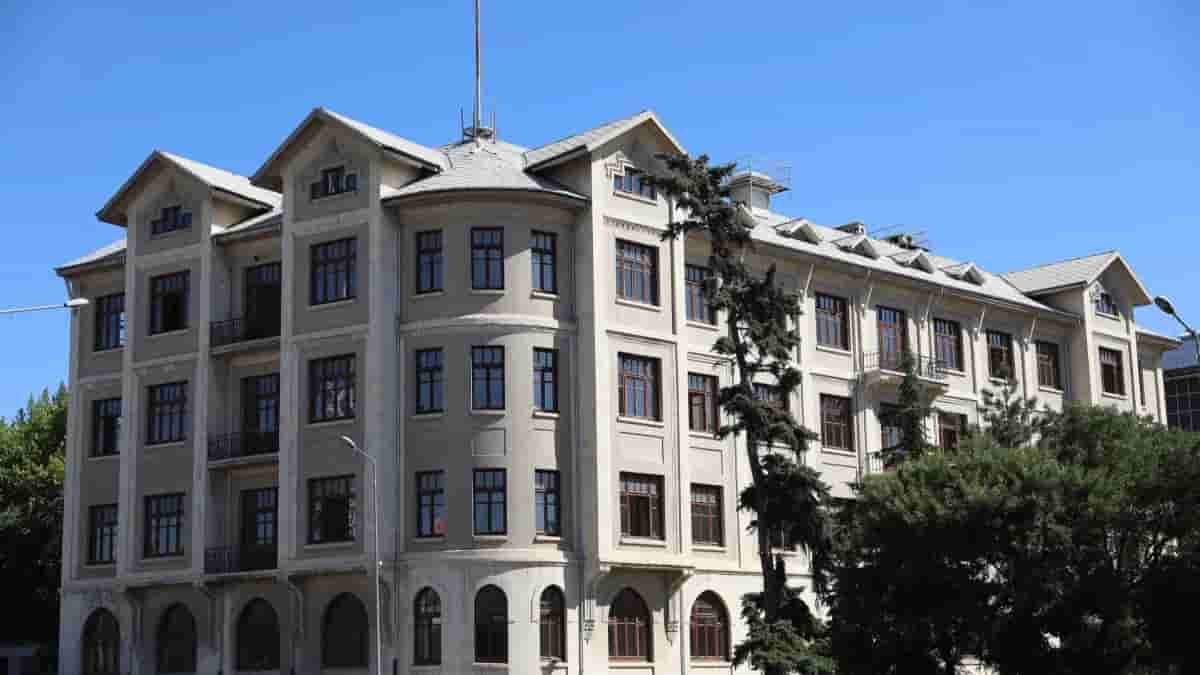 Dormitory
Ankara, Turkey
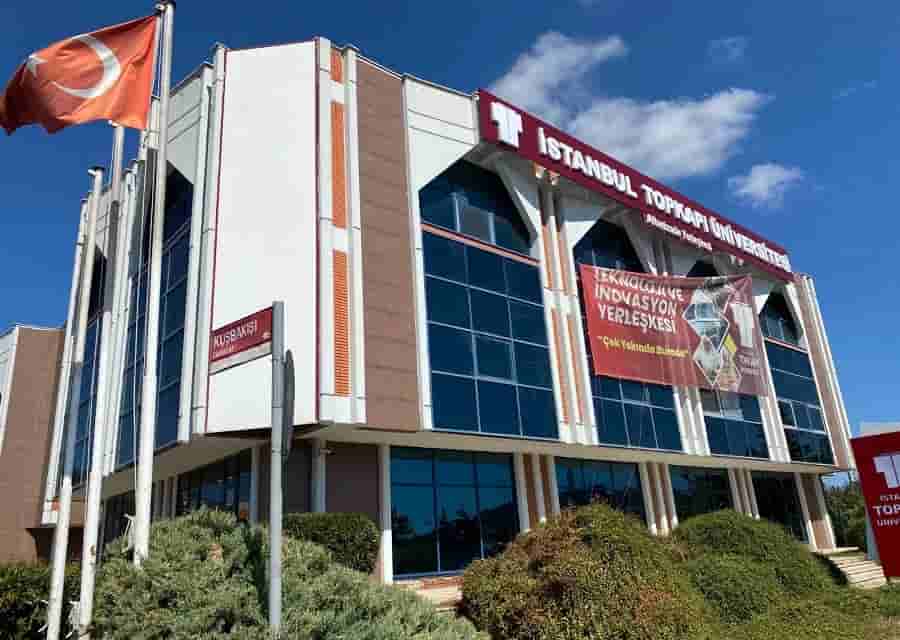 Dormitory
Istanbul, Turkey
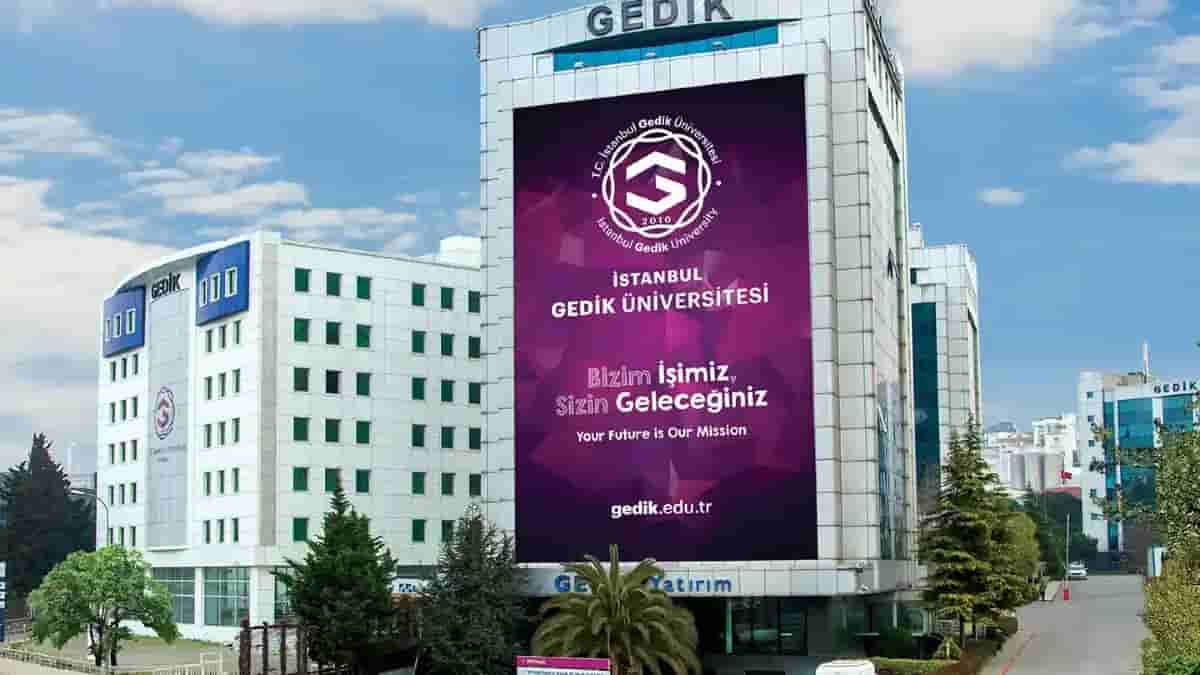 Dormitory
Istanbul, Turkey
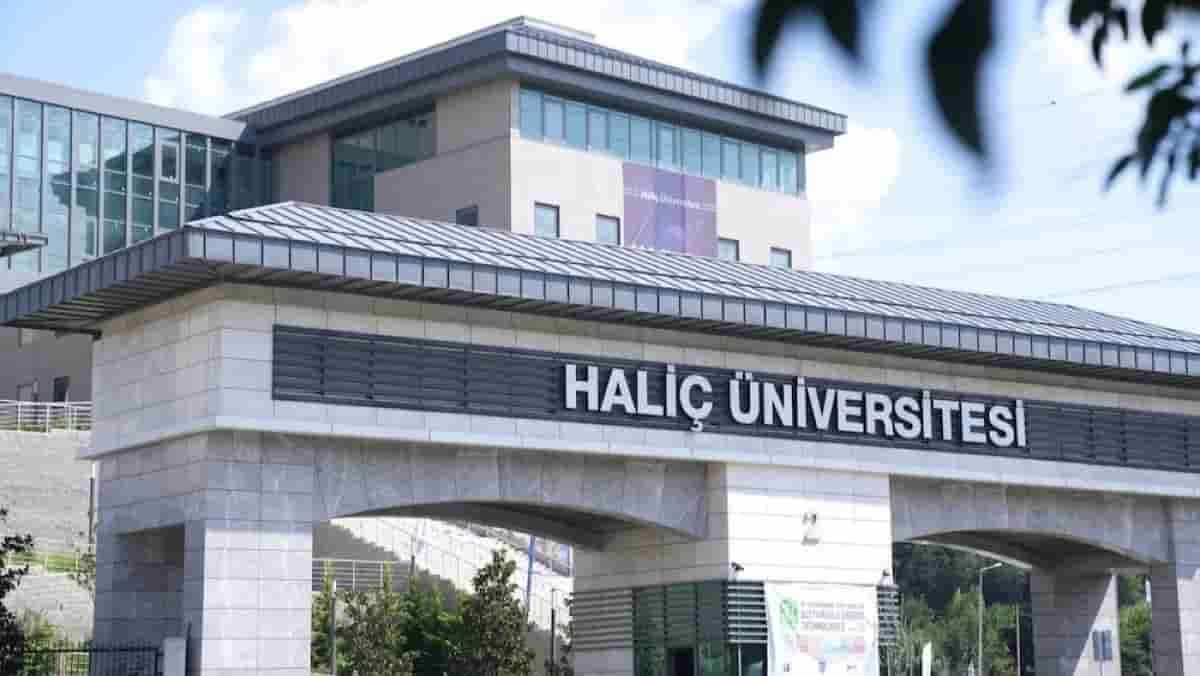 Dormitory
Istanbul, Turkey
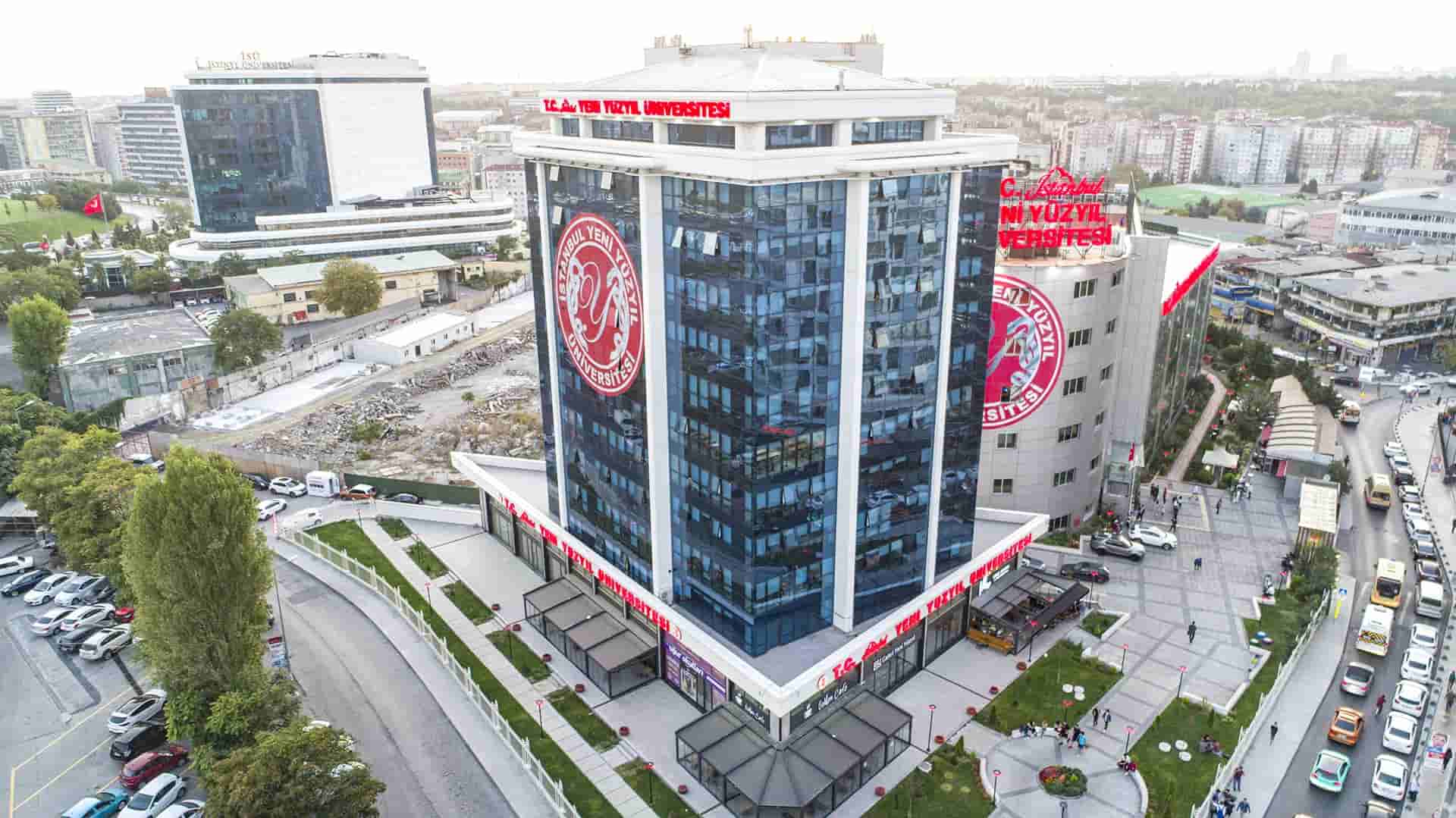 Dormitory
Istanbul, Turkey
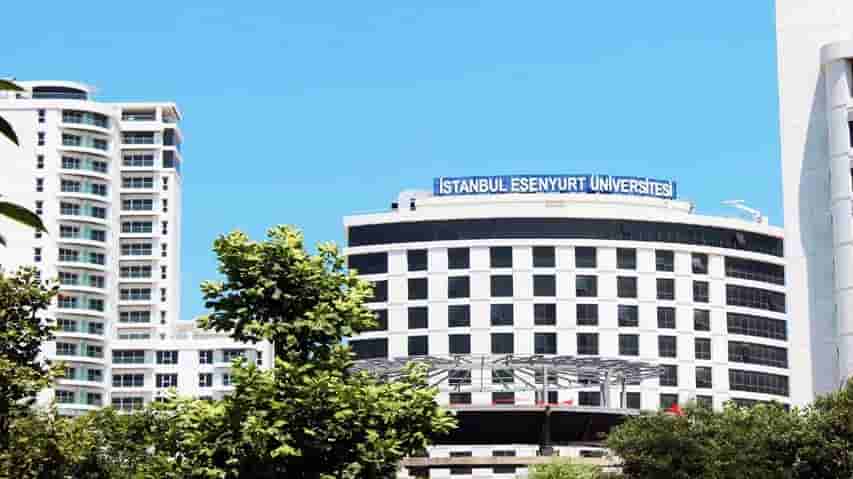 Dormitory
Istanbul, Turkey
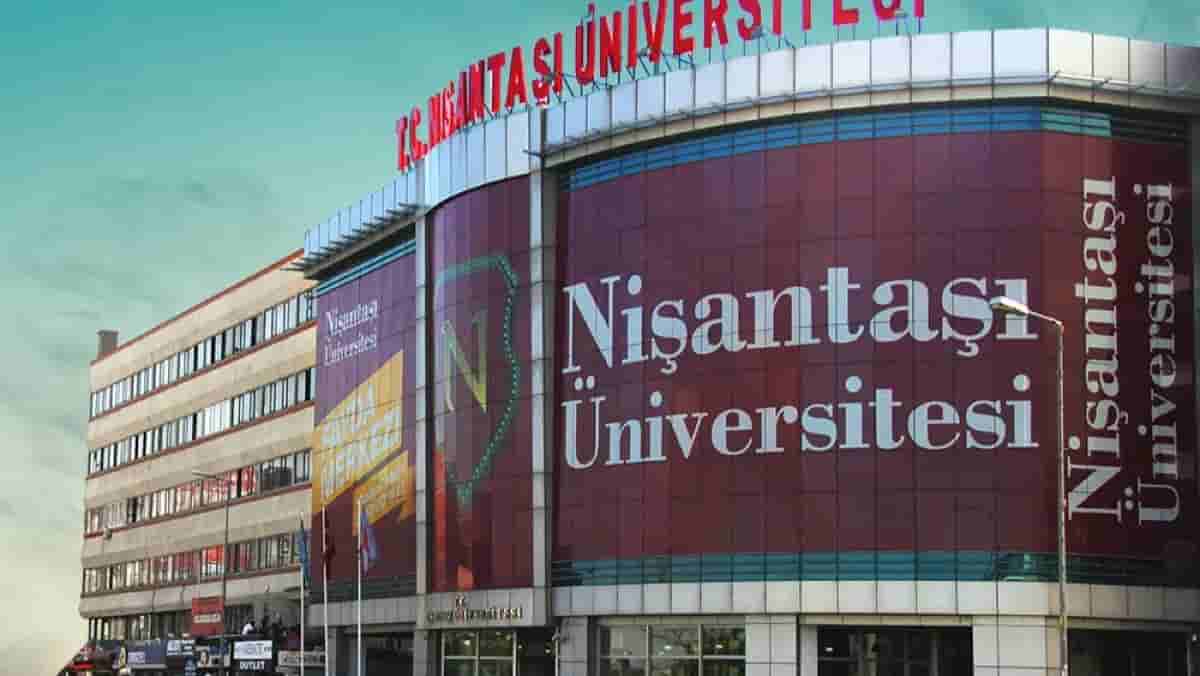 Dormitory
Istanbul, Turkey
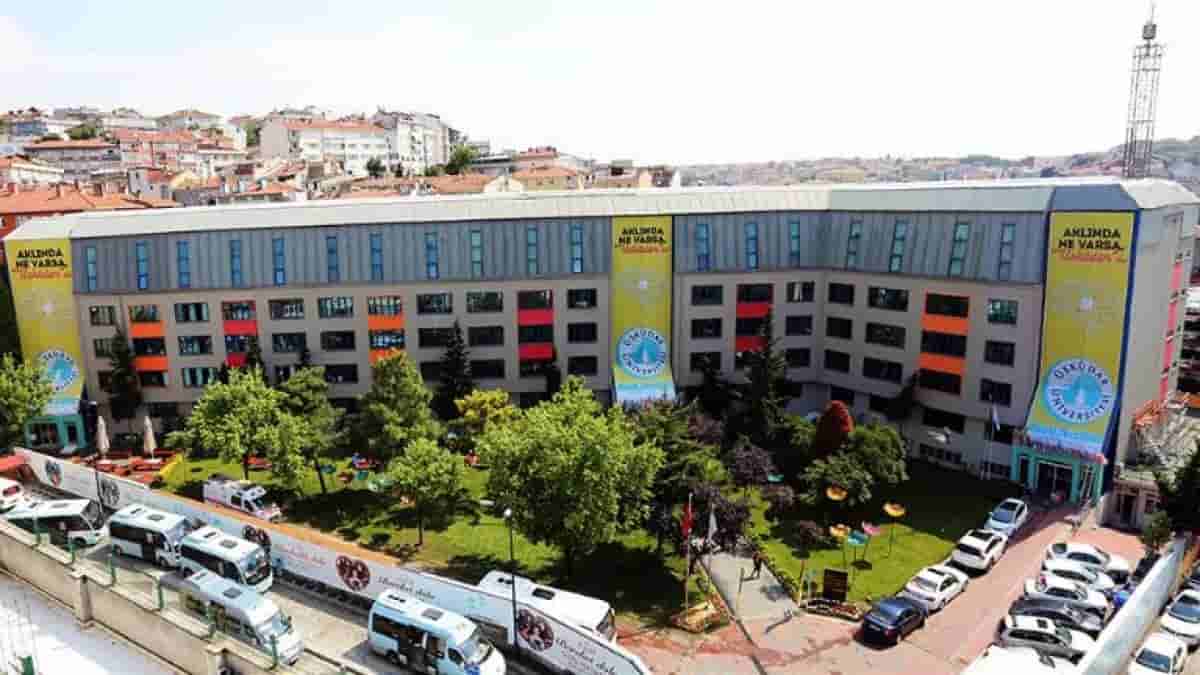 Dormitory
Istanbul, Turkey
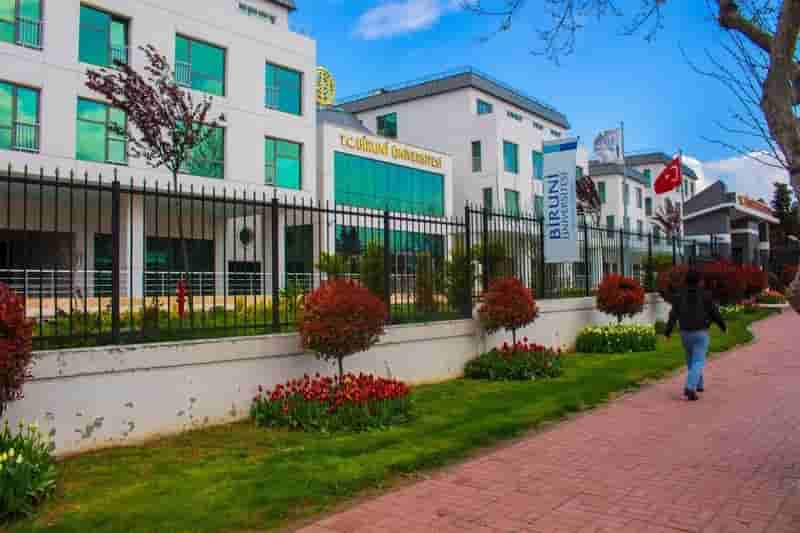 Dormitory
Istanbul, Turkey
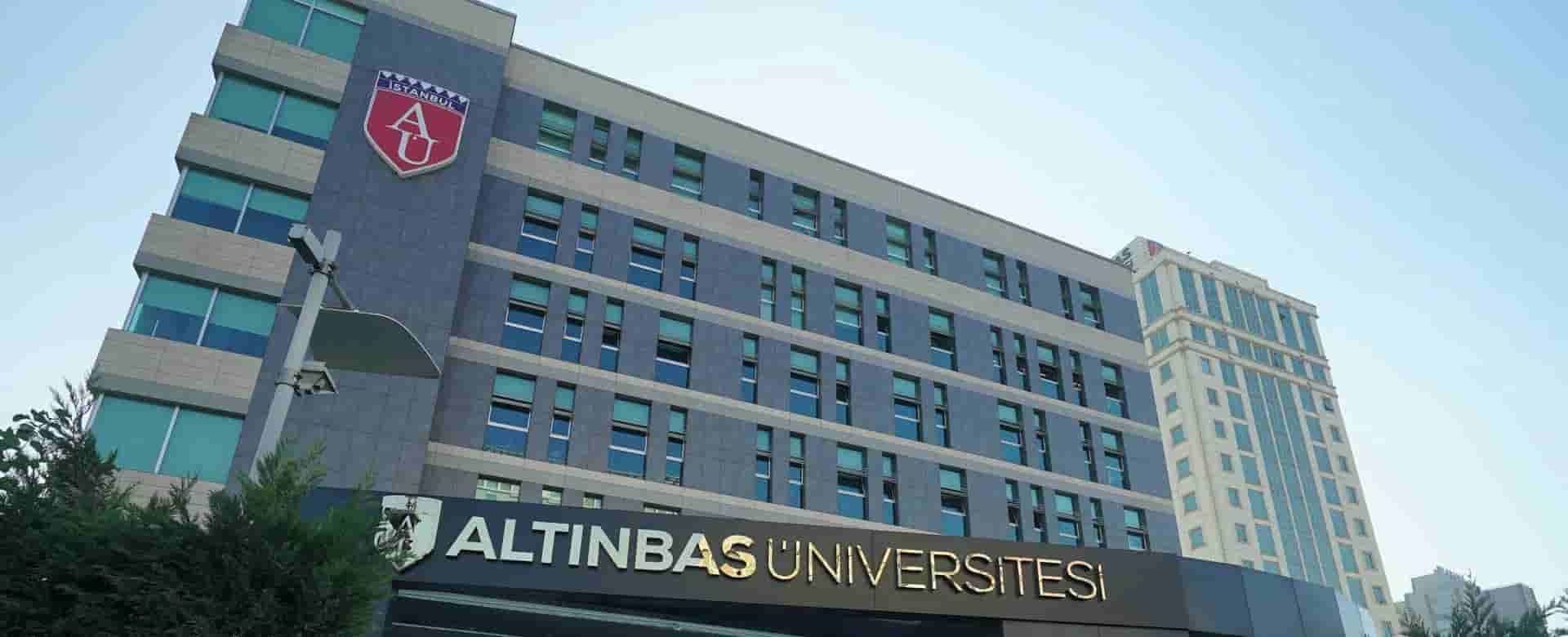 Dormitory
Istanbul, Turkey
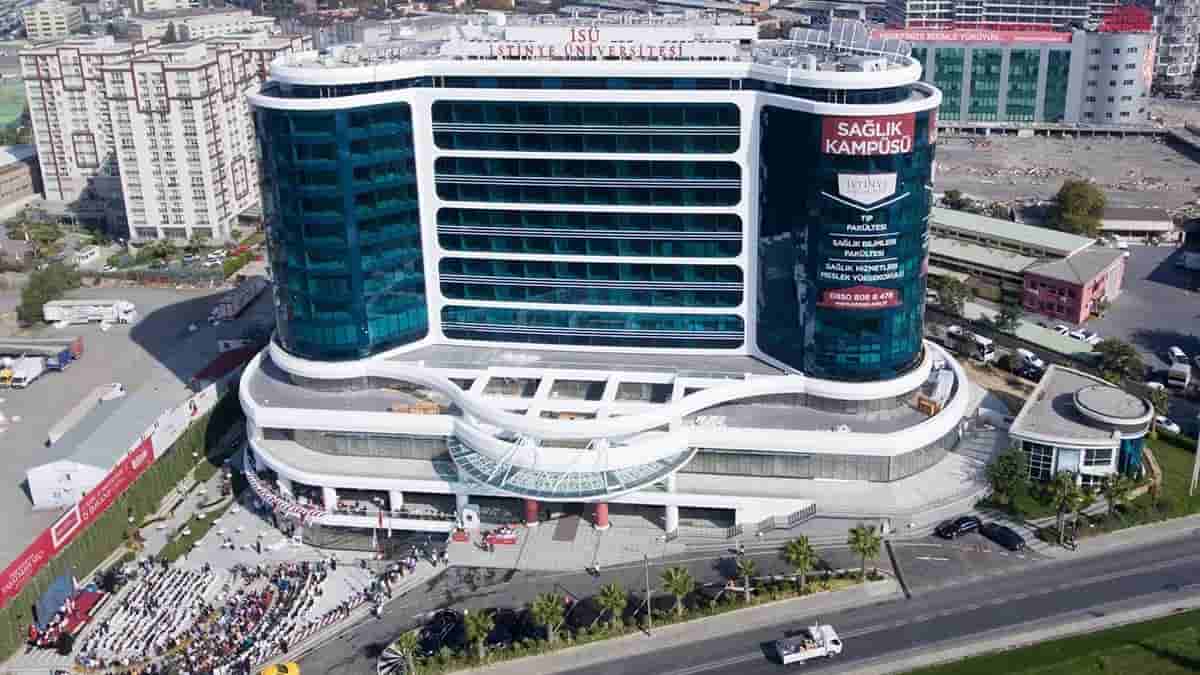 Dormitory
Istanbul, Turkey
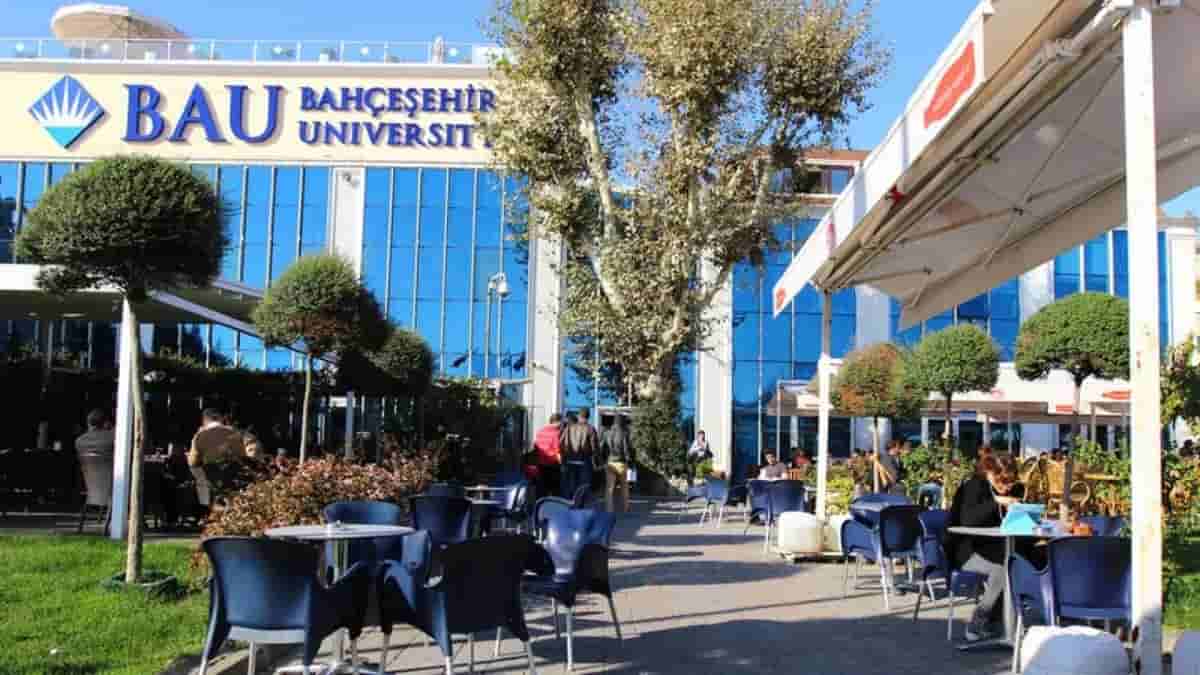 Dormitory
Istanbul, Turkey
 Dormitory
Istanbul, Turkey
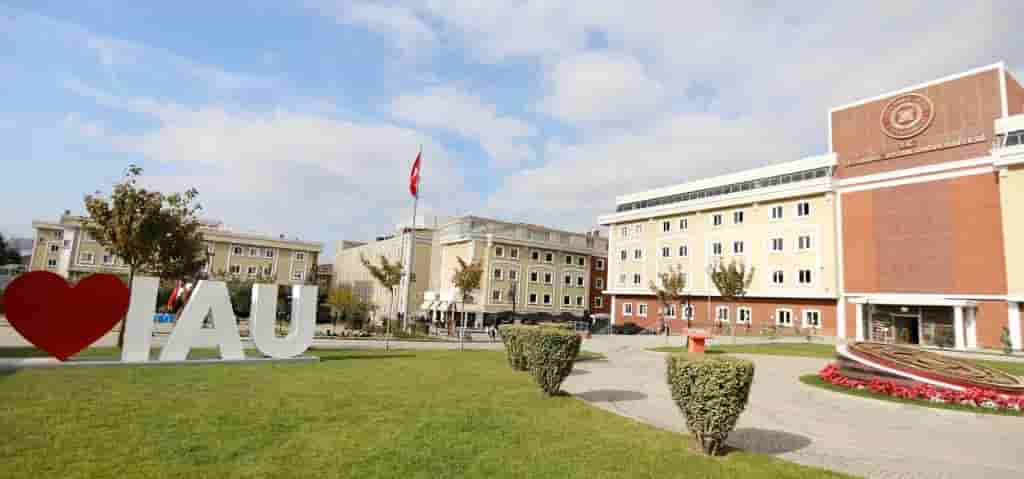 Dormitory
Istanbul, Turkey
 Dormitory
Istanbul, Turkey
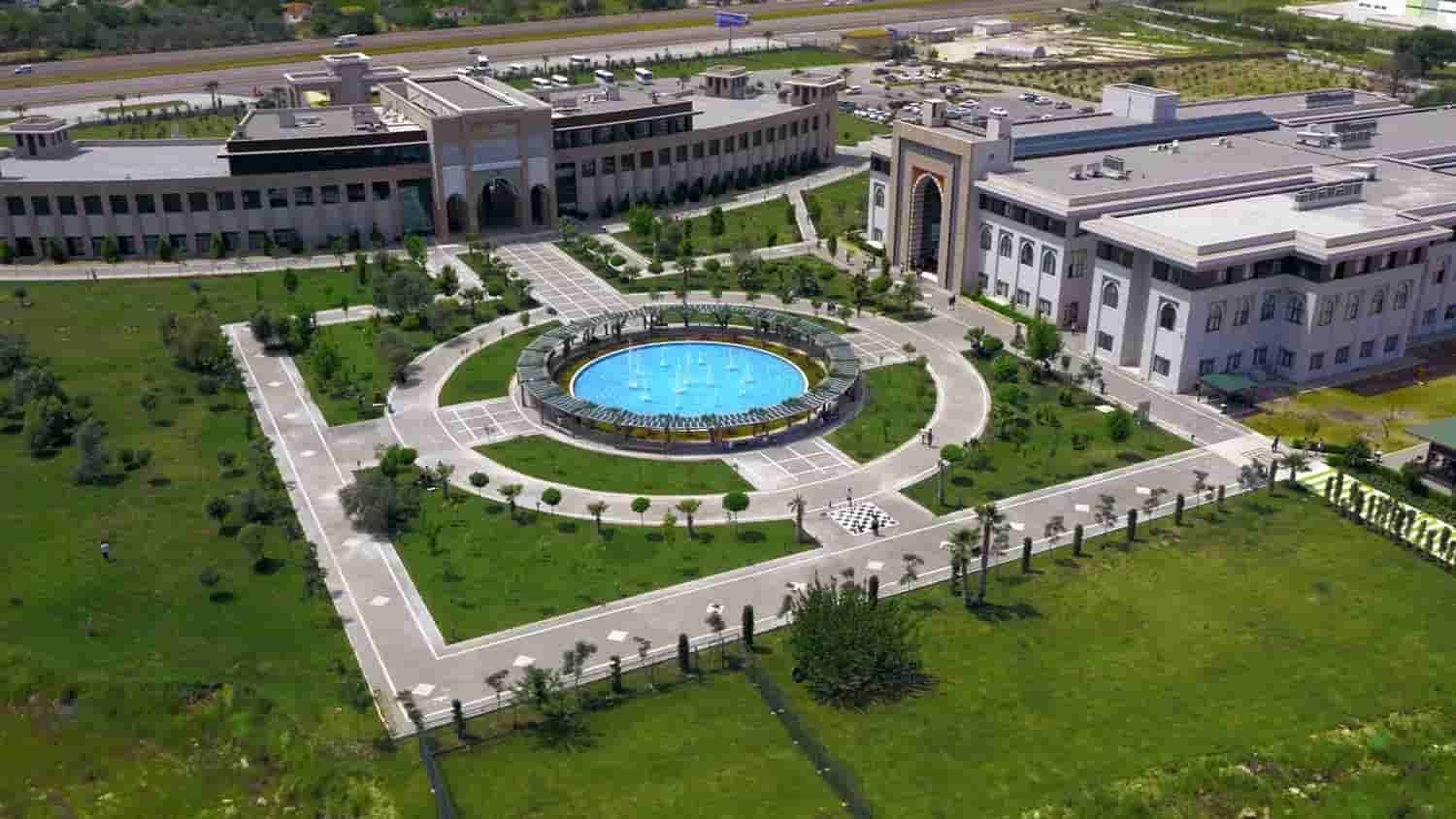 Dormitory
Antalya, Turkey
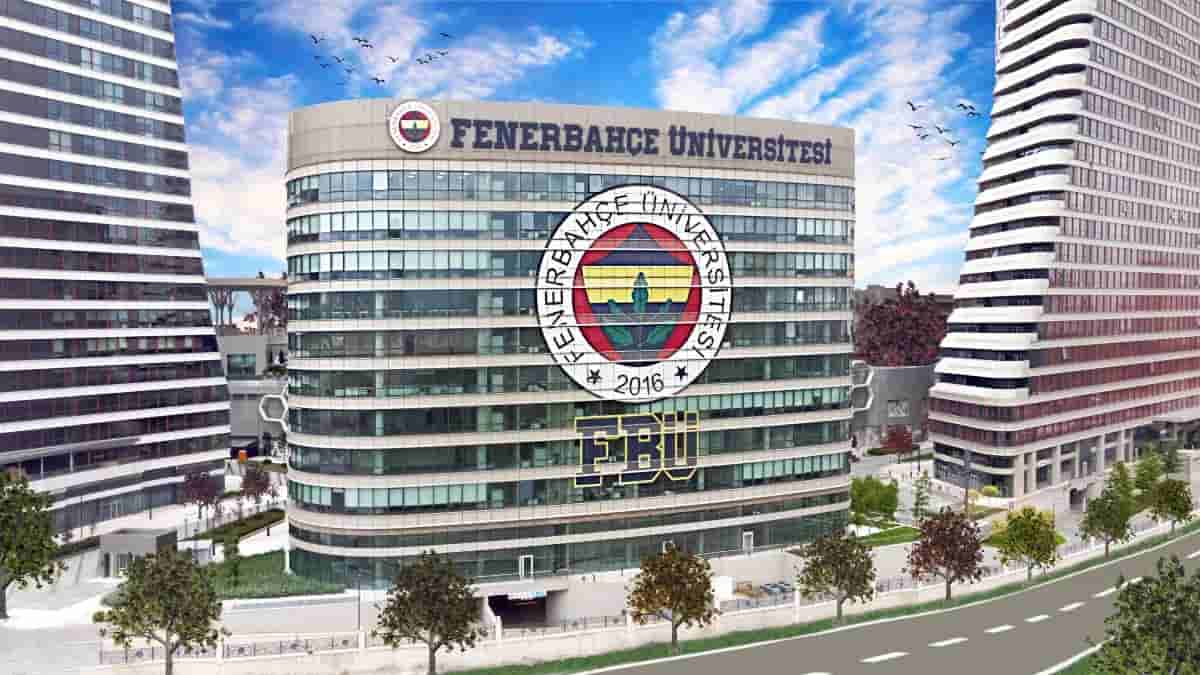 Dormitory
Istanbul, Turkey
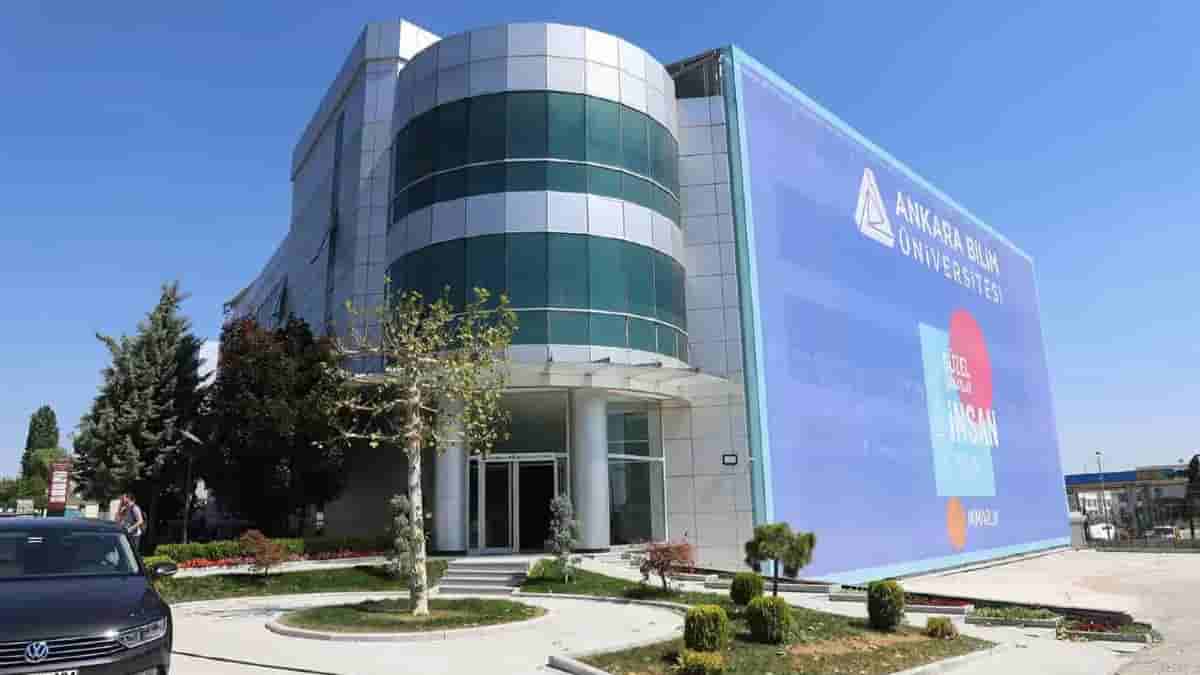 Dormitory
Ankara, Turkey
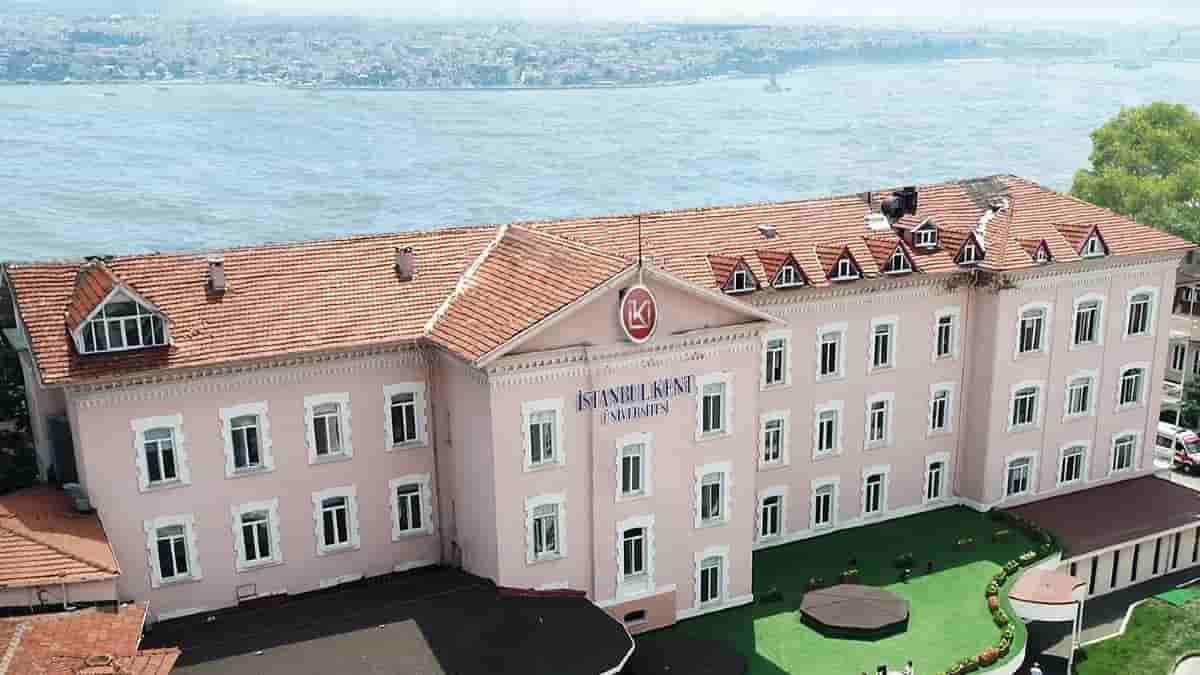 Dormitory
Istanbul, Turkey